
🏠 Home > 🗺️ Recipes > 🍷 Drinks > 🇵🇪 Peru Drinks
🇵🇪 🍷 Peru Drinks Recipes
Published by Supakorn | Updated: February 2026
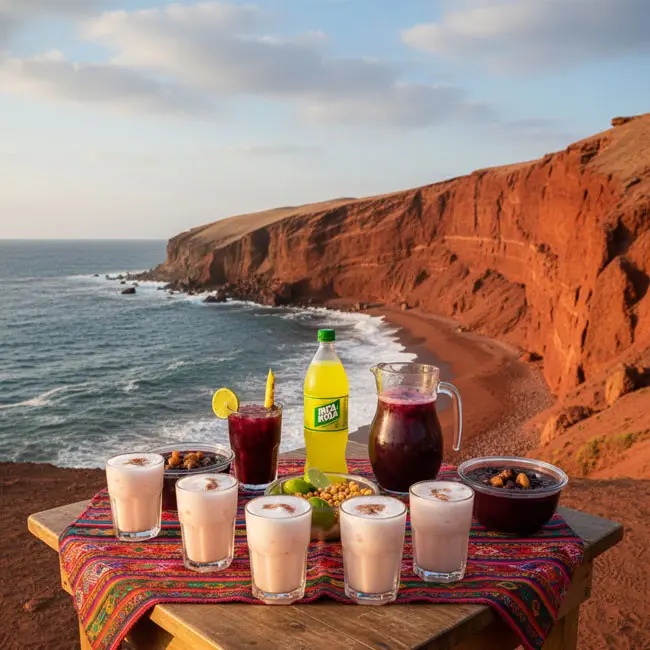
🗺️ A Flavorful Journey Through the Andes and Beyond
Hey there, thirsty traveler! If you thought Peruvian cuisine was just about the food, you’re in for a massive treat. Just like their world-famous dishes, Peru’s beverage scene is a colorful, historical, and incredibly diverse world of its own.
When you’re walking through the bustling streets of Lima, trekking the high-altitude trails of Cusco, or exploring the humid Amazon, there is always a unique local drink waiting to refresh your soul. And the best part? Many of Peru’s most iconic drinks are completely alcohol-free, relying on ancient grains, exotic fruits, and medicinal herbs that have been used since the time of the Incas.
In this guide, we’re going to explore the refreshing side of Peruvian culture. We’ll look at the "superfood" ingredients that make these drinks healthy, the cultural rituals of the "street tea" vendors, and why a certain neon-yellow soda is more popular than Coca-Cola. Let’s dive into the liquid gold of Peru!
🌽 The Purple Legend: Chicha Morada
If Peru had a national color for its drinks, it would definitely be purple. Chicha Morada isn't just a drink; it’s a cultural icon that dates back to pre-Inca times.
🏺 Ancient Roots in a Modern Glass
Chicha Morada is made from Maíz Morado (purple corn), which is native to the Andes mountains. This isn't your typical sweet corn; it’s packed with anthocyanins (powerful antioxidants) that give it an intense, dark violet hue.
🍎 The Flavor Profile
Imagine a drink that tastes like the holidays. To make it, the purple corn is boiled with pineapple rinds, cinnamon, and cloves. Once cooled, it’s finished with a squeeze of fresh lime juice and a touch of sugar. The result? A deeply refreshing, fruity, and slightly spicy beverage that pairs perfectly with a salty Lomo Saltado. It’s served everywhere—from high-end restaurants to plastic jugs at family picnics.
🌿 The Street Healer: Emoliente
If you ever find yourself in a Peruvian city early in the morning or on a chilly evening, you’ll see people huddled around small carts with glowing lights and dozens of glass bottles. They are waiting for their Emoliente.
🏥 A Pharmacy in a Cup
Emoliente is more than just a drink; it’s a medicinal ritual. It starts with a base of toasted barley water. Then, the Emolientero (the vendor) adds various herbal extracts depending on what ails you.
• Need better digestion? They’ll add flaxseed (linaza) for a thick, silky texture.
• Feeling a cold coming on? In goes the cat’s claw (uña de gato) or boldo.
• Just want flavor? A splash of lime and liquid sugar does the trick.
🥄 A Unique Texture
The most surprising thing for first-timers is the texture. Because of the flaxseed, Emoliente is slightly viscous or "slimy" (in a good way!). It’s served warm and is the ultimate comfort drink to soothe the throat and the stomach.
💛 The Golden Spark: Inca Kola
You cannot talk about Peru without mentioning the "Golden Kola." In most countries, global soda giants dominate the market. But in Peru? Inca Kola is king.
🍬 What Does It Taste Like?
The color is a bright, fluorescent neon yellow. The flavor? Well, that’s a subject of much debate! Most people describe it as tasting like bubblegum, cream soda, or even "liquid gummy bears." It actually gets its flavor from lemon verbena (Hierba Luisa), a lemon-scented herb popular in Peru.
🍽️ The Perfect Food Companion
While it might seem too sweet on its own, Inca Kola has a magical chemical reaction when paired with Peruvian food—especially Chinese-Peruvian "Chifa." The sweetness cuts through the salt and soy sauce perfectly. It’s a point of national pride; you’ll see the Inca Kola logo on almost every restaurant sign in the country.
☕ Andean Warmth: Herbal Teas (Infusiones)
When you’re high up in the Andes, the air is thin and the nights are cold. This is where Peru’s tradition of Infusiones (herbal teas) shines.
🍃 Mate de Coca (The Altitude Hero)
The most famous is Mate de Coca. It’s made by steeping raw leaves of the coca plant in hot water. For the people of the Andes, this is a sacred plant. It’s not a drug; it’s a mild stimulant, similar to coffee, that helps blood oxygenation. If you’re a tourist struggling with "Soroche" (altitude sickness), a warm cup of Mate de Coca is the first thing a local will hand you. It tastes earthy and grassy, similar to green tea.
🍋 Hierba Luisa (Lemon Verbena)
This is the "relaxing" tea. It has a beautiful, delicate citrus aroma and is often served after dinner to help with digestion. It’s light, fragrant, and grows abundantly in Peruvian backyards.
🍵 Muña
Think of Muña as the Andean version of mint, but with a more complex, woody undertone. It’s fantastic for settling an upset stomach after a heavy meal of potatoes and meat.
🥥 Wonders of the Amazon: Jungle Juices
The Peruvian Amazon is home to fruits that look like they’re from another planet. These fruits make some of the most exotic and nutrient-dense drinks in the world.
🍒 Camu Camu
This tiny red berry holds one of the highest concentrations of Vitamin C of any fruit on Earth. As a juice, it’s tart, tangy, and incredibly refreshing. It’s often blended with water and sugar to make a "Refresco de Camu Camu."
🌴 Cocona and Aguaje
• Cocona: Often called the "Jungle Tomato," it makes a citrusy, tropical juice that is often served alongside spicy jungle food.
• Aguaje: This fruit comes from a palm tree and is known for its high vitamin A content and "hormone-balancing" properties. The juice is thick, oily (in a healthy way), and has a very distinct, savory-sweet flavor.
🥛 The "Creams": Quinoa and Maca Breakfasts
In Peru, drinks aren't just for quenching thirst; sometimes, they are the meal.
🥣 Quinoa Apple Drink
In the mornings, street vendors sell a hot, thick beverage made from boiled quinoa and apples. It’s sweetened with cinnamon and cloves. It’s like a drinkable oatmeal—rich in protein and energy, designed to fuel workers for a long day in the fields or the city.
🐂 Maca
Maca is a root from the high Andes often called "Peruvian Ginseng." It’s malted and turned into a creamy, nutty-tasting drink. It’s famous for boosting energy and stamina. If you see a line of people at a breakfast cart, they are likely waiting for their morning Maca fix!
🥤 Fruit Batidos: The Juice Bar Culture
Every market in Peru has a Sección de Jugos (Juice Section). Here, you’ll find rows of stalls with blenders and mountains of fresh fruit.
🍓 Jugo Especial
A "Special Juice" isn't just fruit. It’s a meal in a glass! It usually involves blending papaya, pineapple, and banana with algarrobina (a syrup made from carob trees), raw honey, and sometimes a raw egg or malt for extra strength. It’s thick, frothy, and deliciously sweet.
🍮 Lucuma Shakes
Lucuma is a fruit that looks like an avocado but has dry, orange flesh. It tastes like maple syrup or butterscotch. While it’s popular in ice cream, a Lucuma milk-shake (Batido de Lucuma) is a gourmet treat that you won't find anywhere else in the world.
❓ FAQ: Frequently Asked Questions
Q1. Is it safe to drink the water in Peru?
It is generally recommended that travelers drink bottled or boiled water in Peru. This is why drinks like Chicha Morada and Emoliente are so popular—the water is boiled during the preparation process, making them a safe and delicious way to stay hydrated!
Q2. Is Chicha Morada the same as the fermented Chicha de Jora?
Great question! No, they are different. Chicha Morada is a sweet, non-fermented juice made from purple corn. Chicha de Jora is a traditional corn "beer" that has been fermented (it contains a small amount of alcohol) and has a sour, tangy taste.
Q3. What is the best drink for altitude sickness?Mate de Coca and Mate de Muña are the local favorites for altitude. They help with headaches and digestion. However, remember to drink plenty of plain water too, as staying hydrated is key to feeling better in the mountains.
🍷 Sip Your Way to Slim: Authentic and Refreshing Low-Calorie Peruvian Beverages
👉 Sip 3 World’s Best Healthy Peru Drinks
| 🌐 🍷 < Back | 🇵🇪 🍨 < Previous | Next > 🍲 🇵🇪 |