
🏠 Home > 🗺️ Recipes > 🏛️🧪 Sacred Infusions & Botanical Tonics > 🗿 Pre-Classic Maya: Sacred Infusions & Botanical Tonics Recipes
🗿 🏛️🧪 Pre-Classic Maya: Sacred Infusions & Botanical Tonics Recipes
Published by Supakorn | Updated: October 2026
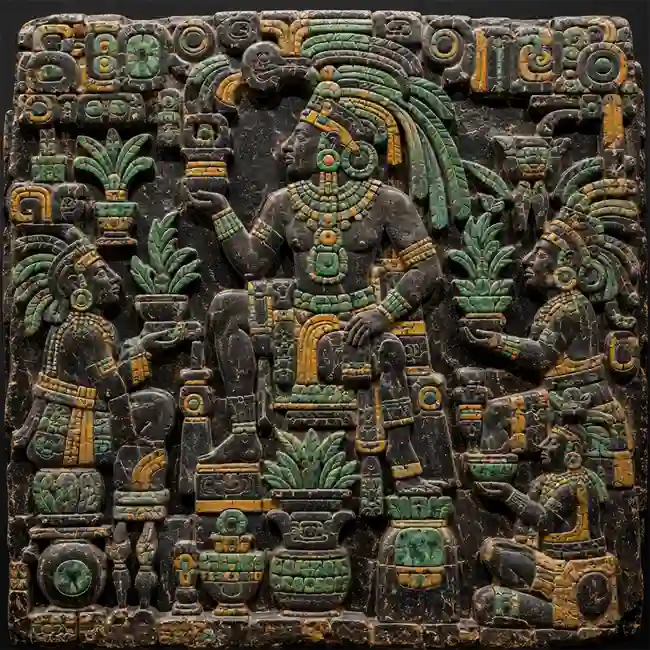
🌌📜 The Storyteller’s Intro: 5,000 Years of Ancestral Flavors
Hey there, fellow history buffs and curious foodies! Have you ever wondered what people were sipping on long before modern coffee shops, artisan tea houses, or fancy wellness elixirs ever existed? Let us take a deeply immersive journey back in time—about 5,000 years ago, to be exact—to the lush, misty jungles of Mesoamerica. We are diving headfirst into the mysterious, vibrant world of the Pre-Classic Maya and their incredible repertoire of sacred botanical infusions and botanical tonics.
When most people think of ancient Maya civilization, their minds immediately jump to the towering stone pyramids of Tikal or the massive astronomical observatories at Chichen Itza. But long before these iconic stone megastructures dominated the skyline during the Classic period, the early Maya were busy mastering something far more intimate: the subtle science of survival, wellness, and spiritual connection through the plants around them. The story of Mesoamerican food and drink is vast, layered, and deeply sacred, spanning thousands of years across distinct eras.
To truly appreciate what went into an ancient earthen cup, we have to look at how Maya history unfolds across its core epochs:
✨ The Early Pre-Classic Period (c. 2000 BCE – 1000 BCE): This is where our story truly takes root. Nomadic hunter-gatherer groups began settling down into permanent agricultural villages. They started experimenting with wild flora, domesticating early varieties of maize, and discovering the potent botanical properties of indigenous herbs, roots, and tree barks.
✨ The Middle Pre-Classic Period (c. 1000 BCE – 400 BCE): Trade routes expanded rapidly across the Maya lowlands and highlands. Complex social structures emerged, and along with them came specialized culinary roles. Sacred botanical brews shifted from purely survival-based nourishment to essential components of community rituals, elite gatherings, and spiritual ceremonies.
✨ The Late Pre-Classic Period (c. 400 BCE – 250 CE): Massive ceremonial centers began to flourish. Priests and herbalists refined the preparation of sacred tonics, crafting complex herbal formulas preserved in oral traditions and commemorated on early ceramic vessel carvings.
✨ The Classic Period (c. 250 CE – 900 CE): The famous golden age of grand Maya city-states, where art, hieroglyphic writing, and elite culinary traditions reached their absolute zenith.
✨ The Post-Classic Period (c. 900 CE – 1521 CE): A time of political transformation and migration, where ancient botanical wisdom was adapted into new regional traditions right up until the era of Spanish contact.
Throughout the Pre-Classic era, the Maya did not view food and drink merely as physical fuel. To them, every plant possessed an it'z—a divine vital essence or sacred energy. Drinking a botanical tonic was a literal act of communion with nature, the gods, and the cosmos. Herbalists held an elevated status in society, acting as bridge-builders between the earthly realm and the divine forces of the forest. By blending native leaves, ground seeds, wild forest blossoms, and raw honey, they created life-giving elixirs designed to restore physical equilibrium, ward off exhaustion, and align the spirit with the rhythms of the earth.
📜 Iconic Excavated Menus: Sacred Archeological Brews
Archaeologists and paleobotanists working across Mesoamerican dig sites have uncovered astonishing physical evidence of these early liquid masterpieces. Thanks to modern residue analysis on excavated ceramic spouted jars, deep bowls, and cylindrical vases, researchers have detected chemical traces of specific compounds like theobromine, resin acids, and ancient seed proteins. These discoveries give us a direct peek into the sacred menu of the Pre-Classic Maya palace kitchens and shamanic hearths.
Here are the standout, archaeologically verified ancient beverage concepts and botanical blends recorded in historic research and excavation logs:
✦ Xocolatl Primordial: The foundational sacred cacao infusion of the early elites, prepared without any modern dairy or refined sugars. Archaeologists found trace residues of raw ground cacao seeds blended with native water, scented with crushed orchid vanilla pods (tlilxochitl), and spiced with wild forest peppers.
✦ K’axil Ya’axche’ Tonic: A revered botanical infusion crafted from the inner bark and fresh leaves of the sacred Ceiba tree (Ya’axche’), combined with native mountain mint and wild botanical herbs to foster vitality and spiritual clarity.
✦ Sakha’ (Sacred White Earth Water): An ancient ceremonial maize-based botanical drink made from unfermented nixtamalized corn paste diluted with pure cavern water, sweetened lightly with wild jungle honey, and served during agricultural blessing rites.
✦ Ch'iyaj K'áax (Wild Forest Herbal Elixir): A restorative daily decoction brewed from boiled chaya (tree spinach) leaves, crushed allspice leaves (Pimenta dioica), and steep mountain herbs, consumed by builders and agricultural workers for sustained stamina.
✦ B’alam Xib’alb’a Infusion: A deeply mystical night-time botanical blend infused with aromatic resins, sacred night-blooming flowers, and ground sapote seeds, utilized by spiritual leaders during nocturnal temple vigils.
✦ Achiote Fire Essence: A vibrant red ritual brew colored with crushed annatto (achiote) seeds, flavored with wild chili peppers, and infused with native lemongrass-like botanicals, symbolizing the warming energy of the sun and life-force blood.
✦ Xidiyá Seed & Nut Broth: A nourishing, thick warm tonic made from ground pumpkin seeds (sikil), roasted Ramon tree nuts (Brosimum alicastrum), and pure rainforest spring water, celebrated for its rich protein content during lean harvest seasons.
🗺️ Living, Dining, and Traveling through the Maya Heartland
To understand how the Pre-Classic Maya lived, you have to picture a life completely attuned to the rainforest ecosystem. Daily existence revolved around the milpa—an ingenious multi-crop agricultural system where corn, beans, and squash were planted together in perfect ecological harmony. People lived in homesteads built from woven wood and thatched palm roofs, centered around open-air kitchens where stone grinding slabs (metates) resonated with the daily rhythm of crushing seeds, corn, and botanical spices.
Mealtime was a sacred communal affair. The Maya woke before dawn, starting their day with warm, nutrient-dense botanical beverages that provided sustained energy for farming, stone carving, and forest foraging. Living in harmony with the environment meant that their diet shifted dynamically with the rainy and dry seasons. Fresh forest greens, edible roots, wild fruits like papaya and mamey sapote, and cultivated seeds formed the backbone of their daily sustenance.
For modern travelers passionate about ancient culinary history, following the trail of Pre-Classic Maya cuisine offers an unforgettable adventure across Mesoamerica:
◦ Mundo Maya Archaeological Circuit: Journey through the ancient lowlands of Guatemala, southern Mexico, Belize, and Honduras to visit early Pre-Classic sites like El Mirador, Uaxactun, and Kaminaljuyu, where early kitchen hearths and ceramic workshops were first unearthed.
◦ Authentic Culinary Heritage Tours in Yucatán & Chiapas: Explore rural Maya communities in southern Mexico where traditional Maya women still use hand-carved stone metates and ancient clay pots (ollas) to prepare ancestral herbal tonics and heirloom corn beverages.
◦ Ethnobotanical Forest Trails: Take guided walking tours through protected biosphere reserves like the Calakmul Biosphere or the Maya Biosphere Reserve in Petén. Local indigenous guides teach visitors how to identify wild chaya, native allspice trees, sacred Ceiba bark, and wild stingless bee honeycombs just as their ancestors did millennia ago.
◦ Traditional Living History Museums: Visit specialized cultural sanctuaries in Mérida, San Cristóbal de las Casas, and Belize City that feature reconstructed Pre-Classic kitchens, traditional herb gardens, and interactive demonstrations on ancient Mesoamerican food preservation techniques.
🚣 Riverways of the Maya Lowlands: The Trade Routes of Flavor
Water was the absolute lifeblood of Maya civilization, and the extensive network of tropical rivers served as the superhighways of the ancient world. Long before paved roads or wheeled transport existed, Maya merchants navigated treacherous river systems in large dugout canoes carved from single mahogany or cedar trunks. These river corridors were essential for moving precious botanical ingredients from distant highlands down to the coastal lowlands.
The major river basins that shaped Pre-Classic culinary trade and culture include:
◦ The Usumacinta River Basin: Flowing through present-day Guatemala and Mexico, this mighty river was a major trade artery for rare jungle herbs, wild cacao pods, tropical fruits, and exotic bird feathers used in royal ceremonies.
◦ The Pasion River Corridor: A vital inland trade route where early Pre-Classic settlements exchanged highland minerals, obsidian, and specialized mountain botanicals for lowland crops and coastal sea salt.
◦ The Belize River System: Connecting the inland jungle cities directly to the Caribbean coast, this river network facilitated the transport of marine resources, dried fish, native spice seeds, and coastal botanical plants to interior palace kitchens.
◦ The Motagua River Valley: Famous for connecting the jade-rich highlands to the eastern coast, allowing highland herbalists to trade medicinal mountain roots and aromatic tree resins with distant lowland communities.
Along these bustling river banks, vibrant trading ports flourished. Merchants would pull their heavily laden canoes ashore to barter for rare botanical commodities. High-value trade items included prized pods of wild cacao, dried annatto seeds, cured vanilla orchids, raw forest honey, and specialized clays used to make porous earthenware tonic jugs. These riverways ensured that even early Pre-Classic settlements had access to a diverse array of botanical flavors and natural remedies from varied microclimates across Mesoamerica.
🏜️ Cenotes and Sacred Caves: The Oasis Waters of the Maya Underworld
While the southern Maya lowlands relied heavily on lush river systems, the northern limestone plains of the Yucatán Peninsula presented a completely different landscape: a terrain with virtually no visible surface rivers. Instead, nature provided the Maya with magical underground freshwater reservoirs known as cenotes (derived from the Maya word d'zonot), alongside vast subterranean cave systems.
To the Pre-Classic Maya, these subterranean water sources were not just crucial survival oases in a dry landscape—they were the physical gateways to Xibalba, the sacred Maya underworld. The crystal-clear, mineral-rich water drawn from the dark depths of cenotes and hidden cave drippings was considered pristine, unpolluted, and spiritually pure. Maya priests and botanical healers specifically demanded this sacred cavern water (zuhuy ha') to brew their most important ceremonial infusions and wellness tonics.
Exploring the subterranean oasis heritage of the Maya realm reveals:
◦ Sacred Cenotes of the Northern Plains: Natural sinkholes carved into the limestone floor that provided reliable year-round freshwater, surrounded by unique micro-ecosystems where rare shade-loving medicinal herbs and ferns thrived.
◦ Subterranean Cave Sanctuaries (Balamku & Actun Tunichil Muknal): Deep limestone caves where archaeologists have discovered pristine Pre-Classic ceramic vessels left as offerings to Chaac, the deity of rain and water, alongside evidence of ancient liquid rituals.
◦ Moist Sinkhole Gardens: Sunken forest basins where collapsed cavern ceilings created sheltered, humid microclimates ideal for growing delicate botanical species, native cacao trees, and sensitive medicinal plants that could not survive the dry surface winds.
◦ Underworld Water Rituals: The ancient belief that mixing medicinal forest herbs with dark, cool cavern water imparted protective spiritual energy to the drinker, cleansing both physical ailments and spiritual imbalances.
🗿 Ancient Civilization FAQ: Unlocking Palace Kitchen Mysteries
Q1: Did the Pre-Classic Maya drink cacao as a sweet, sugary beverage like modern hot chocolate?
A: Absolutely not! The ancient Maya drank their cacao unsweetened or only lightly softened with raw jungle honey. It was prepared as a warm or cool, dark, frothy infusion spiked with crushed chili peppers, wild allspice, native vanilla pods, and ground flowers. It was bold, spicy, bitter, and highly invigorating—conceived primarily as a sacred restorative tonic rather than a dessert treat.
Q2: How did the Pre-Classic Maya brew hot botanical infusions without modern metal kettles?
A: The early Maya were masters of earthenware pottery and stone culinary arts. They used thick, heat-resistant ceramic pots placed directly over open wood fires. Alternatively, for delicate herbal infusions, they employed a traditional technique involving stone boiling: heating clean river stones in red-hot embers and dropping them directly into clay basins filled with water and fresh botanical herbs to bring the liquid to a quick, rolling simmer.
Q3: Were these sacred botanical tonics available to everyone or strictly reserved for royalty?
A: It depended heavily on the specific beverage! Basic herbal tonics, nourishing maize waters (sakha'), and boiled wild green infusions (chaya) were daily staples enjoyed by common agricultural workers, builders, and families. However, high-grade spiced cacao elixirs, complex flower-infused tonics, and resin-scented ritual brews were strictly guarded treats reserved for spiritual ceremonies, noble rulers, elite warriors, and high priests.
Q4: What natural sweeteners did the early Maya use before sugar cane arrived in the Americas?
A: Long before sugar cane was introduced from the Old World, the Maya relied exclusively on native natural sweeteners. Their primary source was the rich, aromatic honey produced by indigenous stingless bees (Melipona beecheii), which they kept in hollowed-log hives. They also used sweet tree saps, concentrated sweet fruit pulps like mamey and sapote, and crushed sweet botanical roots to impart subtle natural sweetness to their tonics.
🧠 Final Thoughts: The Timeless Allure of Antique Gastronomy
Stepping back into the world of the Pre-Classic Maya reminds us that real food and drink have always been about far more than simple sustenance. Long before modern wellness trends, superfood fads, or synthetic supplements, the early Maya understood the deep, restorative connection between human health, natural botany, and mindful consumption. Every sip of their botanical infusions was crafted with intention, reverence, and a profound respect for the living earth.
The rich tapestry of Mesoamerican culinary history shows us how powerful simple, natural ingredients can be when combined with ancestral wisdom. As we continue to uncover ancient palace kitchens and analyze centuries-old ceramic jars, we gain a renewed appreciation for the sophisticated flavor profiles and wellness practices developed by these remarkable early visionaries.
Keep your eyes peeled and your taste buds ready, history lovers! In our upcoming feature, we will finally step out of the history books and into the kitchen as we unlock the complete, step-by-step recipe formulations for these ancient Maya sacred infusions and botanical tonics—adapted so you can brew these legendary Mesoamerican elixirs right in your own modern home!
🏛️ Credit to the Keepers of the Culture (The Legacy)
We extend our deepest gratitude, respect, and reverence to the modern indigenous Maya communities across Mexico, Guatemala, Belize, Honduras, and El Salvador who continue to guard, practice, and pass down these ancient botanical traditions from generation to generation. Their unwavering dedication to preserving ancestral knowledge, protecting native plant species, and keeping heirloom farming techniques alive ensures that the true spirit of Pre-Classic Mesoamerican gastronomy remains vibrant today.
We also honor the dedicated paleobotanists, field archaeologists, ethnobotanists, and historians whose diligent excavation work, chemical residue analysis, and historical documentation make it possible for us to study, appreciate, and celebrate the incredible culinary legacy of the ancient Maya world.
🏛️🧪 The 2,000-Year-Old Maya Elixir Archaeologists Found in a Clay Cup — and How to Brew It Today
👉 Sip Pre-Classic Maya: Sacred Infusions & Botanical Tonics
| 🌐 🏛️🧪 < Back | 🗿 🍯 < Previous |