
🏠 Home > 🗺️ Recipes > 🏛️🍯 Wild Earth Sweets & Foraged Bites > 🏰 Proto-Nordic Tribes: Wild Earth Sweets & Foraged Bites Recipes
🏰 🏛️🍯 Proto-Nordic Tribes: Wild Earth Sweets & Foraged Bites Recipes
Published by Supakorn | Updated: October 2026
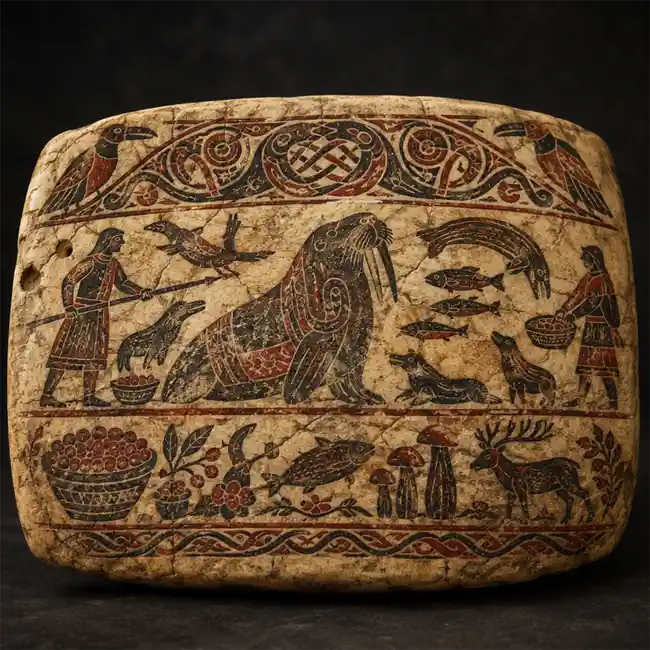
🗡️📜 The Storyteller’s Intro: 5,000 Years of Ancestral Flavors
Hey friend, let's time-travel way, way back. Like, before Vikings, before longships, before anyone even thought of carving runes. We're talking about 5,000 years ago, around 3000 BCE, deep in the misty forests and rocky coasts of what we now call Scandinavia.
This is the world of the Proto-Nordic Tribes. And no, it wasn't just one tribe. It was a wild, beautiful mosaic of cultures learning to live with the earth after the ice retreated.
Here's how their story breaks down, because history is never just one straight line:
✦ The Era Before: The Old Hunters. For thousands of years after the Ice Age, Mesolithic hunter-gatherers roamed. They knew every berry patch and fishing hole. They were masters of the wild, but they didn't farm much.
✦ The First Wave - 4000 BCE to 3000 BCE: The Funnelbeaker Culture (TRB). These were the first farmers. They came with cattle, with grain, with massive stone tombs called dolmens. They started to tame the forest, but they never forgot how to forage.
✦ The Heart of Our Story - 3500 BCE to 2300 BCE: The Pitted Ware Culture and The Battle Axe Culture. This is our golden age for sweets. You had coastal fisher-foragers (Pitted Ware) living almost entirely off the sea, seals, and the forest edge, and inland pastoralists (Battle Axe). They met, they traded, they fought, and they swapped food secrets. This clash is where the magic happens. This is the period where archaeologists find the most incredible food residues in pottery.
✦ The Legacy: These tribes are the direct ancestors of the later Nordic Bronze Age. Everything they learned about smoking fish, preserving berries with honey, and using birch sap survived for millennia.
So why sweets? Because in a world with no sugar cane, no white sugar, sweetness was sacred. It was energy. It was medicine. It was celebration. It wasn't an after-dinner treat; it was survival and spirit in one bite.
📜 Iconic Excavated Menus: Sweet Treasures from the Peat and Pottery
Okay, this is my favorite part. Forget what you think you know about ancient food. These people weren't just gnawing on roots. Archaeologists have actually found charred crusts inside pottery shards, pollen analysis, and bog-preserved food caches. And the names we give these dishes? They come from the sites where they were found.
Here are the legendary sweet bites that defined Proto-Nordic food culture:
✨ Ajvide Honey & Pine-Smoked Lingonberry Mash: Found at the Ajvide settlement on Gotland island. This is iconic. Imagine tart, bright red lingonberries crushed with wild forest honey and gently smoked over pine wood. Residue analysis shows Vaccinium vitis-idaea seeds mixed with beeswax. It was preserved in seal fat in clay pots.
✨ Alvastra Birch Sap & Hazelnut Porridge: From the Alvastra pile-dwelling in Sweden. In early spring, when food was scarce, they tapped birch trees. The slightly sweet, mineral-rich sap was boiled down with crushed hazelnuts and a little crab apple to make a warm, sweet, nourishing porridge. Pollen records show massive hazelnut consumption.
✨ Vibbedalen Cloudberry Sun Leather: Discovered as flat, dried sheets in coastal Norway. Cloudberries, those golden Arctic jewels, were mashed and dried on hot stones in the sun. The result was a chewy, intensely sweet-sour fruit leather that could last through the entire dark winter. It was pure vitamin C power.
✨ Jettböle Crab Apple & Rowan Berry Clusters: From the Åland Islands. Wild crab apples were too sour to eat raw. So they were slow-roasted in earth pits with rowan berries and honey until they caramelized into sweet, sticky clusters. Think ancient candy.
✨ Kverrestad Charred Acorn & Honey Cakes: Acorns were leached to remove tannins, then ground into flour. Archaeologists found charred flatbreads at Kverrestad with honeycomb impressions. Slightly smoky, nutty, and sweet. This was their celebration bread.
✨ Pitted Ware Sea-Salt & Rose Hip Paste: Rose hips were gathered after the first frost when they are sweetest. They were ground with a pinch of sea salt from evaporated seawater and honey to create a thick, tangy-sweet paste, packed in birch bark containers. A true northern superfood.
✨ Hagestad Bog Butter & Blueberry Preserve: Not butter like you know it. They took seal fat or early cow butter, mixed it with wild blueberries and buried it in peat bogs. The cold, acidic, oxygen-free bog preserved it and gave it a funky, deep, sweet-tart flavor that intensified over months.
🗺️ Life on the Edge of the Wild: Eating, Living, and Traveling the Proto-Nordic Trail
So how did these people actually live? Imagine a life where your kitchen is the entire landscape.
• A Seasonal Sweet Tooth: Their whole year revolved around sweetness. Spring was birch sap season - a short, two-week window of liquid gold. Summer was berry madness - blueberries, lingonberries, cloudberries, raspberries. Everyone, kids and elders, would forage for days. Autumn was nut and wild apple time. Winter was when they opened their preserved treasures.
• The Sacred Female Foragers: Archaeology shows that foraging knowledge was power. Women and elders were the keepers of sweet knowledge - they knew which bog had the sweetest cranberries, how to process acorns without making them bitter, and how to find wild honey high in pine trees. This was highly respected wisdom.
• No Waste, All Taste: Nothing was wasted. Birch bark was used as containers for berry mashes. Pine needles were used to infuse honey. Even the ash from specific woods was used to sweeten sour berries through nixtamalization-like techniques.
• For The Modern Traveler - Where To Feel It Today: If you want to taste this history, you have to go to the source. You can still walk these ancient food paths.
◦ Gotland, Sweden: Visit the Ajvide and Västerbjers settlements. The beaches are still covered in wild sea kale and the forests are full of lingonberries in late summer. Local foraging tours will show you exactly how to make the ancient mash.
◦ Åland Archipelago, Finland: The Jettböle site is stunning. Kayak between islands and forage for wild raspberries and rowan berries just like they did. The light here is the same as it was 5,000 years ago.
◦ Alvastra, Sweden: This ancient pile-dwelling in a swamp is magical. Nearby Lake Vättern has hazel forests you can walk through. Try tapping a birch in spring - locals still do it.
◦ Bornholm, Denmark: Home to some of the best preserved Funnelbeaker tombs. The island has incredible wild apple trees and honey producers keeping the ancient methods alive.
🚣 The Great Northern Waterways: The Lifeblood of Sweet Trade
You can't talk about Proto-Nordic food without talking about water. Rivers and coastlines were their highways.
• The Baltic Sea Coast Route: This wasn't just a coast, it was a supermarket. Seal hunters and fishermen traded dried cloudberry leathers and seal-fat berry preserves for inland hazelnuts and honey. Amber from the Baltic was often traded alongside honeycombs.
• The Göta Älv and Motala Ström Rivers: These Swedish rivers connected the inland lake settlements like Alvastra to the coast. Birch sap syrup in sealed pottery traveled down these rivers in dugout canoes. Archaeologists find coastal pottery styles far inland, proving this sweet trade.
• The Norwegian Fjord System: Fjords were perfect for preserving. The cold, stable temperature of fjord-side rock shelters was used to store berry pastes. The steep slopes created microclimates where wild raspberries grew exceptionally sweet.
• Why Water Mattered for Sweets: Honey and berries are fragile. Water transport was smooth and fast. A birch bark container of blueberry preserve could travel 100 kilometers by canoe and still be perfect, while carrying it through dense forest would destroy it.
🏔️ The Forest and Tundra Pantry: Where the Wild Sweets Hide
If the water was the highway, the forest and the tundra edge was the pantry. This is the part people get wrong - Scandinavia 5,000 years ago wasn't a frozen wasteland. It was a rich, boreal forest paradise.
• The Boreal Forest Floor: This was the main dessert aisle. Low, acidic soils are perfect for berries. The forest floor was carpeted with lingonberries and blueberries. Under the pines, you found wintergreen leaves that were chewed like sweet mint.
• The Tundra Edge: Further north, where the forest meets the tundra, is where you find the real treasures - cloudberries and Arctic bramble. These berries need the long summer light to become super sweet. Proto-Nordic groups would make seasonal migrations just for the cloudberry harvest.
• The Sacred Hazel Groves: Hazel trees were incredibly important. A good hazel grove could feed a family for months. The nuts were eaten raw, roasted, ground into milk, and mixed with honey to make energy bars for long hunting trips. Finding a hazel grove was like finding gold.
• For Travelers Today - The Foraging Safari: You can still experience this.
◦ Go in late July to early September: This is peak berry season in Sweden, Norway, and Finland.
◦ Look for Allemansrätten: The Right to Roam law in Scandinavia means you can legally forage wild berries and nuts almost anywhere.
◦ Hire a Sami guide in northern Norway/Sweden: The Sami people are the direct cultural inheritors of much of this foraging knowledge. They still make cloudberry preserves using ancient methods.
🏰❓ Ancient Civilization FAQ: Unlocking Palace Kitchen Mysteries
Let's answer the questions I get asked the most about this era, friend.
Q1:Wait, did they really have honey 5,000 years ago in freezing Scandinavia?
Yes! And it was wild. They didn't have beehives. They had honey hunters. They would climb tall pines to find wild forest bee nests. Archaeologists find beeswax residue in pottery from this exact period across Denmark and southern Sweden. It was rare, precious, and often reserved for rituals, medicinal pastes, and mixing with those super tart berries to make them edible. It was more valuable than amber.
Q2:How do we know these specific sweet dishes existed if they didn't write recipes down?
Great question. They didn't have writing, but they left us a messy kitchen. Scientists use three amazing tricks. First, lipid analysis - they scrape the inside of ancient pottery and find chemical traces of berries, nuts, and beeswax. Second, charred food crusts - sometimes porridge burned and stuck to the pot, and it gets preserved for 5,000 years. Third, dental calculus - fossilized plaque on human teeth actually traps starch grains from acorns and pollen from honey. It's like a 5,000-year-old menu.
Q3:Was their diet actually healthy? These sweets sound super healthy compared to today.
Honestly, yes. These weren't empty calories. Every sweet had a purpose. Rose hip paste was pure vitamin C to prevent scurvy in winter. Birch sap is full of minerals and xylitol which is good for teeth. Cloudberry leather was a vitamin A and fiber bomb. Acorn cakes were slow-release energy. The sweetness came packaged with fiber, fat, and nutrients. It was functional food before that was a buzzword.
Q4:Can I really taste these ancient flavors today without a time machine?
Absolutely, and you should! The ingredients are still there. Buy real wild Swedish lingonberries, raw forest honey, and birch syrup online. Mash them together. The flavor is shockingly familiar yet ancient. Or, even better, go to a New Nordic restaurant in Copenhagen like Noma or Barr - their whole philosophy is based on reviving these exact Pitted Ware and Funnelbeaker techniques. They are serving 5,000-year-old ideas on modern plates.
🧠 Final Thoughts: The Timeless Allure of Antique Gastronomy
You know what strikes me most about the Proto-Nordic tribes? They didn't see a divide between food and nature.
For us, dessert comes in a plastic package. For them, dessert was a golden cloudberry glowing in the tundra, or the first sweet trickle of birch sap after six months of snow and darkness. It was a moment of pure joy, hard-won from a wild earth.
These Wild Earth Sweets & Foraged Bites weren't just calories. They were memories of summer stored for winter. They were medicine. They were love - a mother mashing berries for her child, a hunter bringing honey back to his settlement.
The beauty is, the forest is still there. The berries still ripen every August. The birch trees still give their sap every spring. The recipe hasn't been lost; it's just been waiting in the woods for us to remember it.
This is just the intro, the story behind the flavor. In the next deep dive, we will unlock the full, step-by-step reconstructed recipes from the pottery shards - how to make your own authentic Ajvide Lingonberry Mash and Alvastra Birch Porridge in your own kitchen. Trust me, you won't want to miss it.
🏛️ Credit to the Keepers of the Culture (The Legacy)
This story isn't mine. It belongs to the land and to the people who have kept its memory alive.
My deepest respect and gratitude goes to the archaeologists and researchers at the Swedish National Historical Museum, the University of Gothenburg's Department of Historical Studies, and the Gotland Museum, whose lipid residue analysis and excavation work at sites like Ajvide, Alvastra, and Pitted Ware settlements make this knowledge possible.
And most importantly, to the Sami people and the indigenous foraging communities of Sápmi and Scandinavia, who are the living keepers of this boreal forest knowledge. For thousands of years, they have protected the wisdom of which berry to pick, which tree to tap, and how to live sweetly with a wild earth. This content is written in honor of their enduring legacy.
🏛️🍯 Unearthing the Viking Pantry: The Sacred Sweetness of Nordic Wild Roots
👉 Unlock Proto-Nordic Tribes' Wild Earth Sweets & Foraged Bites
| 🌐 🏛️🍯 < Back | 🏰 🍲 < Previous | Next > 🧪 🏰 |