
🏠 Home > 🗺️ Recipes > 🍲 Soups > 🇱🇨 Saint Lucia Soups Recipes
🇱🇨 🍲 Authentic Saint Lucia Soups: Creole Pot & Saturday Hearth Style
Published by Supakorn | Updated: November 2026
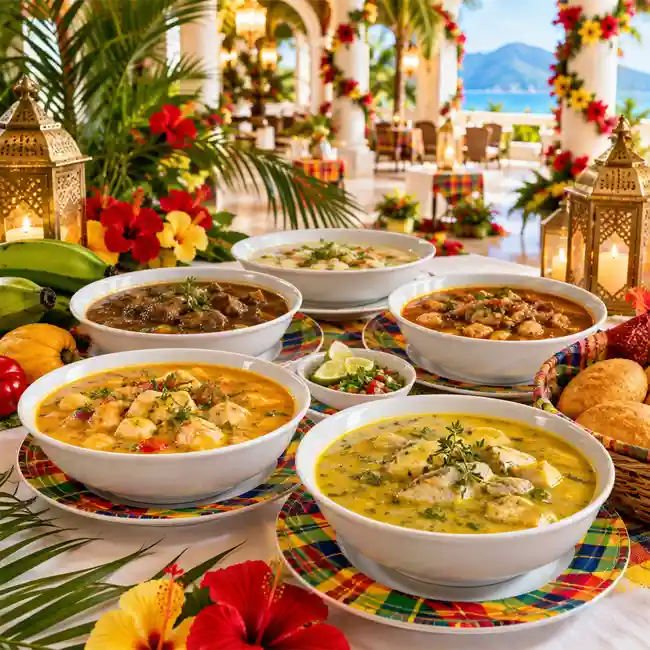
🏖️🍲 Introduction: The Cultural Heritage of Saint Lucia Soups
Picture this: you are standing on a sun-drenched veranda nestled between the dramatic peaks of the Gros Piton and Petit Piton. The warm Caribbean breeze carries the intoxicating scent of freshly picked herbs, sweet allspice berries, roasted garlic, and savory simmering broths. If you think Caribbean food is all about quick beachside snacks or grilled meat, pull up a chair, because we are about to dive into the true beating heart of home-style Lucian cooking.
In Saint Lucia, soup is not an afterthought, an appetizer, or a light starter that you sip politely before the main event. Here, soup is an absolute institution. It is a full-bodied meal, a healing potion, an emotional anchor, and a living chronicle of the island’s rich history. To understand authentic Saint Lucia soups, you have to peel back centuries of intertwined cultures. The island changed hands fourteen times between the British and the French, earning it the nickname "The Helen of the West Indies." Beneath that colonial tug-of-war lies an even deeper, unshakeable foundation built by indigenous Arawak and Kalinago communities, followed by the vibrant heritage of West African traditions.
Every single ladle poured from a Lucian soup pot tells this exact story. You can taste the Kalinago mastery of indigenous cassava and wild pepper seasoning. You feel the profound legacy of West African one-pot cooking techniques, where resilient ground provisions, rich leafy greens, and slow-simmered staples were elevated into royal banquets. You notice the subtle French aromatic finesse through thyme, shallots, and slow-layered roux-like reductions, balanced with hearty British stewing sensibilities.
When you dive into Saint Lucia’s soupy traditions, you are not just tasting food; you are partaking in an island-wide ritual of sustenance, hospitality, and pride. Whether cooked over an open wood-fire coal pot in a countryside village or served in a bustling seaside community, these bubbling bowls represent pure Caribbean comfort food at its most soulful.
🌿 The Art of Saint Lucia Dining Culture & Social Eating
◦ The Sacred Saturday Soup Tradition: Across Saint Lucia, Saturdays belong entirely to the soup pot. No matter what neighborhood you find yourself in, whether walking through the vibrant alleys of Castries or strolling through quiet coastal settlements like Laborie, Saturday midday means one thing: families gathering around an oversized aluminum pot bubbling with hot, restorative broth.
◦ Cooking as a Collective Event: Making soup in Saint Lucia is rarely a solitary affair. Neighbors pop their heads over garden fences, children peel green bananas and scrub earthy dashien roots, and grandparents supervise the aromatics. It is an all-hands-on-deck social rhythm where community stories, laughter, and island news get stirred right into the pot.
◦ The Philosophy of One-Pot Abundance: A proper Lucian soup is designed to nourish an entire household and anyone who happens to drop by unannounced. Hospitality is built into the culinary DNA of the island; no neighbor or traveler ever leaves empty-handed when a Saturday hearth is lit.
◦ Soul Medicine and Natural Restoration: Soups are viewed as powerful tonics throughout the island. A piping-hot bowl of seasoned broth packed with nourishing mountain greens and hearty starches is the undisputed cure-all for rainy-day chills, weary bones, long workweeks, and growing appetites.
◦ The Slow, Unhurried Mealtime: In Lucian dining culture, nobody rushes a bowl of soup. People sit down on open porches, outdoor benches, or family dining tables, taking their time to enjoy every distinct texture—from tender braised meats and delicate ocean catches to chewy flour dumplings and velvety tubers.
🌺 Where Culture Meets Flavor: Iconic Food Tourism Spots
◦ Castries Central Market (Castries): The undisputed epicentre of street-level culinary authenticity on the island. Step beneath the bright orange roof of the historic market into the dedicated prepared-food section, where local vendors simmer massive cauldrons of vibrant callaloo and savory vegetable bouyon. Pulling up a stool here gives you a front-row seat to authentic Creole dining.
◦ Soufrière Waterfront & Town Square (Soufrière): Framed by the UNESCO-listed Pitons, this historic southwestern town serves up coastal broths right alongside jaw-dropping volcanic views. The local eateries surrounding the harbor pride themselves on restorative fish broths made using the daily catch landed right at the nearby docks.
◦ Anse La Raye Coastal Village: Famous across the Caribbean for its deep-rooted fishing heritage, this charming western village is where you will discover marine-inspired broths infused with sweet coconut milk, scotch bonnet peppers, and freshly harvested green plantains.
◦ Gros Islet Heritage Quarter (Northern District): Beyond its lively weekend social scenes, the historic streets of Gros Islet are lined with family-run wooden cookshops. Exploring these avenues during the day reveals master cooks slow-cooking rich vegetable medleys and comforting stews simmered over time-honored charcoal setups.
◦ Dennery & Micoud Countryside Stalls (Atlantic Coast): For an off-the-beaten-path culinary adventure, the rugged Atlantic eastern coastline provides humble roadside kitchens. Here, farmers and home cooks serve deeply earthy soups infused with freshly harvested mountain yams, dasheen bush, and local bay leaf directly to travelers journeying across the island.
🍲 Top Iconic Saint Lucia Soup Specialties
⭐ Lucian Callaloo Soup: Regarded as a cornerstone of Caribbean comfort, this emerald-green masterpiece is crafted from the tender young leaves of the dasheen plant (taro). It is gently simmered with aromatic shallots, garlic, thyme, and rich fresh coconut milk. The result is a smooth, velvety, deeply nutritious broth often loaded with tender land crab, salted beef, or hearty local root vegetables.
⭐ Lucian Bouyon (The Ultimate Saturday Meal): Bouyon is less of a standard soup and more of a celebration in a bowl. It is a thick, rich, rustic one-pot dish packed to the brim with assorted ground provisions, fresh plantains, split peas or red beans, vegetables, and seasoned meats or poultry, all tied together by chewy, hand-rolled flour dumplings that soak up the savory sauce.
⭐ Fish Broth (Lucian Court-Bouillon Style): A lighter yet intensely aromatic seaside classic. Fresh snapper, kingfish, or mahi-mahi is gently poached in a clear, zesty broth seasoned heavily with lime juice, fresh culantro, garlic, green seasoning, scotch bonnet pepper, and tender slivers of green fig (unripe banana). It is renowned island-wide for its clean, invigorating, and energizing qualities.
⭐ Split Pea and Smoked Meat Soup: A comforting, golden-hued classic that highlights the island's love for slow-simmered legumes. Dried yellow split peas break down over low heat until they create a naturally thick, creamy canvas, which is then layered with savory smoked turkey, cured pork, carrots, sweet potatoes, and petite dumplings.
⭐ Green Fig and Saltfish Chowder: While green fig (green cooking banana) and saltfish is officially Saint Lucia’s national dish when served dry, local cooks frequently transform this iconic pairing into a heavenly chowder-like soup. The tender green bananas provide an earthy, potato-like body that balances the savory, well-seasoned flaked salt cod and velvety herb-coconut base.
⭐ Pumpkin and Mountain Herb Soup: Grown in the mineral-rich volcanic soil of the island, Caribbean calabaza squash yields a deeply sweet, vibrant orange base. When simmered down with fresh coconut cream, island bay leaf, and crushed pimento, it turns into an irresistible, silky soup that warms you from the inside out.
⭐ Cow Heel & Provision Soup: A beloved, deeply traditional weekend restorative dish favored by generations of market vendors and hardworking islanders. Slow-cooked over hours until pure gelatinous perfection, this hearty specialty is swimming with yellow yams, sweet corn, dumplings, and warming island spices.
🌶️ Flavor Profile: What Makes Saint Lucia Soups Unique?
◦ The Herbaceous Green Seasoning Backbone: At the core of every Lucian pot lies "green seasoning"—a fresh, vibrant blend of scallions (chives), garlic, celery, broad-leaf thyme, and culantro (locally called shadow benny). This herbaceous foundation gives the broths an instantly recognizable, garden-fresh brightness.
◦ Velvety Coconut Creaminess: Unlike European broths that rely on heavy butter or wheat flours for thickening, Lucian soups frequently utilize freshly pressed, grated coconut milk. It brings a subtle natural sweetness, silky mouthfeel, and tropical richness that rounds out savory spices.
◦ Volcanic Earthiness from Ground Provisions: The roots and tubers grown in Saint Lucia's fertile volcanic earth—such as dasheen, tannia, sweet potato, and yams—impart a comforting, mineral-rich earthiness and provide natural starch that gently thickens the broth as it simmers.
◦ Warm Spicing Over Sharp Burn: While the fiery scotch bonnet pepper is an essential ingredient, traditional cooks often float the whole pepper gently in the pot rather than bursting it, infusing the broth with incredible floral perfume and fruity aroma while keeping the heat pleasantly rounded. This is paired with sweet, warm woodsy notes from freshly grated nutmeg, local allspice berries (pimento), and native bay leaves.
◦ Tender Savory-Salted Counterpoints: The historical use of cured, salted, and smoked ingredients provides a savory depth (umami) that effortlessly balances sweet coconut, starchy roots, and fresh citrus finishes.
🔪 Essential Ingredients & Traditional Cooking Techniques
🌿 Signature Spices & Local Ingredients
◦ Dasheen Leaves (Callaloo Bush): The heart of green soups across the island. These large, spade-shaped leaves must be cooked thoroughly, breaking down into a silky, spinach-like texture that infuses broths with concentrated earthy vitality.
◦ Island Ground Provisions: The collective local term for nourishing underground root crops, including dasheen (taro root), purple and white yams, tannia, sweet cassava (manioc), and local red-skinned sweet potatoes.
◦ Green Figs (Unripe Green Bananas): A staple carbohydrate across Saint Lucia. When simmered in broths, unripe green bananas retain a firm, starchy consistency similar to new potatoes while absorbing surrounding aromatic broths like a sponge.
◦ Shadow Benny (Culantro): A jagged, long-leafed herb that shares a flavor profile with standard cilantro but packs ten times the aromatic punch, remaining bright and punchy even after hours of gentle simmering.
◦ Calabaza Pumpkin: A round, deeply pigmented Caribbean winter squash that cooks down into a velvety puree, giving island soups their signature golden glow and gentle, natural sweetness.
◦ Pimento Berries (Allspice) & Fresh Nutmeg: Freshly plucked spices that impart fragrant, warming undertones reminiscent of cinnamon, clove, and pepper, elevating humble broths into multidimensional culinary works of art.
◦ Spinners & Sinkers (Hand-Rolled Dumplings): Simple dough made from flour, a touch of water, and salt, pinched off and rolled between the palms into tapered, finger-length shapes that cook directly inside the bubbling soup pot.
🍳 Time-Honored Cooking Methods
◦ The Coal Pot Hearth: Long before modern gas and induction stoves arrived on the island, Saint Lucian cooking was defined by the coal pot—a sturdy ceramic or heavy cast-iron charcoal burner. Simmering a pot over glowing hardwood coals imparts a subtle, irreplaceable woodsmoke aroma to the ingredients.
◦ Pounding and Pureeing by Hand: In traditional kitchens, tools like the wooden swizzle stick (a natural branched whisk) are vigorously spun between the palms to break down tender dasheen leaves and pumpkin chunks into seamless broths without ever relying on an electric blender.
◦ Layered Long-Simmering: A proper Lucian soup is never boiled rapidly. Ingredients are introduced in distinct, carefully timed waves: aromatics and proteins first, dense ground provisions second, delicate green vegetables third, and dumplings toward the very end so that each component achieves its ideal texture.
◦ Floating the Hot Pepper: A time-honored grandmother's technique where a whole, unblemished scotch bonnet pepper is placed gently on top of the simmering liquid. The steam extracts the vibrant floral aroma and subtle warmth from the pepper’s skin; should the skin break, the heat escalates, so monitoring the pot requires care and respect.
◦ Resting the Pot: Local cooks know that soup always tastes significantly better after it has sat off the fire for half an hour. This crucial rest period allows the natural root starches to settle, the broth to thicken to its signature consistency, and every aromatic herb to marry completely.
🌊❓ Frequently Asked Questions (FAQ)
Q1: What makes Saint Lucia Bouyon different from a standard soup?
Bouyon is much thicker and heartier than a regular clear broth or lightweight vegetable soup. In Saint Lucian culinary culture, bouyon is considered an all-in-one meal that features an abundance of dense ground provisions, whole green plantains, dried peas or beans, meat, and signature hand-rolled flour dumplings. It has a hearty, stew-like consistency that is specifically meant to fuel a full day of activity.
Q2: Is Saint Lucia Callaloo soup naturally vegetarian?
The foundation of authentic Lucian callaloo—consisting of tender dasheen leaves, coconut milk, garlic, thyme, and green seasonings—is completely plant-based. However, traditional home cooks and street vendors frequently add land crab, salted beef, or smoked meats for added depth of flavor. If you are seeking a plant-based version, many local market stalls and Rastafarian-inspired Ital kitchens happily prepare entirely meat-free callaloo that relies purely on root vegetables and rich coconut cream.
Q3: Why is soup in Saint Lucia primarily eaten on Saturdays?
The Saturday soup tradition is a cultural staple found across Saint Lucia and neighboring Caribbean islands. Historically, Saturday was market day and preparation day before Sunday church services. Families returned from harvesting crops or selling goods at community markets with an abundance of fresh root vegetables and greens. Simmering a giant, communal one-pot soup allowed households to feed extended family effortlessly while keeping the kitchen warm and welcoming all day long.
Q4: What are "ground provisions" in Lucian soup recipes?
"Ground provisions" is the traditional Caribbean term used to describe traditional root vegetables that grow beneath the soil. In Saint Lucia, this primarily refers to dasheen (taro), yams, cassava, tannia, and sweet potatoes. These crops serve as the primary starchy foundation for everyday meals, providing comforting texture, volcanic earthiness, and natural thickening power to traditional soups and broths.
🏅 Culinary Heritage & Credit to Saint Lucia Traditions
You cannot truly appreciate a piping-hot bowl of Saint Lucian soup without honoring the generations of islanders who preserved, perfected, and passed down these cherished culinary traditions. The food culture of Saint Lucia is a testament to resilience, resourcefulness, and deep community solidarity.
During the harsh eras of colonial plantation economies, African ancestors took humble garden provisions, wild-growing leaves, and simple kitchen scraps, applying brilliant ancestral techniques to transform them into deeply flavorful, nutrient-dense masterpieces. Indigenous Kalinago knowledge of cassava cultivation, native herbs, and natural land stewardship provided the vital blueprint that enabled families to live in harmony with the island's lush landscape.
Today, this heritage remains vibrant and thriving thanks to the dedicated market women of Castries, the coastal fishermen hauling handwoven nets along Anse La Raye, the hardworking farmers cultivating fertile volcanic soils along the Pitons, and every home cook who proudly lights up a coal pot on a Saturday morning.
Every bowl of soup served on this magnificent island carries the warmth of its people, the richness of its soil, and an unbroken lineage of love ladled straight from the heart of the Caribbean. When you travel to Saint Lucia, step outside the resort walls, follow the aromatic trail of woodsmoke and green seasonings, pull up a chair among the locals, and taste the true soul of the island.
🍲 The Ultimate 30-Minute Saint Lucia Island Soup Experience
👉 Perfect Iconic Saint Lucian Soups
| 🌐 🍲 < Back | 🇱🇨 🍷 < Previous | Next > 🥗 🇱🇨 |