
🏠 Home > 🗺️ Recipes > 🍨 Desserts > 🇸🇬 Singapore Desserts > 🍨 1.Cloud-Like Pandan Chiffon Cake , 2.Creamy Bubur Cha Cha (A colorful coconut milk medley) , 3.Refreshing Mango Sago with Pomelo (The ultimate tropical cooler)
🍨 Feeding the Crowd: Iconic Singaporean Sweets on a Shoestring Budget
Published by Supakorn | Updated: February 2026
🇸🇬 🥧Introduction: The Sweet Side of the Lion City🏙️⛈️
Hey there, fellow dessert lover! If you’ve ever found yourself in charge of bringing a treat to a big family gathering, a potluck, or a neighborhood party, you know the struggle is real. You want something that tastes exotic and looks impressive, but you also don't want to spend your entire weekend’s grocery budget on a single tray of sweets. Well, you’ve come to the right place!
Singapore is famous for its vibrant street food, and its desserts—collectively known as "sweets" or "tongsui" (sweet soup)—are absolute game-changers. The best part? Many of these iconic treats rely on humble, affordable ingredients like coconut milk, sweet potatoes, and flour. In this guide, I’m going to share three legendary recipes that are beloved in Singapore and gaining massive popularity worldwide for their unique flavors and Instagram-worthy colors.
We are going to dive into:
🥇 • Recipe 1; Cloud-Like Pandan Chiffon Cake
🥈 • Recipe 2; Creamy Bubur Cha Cha (A colorful coconut milk medley)
🥉 • Recipe 3; Refreshing Mango Sago with Pomelo (The ultimate tropical cooler)
Get your apron ready, because we’re about to prove that feeding a large group can be both cheap and absolutely delicious!
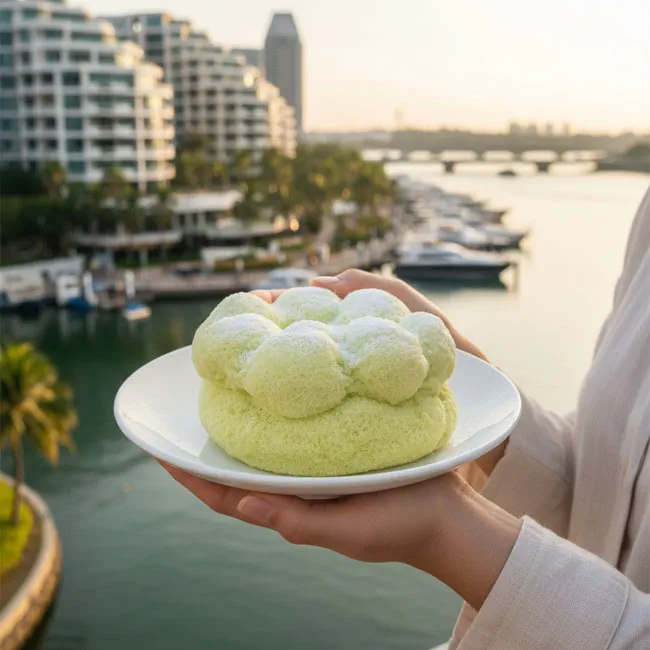
🍰 Recipe 1: Aromatic Pandan Chiffon Cake (The "National Cake" of Singapore)
🍰 About this Recipe
Often called the "National Cake" of Singapore, the Pandan Chiffon Cake is a vibrant green, airy, and incredibly fragrant sponge cake. It’s famous for its unique smell—a mix of vanilla and grassy nuts—thanks to the Pandan leaf (often called the "Vanilla of the East"). This cake is perfect for large groups because it is light enough that everyone can have a slice (or two) without feeling weighed down. Plus, it’s naturally dairy-free since it uses coconut milk instead of butter!
🍰 Ingredients & Measurements
The Dry Mix:
• Cake flour (sifted): 200 grams
• Baking powder: 1.5 teaspoons
• Fine caster sugar: 100 grams
• Salt: 1/2 teaspoon
The Wet Mix:
• Egg yolks (from large eggs): 6 units
• Pandan juice (blended leaves with water): 4 tablespoons
• Coconut milk (full fat): 120 milliliters
• Vegetable oil or Canola oil: 100 milliliters
• Pandan extract: 1 teaspoon
The Meringue:
• Egg whites: 7 units
• Cream of tartar: 1/2 teaspoon
• Fine caster sugar: 80 grams
🍰 Step-by-Step Instructions
1.Prep the Pandan: If using fresh leaves, blend 10-12 leaves with a tiny bit of water and strain to get your juice. If you can’t find leaves, a high-quality extract works too!
2.Mix the Base: In a large bowl, whisk the egg yolks with 100g of sugar. Add the coconut milk, oil, and pandan juice. Gradually fold in the sifted cake flour, salt, and baking powder until smooth.
3.Whisk the Meringue: In a separate, squeaky-clean bowl, beat the egg whites and cream of tartar until foamy. Gradually add the 80g of sugar while beating until you reach "stiff peaks" (the foam should stand up straight when you lift the whisk).
4.The Gentle Fold: This is the most important part. Gently fold the egg white meringue into the green yolk batter in three batches. Use a spatula and a "cut and fold" motion so you don't deflate the air bubbles.
5.Bake: Pour the batter into an ungreased 25cm tube pan (chiffon pan). Bake in a preheated oven at 338 degrees Fahrenheit / 170 degrees Celsius Celsius for 45 to 55 minutes.
6.The Gravity Trick: Once out of the oven, immediately flip the pan upside down and let it cool completely in this position. This prevents the delicate cake from collapsing.
🍰 Tips & Mistakes to Avoid
• Never Grease the Pan: Unlike other cakes, a chiffon cake needs to "climb" the walls of the pan to rise. If you grease it, the batter will slide down and stay flat.
• Squeaky Clean Bowl: Any trace of oil or egg yolk in your egg whites will prevent them from fluffing up. Wipe your bowl with a little lemon juice before starting.
• Cooling Upside Down: Don't skip the inversion! If you leave it right-side up while cooling, the weight of the cake will crush its own air bubbles.
• Fresh vs. Extract: While fresh pandan is best, don't use too much extract or it might taste medicinal. Balance is key.
🍰 FAQ
Q1.Why did my cake crack on top?
A few cracks are actually normal for chiffon cakes! It shows a good rise.
Q2.Can I make this as cupcakes for a party?
Yes! Just reduce the baking time to about 15–20 minutes.
Q3.Where do I find Pandan leaves?
Check the frozen section of your local Asian grocery store if fresh ones aren't available.
🍰 Summary
This Pandan Chiffon Cake is a showstopper. It’s cheap because eggs and flour are the main costs, but the exotic aroma makes it feel like a luxury treat from a high-end Singaporean bakery.
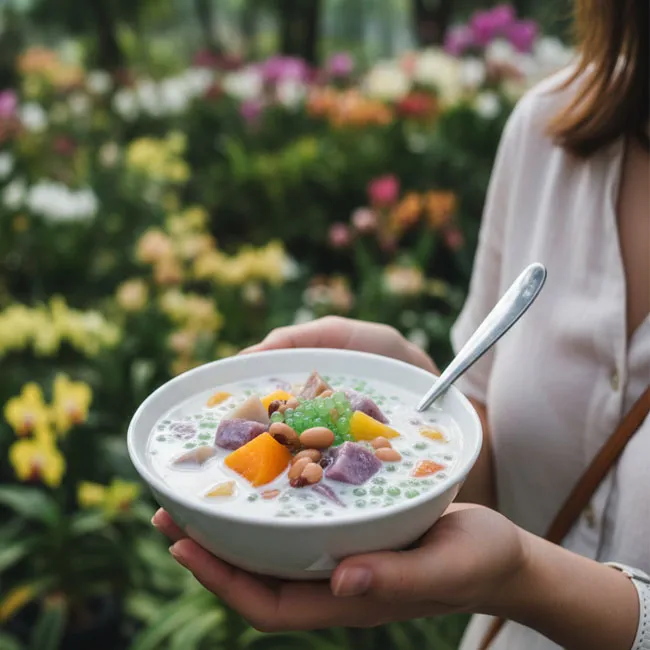
🥣 Recipe 2: Bubur Cha Cha (Sweet Coconut Medley)
🥣 About this Recipe
Bubur Cha Cha is the ultimate "comfort in a bowl." It’s a colorful, warm (or cold) dessert soup made with sweet potatoes, taro, and chewy tapioca jelly pearls. It is incredibly popular for large groups because you can make a massive pot of it for just a few dollars. It’s vibrant, naturally vegan, and gluten-free, making it a safe and inclusive choice for any party.
🥣 Ingredients & Measurements
The Root Vegetables:
• Orange sweet potato (cubed): 300 grams
• Purple sweet potato (cubed): 300 grams
• Taro or Yam (cubed): 300 grams
The Tapioca Jelly (Homemade):
• Tapioca flour: 100 grams
• Boiling water: 60 to 70 milliliters
• Food coloring (Pink or Green): 2 drops
The Sweet Soup Base:
• Thick coconut milk: 500 milliliters
• Water: 1 liter
• Pandan leaves (tied in a knot): 3 leaves
• Rock sugar (or white sugar): 150 grams
• Salt: 1/4 teaspoon (to bring out the sweetness)
🥣 Step-by-Step Instructions
1.Steam the Roots: Steam the cubed sweet potatoes and taro separately until they are fork-tender but not mushy. Steaming them separately prevents the purple potato from staining the others.
2.Make the Jelly: Mix the tapioca flour with boiling water and food coloring. Knead until a dough forms. Roll it out and cut into small cubes or diamonds. Boil these in water until they become translucent, then dunk them in cold water.
3.Prepare the Soup Base: In a large pot, combine the 1 liter of water, pandan leaves, and sugar. Bring to a boil until the sugar dissolves.
4.Combine: Lower the heat and stir in the coconut milk and salt. Do not let it boil vigorously now, or the coconut milk might separate.
5.Final Mix: Add the steamed root vegetables and the cooked tapioca jelly into the pot. Let it simmer gently for 5 minutes so the flavors meld.
6.Serve: You can serve this warm for a cozy vibe or chilled with crushed ice for a summer party.
🥣 Tips & Mistakes to Avoid
• Don't Overcook the Roots: If you boil the potatoes directly in the soup for too long, they will disintegrate and make the soup cloudy. Steaming first is the secret!
• Use Boiling Water for Jelly: If the water isn't boiling when you mix it with tapioca flour, you'll end up with a sticky mess instead of a dough.
• Rock Sugar vs. Granulated: Rock sugar gives a "cleaner," more mellow sweetness that is traditional for Singaporean desserts.
• Salt is Vital: A pinch of salt in coconut-based desserts is essential to balance the richness.
🥣 FAQ
Q1.Can I use canned sweet potatoes?
It’s not recommended as they are usually too soft and packed in syrup. Fresh is much cheaper and better!
Q2.How long does it last?
It’s best eaten fresh, but you can store it in the fridge for up to 2 days. The coconut milk may thicken, so just add a splash of water when reheating.
🥣 Summary
Bubur Cha Cha is a festival in a bowl. It’s a great way to feed 10-15 people on a very low budget while providing a dessert that is both filling and beautiful to look at.
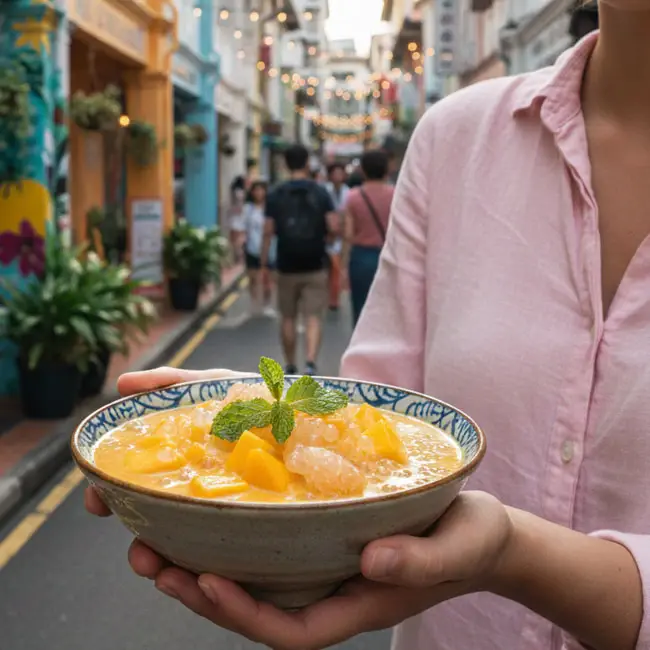
🥭 Recipe 3: Refreshing Mango Sago with Pomelo
🥭 About this Recipe
If you want a dessert that feels like a tropical vacation, Mango Sago is it. Originating from Hong Kong but adopted as a staple in Singaporean dessert cafes, this treat consists of a creamy mango puree mixed with tiny, translucent sago pearls and topped with juicy pomelo bits. It’s light, zesty, and incredibly refreshing—perfect for clearing the palate after a heavy meal.
🥭 Ingredients & Measurements
The Mango Base:
• Ripe mangoes (chopped): 4 large units
• Evaporated milk: 200 milliliters
• Simple syrup (water and sugar): 1/2 cup
The Textures:
• Small sago pearls (tapioca pearls): 150 grams
• Pomelo (pulped/broken into small bits): 1 cup
• Extra mango (diced for topping): 1 cup
The Liquid:
• Water (for boiling sago): 1.5 liters
🥭 Step-by-Step Instructions
1.Cook the Sago: Bring a large pot of water to a boil. Add the sago pearls. Boil for 10 minutes, then turn off the heat, cover the pot, and let them sit for another 10 minutes until they are completely clear. Rinse them under cold water to remove excess starch.
2.Make the Puree: Take the 4 large chopped mangoes and blend them with the evaporated milk and simple syrup until silky smooth.
3.The Chill Factor: Place the mango puree and the cooked sago in the fridge for at least 2 hours. This dessert must be served ice-cold!
4.Assembly: In a large punch bowl or individual cups, mix the chilled mango puree with the sago pearls.
5.The Topping: Just before serving, stir in the pomelo pulp and the extra diced mango. The pomelo adds a wonderful bitter-sweet pop that balances the creamy mango.
🥭 Tips & Mistakes to Avoid
• Choosing Mangoes: Use very ripe, fragrant mangoes (like Honey Mangoes). If the mangoes are sour, the dessert won't taste right.
• The Sago Secret: Don't overcook the sago into a mush. The 10-minute boil and 10-minute soak method ensures they stay bouncy "pearls."
• Don't Skip the Pomelo: If you can’t find pomelo, you can substitute it with grapefruit, though pomelo is preferred for its milder flavor.
• Rinse the Sago: If you don't rinse the sago thoroughly after boiling, the starch will turn your mango soup into a thick paste.
🥭 FAQ
Q1.Can I make this vegan?
Yes! Swap the evaporated milk for coconut milk or a creamy oat milk.
Q2.Is sago the same as boba?
No, sago is much smaller and has a softer, more delicate chew compared to the large, rubbery pearls found in bubble tea.
🥭 Summary
Mango Sago is the ultimate crowd-pleaser for those who love fruit-based sweets. It’s elegant enough for a wedding but simple enough for a backyard BBQ, and using seasonal mangoes keeps the cost very low.
🏁 Final Thoughts: Your Budget Sweet Feast
Recreating the flavors of Singapore doesn't require a professional pastry degree or a massive budget. As we’ve seen, with just some flour, eggs, root vegetables, and tropical fruits, you can create a spread that will have your guests asking for seconds (and the recipe!).
The beauty of these three desserts is that they offer something for everyone: the Pandan Chiffon Cake for the cake lovers, the Bubur Cha Cha for those who love warm, hearty sweets, and the Mango Sago for those who want something cool and fruity.
The best advice I can give you is to try making these recipes one at a time. Get a feel for how pandan smells, or how sago behaves when boiled. Once you master these basics, you’ll be the go-to "dessert expert" for every large gathering you attend! Don't forget to share your photos and tell me which one was the favorite at your party.
| 🇸🇬 🍨 < Back |