
🏠 Home > 🗺️ Recipes > 🍝 Main Dishes > 🇸🇬 Singapore Main Dishes
🇸🇬 🍝 Singapore Main Dishes Recipes
Published by Supakorn | Updated: February 2026
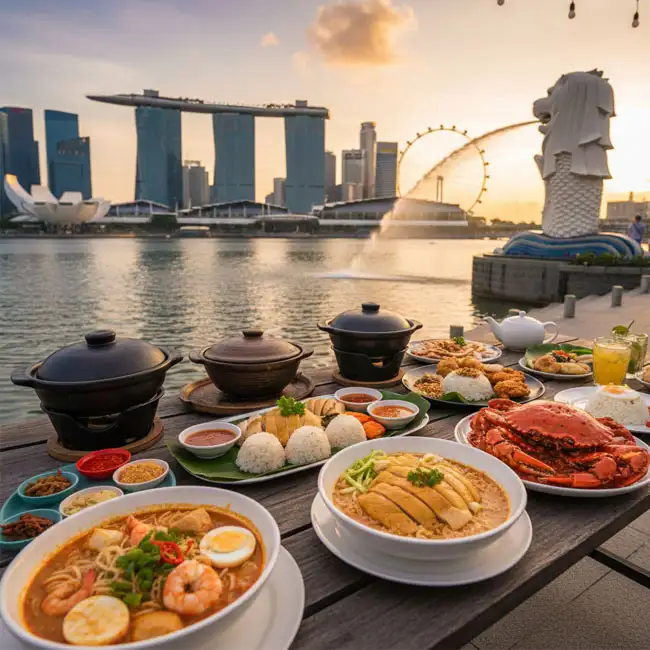
Singapore is small on the map but absolutely massive when it comes to food. If you ask locals what defines life here, many will joke that it’s not the skyline or the shopping malls—it’s deciding what to eat next. Food isn’t just fuel in Singapore; it’s culture, identity, memory, and daily conversation rolled into one.
This guide focuses on Singapore main dishes, not recipes, but the heart and soul behind them: where they come from, why people love them, and how they fit into everyday life. Think of this as a friendly walk through hawker centres, coffee shops, and family dining tables—no rush, just good food stories.
We’ll talk about iconic dishes, how Singaporeans eat, and what makes these meals feel so uniquely local. No fancy fine dining here—just real food that people eat every day.
🍜 A Quick Look at Singapore Food Culture
Singapore’s main dishes exist because of one powerful idea: mixing cultures without losing identity. Chinese, Malay, Indian, Peranakan, and Western influences live side by side, sometimes even on the same plate.
Food in Singapore is:
• Affordable and accessible – great meals don’t need white tablecloths
• Community-driven – people eat together, often in public spaces
• Comfort-focused – flavors that feel familiar and satisfying
Most main dishes are enjoyed at hawker centres, which are open-air food complexes where dozens of stalls specialize in just one or two dishes. You don’t go to a hawker stall for variety—you go because that stall has perfected one thing.
🍚 The Role of Rice and Noodles in Daily Meals
Rice and noodles are the backbone of Singapore main dishes. A meal often feels incomplete without one of them.
Rice dishes are filling, comforting, and practical. Noodles, on the other hand, reflect speed, flexibility, and creativity. Both show up everywhere—from breakfast to late-night suppers.
Singaporeans don’t usually think in terms of “breakfast food” or “dinner food.” Many main dishes can be eaten any time of day, depending on mood and convenience.
🐔 Hainanese Chicken Rice – The National Favorite
Hainanese Chicken Rice isn’t flashy, but that’s exactly why it works. At its core, it’s poached chicken served with fragrant rice, accompanied by simple sauces.
What makes it special isn’t complexity—it’s balance. The chicken is tender, the rice is rich with aroma, and everything feels clean and comforting.
Locals debate endlessly about:
• Which stall has the best rice
• Whether steamed or roasted chicken is superior
• How important the chili sauce really is
Chicken rice is eaten at all times of day and appeals to everyone—from kids to grandparents. It’s often the first Singapore dish people recommend to visitors, and for good reason.
🍜 Laksa – Comfort in a Bowl
Laksa represents Singapore’s love for bold flavors without being overwhelming. This noodle-based main dish is known for its creamy, spicy broth and comforting warmth.
There are different styles, but in Singapore, laksa often features:
• Thick rice noodles
• Rich, aromatic soup
• A balance of savory and gentle heat
Laksa is especially popular on rainy days or when people crave something satisfying and nostalgic. Many locals associate it with childhood meals and weekend outings.
🍖 Char Kway Teow – Street Food Energy
Char Kway Teow is loud food—rich, smoky, and unapologetic. It’s a noodle dish cooked over high heat, giving it a distinct aroma that fills hawker centres.
This dish reflects Singapore’s working-class food roots. It was designed to be filling, affordable, and energizing.
People love it because:
• It feels indulgent
• Each stall has a unique style
• It’s deeply satisfying without being fancy
Char Kway Teow is often eaten as a main meal in the evening, especially after a long workday.
🍛 Nasi Lemak – A Meal That Feels Like Home
Nasi Lemak is often described as comfort food, and that description fits perfectly. It’s a complete meal built around fragrant rice and thoughtfully paired side items.
In Singapore, nasi lemak appears everywhere—from hawker stalls to casual eateries—and each version feels slightly different.
What makes it special is how adaptable it is. Some versions are simple and nostalgic, others more modern, but all aim to feel warm and satisfying.
Many locals consider nasi lemak a “safe choice”—a dish you order when you want something familiar and reliable.
🍜 Bak Chor Mee – Personal and Customizable
Bak Chor Mee is a noodle dish that feels incredibly personal. People often have a very specific way they like it prepared.
The appeal lies in its flexibility:
• Soup or dry
• Different noodle thicknesses
• Adjusted seasoning levels
This dish is common for breakfast or lunch, especially among office workers. It’s fast, filling, and deeply rooted in everyday routines.
🥘 Curry Rice – Simple but Deeply Satisfying
Singapore-style curry rice is about practicality. It’s hearty, affordable, and built for people who want a quick, comforting meal.
Unlike more elaborate curry dishes, curry rice focuses on:
• Generous portions
• Strong, familiar flavors
• Efficiency
It’s often eaten during lunch breaks and is popular among workers who need a filling meal that doesn’t slow them down.
🍜 Wanton Mee – Everyday Classic
Wanton Mee is one of those dishes Singaporeans grow up eating without thinking much about it—until they realize how much they miss it when it’s not around.
This noodle dish is light yet satisfying, making it perfect for regular meals. It’s often eaten at coffee shops and hawker centres as a go-to option.
People appreciate it for its:
• Clean flavors
• Consistent quality
• Comforting familiarity
🏠 How Singaporeans Actually Eat These Dishes
Eating in Singapore is rarely a long, formal affair. Most meals are:
• Quick
• Social
• Practical
People often eat together but order separately. It’s common for a table to have several different main dishes, each chosen individually.
Hawker centres act as community spaces. Families, office workers, students, and retirees all share the same tables, creating a unique food-centered social environment.
🕒 Main Dishes Throughout the Day
Singapore main dishes don’t follow strict schedules:
• Morning: light noodle dishes or rice meals
• Afternoon: hearty lunches at hawker centres
• Evening: comfort-focused meals
• Late night: simple, familiar favorites
Food availability shapes eating habits more than tradition. If it’s open and smells good, it’s probably acceptable to eat.
🌏 Why Singapore Main Dishes Feel So Unique
What truly sets Singapore main dishes apart is not just flavor—it’s context. These meals are tied to daily life, shared spaces, and generations of habit.
They are:
• Affordable without feeling cheap
• Simple but thoughtfully prepared
• Rooted in tradition yet constantly evolving
Singapore cuisine doesn’t try to impress—it aims to satisfy. And that’s exactly why people fall in love with it.
❓ FAQ – Singapore Main Dishes
Q1. What is the most popular main dish in Singapore?
Hainanese Chicken Rice is often considered the most iconic and widely loved main dish among locals.
Q2. Are Singapore main dishes usually spicy?
Some are, but many focus more on balance and comfort rather than intense heat.
Q3. Where do locals usually eat main dishes?
Most locals eat at hawker centres, coffee shops, or casual neighborhood eateries.
Q4. Can Singapore main dishes be eaten any time of day?
Yes, many dishes are enjoyed from morning until late at night without strict rules.
🍝 Affordable Singapore Main Dishes Families Can Enjoy Under $10
👉 Make 3 Under $10 Singapore Main Dishes
| 🌐 🍝 < Back | 🇸🇬 🥪 < Previous | Next > 🍨 🇸🇬 |