
🏠 Home > 🗺️ Recipes > 🧊🥩 Ice Age Ancestral Feast (Paleo Food) > ☀️ The Great Rift Valley (East Africa): Ice Age Ancestral Feast (Paleo Food) Recipes > 🧊🥩 1.Paleolithic Rift Valley Flame-Seared Zebra Roast
🧊🥩 Unlocking the 200,000-Year Rift Valley Fire Roast
Published by Supakorn | Updated: November 2026
Welcome to my campfire, my friend! Pull up a rock, kick off those modern sneakers, and warm your hands by the embers. Today, we are going on a wild culinary adventure way back in time. We are traveling back roughly 200,000 years to the sun-drenched plains and volcanic soil of the Great Rift Valley in East Africa.
Long before air fryers, non-stick pans, or instant spice packets existed, our early Homo sapiens ancestors were figuring out one of the greatest survival hacks in human history: cooking raw wild meat over an open flame. There is something intensely primal and comforting about the smell of sizzling fat, crushed wild herbs, and wood smoke. It is literally coded into our DNA! In this comprehensive guide, we are going to explore how our ancestors feasted and bring those ancient flavours straight into your modern kitchen—without requiring you to hunt down a wild beast yourself. Let’s dive into the ultimate prehistoric culinary journey!
🐘🦴 Prehistoric Ancestral Palate: Middle Paleolithic Era (c. 200,000 Years Ago)
When we think about ancient human history, it’s easy to picture cold caves and shivering hunters. But 200,000 years ago during the Middle Paleolithic era, East Africa was a thriving, dynamic ecosystem full of sweeping grasslands, rich lakes, and immense wildlife herds. Our early human cousins didn't just eat to survive; they learned how to thrive by mastering fire and understanding every single plant and animal in their environment.
❄️ The Pleistocene Chronicles: 30,000 - 300,000 Years of Glacial Survival
Imagine standing at the edge of a massive savanna cliff as the late afternoon sun paints the horizon in brilliant shades of amber and deep crimson. A cool, crisp wind sweeps down from distant glacial peaks, carrying the sharp scent of dry grass, wood smoke, and crushed wild resin. Down below, massive herds of zebra and ancient wild ungulates graze peacefully near bubbling freshwater streams.
Inside the shelter of a limestone overhang, charcoal embers glow bright orange against the darkening twilight. The sound of stone cracking against bone echoes softly, followed by the intoxicating aroma of rendering animal fat dripping directly onto hot volcanic rocks. This wasn't just a meal; it was a celebrated victory after a hard days forage and hunt. It kept the tribe warm, united, and alive through harsh climates and challenging seasons.
🩸 The Primeval Legacy of Human Survival
Our ancestors survived because they possessed an unmatched instinct for nourishment. They understood that food was pure power. Eating wild game packed with nutrient-dense bone marrow, rich fats, and natural salts expanded our brain capacity and strengthened our bodies. There were no artificial preservatives, refined sugars, or processed seed oils—just pure, unadulterated nourishment straight from mother earth. When you taste food cooked over natural fire, you are connecting with that raw, instinctual bloodline of human resilience.
🔥 The Paleolithic Resurrection
For thousands of centuries, these ancient culinary techniques lay dormant, sealed beneath layers of volcanic ash, river silt, and ancient soil. But today, we are resurrecting those lost primal secrets! By combining raw, untamed ancestral methods with accessible modern ingredients, we can recreate the deep, savory, smoky richness of a authentic Middle Paleolithic fire roast right in our own backyards.
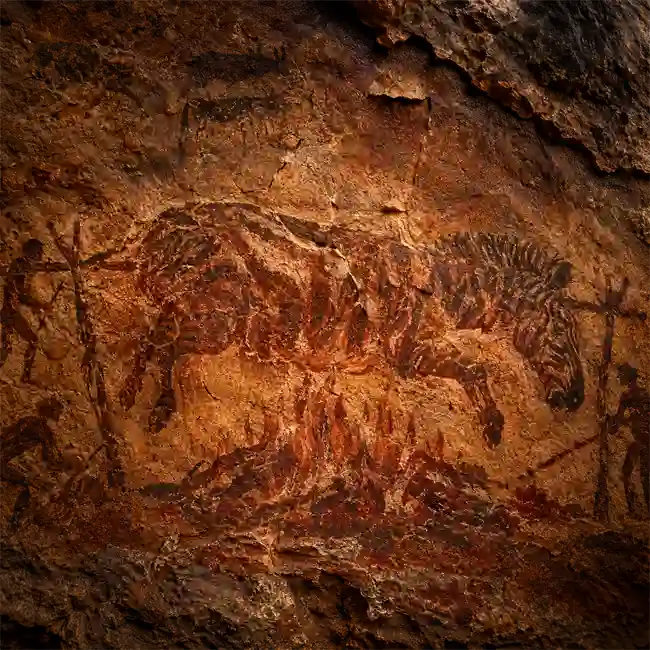
🍖 Recipe: Paleolithic Rift Valley Flame-Seared Zebra Roast
Get ready for an extraordinary dining experience! This dish captures the bold, hearty, and aromatic essence of ancient African fire cooking while ensuring every bite is tender, juicy, and packed with rustic flavour.
🎨 Echoes from the Glacial Ice
Deep inside ancient rock shelters along the Great Rift Valley, archaeologists have uncovered charred bone fragments, scorched hearth stones, and primitive stone scrapers stained with fat residues dating back 200,000 years. These physical relics are like ancient recipe books carved into the earth! They tell us that early human tribes gathered around central hearths, sharing prime cuts of wild game, seasoning them with aromatic roots and wild berries, and celebrating the spirit of the hunt.
🌿 Wild Foraged Essentials & The Hunter’s Pantry
✦ The Primitive Staples:
In the ancient Rift Valley, a hunter-gatherer's feast relied on whatever the land generously provided: lean, iron-rich game meat, creamy bone marrow, earthy tubers dug from riverbanks, crushed juniper-like berries, wild garlic, and mineral-rich rock salt harvested from dry lakebeds.
✦ Modern Kitchen Substitutes:
Don't worry, you don't need access to wild African game reserves to make this dish! Here is how you can easily swap ancient wild ingredients with high-quality items from your local butcher or supermarket:
• Wild Zebra / Mammoth Meat: Swap with lean grass-fed bison roast, venison leg roast, or a high-quality grass-fed beef rump roast.
• Rendered Wild Animal Fat: Swap with grass-fed beef tallow, duck fat, or clarified butter (ghee).
• Crushed Wild Berries: Swap with fresh or dried juniper berries combined with crushed tart blackberries or elderberries.
• Crushed Wild Roots: Swap with fresh garlic cloves, crushed shallots, and fresh horseradish or ginger root.
• Crushed Riverbed Herbs: Swap with fresh rosemary sprigs, wild thyme, and crushed coriander seeds.
✦ Paleolithic Proportions:
Here is your complete, exact ingredient list for a feast that serves 4 to 6 hungry modern hunters:
• Grass-fed beef rump roast, bison roast, or venison roast: 1.5 kilograms (approx. 3.3 lbs)
• Beef marrow bones (pipe cut): 4 pieces (about 500 grams total)
• Grass-fed beef tallow or duck fat: 4 tablespoons
• Coarse unrefined sea salt or pink Himalayan salt: 1.5 tablespoons
• Whole juniper berries (crushed): 1 tablespoon
• Fresh rosemary leaves (finely chopped): 2 tablespoons
• Fresh thyme leaves (finely chopped): 1.5 tablespoons
• Garlic cloves (peeled and smashed): 6 cloves
• Black peppercorns (coarsely cracked): 1 tablespoon
• Tart blackberries or wild blueberries (lightly mashed): 1/2 cup
🔥 The Primitive Culinary Ritual
1.Preparing the Ancestral Rub: In a stone mortar and pestle (or on a sturdy wooden cutting board using the side of a heavy chef's knife), grind together the crushed juniper berries, cracked black peppercorns, coarse sea salt, chopped rosemary, thyme, and smashed garlic until a coarse, aromatic paste forms.
2.Marinating the Meat: Rub the grass-fed beef tallow or duck fat all over your meat roast. Next, thoroughly coat the entire roast with your crushed herb and salt mixture, pressing the seasoning firmly into the meat. Let it rest at room temperature for 45 to 60 minutes. This allows the mineral salts to penetrate deep into the muscle fibers while bringing the meat to room temperature for even cooking.
3.Scooping the Marrow: Take your beef marrow bones and sprinkle the exposed tops with a pinch of coarse sea salt and cracked pepper. Set them aside; we will sear them alongside the main roast to create an opulent natural basting fat.
4.Building the Fire or Preheating the Grates: If you are cooking outdoors over wood or charcoal, build a two-zone fire with hard wood embers (like oak, hickory, or mesquite) stacked on one side to create high direct heat and a cooler indirect zone on the other side. If using an indoor oven, preheat it to 220°C (425°F) and heat a heavy cast-iron skillet over medium-high heat on the stove.
5.The Searing Ritual: Place the seasoned roast directly over high heat (or into the screaming hot cast-iron pan). Sear each side for 3 to 4 minutes until a dark, mahogany, caramelised crust develops. This initial sear locks in all the natural juices, mimicking the scorched outer layer of ancient campfire roasts.
6.Slow Roasting & Basting: Move the seared roast to the cooler side of the grill (indirect heat) or transfer the cast-iron pan into your preheated oven. Place the marrow bones around the roast. As the marrow heats up, carefully spoon the rendered marrow fat over the roast every 10 to 12 minutes.
7.Infusing the Wild Fruit: During the last 10 minutes of roasting, gently scatter the crushed blackberries around the base of the roast, allowing their natural fruit juices and tart acids to mingle with the dripping meat fats and wood smoke.
8.Resting the Beast: Remove the roast from heat when the internal temperature reaches 54°C (130°F) for medium-rare or 58°C (136°F) for medium. Cover the meat loosely with foil or a wooden bowl and let it rest undisturbed for 15 to 20 minutes. Resting is essential so the muscle fibers relax and redistribute the savory juices throughout the roast.
9.Carving & Feasting: Slice the roast thinly against the grain. Serve each slice drizzled with the warm pan drippings, roasted berries, and a generous scoop of hot, buttery bone marrow spread right over the meat.
🔥 Secrets of the Ancestral Fire
• Patience over Flames: Never place raw meat directly into roaring yellow flames! Charcoal and white-hot hardwood embers provide steady, radiant heat that sears the meat cleanly without depositing bitter, soot-heavy soot on your food.
• The Magic of Bone Marrow: Ancient humans never wasted marrow because it is rich in essential fatty acids and fat-soluble vitamins. Using marrow as a natural basting agent adds an incredible depth of flavor that butter simply cannot match.
• Coarse Over Fine: Avoid fine table salt. Using coarse sea salt creates a wonderful crunchy exterior crust that contrasts beautifully with the tender, juicy meat inside.
• Resting is Non-Negotiable: If you cut into the roast immediately after taking it off the fire, all those precious juices will spill onto your cutting board, leaving the meat dry. Give it time to rest!
🦏🙋♂️ Paleolithic Wisdom & Secrets FAQ
Q1: Is game meat like bison or venison tough compared to regular beef?
Answer: Game meat is naturally leaner than grain-fed beef, which means it can dry out if overcooked. However, by using animal fats (like tallow or duck fat) to coat the outside and basting with bone marrow, you keep the meat extremely moist, tender, and succulent. Always cook to medium-rare for the best texture!
Q2: Can I make this primitive recipe if I live in a modern city apartment?
Answer: Absolutely! You don't need an open outdoor campfire. A heavy cast-iron skillet paired with a standard kitchen oven yields incredible results. The cast-iron pan distributes heat evenly and delivers that beautiful rustic crust effortlessly.
Q3: Why use juniper berries and wild berries with dark meat?
Answer: Dark, iron-rich meats have a bold, savory flavor profile. The natural pine notes of juniper berries combined with the light acidity of wild blackberries cut through the rich fat, perfectly balancing the flavor profile just like ancient foragers discovered thousands of years ago.
Q4: How does the Paleolithic diet benefit modern wellness?
Answer: By focusing on nutrient-rich whole foods, high-quality proteins, healthy fats, and wild herbs while eliminating refined sugars and artificial additives, you feed your body clean, anti-inflammatory energy that supports sustained vitality and digestion.
🥩 The Taste of Primeval History
Taking that first bite is a sensory revelation. The exterior offers a crisp, salty, herb-crusted crunch bursting with wood smoke, followed immediately by tender, juicy meat infused with rich bone marrow and bright wild berries. It tastes clean, powerful, deeply satisfying, and completely untamed—a true celebration of ancestral culinary heritage!
🏕️ Final Thoughts: Taming the Ice Age in Your Modern Kitchen
Cooking like our Stone Age ancestors isn't about giving up modern conveniences; it’s about reconnecting with simplicity, natural ingredients, and time-honored cooking methods. You don't need complicated sauces or industrial additives to make a meal that takes your breath away. With just high-quality meat, natural fire, wild herbs, and healthy fat, you can transform your kitchen or backyard grill into an ancient sanctuary of primal flavour.
Next time you host friends or family, skip the standard takeaway and treat them to an unforgettable culinary journey back through human history. Gather around the fire, share story after story, and enjoy food the way nature intended!
🐺 The Sacred Tribe (Claim Your Ancestral Heritage)
Are you ready to step away from processed food and reclaim your wild culinary roots? Join our growing community of food archaeology enthusiasts, outdoor cooks, and primitive lifestyle seekers! Subscribe to our newsletter to receive weekly prehistoric recipes, foraging guides, open-fire cooking tips, and exclusive historical food deep-dives delivered straight to your inbox. Let’s keep the ancestral fire burning together—claim your spot in the tribe today!
📜 Credit to the Keepers of the Paleolithic Legacy
This recipe and cultural chronicle are inspired by Middle Paleolithic archaeological discoveries, fossilized fire pit remnants, and ancient stone tool sites uncovered across East Africa's Great Rift Valley, dating back approximately 200,000 B.C. We have carefully studied and adapted these wild, prehistoric culinary preparations for modern kitchen enthusiasts while remaining deeply respectful of the primal spirit, ingenuity, and survival legacy of our earliest human ancestors.
| ☀️ 🧊🥩 < Back |