🏠 Home > 🗺️ Recipes > 🥪 Appetizers > 🇹🇹 Trinidad & Tobago Appetizers
🇹🇹 🥪 Trinidad & Tobago Appetizers Recipes
Published by Supakorn | Updated: May 2026
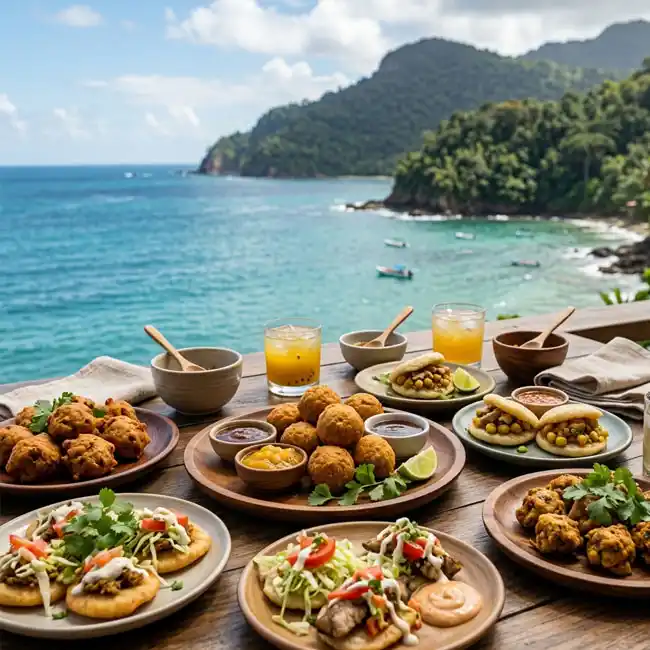
🇹🇹 🥪 The Flavor Carnival: Why Trini Appetizers Hit Different
Picture this: You’re walking through a buzzing night market in Port of Spain. Soca is playing from a car stereo, the air smells like curry and hot oil, and everyone’s got a little paper bag in their hand with something golden, spicy, and totally addictive inside. That’s the appetizer scene in Trinidad and Tobago. It’s not just food. It’s a whole vibe.
Trinidad and Tobago’s food culture is a mashup in the best way possible. Think Indian, African, Chinese, Spanish, British, and Indigenous influences all hanging out in one pot — or in this case, one deep fryer. Because of the country’s history of indentureship and migration, the snacks here tell stories. They’re handheld history lessons that you dip in tamarind sauce.
Appetizers, or “cutters” as locals call them, aren’t just a warm-up for dinner here. They are the main event at limes — that’s Trini slang for hanging out. Beach day? You’re grabbing pholourie. Watching cricket? Pass the doubles. Family Sunday? Saheena is non-negotiable. These bites are social glue.
🌊 Island Living, Island Eating: Food and Daily Life
In T&T, food doesn’t wait for mealtime. The concept of “breakfast, lunch, dinner” gets real blurry when there’s a doubles vendor on every corner at 6am and a corn soup cart pulling up at midnight.
The Rhythm of Eating
Life here moves to the rhythm of street food. Morning starts with bara and channa from a doubles lady who knows your order before you open your mouth. By midday, you’re eyeing the bake and shark vendor if you’re in Maracas Bay. Late night? Aloo pie vendors are still going strong outside the party. Appetizers are how Trinis snack, celebrate, and connect. You don’t invite people over for a three-course meal — you invite them over for “a little food” and suddenly there are 6 types of fried goodness on the table.
Community in Every Bite
Sharing is the default. You rarely buy one pie or one pholourie. You get a bag to share. That’s the unwritten rule. Food is how you say “I got you” without saying anything. It’s also how different cultures blended. Indian indentured laborers brought chickpeas, turmeric, and frying techniques. African traditions brought provisions and bold seasoning. Chinese immigrants added soy and chow-style preps. All of that shows up in today’s appetizer lineup.
🗺️ Taste the Islands: Appetizers Meet Travel & Origin
You can map Trinidad and Tobago by snacks. Seriously. Each region, each beach, each town has its signature bite, and food is 100% part of the travel experience here. You don’t just see T&T — you eat it.
🏖️ North Coast Beach Bites: Maracas and Beyond
If you’re doing a “beach run” up the North Coast Road, you’re not just going for the waves. You’re going for bake and shark at Maracas Bay. While the full sandwich is a meal, the mini version — “bake and shark cutters” — is a classic appetizer at beach limes. The bake is a fried, fluffy bread. The shark is seasoned, fried, and then you load it with pineapple, coleslaw, tamarind, garlic sauce, and pepper. No two bakes are the same because everyone customizes their toppings. It’s messy, it’s iconic, and it’s the taste of a Trini Sunday.
Head over to Las Cuevas or Tyrico and you’ll find corn soup vendors. It’s served in a cup, packed with corn, dumplings, split peas, and provisions. Technically a soup, but it functions like a warm, comforting appetizer that you sip while your toes are in the sand.
🏙️ Port of Spain Street Food Central
The capital is where the appetizer game goes into overdrive. Tragarete Road, Ariapita Avenue, and St. James are legendary for street food after dark. This is where you find the “doubles man” — probably the most famous food personality in the country. Doubles are the undisputed king of Trini cutters: two soft baras, curried channa, and your choice of sauces — cucumber chutney, tamarind, pepper. Sweet, savory, spicy, all in two bites.
St. James, known as “the city that never sleeps,” is where you find late-night aloo pie and saheena. Aloo pie is a big, golden pocket stuffed with seasoned mashed potato. Saheena is made from dasheen leaves — similar to taro — mixed with split pea flour and spices, rolled, sliced, and fried. Both are Indian-influenced but 100% Trini in execution.
🌾 Central & South Trinidad: The Indian Influence Heartland
Drive through Chaguanas, Couva, or Debe and you’ll see why people call it the “doubles capital.” This is where many Indian indentured laborers settled, and the food reflects that heritage. But it’s not just Indian food — it’s Trini-Indian food. That means more seasoning, more pepper, and more fusion.
Pholourie is the ultimate example. These are soft, pillowy, deep-fried dough balls made from split pea flour and spices. They’re served with a side of chutney for dipping. You eat them by the dozen at weddings, pujas, or just because it’s Tuesday. The name comes from the Indian pakora, but the texture and flavor are pure T&T.
Kachori and Baigani also show up here. Baigani is slices of eggplant battered in split pea flour batter and fried. Street vendors sell them with the same chutneys you get with doubles. It’s all about that contrast — crispy outside, soft inside, spicy-sweet sauces.
🌺 Tobago’s Twist: Island Provisions & Seafood Cutters
Hop on the ferry or a 20-minute flight to Tobago and the appetizer vibe shifts. Tobago’s food leans more Afro-Caribbean, with heavy use of provisions — dasheen, cassava, sweet potato — and fresh seafood.
Accra is Tobago’s answer to pholourie. These are saltfish fritters: shredded salted cod mixed with flour, herbs, and pepper, then deep fried. Crispy, salty, and dangerously poppable. You’ll find them at Store Bay or Pigeon Point with a side of garlic sauce.
Crab and Dumplings gets downsized into “crab accra” or mini crab pies for appetizer portions at beach bars. And provision chips — thin slices of cassava or breadfruit fried till crisp — are the local alternative to potato chips, often served with a tamarind dip.
👑 The Hall of Fame: Most Iconic Trinidad and Tobago Appetizers
Let’s break down the heavy hitters. These are the appetizers that define Trini lime culture. You can’t say you’ve experienced T&T food without trying them.
🔥 Doubles: The Unofficial National Snack
If Trinidad had to pick one food to represent the country, doubles would win by a landslide. Invented in Princes Town in the 1930s, it’s two baras — soft, floppy, slightly chewy flatbreads — filled with curried channa aka chickpeas. Then comes the “slight pepper” which is never actually slight. Add cucumber chutney for freshness, tamarind sauce for sweet-tangy, and chadon beni sauce for that herbaceous kick.
Why it’s iconic: It’s cheap, it’s available 24/7, and it’s the great equalizer. Everyone from school kids to CEOs eats doubles. Pro tip: Don’t ask for a fork. It’s eaten with your hands, and the mess is part of the experience.
🥔 Aloo Pie: The Carb King
Think of aloo pie as the Trini version of a samosa, but bigger and fluffier. It’s a large triangle of fried dough stuffed with well-seasoned mashed potato. Vendors slice it open and load it with the same toppings as doubles — channa, chutneys, pepper. The contrast of the crispy shell and soft, cumin-scented potato is unreal. Best eaten piping hot from a brown paper bag while walking down the street.
🥣 Pholourie: The Dippable Crowd-Pleaser
Pholourie is the snack you bring when you don’t know what else to bring. These golden, spongy balls are made from ground split peas, flour, turmeric, and seasoning. They’re deep fried and served with a side of tamarind or mango chutney. The inside is soft and almost airy. They’re mild on their own, so the sauce does the heavy lifting. At Indian weddings, birthdays, or political rallies, there’s a 99% chance pholourie is on the menu.
🍃 Saheena: The Rolled-Up Flavor Bomb
Saheena starts with dasheen leaves — the leafy greens of the taro plant — layered with a seasoned split pea flour paste, rolled into a log, steamed, sliced, and then fried. The result is a spiral of earthy leaf and spicy, crispy batter. It’s labor-intensive, so when someone makes saheena for you, they like you. Usually served with chutney and pepper sauce. It’s one of the most traditional Indo-Trinidadian snacks you’ll find.
🐟 Accra: Tobago’s Salty Secret
Tobago brings the saltfish energy with accra. Salted cod is soaked, deboned, and shredded, then mixed with flour, scallions, thyme, garlic, and hot pepper. Dropped by the spoonful into hot oil, they fry into golden nuggets. Crispy outside, fluffy and savory inside. Beach bars in Crown Point serve them with a garlic-lime dip and cold drinks. They’re the ultimate “sit by the water and do nothing” snack.
🍆 Baigani & More Fritters
Baigani deserves its own shoutout. Thick slices of eggplant get dunked in seasoned split pea batter and fried. The eggplant goes silky, the batter goes crispy. It’s vegetarian, it’s flavorful, and it’s often sold alongside saheena and kachori by the same vendor. You’ll also see split peas roll and chickpea fritters in the mix — the frying game is strong.
🌽 Corn Soup & Provision Cups
Not all cutters are fried. Corn soup is a street food staple sold from huge metal pots on the side of the road. It’s packed with corn on the cob chunks, dumplings, split peas, carrots, and provisions like cassava. Served in a styrofoam cup, it’s the go-to after-party or rainy day snack. In Tobago, you might get a “provision souse” cup instead — boiled green fig, sweet potato, and eddoes in a light, herby broth.
🎉🍻 Limin’ Culture: When and How Trinis Eat Appetizers
“Limers” don’t need an excuse. But if you want to eat appetizers like a local, here’s the playbook:
🎊 At a House Lime
Someone’s mom or auntie is in the kitchen frying something. There will be pholourie, accra, and probably mini beef or chicken pies. Everything comes out on big trays lined with paper towels. You don’t wait for an invitation — you just grab a plate. The vibe is loud, music is playing, and the food disappears fast.
🎵 During Carnival Season
Carnival isn’t just costumes and soca. It’s also peak snack season. J’ouvert morning starts with doubles and corn soup at 3am. On the road during Parade of Bands, vendors walk through the crowd selling aloo pies and roti wraps cut into small pieces. You need fuel to dance all day, and appetizers are that fuel.
🏝️ Beach Day Essentials
No cooler is complete without a bag of pholourie or accra from the vendor at the beach entrance. Bake and shark is the main, but you start with cutters while you wait in line. Corn soup vendors also work the beaches, especially if there’s a drizzle. Hot soup + sea breeze = core memory.
🥳 Parties, Weddings, and Pujas
Trini events have a dedicated “snack table” before the real food comes out. For Indian weddings and religious functions, you’ll see pholourie, saheena, kachori, and barfi lined up. For birthday parties, it’s mini pies, cheese pies, and currants roll cut into bite-size pieces. The idea is to keep people fed and happy while they mingle.
🧂 The Sauce Situation: Why Chutneys and Pepper Matter
You can’t talk Trini appetizers without talking sauce. The fried thing is just the vehicle. The sauce is the driver.
◦ Tamarind Chutney: Sweet, tangy, sticky. Made from tamarind pulp, sugar, and spices. Goes on everything.
◦ Chadon Beni Sauce: Chadon beni is similar to cilantro but stronger. Blended with garlic, pepper, and lime, it’s bright green and adds a fresh, herby heat.
◦ Mango Chutney: Sweet and spiced, often with chunks of green mango.
◦ Pepper Sauce: Every household has their own. Scotch bonnet peppers, vinegar, garlic, sometimes mustard. It’s not a suggestion — it’s a requirement. Locals say “slight pepper” but they don’t mean it.
◦ The ritual is this: You get your doubles or aloo pie, you tell the vendor your sauce combo, they “buss” it up with a spoon, and you take that first bite right there. No waiting.
✈️ Why Foodie Travelers Obsess Over Trini Cutters
Trinidad and Tobago isn’t on every Caribbean itinerary, and that’s why food travelers love it. The appetizer scene is authentic, affordable, and completely unpretentious. You’re not eating at a resort. You’re standing on a street corner at midnight, burning your tongue on fresh pholourie, talking to strangers.
Food tours in Port of Spain and San Fernando now center around “street food crawls” where you hit 5-6 vendors in one night. In Tobago, beach bars compete on who has the best accra. And because of the Indian, African, and Creole mix, the flavors are unlike anywhere else in the Caribbean. It’s familiar but new — like curry meets Creole, with a dash of Chinese seasoning.
Plus, most appetizers are naturally vegetarian, and many are vegan, so they’re super accessible. The portions are small, so you can try 10 things without exploding. It’s the ultimate edible souvenir.
💡 Trini Appetizer Tips for First-Timers
🙋 How to Order Like a Local
1.Know the lingo: “Slight” pepper means “yes, but not too much.” “Pepper up” means “I can handle it.”
2.Cash is king: Most street vendors don’t take cards. Keep small bills.
3.Don’t be shy: Point at what you want. Ask “what’s good today?” Vendors love to recommend.
4.Eat it fresh: Doubles and pholourie get sad when cold. Eat them within 5 minutes of getting them.
5.Bring napkins: Or accept that your hands will be saucy. It’s part of the charm.
🥵 Spice Level Reality Check
Trini pepper is no joke. Scotch bonnet is one of the hottest peppers around. If you’re spice-sensitive, say “no pepper” and build up. The chutneys add flavor without heat, so you won’t miss out. But if you do like heat, welcome to heaven.
❤️ The Heart Behind the Bite
At the end of the day, Trinidad and Tobago appetizers are about more than taste. They’re about history, community, and joy. Each pholourie carries Indian indentureship history. Each accra connects to African preservation and saltfish traditions. Each doubles represents innovation — a food created in T&T that’s now world-famous.
When you eat these snacks, you’re tasting 200+ years of migration, adaptation, and celebration. You’re participating in a culture that says “come lime, have a little something, stay awhile.”
So next time you see a Trini menu, skip the entrée and build your meal from the appetizer section. Your taste buds will book a one-way ticket to the islands. And if you can’t get to T&T right now, find your local Caribbean spot and ask if they do doubles. Trust me — once you start, you can’t stop.
⛔❓ FAQ
Q1. What is the most popular appetizer in Trinidad and Tobago?
Doubles is hands-down the most popular. It’s a street food staple made of two baras filled with curried chickpeas and topped with chutneys and pepper sauce. You’ll find it everywhere, from 5am breakfast runs to late-night post-party snacks.
Q2. Are Trinidad and Tobago appetizers usually vegetarian?
Many are! Pholourie, saheena, aloo pie, baigani, and doubles are all traditionally vegetarian because of the strong Indian influence. Tobago’s accra uses saltfish, but you can also find provision-based and corn options. Always ask the vendor if you need vegan or gluten-free — they’re usually happy to help.
Q3. Where’s the best place to try authentic Trini appetizers if I visit?
For Trinidad, hit Debe or Princes Town for doubles, St. James in Port of Spain for night-time aloo pie and saheena, and Maracas Bay for bake and shark cutters. In Tobago, head to Store Bay or Pigeon Point Beach for fresh accra and provision chips. Street vendors and local “food huts” are more authentic than restaurants for these bites.
🥪 How to Turn $5 into a Full Trinidad Street Food Feast at Home
👉 Master 3 Irresistible Trinbagonian Appetizers Under $5
| 🌐 🥪 < Back | Next > 🍝 🇹🇹 |