
🏠 Home > 🗺️ Recipes > 🍲 Soups > 🇹🇹 Trinidad & Tobago Soups
🇹🇹 🍲 Trinidad & Tobago Soups Recipes
Published by Supakorn | Updated: May 2026
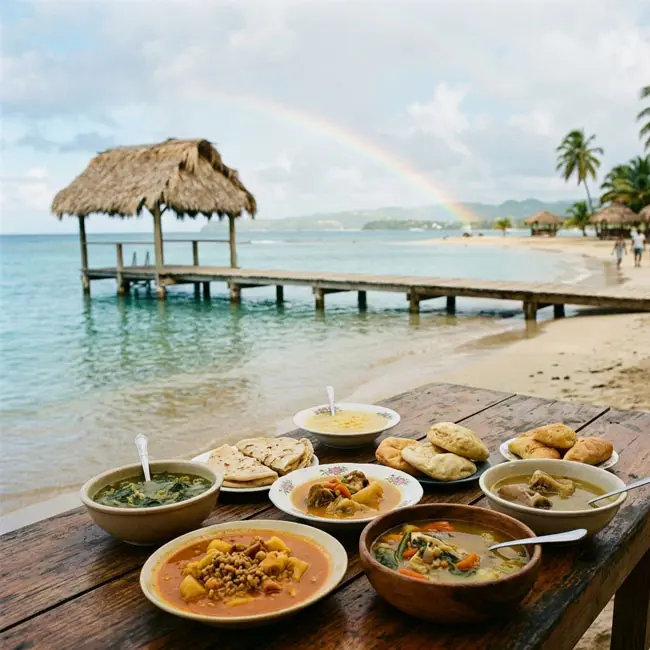
🇹🇹 🍲 Introduction: Welcome to the Ultimate Flavor Melting Pot
Hey friend! Pull up a chair, grab a cold glass of fresh mauby or fruit juice, and let’s talk about something that will absolutely warm your soul: the legendary, comforting world of Trinidad and Tobago soups.
If you have ever set foot on these beautiful twin islands—or if you are just daydreaming about them from afar—you quickly realize that food here isn’t just fuel. It is an experience, a full-blown celebration, and a historical archive all simmering in one big pot. Trinidad and Tobago (or just "Trini" as we affectionately call it) boasts one of the most vibrant, diverse food cultures on the entire planet.
But out of all the incredible street food, festive beach snacks, and complex holiday spreads, nothing captures the true heartbeat of the islands quite like a bubbling pot of homemade soup. In this guide, we are diving deep into the cultural magic, the daily lifestyle, and the iconic must-try bowls that define Trinidad and Tobago’s soup scene. No complicated measurements or strict kitchen rules today—just pure storytelling about how these comforting bowls connect the people, the islands, and the culture together.
🌍 🧬 The Deep Cultural Roots of Trini Soup Culture
To understand why a bowl of soup matters so much to a Trinidadian, you have to understand the history. Trini cuisine is a gorgeous, complex mosaic. It is the delicious result of West African, East Indian, Indigenous Amerindian, Chinese, French, Spanish, and British influences bumping into each other over centuries.
When you take a spoonful of a traditional Trini soup, you are tasting a historical timeline:
◦ The West African Influence: Brought the love for ground provisions (hard yams, sweet potatoes, cassava) and the foundational technique of using leafy greens like dasheen to create rich, velvety textures.
◦ The East Indian Heritage: Contributed a masterful use of spices—geera (cumin), turmeric, and complex curry profiles—alongside pulses like split peas that form the thick, hearty base of many popular weekend bowls.
◦ Local Herbs: Every single soup is bound together by the distinct aroma of local fresh herbs like shado beni (a pungent cousin of cilantro), Spanish thyme, and the slow, aromatic burn of whole Scotch bonnet peppers.
In Trinidad and Tobago, soup is rarely thin or watery. It is thick, substantial, and packed so full of ingredients that a spoon can almost stand up straight in the middle of the bowl! It reflects the generous, warm-hearted nature of the people who make it.
🏆 🥄 The Iconic All-Stars: Masterpiece Soups You Must Know
While every household has its own secret twists, a few legendary soups stand out as absolute national treasures. If you are looking to explore the culinary landscape, these are the essential masterpieces you need to know about.
🥬 1. Callaloo: The Green Heart of Trinidad
You cannot talk about Trinidad and Tobago without talking about Callaloo. It is more than just a soup; it is practically a national symbol. While other Caribbean islands have their own versions, the Trini style is incredibly distinct.
The star of the show is the dasheen leaf (taro leaves), which is simmered down slowly with okra, pumpkin, onions, garlic, pimento peppers, and a generous amount of fresh coconut milk. Traditionally, it features crab and salted meats to infuse a deep, savory undertone.
The magic happens at the end of the cooking process when a special wooden tool called a swizzle stick (or a modern blender) is used to whip the ingredients into a smooth, luxurious, velvety green masterpiece. It is earthy, creamy, slightly sweet from the coconut, and absolutely packed with nutrients.
🌽 2. Trinidad Street-Style Corn Soup: The Ultimate Midnight Fuel
If you ever find yourself leaving a massive cultural festival, a concert, or a lively street party in Port of Spain at 2:00 AM, your nose will inevitably guide you toward a large, steaming stainless steel pot on the sidewalk. This is the domain of the Trini Corn Soup vendors.
Trinidad Corn Soup is the ultimate street food comfort. It features a rich, yellow base made from split peas and pureed corn, heavily scented with shado beni and garlic. Floating inside this thick, sweet-and-savory broth are whole wheels of corn on the cob, chunks of pumpkin, and chewy flour dumplings. It is served piping hot in cardboard cups, designed to be sipped and eaten on the move. It is sweet, spicy, thick, and instantly revitalizing.
🥣 3. Cow Heel Soup: The Ultimate Weekend Restoration
Don't let the name intimidate you—Cow Heel Soup is pure culinary comfort and an absolute Saturday tradition across the islands. This is a heavy, gelatinous, deeply satisfying soup that is legendary for its restorative properties.
The cow heel is boiled slowly for hours until the tissue becomes incredibly tender and melt-in-your-mouth soft. This long simmering process releases natural collagens, giving the broth a uniquely rich, lip-smacking texture. It is combined with split peas, a heavy hand of root vegetables, and plenty of fresh herbs. It is the kind of soup that makes you want to take a long, peaceful afternoon nap right after finishing a bowl.
🐟 4. Fish Broth: Light, Zesty, and Rejuvenating
On the lighter side of the spectrum sits Fish Broth (often pronounced fish braff locally). Unlike the thick, split-pea-heavy bowls, fish broth is a clearer, more vibrant, and highly citrusy soup.
Freshly caught local fish—like kingfish, red snapper, or carite—is marinated in a heavy green seasoning paste, then quickly simmered with green bananas, cassava, sweet potatoes, and a massive splash of fresh lime juice. It is sharp, clean, intensely aromatic, and carries a beautiful kick of heat from the local pimento and Scotch bonnet peppers. It is highly celebrated as a quick pick-me-upper.
🏡 🍽️ The Art of Trini Living: Soup as a Social Ritual
In Trinidad and Tobago, when you cook a soup, you don't just make a single portion for yourself. You cook for an entire army. Soup is an inherently social, communal food that dictates the rhythm of the weekly calendar.
🗓️ The Sacred Saturday "Saturday Soup" Ritual
Step into almost any Trini neighborhood on a Saturday morning, and the air will be thick with the aroma of boiling garlic, onions, and coconut milk. "Saturday Soup" is a beautiful domestic ritual. After a long week of work or school, families gather to put on a massive pot.
It is a casual, joyful affair. Friends might drop by unexpectedly, neighbors might exchange bowls across the fence, and family members lounge around the kitchen chatting while the pot bubbles away on the stove. It marks the transition from the busy workweek into the relaxed energy of the weekend.
🥟 The Philosophy of "Provisions" and "Sinkers"
To truly appreciate how a Trini experiences soup, you have to understand the anatomy of what goes inside the bowl. A great local soup is judged heavily by its density and its treasures, which fall into two main categories:
1.Ground Provisions: This refers to the hearty root vegetables that ground the meal. We are talking about cassava, sweet potatoes, eddoes, dasheen, and hard yams. These aren't just chopped up small; they are left in large, satisfying chunks that absorb the seasoned broth like delicious sponges.
2.Dumplings ("Sinkers"): No Trini soup is complete without dumplings. These are simple flour-and-water dough shapes, sometimes rolled into long, thin cylinders called "spinners" or flattened into thick disks. They cook right in the bubbling broth, coming out chewy, dense, and incredibly satisfying. They are called sinkers because they sit happily at the bottom of your bowl, waiting to be discovered.
🗺️ ✈️ Food Tourism: Matching Trinidadian Soups to the Landscape
If you are planning a trip to Trinidad and Tobago, exploring the soup culture is one of the absolute best ways to navigate the islands. Different geographic locations offer completely unique settings to enjoy these iconic bowls.
+-----------------------------------+-----------------------------------+
| Location | Perfect Soup Pairing |
+-----------------------------------+-----------------------------------+
| Maracas Beach (Trinidad) | Piping Hot Fish Broth |
| Pigeon Point Beach (Tobago) | Callaloo with Crab & Dumplings |
| Port of Spain Streets (Trinidad) | Midnight Street-Style Corn Soup |
+-----------------------------------+-----------------------------------+
🌊 Maracas Beach: Fish Broth by the Ocean
Picture this: you’ve spent the morning swimming in the emerald waters of Maracas Bay, listening to the waves crash against the northern coast of Trinidad. As the afternoon sea breeze cools the air, you walk over to a local beachside vendor. Enjoying a hot, lime-infused Fish Broth while sitting on the sand with the salty breeze in your hair is a spiritual experience. The bright, acidic notes of the soup mirror the vibrant energy of the coastline perfectly.
🛶 Tobago: Callaloo and Crab on the Sister Isle
While Trinidad is fast-paced and bustling, Tobago is serene, calm, and breathtakingly untouched. Tobago has a deeply special relationship with Callaloo, frequently pairing it with local blue crab and heavy, flat flour dumplings as a classic Sunday lunch. Sitting at a open-air restaurant overlooking the crystal-clear waters of Pigeon Point or Store Bay while enjoying a rich, velvety plate of crab and callaloo is an absolute culinary bucket-list item.
🚗 Port of Spain: The Ariapita Avenue Corn Soup Run
For a taste of the urban nightlife, head to Ariapita Avenue in the capital city of Port of Spain. Known as the entertainment hub of the island, the "Avenue" comes alive at night. Among the bright lights and music, you will find the iconic Corn Soup carts surrounded by crowds of locals sharing laughs and enjoying the electric atmosphere. It is the ultimate way to experience the street food culture that keeps the city moving.
❓ 💬 Frequently Asked Questions (FAQ)
Q1: Is Trinidad Callaloo the same as Jamaican Callaloo?
A: Not quite! While they share a name, they are actually entirely different dishes. Jamaican callaloo focuses on steamed amaranth greens, resulting in a side dish that is shredded and sautéed with onions and peppers. Trinidadian Callaloo uses dasheen leaves blended down smoothly with okra, pumpkin, and coconut milk, creating a rich, soup-like consistency that is often poured over rice or macaroni pie.
Q2: What makes Trinidadian soups so thick compared to Western-style soups?
A: The secret lies in the ingredients and cooking techniques. Trini soups utilize split peas that break down completely to form a thick purée base. Additionally, starchy ground provisions like cassava and sweet potato naturally release starches into the broth as they simmer, while the inclusion of okra and slow-whipped dasheen leaves creates a uniquely luxurious texture.
Q3: Are there vegetarian-friendly soup options in Trinidad and Tobago?
A: Absolutely! While traditional recipes often use salted meats or crab for extra depth, many vendors and households make incredible "all-vegetable" versions. Ground provisions, pumpkin, split peas, and fresh herbs like shado beni provide so much natural flavor that vegetarian versions of Corn Soup and Callaloo remain incredibly rich, hearty, and satisfying.
🍲 Discover the Warm and Comforting World of Trinbagonian Soups
👉 3 Must-Try Budget-Friendly Authentic Trinbagonian Soups!
| 🌐 🍲 < Back | 🇹🇹 🍷 < Previous | Next > 🥗 🇹🇹 |