
🏠 Home > 🗺️ Recipes > 🍨 Desserts > 🇻🇳 Vietnam Desserts
🇻🇳 🍨 Vietnam Desserts Recipes
Published by Supakorn | Updated: February 2026
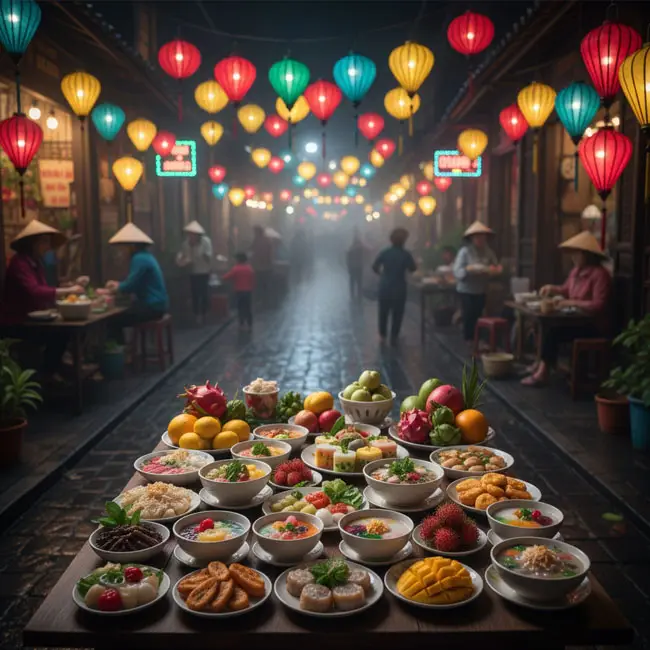
Vietnam isn’t just about savory noodle soups and sizzling pancakes—it’s also home to some of the most refreshing, unique, and creative desserts in Asia. If you’re used to cakes, cookies, or heavy sweets, you’ll be pleasantly surprised by how light and playful Vietnamese desserts are. Many use tropical fruits, coconut milk, beans, and rice to create that perfect balance of sweet, creamy, and chewy textures.
Let’s dive into the world of Vietnam desserts and explore why they’re worth adding to your foodie bucket list.
🎋 🥥 The Sweet Philosophy: Why Vietnamese Sweets Are Different
Before we get into the menus, let’s talk about the "vibe" of Vietnamese sweets. In Western cultures, dessert is often a heavy, sugary finale to a meal. In Vietnam, it’s more of a "anytime" treat. Whether it’s a mid-afternoon cool-down or a late-night street snack, desserts are designed to be refreshing.
The magic lies in the ingredients. You won't find a lot of heavy butter or cream here. Instead, Vietnamese people use the natural richness of coconut milk, the heartiness of mung beans, and the tropical sweetness of fruits like jackfruit and durian. It’s "sweet" but in a way that feels light and healthy-ish (which means we can eat more of it, right?).
🍧 🌈 Chè – Vietnam’s Iconic Dessert Soups and Drinks
If there is one word you must remember, it is Chè. This category is the king of authentic Vietnamese desserts. It’s basically a sweet soup, pudding, or drink-like dessert served in a bowl or a tall glass.
🍭 Chè Ba Màu (Three-Color Dessert)
One of the most iconic Vietnam desserts, chè ba màu literally means “three colors.” It’s a layered masterpiece that looks like a rainbow in a glass. Usually, you’ll see layers of green pandan jelly, yellow mung bean paste, and red kidney beans, topped with a mountain of shaved ice and a thick drizzle of coconut milk. It’s colorful, fun to mix, and the ultimate refresher on a humid Saigon afternoon.
🍌 Chè Chuối (Banana with Coconut Milk)
This is comfort food at its finest. Chè chuối uses ripe "Thai" bananas (which are smaller and sweeter), simmered in a creamy coconut broth with translucent tapioca pearls. The pearls add a fun "pop" in every bite, and it's often topped with toasted peanuts for a salty-crunchy contrast.
🌑 Chè Đậu Đen (Black Bean Sweet Soup)
Don't let the idea of beans in a dessert scare you! Black beans are slow-cooked until they are soft and buttery, then sweetened with rock sugar. Served over crushed ice with coconut milk, this dessert is actually quite cooling for the body according to local tradition.
⚪ Chè Trôi Nước (Sticky Rice Balls in Ginger Syrup)
This one is for the fans of chewy textures (the "mochi" lovers!). These are large, round glutinous rice balls stuffed with mung bean paste, served in a warm, spicy-sweet ginger syrup. It’s a popular choice for festivals and family gatherings because the round shape symbolizes "togetherness."
🍌 🌾 Banana and Rice Creations: The Soul of the Street
Rice is the foundation of Vietnamese life, so it’s no surprise that it plays a huge role in Vietnamese street food sweets.
🍰 Bánh Chuối (Vietnamese Banana Cake)
Forget what you know about banana bread—bánh chuối is its own thing. There are two main types: Bánh chuối nướng (baked) and Bánh chuối hấp (steamed). The baked version often uses leftover bread soaked in coconut milk and bananas, resulting in a dense, pudding-like cake that is deep purple-red when cooked. It’s rich, moist, and naturally sweet.
🍢 Chuối Nếp Nướng (Grilled Sticky Rice Banana)
This is a street food masterpiece you can smell from miles away. A whole banana is encased in a layer of sweet sticky rice, wrapped in a banana leaf, and grilled over charcoal until the outside is crispy and smoky. It’s served with a warm coconut sauce and crushed peanuts. It’s the perfect combination of hot, cold, crispy, and creamy.
🍙 Bánh Bò (Honeycomb Cake)
Named after the way it "crawls" up the side of the steamer (bò means to crawl), this cake is airy, spongy, and filled with tiny "honeycomb" holes. It’s usually made with rice flour and fermented with a bit of rice wine or yeast to give it a unique, slightly tangy aroma.
🥥 🍮 Coconut and Jelly Treats: The Ultimate Refreshers
Coconut is the "holy grail" of Vietnam desserts. Whether it's the water, the meat, or the milk, nothing goes to waste.
🧊 Rau Câu (Vietnamese Agar Jelly)
Unlike Western gelatin which is soft and bouncy, Vietnamese rau câu is made from agar-agar (seaweed-based), giving it a firm, satisfying "crunch." You’ll often see it layered with different flavors: coffee (brown), coconut milk (white), and pandan (green). It’s light, low-calorie, and looks beautiful on a plate.
🐷 Bánh Da Lợn (Steamed Layer Cake)
The name literally translates to "Pig Skin Cake," but don't worry—there’s no pig involved! It’s named for its thin, chewy, and slightly sticky layers. Made from tapioca starch, rice flour, and pandan, it has a beautiful green and yellow striped look. It’s the kind of snack you peel apart layer by layer just for the fun of it.
🥥 Xôi Xiêm (Durian Sticky Rice)
For the adventurous foodies! This is sweet sticky rice topped with a rich, creamy custard made from durian and coconut milk. It’s bold, fragrant, and incredibly decadent. If you love durian, this will be your new favorite Vietnamese sweets discovery.
🍮 🇫🇷 Creamy and European-Influenced Sweets: The French Connection
Vietnamese cuisine has a fascinating history of French influence, and nowhere is this more delicious than in the world of desserts.
🍮 Bánh Flan (Vietnamese Caramel Custard)
This is Vietnam’s take on crème caramel. While the French original is famous, the Vietnamese version is often made with a mix of condensed milk, giving it a richer, creamier texture. The real "twist"? It’s often served with a splash of strong Vietnamese coffee and crushed ice on top. The bitterness of the coffee perfectly balances the sweet caramel.
🍦 Kem (Vietnamese Ice Cream)
Ice cream in Vietnam is a tropical dream. While you can find standard flavors, the real winners are the local ones: Kem Dừa (served in a coconut shell with jelly and peanuts), Kem Bơ (Avocado ice cream—trust me, it’s amazing!), and even durian ice cream.
🍉 🥑 Fresh Fruit-Based Desserts: Nature’s Candy
Since Vietnam is a tropical paradise, the fruit itself is often the dessert. But the locals have found ways to make it even better.
🥤 Sinh Tố (Vietnamese Smoothies)
These aren't your typical "gym" smoothies. A Sinh Tố is a dessert in a glass. Fresh fruit like avocado, mango, or custard apple is blended with ice, sugar, and a generous pour of sweetened condensed milk. The Sinh Tố Bơ (Avocado Smoothie) is a cult favorite—it’s buttery, sweet, and incredibly filling.
🥗 Hoa Quả Dầm (Mixed Fruit Dessert)
Think of this as the ultimate fruit salad. A bowl is packed with seasonal fruits—think dragon fruit, jackfruit, lychee, watermelon, and mango. It’s then topped with boba pearls, jelly, condensed milk, and yogurt. You mix it all together into a creamy, fruity soup. It’s the perfect way to sample all of Vietnam's fruits at once.
🌿 ✨ Why Vietnam Desserts Are Unique
What makes Vietnam desserts so special is the creative use of everyday ingredients. In a culture where nothing is wasted, a handful of beans, a scoop of rice, and a splash of coconut milk can be transformed into a masterpiece.
1.Texture Harmony: Vietnamese people love "Mouthfeel." The mix of chewy (tapioca), crunchy (peanuts/jelly), and smooth (coconut milk) is essential.
2.Naturally Sweet: By using fruits and beans, the sugar levels are often lower than in Western cakes, making them feel much lighter on the stomach.
3.Social Connection: Eating dessert is a social event. You’ll see groups of students and families gathered around small plastic stools on the sidewalk, sharing bowls of Chè and laughing. It’s a way of life!
🥢 💡 Tips for Enjoying Vietnam Desserts at Home
Want to bring a taste of Hanoi or Saigon to your kitchen? Here are some "bestie" tips for making authentic Vietnamese desserts:
• Don't skip the Coconut Milk: Use the full-fat canned version for the best flavor. It’s the heart of most recipes.
• Embrace the Pandan: Pandan is the "vanilla of the East." It gives that signature green color and a nutty, floral aroma that is essential for authenticity.
• The Condensed Milk Secret: If you want that "street food" taste, sweetened condensed milk is your best friend. It’s used in everything from smoothies to flan.
• Texture is Key: If a recipe calls for tapioca starch, don't substitute it with cornstarch! Tapioca provides that signature "chew" that makes Vietnamese treats so fun to eat.
• Temperature Matters: Know which desserts are meant to be hot (like Chè Trôi Nước) and which are best with a mountain of crushed ice (like Chè Ba Màu).
❓ 🙋♀️ FAQ: Your Sweet Questions Answered
Q1: What is the most popular Vietnam dessert?
Without a doubt, Chè is the most iconic category. Specifically, Chè Ba Màu (Three-Color Dessert) is the one you’ll see most often in photos and street stalls.
Q2: Are Vietnam desserts very sweet?
Compared to Western desserts, no. They rely more on the natural sweetness of ingredients. However, you can always adjust the amount of condensed milk or sugar syrup to suit your taste!
Q3: Can I make Vietnam desserts at home without special ingredients?
Yes! Most essentials like coconut milk, rice flour, and beans are available at any grocery store. For things like pandan leaves or agar-agar, a quick trip to an Asian market (or an online order) will get you exactly what you need.
Q4: Is there gluten in Vietnamese desserts?
Many are naturally gluten-free! Since they use rice flour and tapioca starch instead of wheat flour, options like Chè, Bánh Da Lợn, and Rau Câu are great for those with gluten sensitivities.
Q5: Why do they put beans in dessert?
It might sound strange if you're used to beans in chili or burritos, but in Asia, beans are treated like nuts. When cooked with sugar, they become creamy, sweet, and very satisfying!
🍨 Classic Vietnam Desserts Recipes Passed Down for Generations
👉 Indulge in 3 Authentic Desserts
| 🌐 🍨 < Back | 🇻🇳 🍝 < Previous | Next > 🍷 🇻🇳 |