
🏠 Home > 🗺️ Recipes > 🍲 Soups > 🇻🇳 Vietnam Soups
🇻🇳 🍲 Vietnam Soups Recipes
Published by Supakorn | Updated: February 2026
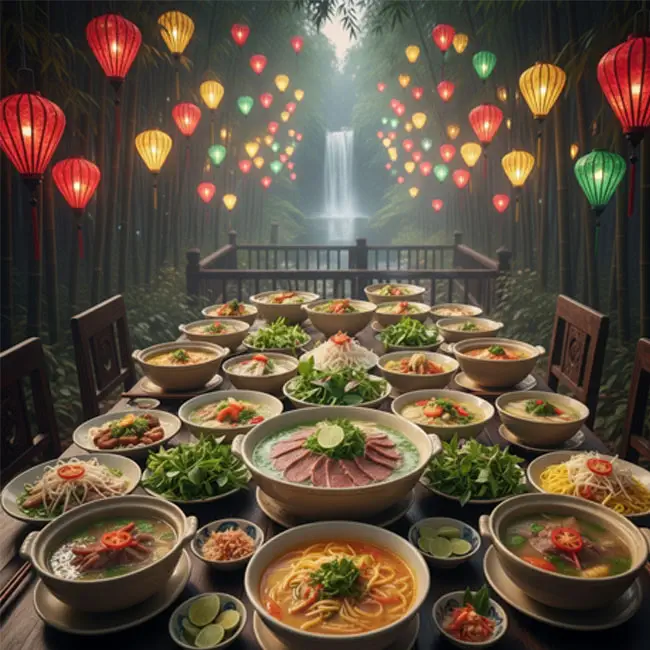
🍜 🌏 More Than Just Pho: A Journey Through Vietnam's Soulful Bowls
🥢 ✨ Why Vietnamese Soups are the Ultimate Comfort Food
Hey there, fellow food lover! If there’s one cuisine that truly understands the power of a perfect, simmering bowl of broth, it’s Vietnamese. Vietnamese soups are more than just a meal; they are an absolute art form, a symphony of flavors that manages to be simultaneously light, complex, savory, and profoundly comforting. Forget everything you think you know about quick dinner fixes—these are bowls that tell a story, simmered for hours, packed with fresh herbs, and perfectly balanced.
In Vietnam, soup isn't just for cold weather or when you're feeling under the weather. It's a breakfast staple, a quick lunch on a plastic stool by the roadside, and the centerpiece of a family dinner. You probably already know about Phở (and trust me, we're diving deep into that classic!), but the world of Vietnamese soup recipes is vast and incredibly varied.
From the spicy, lemongrass-infused heat of Bún Bò Huế to the bright, tangy punch of Canh Chua, every region in Vietnam has its own signature bowl. These recipes are built upon local ingredients and ancient cooking wisdom that has been passed down through generations. The secret weapon? It’s all about the broth. Unlike some Western soups that rely on heavy cream or flour thickeners, Vietnamese broths are almost always clear, intensely aromatic, and light enough to eat any time of the year. They achieve this depth not through fat, but through slow-simmering bones, roasting aromatics like ginger and onion, and the masterful use of crucial seasoning agents like fish sauce (nước mắm) and rock sugar.
Ready to swap your instant ramen for the real deal? Let’s grab our chopsticks and dive into the incredible bowls that make Vietnamese cuisine a global superstar!
🍲 🥩 Mastering the Icon: Authentic Phở (Noodle Soup)
🌟 👃 The Magic of the Phở Broth
If Vietnam had a culinary flag, Phở would be waving high. This globally beloved noodle soup is the dish that converts millions to Vietnamese cuisine, and for good reason. It’s a study in subtlety and balance, and while it requires time, it is surprisingly simple to perfect at home once you know the secrets.
The heart and soul of Phở is the clear, savory broth, traditionally beef (Phở Bò) or chicken (Phở Gà). If you want to know how to make pho at home that tastes like it came from a street stall in Hanoi, you cannot cut corners on the broth. Here is why the magic happens:
1.Roast Your Aromatics: Before you even think about adding water, you need to char your ginger and onions. Whether you do it over a gas flame or under a broiler, that blackened skin adds a smoky, earthy base that is the signature of an authentic vietnamese broth.
2.The Spice Bag: The fragrance that fills the house comes from whole spices: star anise, cinnamon sticks, cloves, and cardamom pods. Lightly toasting them in a dry pan before they hit the water awakens their essential oils.
3.Low and Slow: This isn't a race! The broth must simmer—not boil—for at least 6 to 8 hours. Boiling creates a cloudy broth, but a gentle simmer keeps it crystal clear while extracting all that gelatinous goodness from the marrow bones.
4.The Final Seasoning: The perfect Phở broth is seasoned with salt and rock sugar (which provides a mellow sweetness compared to white sugar), but its final savory depth comes from high-quality fish sauce.
🥗 🍋 Serving and Garnishing Like a Pro
Phở is served with thin rice noodles (bánh phở) and your choice of meat. But the real fun is customizing your bowl. In Vietnam, you are the final chef! A separate plate of fresh garnishes is essential: bean sprouts for crunch, Thai basil for an anise-like kick, mint for freshness, and lime wedges to cut through the richness of the beef. Toss in some sliced jalapeños if you like it hot, and don't be afraid to use a little Hoisin or Sriracha—though real purists will tell you to taste the broth first!
🌶️ 🐖 Spicy, Savory, and Complex: Bún Bò Huế
🏰 🔥 The Bold Flavors of the Imperial Capital
If Phở is a gentle hug, Bún Bò Huế (BBH) is a fiery embrace. Hailing from the central city of Huế, the former imperial capital, this soup is for those who crave a bolder, spicier, and more intense flavor experience. It is easily the most requested soup for those looking to move past Phở and dive into deeper Vietnamese street food culture.
What sets a bun bo hue recipe apart is its powerful, multi-layered broth:
• Lemongrass Power: While Phở is about star anise, BBH is all about lemongrass. The stalks are bruised and simmered for hours, giving the broth a signature citrusy, herbal aroma that is incredibly refreshing despite the spice.
• The Chili Oil Tint: That gorgeous reddish-orange hue comes from a special sate (chili oil) made by frying annatto seeds, chilies, shallots, and garlic. It adds a layer of heat that lingers beautifully on the palate.
• The "Funk" (Umami): The secret ingredient for true authenticity is mắm ruốc (fermented shrimp paste). It might smell strong on its own, but when simmered in the broth, it disappears into a deep, savory umami base that makes the soup taste "complete."
BBH is served with thick, round rice vermicelli noodles (bún) which are much chewier than Phở noodles. It’s hearty, spicy, and perfectly represents the sophisticated and bold palate of Central Vietnam.
🐟 🍍 Bright, Tangy, and Refreshing: Canh Chua (Sweet and Sour Fish Soup)
🌿 🌊 A Taste of the Mekong Delta
Let's move away from the heavy bone broths and explore something truly refreshing: Canh Chua, or Vietnamese Sweet and Sour Soup. This is liquid sunshine in a bowl, a classic from the lush Mekong Delta region where fruit and fish are abundant.
A canh chua recipe is a masterclass in flavor balancing. It hits four major notes:
1.Sourness: Achieved through tamarind pulp, which gives a fruity, tangy acidity that is much deeper than just using vinegar or lime.
2.Sweetness: Balanced with pineapple chunks and a touch of sugar to counteract the tamarind.
3.Savory: Fresh fish (like catfish or tilapia) and fish sauce provide the protein and salt.
4.Texture: This soup is loaded with vegetables you won't see in other soups, like okra, tomatoes, and bạc hà (taro stems), which act like sponges for the delicious broth.
Canh Chua is rarely eaten alone; it’s usually part of a family-style meal served with steamed white rice. It’s the perfect "cooling" soup for a hot day.
🍲 🦀 Beyond the Basics: Bún Riêu and Súp Cua
🍅 🌶️ Bún Riêu (Crab and Tomato Noodle Soup)
If you love seafood, you have to try Bún Riêu. This soup features a tomato-based broth and "crab ham"—a mixture of minced freshwater crab, shrimp, and egg that floats in the soup like fluffy clouds. It’s tangy, savory, and incredibly colorful. It's often served with fried tofu and a big plate of shredded split water spinach.
🥣 🥄 Súp Cua (Vietnamese Crab Soup)
Often sold as a snack or appetizer, Súp Cua is a thick, comforting soup (similar to a corn chowder texture but without the dairy). It’s packed with crab meat, quail eggs, and coriander. It’s the kind of soup you grab from a street vendor for a quick energy boost.
🍃 🥢 The Art of Eating Soup in Vietnam
🏠 👨👩👧👦 Cultural Rituals and Daily Life
In Vietnam, soup is a way of life. If you walk through the streets of Hanoi at 6:00 AM, you’ll see thousands of people perched on tiny stools, steam rising from their bowls as they start their day.
• Breakfast Culture: Unlike the West where breakfast is often sweet or dry (cereal/toast), Vietnamese people crave a savory, hydrating start. A bowl of soup provides the fluids and nutrients needed for a long day of work.
• The Family Table: At dinner, a "Canh" (a light vegetable soup) is almost always present. It’s used to moisten the rice and cleanse the palate between bites of salty meat or stir-fried veggies.
• Hydration: In a tropical climate, these clear soups are an ingenious way to stay hydrated while getting essential minerals from bone broths and fresh greens.
🌿 💡 Tips for Your Vietnamese Soup Journey
Ready to start simmering? Here are a few "pro-tips" to ensure your easy vietnamese soups taste like the real deal:
1.Quality Fish Sauce is Key: Think of fish sauce like olive oil—there are different grades. Look for "First Press" or "Nhi" on the label for the best flavor.
2.Don't Forget the Rock Sugar: It provides a much smoother, less "sharp" sweetness than granulated white sugar. It’s the secret to that mellow finish in Phở.
3.Clean Your Bones: For a clear broth, parboil your beef or pork bones for 10 minutes, then dump the water and scrub the bones clean before starting the actual broth. This removes the impurities that make soup cloudy.
4.Fresh Herbs Only: Vietnamese soup is 50% broth and 50% fresh herbs. Never use dried basil or mint—the magic is in the fresh, aromatic crunch!
5.Freeze Your Broth: Most Vietnamese broths take a long time to make but freeze beautifully. Make a double batch and you’re always just 10 minutes away from a gourmet meal.
🍜 🏠 Your Vietnamese Soup Kitchen is Open!
See? The world of Vietnamese soups is wide open for exploration! While the time commitment might seem long for the broths, remember that the majority of that time is hands-off simmering. You can easily make a huge batch of broth and freeze it, ready to pull out for a quick, authentic, and soulful meal anytime you need a taste of Vietnam.
Cooking Vietnamese soups at home is the best way to control the quality of the herbs, the richness of the broth, and the perfect balance of seasoning. So, fire up your stove, grab some fresh basil, and start your Vietnamese soup journey today. It’s an adventure worth every minute of simmering!
❓ 🙋♀️ FAQ: Frequently Asked Questions
Q1: What is the main difference between Phở and Bún Bò Huế?
A: Phở is known for its clear, delicate, star-anise and cinnamon-flavored broth and flat rice noodles. Bún Bò Huế is defined by its bold, spicy, and savory broth heavily infused with lemongrass and a punch of fermented shrimp paste, served with thick, round vermicelli noodles.
Q2: What is the secret ingredient for authentic Vietnamese soup flavor?
A: The true secret is two-fold: 1) The slow-simmered, clear bone broth that extracts deep flavor without clouding, and 2) Fish sauce (nước mắm), which provides the essential salt and umami needed to fully balance the broth.
Q3: Can I make Vietnamese soups vegetarian or vegan?
A: Absolutely! You can substitute the bone broth with a deep vegetable broth simmered with mushrooms, daikon radish, and scorched aromatics (ginger/onion) for the base. Use soy sauce or mushroom seasoning (instead of fish sauce) for umami, and use tofu or seitan as your protein.
Q4: Why is my Pho broth cloudy?
A: This usually happens if the broth was boiled too hard or if the bones weren't "cleaned" (parboiled) first. Always keep your broth at a very gentle simmer—just a few bubbles breaking the surface.
Q5: Is Pho healthy?
A: Generally, yes! It's gluten-free (using rice noodles), packed with protein, and the broth contains minerals from the bones. If you load it up with fresh herbs and bean sprouts, it's a very well-balanced meal.
🍲 Real Vietnam Soups Recipes Loved by Locals
| 🌐 🍲 < Back | 🇻🇳 🍷 < Previous | Next > 🥗 🇻🇳 |