
🏠 Home > 🗺️ Recipes > 🏛️🧪 Sacred Infusions & Botanical Tonics > 🏰 Ancient Celts: Sacred Infusions & Botanical Tonics Recipes > 🏛️🧪 1.Ancient Celtic-Inspired Woodland Herbal Tea Elixir
🏛️🧪 Forgotten Celtic Herbal Infusions: Ancient Woodland Wisdom in Every Cup
Published by Supakorn | Updated: October 2026
🕍🏺 Ancient Civilization Origins: The Ancient Celtic World
📜 The Storyteller’s Intro: Five Thousand Years of Ancestral Flavors
Imagine standing at the edge of an ancient European woodland, where morning mist drifts between towering trees and the earth glistens with dew. A small fire crackles nearby, a clay vessel rests on a flat stone, and the air carries the fresh scent of leaves, flowers, and damp soil. Somewhere beyond the trees, the sounds of everyday village life begin to awaken.
This is the atmosphere that inspires our journey into ancient Celtic herbal tea elixirs.
The Celtic world is often associated with misty forests, stone monuments, seasonal festivals, oral storytelling, and a close relationship with the natural landscape. Although the historical Celtic peoples flourished in different regions and periods, their cultural legacy continues to inspire modern interest in traditional food, wild plants, and ancestral cooking.
There is an important distinction, however. The Celtic world was not a single civilization with one uniform set of recipes, and no verified five-thousand-year-old Celtic herbal tea recipe survives as a complete written formula. The prehistoric communities who lived in Europe five thousand years ago existed before the historical Celtic cultures that are more securely identified through later archaeological and linguistic evidence.
That does not make this culinary adventure less fascinating. Instead, it gives us an opportunity to separate archaeological history from creative reconstruction.
In this article, we will explore the historical background of European herbal traditions and prepare a Celtic-inspired woodland infusion using accessible ingredients. The recipe is a modern interpretation of an ancient atmosphere, not a claim to reproduce an authenticated royal formula or an excavated Celtic manuscript.
Think of it as a small invitation to slow down, reconnect with nature, and experience how a simple cup of herbs can turn an ordinary afternoon into something memorable.
🌍 The Global Value of Antique Heritage
Traditional plant knowledge is part of humanity's shared cultural heritage. Across Europe and beyond, people developed practical ways to identify edible plants, preserve seasonal ingredients, prepare aromatic infusions, and make the most of what grew close to home.
The ancient Celtic world is particularly intriguing because much of its cultural knowledge was transmitted orally. Stories, songs, local customs, and practical skills helped communities preserve information across generations. Written evidence about Celtic life is uneven, and many surviving accounts were recorded by outsiders or created long after the events they describe.
Archaeology provides another piece of the puzzle. Botanical remains, pollen, charred seeds, pottery residues, and other environmental evidence can help researchers understand how ancient communities interacted with plants. Yet the presence of a plant at an archaeological site does not automatically prove that it was brewed as tea or used in a particular medicinal preparation.
This distinction matters when exploring lost ancient recipes. A historically responsible food article should celebrate what is known while clearly identifying what is imagined, reconstructed, or adapted for modern kitchens.
Herbal infusions are also a wonderful way to explore cultural heritage without requiring expensive equipment. A handful of culinary herbs, warm water, and a little patience can introduce us to the sensory world of botanical ingredients.
By approaching ancient food traditions with curiosity and respect, we preserve more than flavors. We keep questions alive, encourage interest in archaeology, and recognize the creativity of the people who learned to live with their local landscapes.
🔥 The Culinary Resurrection
The revival of ancient-inspired cooking does not require us to pretend that every modern recipe came directly from an ancient hearth. It requires imagination supported by honest historical context.
For our Celtic-inspired herbal infusion, the guiding ideas are simplicity, seasonal plants, gentle preparation, and an appreciation for the natural aromas of leaves and flowers.
Instead of building the recipe around exotic ingredients or elaborate modern sweeteners, we will use familiar culinary herbs that can be purchased from reputable food suppliers. The resulting drink is designed for contemporary home kitchens while evoking the quiet atmosphere of a woodland gathering.
This is culinary resurrection in its most practical form: taking inspiration from the past, respecting the limits of historical evidence, and creating something enjoyable in the present.
The recipe also offers a useful reminder that heritage cooking is not always about grand feasts. Sometimes, the most interesting traditions begin with ordinary ingredients and the simple act of sharing something warm.
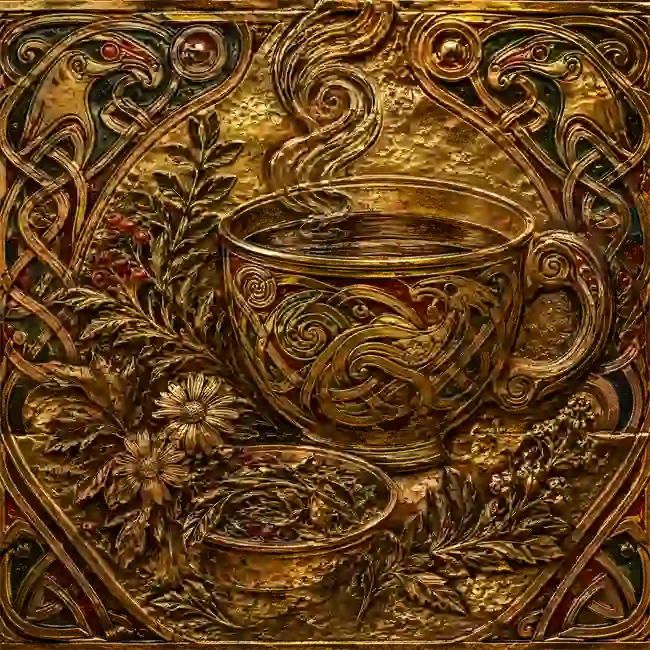
🍵 Recipe: Ancient Celtic-Inspired Woodland Herbal Tea Elixir
🗝️ Legends Behind This Excavated Secret
Picture a humble gathering place where travelers return from the hills, families prepare their evening meal, and aromatic plants are gathered for everyday use. A pot of water warms beside the fire, fresh herbs wait on a wooden board, and the fragrance of crushed leaves fills the room.
This imagined scene captures the spirit of our ancient-inspired herbal tea.
Herbal infusions have a long history across many cultures, but it would be misleading to assign this exact recipe to a particular Celtic tribe or claim that archaeologists discovered it in an ancient vessel. No authenticated recipe containing these precise ingredients and proportions has been established as a five-thousand-year-old Celtic preparation.
Instead, this recipe draws inspiration from the broader history of European plant use and the timeless practice of steeping aromatic herbs in hot water.
Mint contributes a cool, refreshing aroma. Thyme introduces an earthy, savory note. A little lemon peel adds brightness, while honey provides optional sweetness. Together, these ingredients create a balanced infusion that feels rustic without requiring rare or difficult-to-find plants.
The word elixir is used here in its literary sense: a special, carefully prepared drink. It does not mean that the infusion is a medicine, a cure, or a scientifically proven health treatment.
The real secret is wonderfully simple. Good ingredients, gentle heat, and a few quiet minutes can transform ordinary herbs into a memorable sensory experience.
🌿 Ingredients & The Noble Pantry
🌾 The Ancestral Staples
In an ancient-inspired kitchen, ingredients would reflect the local landscape, the season, and what a household could gather, cultivate, or obtain through trade.
Our modern version follows that practical philosophy. We use familiar culinary ingredients rather than suggesting that every component was documented in prehistoric Celtic kitchens.
Mint supplies the main herbal character. Thyme adds depth and a slightly savory fragrance. Lemon peel introduces a bright citrus note, creating a pleasant contrast with the softer herbal flavors. Honey is optional for those who prefer a rounded, naturally sweet finish.
Although these ingredients work beautifully together, the combination is a contemporary culinary interpretation rather than a historically verified Celtic formula.
🧺 Modern Substitutes
Gather the following ingredients for approximately two cups of woodland-inspired herbal infusion.
◦ Fresh mint leaves: Use 8–10 medium leaves. Spearmint is a good choice because its flavor is usually gentle and refreshing. If fresh mint is unavailable, substitute 1 teaspoon of dried culinary mint.
◦ Fresh thyme: Use 2–3 small sprigs. Alternatively, use approximately ¼ teaspoon of dried thyme for a subtler herbal note.
◦ Fresh lemon peel: Use one or two thin strips from a thoroughly washed lemon. Remove most of the white pith to reduce bitterness. If fresh lemon is unavailable, omit it rather than relying on heavily flavored artificial substitutes.
◦ Water: Prepare 500 milliliters of fresh drinking water.
◦ Honey: Prepare 1–2 teaspoons, if desired. You can omit it entirely for an unsweetened infusion.
◦ Optional fresh apple: Add two or three thin slices if you prefer a softer, fruitier flavor. Wash the apple thoroughly before slicing.
Choose food-grade herbs from a trusted supplier. Avoid unidentified wild plants, roadside vegetation, and ornamental plants that may have been treated with pesticides.
⚖️ Ancient Proportions
The following ratios are modern kitchen measurements designed for a balanced flavor. They should not be interpreted as proportions recovered from an archaeological discovery.
◦ Water: 500 milliliters, forming the base of the infusion.
◦ Fresh mint: 8–10 leaves, providing the principal fresh herbal aroma.
◦ Fresh thyme: 2–3 small sprigs, adding an earthy background note.
◦ Lemon peel: 1–2 thin strips, offering a light citrus fragrance.
◦ Honey: 1–2 teaspoons, optional and adjusted to personal taste.
◦ Apple slices: 2–3 thin slices, optional for a mild fruity character.
For a stronger infusion, increase the steeping time slightly before adding more herbs. This gives you better control over the flavor and helps prevent the thyme from overpowering the mint.
🔥 The Chef’s Ancient Ritual
✨ Step 1: Prepare the ingredients.
Wash the fresh mint and thyme under clean running water. Pat them dry gently, then lightly press the mint leaves between your fingers to release their aroma. Avoid crushing them into a paste, which can produce a harsher flavor.
Wash the lemon thoroughly and remove one or two narrow strips of peel.
✨ Step 2: Warm the water.
Pour 500 milliliters of drinking water into a small saucepan or kettle. Heat it until it reaches a gentle boil, then remove it from the heat.
Allow the water to settle briefly. You want it hot enough to extract the herbs' aroma without aggressively boiling the delicate ingredients for several minutes.
✨ Step 3: Gather the woodland flavors.
Place the mint leaves, thyme sprigs, and lemon peel into a heatproof teapot or covered glass container suitable for hot liquids.
If using apple slices, add them now. The fruit will contribute a mild sweetness and a subtle orchard-like fragrance.
✨ Step 4: Begin the infusion.
Carefully pour the hot water over the ingredients. Cover the container and leave everything to steep for approximately 5–7 minutes.
This is the moment to slow down. Notice the changing fragrance as the mint becomes more pronounced and the thyme introduces a deeper herbal note.
✨ Step 5: Taste and adjust.
After five minutes, sample a small amount once it has cooled sufficiently. If you want a stronger flavor, steep for another minute or two.
Strain the infusion into two heatproof cups. Remove the herbs and lemon peel rather than leaving them in the liquid indefinitely, as extended steeping may introduce bitterness.
✨ Step 6: Add the finishing touch.
If you prefer a sweeter drink, stir in 1–2 teaspoons of honey while the infusion is warm, not boiling. For a completely unsweetened version, simply serve it as prepared.
✨ Step 7: Serve with a sense of occasion.
Use simple ceramic cups, a wooden serving board, or a linen cloth to create a rustic presentation. These decorative touches evoke an old-world atmosphere without pretending to reproduce a specific archaeological setting.
Your Celtic-inspired woodland herbal tea is ready to enjoy.
🔥 Secrets of the Ancestral Hearth
A successful herbal infusion depends less on complicated techniques than on careful attention to ingredients, heat, and timing.
• Choose fresh, fragrant herbs. Mint should smell clean and lively, while thyme should have a recognizable herbal aroma. Wilted, moldy, or unusually discolored ingredients should be discarded.
• Avoid prolonged boiling. Boiling the herbs directly for a long time can produce a harsher, less balanced drink. Pouring hot water over them and allowing them to steep gives you greater control.
• Respect the balance of flavors. Thyme has a strong character, so too much can make the infusion taste savory or medicinal. Start with the suggested amount and adjust in later batches.
• Keep the container covered. Covering the teapot during steeping helps retain warmth and aromatic vapors.
• Do not overuse lemon peel. Excessive pith can introduce bitterness. A small, thin strip is generally enough for two cups.
• Treat wild harvesting carefully. Never consume a plant unless its identity is certain and it is known to be suitable for food. Some plants resemble edible species but may be toxic.
• Remember that natural does not automatically mean safe. Herbs can cause allergic reactions or interact with medications. If you are pregnant, breastfeeding, taking medication, or managing a health condition, ask a qualified healthcare professional about the specific ingredients before making herbal infusions a regular habit.
• Store ingredients properly. Keep dried herbs in clean, sealed containers away from heat, moisture, and direct sunlight. Prepare the infusion fresh when possible, and refrigerate leftovers promptly in a clean, covered container.
• Never confuse tradition with medical evidence. This recipe is intended as a culinary drink, not a treatment for illness. Historical associations and traditional stories do not establish that an herb can cure a condition.
The most valuable lesson from the ancestral hearth is patience. Let the ingredients reveal their character naturally instead of trying to force an intense flavor.
🏰❓ Ancient Civilization Origins FAQ
Q1. Did the ancient Celts really drink herbal tea?
People in ancient Europe used plants for food and other purposes, and herbal infusions are a longstanding preparation method across many societies. However, evidence does not establish this exact recipe as a traditional drink shared by all Celtic communities. Specific claims require evidence from the relevant region and historical period.
Q2. Is this a genuine five-thousand-year-old Celtic recipe?
No. It is a modern Celtic-inspired recipe, not an authenticated prehistoric formula. Five thousand years ago, many European communities lived during the Neolithic period, before the historical Celtic cultures identified through later evidence. The recipe uses an ancient-inspired setting rather than claiming an unbroken five-thousand-year-old lineage.
Q3. Can I make this ancient-inspired herbal elixir without special equipment?
Absolutely. A small saucepan or kettle, a heatproof container, a strainer, and two cups are enough. Fresh culinary herbs from a grocery store work well, so there is no need to forage or purchase rare ingredients.
Q4. Is Celtic herbal tea a medicinal drink?
This recipe is presented as a flavorful herbal infusion, not a medicine. Its ingredients should not be assumed to prevent, treat, or cure illness. Anyone with allergies, relevant health conditions, or concerns about medication interactions should seek appropriate professional guidance.
🏺 The Taste of Archaeology
Take a moment before the first sip. The fragrance arrives before the flavor, beginning with mint's fresh aroma, followed by thyme's earthy character and a faint citrus brightness.
The first taste is clean and refreshing. The thyme gives the infusion a little depth, preventing the mint from becoming one-dimensional. Lemon peel lifts the finish, while optional honey softens the edges without completely masking the herbs.
Without honey, the drink has a more rustic, garden-like character. With a small amount of sweetness, it becomes rounder and more suitable for a relaxed afternoon break.
There is no need to imagine that the flavor is identical to something served in a Celtic settlement thousands of years ago. Archaeology cannot establish that sensory comparison from this recipe alone.
Instead, think of the experience as an edible conversation between past and present. The ingredients are familiar, the method is simple, and the atmosphere encourages us to think about how people have used local plants in everyday life.
That is the real taste of archaeology: not an invented certainty, but the pleasure of exploring the past while remaining honest about what we know.
🏡 Final Thoughts: Bringing Antiquity to Your Modern Table
Ancient-inspired cooking becomes most rewarding when it feels approachable. You do not need an elaborate kitchen, expensive equipment, or a collection of rare ingredients to bring a little historical atmosphere into your home.
This Celtic-inspired herbal tea begins with five simple elements: water, mint, thyme, lemon peel, and optional honey. Its preparation offers a small opportunity to step away from a busy routine and enjoy a drink made with care.
You can also adapt the flavor to suit your preferences. Use less thyme for a lighter infusion, omit the honey for an unsweetened version, or introduce a few apple slices for a gentle fruity note. Keep your changes simple so you can understand how each ingredient affects the finished drink.
If you enjoy exploring historical food traditions, take the next step by researching the plants native to the region that interests you. Look for reliable botanical references, museum publications, archaeological studies, and historical food scholarship. These resources can help distinguish documented practices from attractive modern legends.
Most importantly, remember that heritage cooking is not a competition to create the oldest possible recipe. It is an opportunity to appreciate how food connects people to their environment, their memories, and one another.
Prepare a pot, invite a friend to share a cup, and let the conversation wander through ancient landscapes and forgotten culinary traditions. Sometimes, the simplest recipes leave the strongest impressions.
✨ The Golden Hook: The Sacred Union
What if every cup of herbal tea could inspire a new question about the people who came before us?
The ancient world still has countless stories to tell. Some survive through archaeological discoveries, some through historical documents, and others through cultural practices that have changed over generations. Each source offers a different way to understand the relationship between people, plants, and the places they called home.
By recreating historically inspired recipes with honesty and imagination, we can make these stories more accessible to modern readers. We can also encourage greater appreciation for botanical diversity, responsible ingredient sourcing, and the communities that preserve traditional food knowledge.
Join us on this journey through lost ancient recipes, ancestral kitchens, and the culinary secrets of civilizations past. Experiment with the woodland infusion, share your experience, and explore the history behind the ingredients you use.
You do not have to claim that a modern recipe is an untouched relic to make it meaningful. Curiosity, respect, and a willingness to learn are powerful ways to keep cultural heritage alive.
Raise your cup to the storytellers, gardeners, cooks, and knowledge keepers whose traditions continue to inspire our tables today.
📚 Credit to the Keepers of the Culture: The Legacy
This recipe is an original, modern culinary interpretation inspired by the landscapes and broader plant-use traditions associated with ancient Europe. It is not presented as a recovered Celtic manuscript recipe, an authenticated archaeological reconstruction, or a formula proven to be five thousand years old.
The historical framing reflects the importance of distinguishing prehistoric European communities from the later historical Celtic cultures. The ingredients and preparation method are offered as a contemporary home recipe, not as evidence of a specific ancient ritual or medicinal practice.
Readers interested in learning more can consult reputable archaeological museums, academic research on prehistoric European agriculture and plant remains, and scholarly publications about Iron Age communities and Celtic history. Botanical reference works can also help with the responsible identification and culinary use of plants.
We extend our respect to the researchers, archaeologists, historians, botanists, cultural practitioners, and local communities whose work helps preserve and interpret the past.
Their contributions remind us that cultural heritage deserves more than romantic storytelling. It deserves careful research, transparent sourcing, and respect for the limits of historical evidence.
May every exploration of ancient food traditions bring greater curiosity, more thoughtful cooking, and a deeper appreciation of the diverse cultures that have shaped our shared human story.
| 🏰 🏛️🧪 < Back |