
🏠 Home > 🗺️ Recipes > 🏛️🧪 Sacred Infusions & Botanical Tonics > 🏰 Ancient Celts: Sacred Infusions & Botanical Tonics Recipes
🏰 🏛️🧪 Ancient Celts: Sacred Infusions & Botanical Tonics Recipes
Published by Supakorn | Updated: October 2026
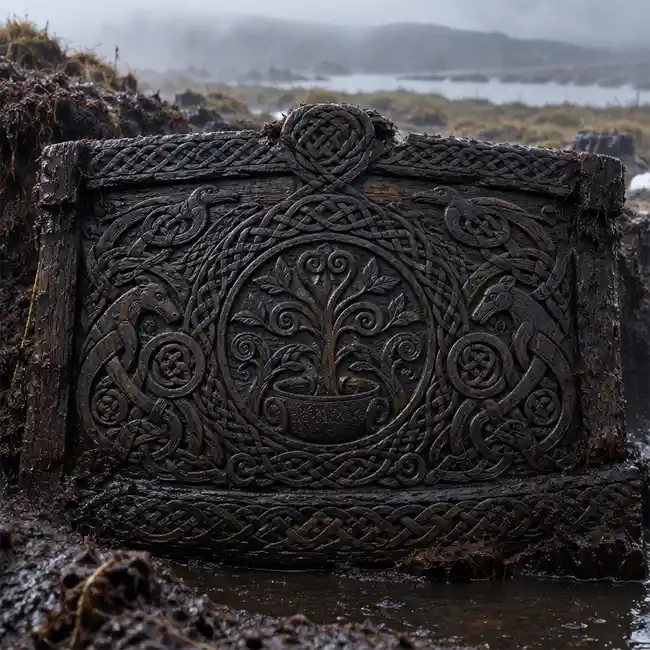
🛎️📜 The Storyteller’s Intro: 5,000 Years of Ancestral Flavors
Imagine walking through a misty European landscape at sunrise. Dew rests on wild grasses, streams wind between wooded hills, and the scent of crushed leaves rises from a small hearth. Nearby, someone prepares a warm botanical infusion, carefully selecting plants gathered from the surrounding countryside. The practice feels ancient, intimate, and deeply connected to the natural world.
This scene offers an evocative way to imagine the relationship between plants, food, and daily life in ancient Europe. Yet there is an important historical detail to understand before we travel any further: the Celts cannot be identified as a single, clearly defined civilization dating back 5,000 years.
The earliest archaeological evidence commonly associated with historically recognizable Celtic cultures belongs to a much later period, particularly the European Iron Age. Celtic languages, communities, and cultural identities developed over time, with different groups occupying regions that today include Ireland, Scotland, Wales, Brittany, parts of Iberia, and central Europe. Their histories were connected, but they were never entirely identical.
So why explore a subject called Ancient Celts: Sacred Infusions & Botanical Tonics through the lens of 5,000 years of ancestral flavors?
Because the story of Celtic botanical traditions becomes even more fascinating when we place it within the much longer history of human relationships with wild plants. People in prehistoric Europe gathered edible leaves, fruits, roots, seeds, and other natural resources long before historians could identify Celtic-speaking communities. Archaeology can help us investigate these early foodways, while later historical and literary sources provide additional, though sometimes complicated, evidence about Celtic societies.
Our journey therefore follows several overlapping historical periods rather than pretending that one unchanging Celtic tradition existed for five millennia.
🕰️ From prehistoric gathering to Celtic antiquity
✦ Around 3000–2000 BCE: Neolithic and early Bronze Age communities. Long before the historically recognizable Celts, communities across Europe cultivated crops, raised animals, gathered wild plants, and developed regional food traditions. These practices provide the deeper prehistoric background to later European botanical knowledge, but they should not automatically be labeled Celtic.
✦ Around 1200–800 BCE: The transition toward the European Iron Age. Communities across Europe experienced changing technologies, exchange networks, settlement patterns, and agricultural practices. The cultural developments that later shaped Iron Age societies emerged through complex regional histories rather than a single founding event.
✦ Around 800–450 BCE: The Hallstatt period. Hallstatt-associated archaeological cultures are important to discussions of early Celtic history, especially in central Europe. Burial evidence, metalwork, settlements, and trade reveal societies with varied social structures and access to regional resources.
✦ Around 450 BCE onward: The La Tène period. La Tène material culture became particularly influential in the study of ancient Celtic societies. Archaeological discoveries reveal distinctive artistic styles, craftsmanship, and connections between communities across substantial parts of Europe.
✦ Approximately the last centuries BCE through the first centuries CE. Roman expansion brought many Celtic-speaking communities into sustained contact with Mediterranean political systems, written records, and new commercial networks. Roman authors documented selected aspects of Celtic life, although their descriptions reflected their own cultural assumptions.
✦ The early medieval period and beyond. Written traditions in Ireland, Wales, and other regions preserved stories, laws, plant names, and cultural memories. Some texts contain valuable evidence about later herbal knowledge, but they cannot automatically be treated as direct records of Iron Age Celtic practices.
This timeline matters because a botanical drink described in a medieval Irish manuscript is not necessarily the same preparation consumed by a person living in central Europe a thousand years earlier. Similarly, a plant discovered at an archaeological site does not, by itself, prove that it was used in a sacred ceremony or medicinal tonic.
Still, the central theme is compelling. For generations, people have explored the practical and symbolic qualities of plants. Leaves could contribute flavor to food, fragrant branches could perfume a room, and certain botanicals could become part of household remedies or ceremonial customs.
🌿 What does a sacred infusion really mean?
In this article, sacred infusions and botanical tonics are descriptive themes rather than names for one historically verified Celtic beverage category.
An infusion generally involves steeping plant material in water or another suitable liquid to extract some of its flavor and aroma. A botanical preparation may also involve crushing, boiling, straining, or combining ingredients. The precise technique depends on the plant, period, and cultural context.
The word sacred, meanwhile, describes a possible cultural or spiritual association, not an automatically established fact about every ancient herbal preparation. Plants might have held symbolic significance in particular communities, but evidence must be examined individually before assigning a specific ritual purpose.
For modern readers, this distinction makes the subject more rewarding, not less. Rather than inventing a lost Celtic recipe and claiming it survived unchanged for 5,000 years, we can explore the evidence, the landscape, the ingredients people may have encountered, and the cultural imagination surrounding botanical knowledge.
That is where our story begins: between the archaeological record, historical interpretation, and the enduring human fascination with the flavors of the natural world.
🌿 Why Plants Mattered in Ancient Celtic Food Culture
For communities living close to the land, food knowledge was inseparable from an understanding of the seasons. The availability of wild plants depended on rainfall, temperature, soil, elevation, and the time of year. A leaf that appeared in spring might be absent by midsummer, while berries and seeds followed their own seasonal rhythms.
Ancient Celtic societies were not simply groups of forest dwellers surviving on wild herbs. Many practiced agriculture and animal husbandry, cultivated grains, maintained settlements, and participated in regional exchange. Botanical resources formed one part of a broader food system that also included cereals, dairy products, meat, fish, and other locally available foods.
🍃 Everyday plants and household knowledge
Depending on location and period, people in ancient Europe could encounter a broad variety of useful plants.
• Hazel: Hazel nuts were an important wild food in parts of prehistoric Europe. Their remains can sometimes survive in archaeological deposits, offering evidence of gathering and consumption.
• Nettle: Nettles have a long history as useful plants in Europe. Their young leaves can be prepared as food when handled and cooked appropriately, although finding nettle remains at a site does not establish precisely how ancient inhabitants used them.
• Yarrow: This flowering plant has a long history of traditional use in European herbal practices. Specific claims about Celtic ceremonial or medicinal applications require evidence from the relevant place and period.
• Mint-family plants: Aromatic plants in this broad family can contribute distinctive scents and flavors. Their use varied across time, and not every aromatic plant found in Europe can be attributed to Celtic communities.
• Meadowsweet: This plant has documented significance in later Irish herbal and literary traditions. It is an intriguing subject for historical investigation, but later references should not be projected uncritically into prehistory.
• Elder: Elder trees provide flowers and berries that have been used in various European food traditions. Their historical applications differed, and some parts of the plant require particular care because they can be harmful if consumed improperly.
These examples illustrate the diversity of European botanical resources rather than presenting a proven list of ingredients in a single ancient Celtic tonic.
🏺 Food, fragrance, and meaning
Plants did not have to be consumed to matter culturally. A fragrant branch could be associated with a place, a seasonal gathering, or a household custom. Certain trees might appear in stories, poems, or later religious traditions. Others were valued simply because they supplied food, fuel, construction materials, or useful fibers.
The challenge is distinguishing practical use from symbolic interpretation. Archaeologists may recover seeds, pollen, charcoal, or plant impressions, while historians may find plant names in texts written centuries later. These sources answer different questions.
When we discuss sacred botanical traditions, the most responsible approach is to recognize both the possibilities and the limits of the surviving evidence.
🏺 Iconic Excavated Menus: Ancient Celtic Botanical Traditions
One of the most exciting parts of ancient food history is discovering what survives after centuries underground. Archaeological evidence rarely provides a complete menu, and it almost never preserves an exact recipe with ingredient quantities and cooking instructions. Nevertheless, plant remains, pottery residues, food deposits, and settlement evidence can reveal important details about how ancient people obtained and prepared food.
For this topic, the names below are best understood as evidence-inspired menu concepts and archaeological food categories, not authenticated titles of ancient Celtic recipes.
🌿 1. Meadowsweet Herbal Infusion
A fragrant botanical infusion inspired by meadowsweet, a flowering plant associated with later Irish herbal traditions. Its delicate floral character evokes the ancient European relationship between wild plants, seasonal landscapes, and traditional botanical knowledge.
🍃 2. Wild Mint Woodland Infusion
Inspired by aromatic mint-family plants found across Europe, this infusion concept celebrates fresh herbal aromas and the long-standing human appreciation of fragrant leaves. It represents a botanical tradition worth exploring through archaeological and historical research.
🌼 3. Yarrow Meadow Botanical Tonic
Inspired by yarrow, a familiar flowering plant in European landscapes, this botanical preparation reflects the historical interest in wild herbs and their varied traditional uses. Its name evokes sunlit meadows and the plant knowledge passed between generations.
🌳 4. Elderflower Spring Infusion
Inspired by the delicate blossoms of the elder tree, this seasonal infusion concept celebrates the floral aromas and changing landscapes of ancient Europe. It connects botanical heritage with the broader history of gathering and using locally available plants.
🍯 5. Wildflower Honey & Botanical Infusion
A nature-inspired combination of floral botanicals and honey, presented as a modern historical interpretation rather than a verified ancient Celtic recipe. Its gentle sweetness evokes the relationship between gathered natural ingredients and traditional European food culture.
🌱 6. Nettle Leaf Hearth Infusion
Inspired by nettles, plants with a long history of practical use in Europe, this concept reflects the resourcefulness of households that relied on knowledge of local vegetation. It evokes the warmth of the household hearth and the seasonal rhythms of rural life.
🌿 7. Woodland Herb & Hazel Grove Infusion
A botanical concept inspired by the hazel groves and woodland environments of prehistoric Europe. It celebrates the relationship between wild landscapes, gathered foods, and the environmental knowledge that supported ancient communities.
🌸 8. Heather Blossom Highland Infusion
Inspired by the purple flowering heather of European uplands, this infusion concept evokes misty hills, open moorlands, and the distinctive botanical character of cooler landscapes. It offers a heritage-inspired interpretation of the connection between regional plants and cultural identity.
🍎 9. Wild Apple & Aromatic Herb Infusion
A fruit-and-herb concept inspired by Europe's long history of gathering and cultivating edible plants. Its fresh orchard character celebrates seasonal ingredients while inviting further exploration of how fruit use varied between prehistoric and later Celtic-speaking communities.
🌾 10. Barley & Meadow Botanical Preparation
Inspired by the cereal-based food traditions of ancient Europe, this concept combines the imagery of cultivated grain fields with aromatic meadow plants. It highlights the connection between agricultural life, local vegetation, and the everyday food practices of ancient communities.
🌺 11. Meadowsweet & Wildflower Botanical Blend
A floral botanical concept inspired by meadowsweet and other flowering plants of the European countryside. It evokes the colors, scents, and seasonal diversity of traditional landscapes while acknowledging that a specific ancient Celtic blend has not been established.
🌲 12. Sacred Grove Botanical Infusion
A heritage-inspired name drawing on the association between sacred landscapes, trees, and ritual imagery in discussions of ancient Celtic societies. It is an imaginative modern concept, not the documented name of a surviving ancient recipe.
🌿 13. Ancient Woodland Aromatic Elixir
Inspired by the rich botanical diversity of European woodlands, this evocative title celebrates the relationship between plants, fragrance, and traditional knowledge. The word elixir is used here as a literary description, not a claim of historical authenticity or medicinal effectiveness.
🌼 14. Golden Meadow Floral Tonic
A floral botanical concept inspired by flowering meadows and the seasonal abundance of the European countryside. Its golden imagery suggests sunlight, wild blossoms, and the enduring appeal of plant-based culinary traditions.
🏞️ 15. Highland Springs Botanical Infusion
Inspired by the streams, upland habitats, and native vegetation of parts of ancient Europe, this infusion concept evokes freshness and a close relationship with the natural environment. It serves as a modern tribute to the landscapes that shaped regional foodways.
🍃 16. Ancestral Garden Leaf Infusion
A heritage-inspired botanical concept celebrating the accumulated knowledge of edible and aromatic plants across generations. Its name evokes household gardens, gathered leaves, and the continuing study of historical European plant traditions.
🌸 17. Celtic Wildflower Heritage Blend
A modern botanical concept inspired by the diversity of flowering plants across regions associated with Celtic languages and cultures. It celebrates cultural heritage without suggesting that one standardized botanical mixture was shared by every ancient Celtic community.
🌿 18. Forgotten Woodland Botanical Brew
An evocative, historically inspired title celebrating the mystery of ancient plant use and the discoveries that help researchers reconstruct early European food culture. It is a contemporary concept rather than an authenticated recipe recovered from an archaeological site.
🔎 How archaeologists reconstruct ancient menus
Researchers combine several kinds of evidence to build a picture of ancient diets.
• Plant macroremains: Seeds, nutshells, fruit pits, and cereal grains can identify foods that entered particular archaeological contexts.
• Pollen and microscopic plant evidence: These can contribute information about vegetation and land use, although pollen does not automatically prove consumption.
• Residue analysis: Organic traces in vessels may help researchers investigate what containers held or how they were used, subject to preservation and analytical limitations.
• Pottery and cooking equipment: Vessels, hearths, and related tools provide clues about food preparation and household activity.
• Stable isotopes and other scientific methods: Depending on the sample and research question, these techniques can contribute information about diet, agriculture, and patterns of food consumption.
Together, these sources can reveal an ancient food culture without requiring us to invent a complete recipe book that the archaeological record has not preserved.
🏡 Daily Life and Ancient Celtic Dining Customs
To understand ancient Celtic botanical traditions, it helps to imagine the ordinary household rather than focusing exclusively on legendary druids or powerful chiefs. Most people needed dependable meals, clean water where available, suitable fuel, and practical ways to make use of seasonal ingredients.
Life differed considerably between farming settlements, coastal communities, upland regions, and larger centers of exchange. There was no single Celtic dining culture that applied equally to every region.
🔥 The household hearth: The heart of everyday cooking
The hearth was an important feature of domestic life in many ancient European communities. It supplied heat, supported cooking, and provided a place where household members could gather.
Depending on the period and location, everyday food preparation might include:
• Cooking grains into soft, filling dishes.
• Preparing vegetables, gathered greens, and other available plant foods.
• Cooking meat or fish when these foods were available.
• Processing nuts, fruits, and seeds for immediate consumption or storage.
• Using suitable herbs to contribute aroma and flavor to food.
A botanical infusion, where prepared, would have fitted into this wider practical world. However, it is important not to assume that every household routinely prepared herbal drinks or that every preparation had a sacred meaning.
Some plants were likely valued primarily for food, others for fragrance, and still others for traditional uses that varied between communities. The surviving evidence does not provide a complete record of household recipes.
🧺 Seasonal gathering and the rhythm of the year
Seasonality shaped the relationship between ancient European communities and their surrounding landscapes.
• Spring: New leaves and shoots appeared, creating opportunities to gather selected edible plants. Knowledge of plant identification would have been important, although the specific practices of individual Celtic communities are not always documented.
• Summer: Longer days encouraged agricultural work, while fruits and other wild resources became available in different environments.
• Autumn: Harvesting, gathering nuts, and preparing stores for colder weather could become especially important.
• Winter: Communities relied more heavily on stored foods, preserved resources, and supplies gathered or produced earlier in the year.
These seasonal patterns offer a useful framework for understanding ancient food traditions. They should not be mistaken for a universal Celtic calendar of herbal ceremonies, however. Specific seasonal customs require evidence from the relevant culture and period.
🏛️ Did Celtic nobles eat differently from ordinary households?
Social position could influence access to food, particularly at large gatherings or in communities with established hierarchies. Archaeological evidence from certain Iron Age sites suggests differences in wealth, trade connections, food consumption, and access to distinctive objects.
Prestigious feasts could communicate hospitality, political relationships, or social standing. Fine metalwork, decorated vessels, and the organization of communal meals could contribute to the atmosphere of an important gathering.
Yet the lives of Celtic communities varied widely. Not every settlement had an elite household, and not every feast followed the same customs.
It is tempting to imagine a noble household serving rare botanical tonics in elaborate vessels while guests listened to storytellers. Such a scene makes a beautiful historical illustration, but its individual details should be presented as imaginative reconstruction unless supported by evidence.
The more defensible conclusion is that food, hospitality, social identity, and the availability of local resources were interconnected in many ancient communities.
🗺️ Travel Through Ancient Celtic Landscapes: Food, Plants, and Heritage Tourism
If you want to explore the world behind ancient Celtic food traditions, begin with the landscapes themselves. Archaeological sites and heritage museums can reveal how people lived, traded, farmed, and interacted with their surroundings.
The following destinations offer different ways to investigate ancient European history. They are not all evidence of the same Celtic community, and each should be understood within its own archaeological context.
🏞️ 1. Hallstatt, Austria — Exploring Early Iron Age Connections
Hallstatt is closely associated with an important archaeological culture of the European Iron Age. The surrounding Alpine landscape also illustrates how geography could shape settlement, resource use, and movement between regions.
For visitors interested in ancient food history, Hallstatt offers opportunities to explore:
• The relationship between archaeological discoveries and everyday life.
• The importance of regional resources in ancient economies.
• The ways archaeologists interpret burial evidence and material culture.
• The difference between an archaeological culture and a modern national or ethnic identity.
Hallstatt is particularly valuable for understanding the wider historical background to early Celtic studies. It should not be described as a preserved Celtic botanical kitchen, since the evidence does not establish such an attraction.
🏺 2. Bibracte, France — An Ancient Settlement on Mont Beuvray
Bibracte was a major fortified settlement associated with the Aedui, a Gallic people of the late Iron Age. Its archaeological remains provide a window into settlement organization, craft production, exchange, and daily activities.
A visit or virtual exploration can inspire questions about ancient food preparation:
• What did people cultivate or obtain through trade?
• How did domestic spaces support food preparation?
• What can pottery and other excavated objects reveal about household routines?
• How might local woodland resources have contributed to everyday life?
The surrounding wooded landscape also makes Bibracte a compelling place to consider the historical relationship between people and plants.
However, a woodland setting alone does not prove that a specific tree, herb, or plant was used in a particular Celtic ritual. Responsible interpretation separates the landscape that survives today from the evidence available for ancient practices.
🏰 3. Oppidum of Manching, Germany — Understanding Iron Age Urban Life
Manching is an important archaeological site associated with a large Late Iron Age settlement in central Europe.
Its remains help researchers investigate settlement development, craft production, trade, and the material conditions of everyday life.
For food-history enthusiasts, the site raises interesting questions about how larger communities obtained and processed their food.
• Did access to goods differ between households?
• How did exchange networks affect the ingredients available to residents?
• What can archaeological plant remains reveal about agriculture and gathering?
• How did the organization of a settlement influence daily routines?
These questions are especially useful when studying botanical traditions because they place plants within a functioning society rather than treating them as isolated symbols of mystery.
🌄 4. The Boyne Valley, Ireland — Monumental Landscapes and Later Traditions
Ireland contains remarkable prehistoric monuments, including the passage tomb complexes of the Boyne Valley. These monuments are much older than the historically documented Gaelic literary traditions often associated with Celtic heritage.
That distinction is essential. A prehistoric monument cannot automatically be attributed to the Celts simply because it stands in a region with later Celtic languages and traditions.
Nevertheless, the Boyne Valley offers an excellent opportunity to explore the deep history of human relationships with land, ancestry, memory, and ceremonial places.
Visitors can investigate how different generations interpreted their surroundings and how modern heritage presentations distinguish archaeological evidence from later storytelling.
🌿 Responsible botanical heritage tourism
When exploring ancient food traditions, look for museums, archaeological interpretation centers, botanical gardens, and heritage programs that explain their evidence clearly.
A worthwhile experience should help visitors understand:
• Which ingredients have been identified archaeologically.
• Which preparations are reconstructed from historical sources.
• Which stories belong to later folklore or modern interpretation.
• How local ecosystems have changed over time.
• Why some traditional plant uses should not be reproduced without appropriate knowledge and safety precautions.
The aim is not to strip ancient food culture of its mystery. It is to appreciate that the real history of plants and people is complex enough to be fascinating without exaggerated claims.
🚣 Rivers, Lakes, and Coastal Routes: The Waterways of Ancient Celtic Life
Waterways deserve a place in any exploration of ancient European food culture. Rivers, lakes, and coastal routes supplied resources, shaped settlement patterns, and helped connect communities.
They were not simply picturesque backdrops. In many regions, water influenced where people lived, what they could obtain, and how goods moved between settlements.
🛶 Rivers as routes of exchange
Major rivers in central and western Europe served as important corridors for movement and exchange during different periods of antiquity.
The Rhine, Rhône, Danube, and their tributaries connected different landscapes and communities. Their importance changed over time according to geography, political conditions, and the development of trade networks.
For food history, these connections matter because ingredients do not always originate where they are consumed. Archaeological discoveries can help researchers investigate the movement of goods, although an imported object or ingredient must be interpreted within its specific context.
Waterways also connected inland settlements with other sources of food and materials. Fish, freshwater resources, and plants from riverbanks could contribute to local diets where conditions permitted.
🌱 Riverbanks and botanical resources
Wetlands and river margins support distinctive plant communities. Some plants found in these environments can be used as food, while others have practical applications or historical associations with traditional herbal knowledge.
However, the presence of a particular species beside a river does not prove that ancient inhabitants gathered it, consumed it, or used it in a sacred infusion.
Researchers need evidence connecting plant remains to human activity before making such claims.
This distinction is particularly important for anyone interested in ancient Celtic botanical tonics. The surrounding environment helps us identify what might have been available, but availability alone cannot establish actual use.
🗺️ Following the waterways today
Modern heritage travelers can explore river landscapes alongside museums, reconstructed settlements, and archaeological sites.
Consider focusing your journey on:
• Archaeological museums that explain regional trade and daily life.
• Historic landscapes where the relationship between settlements and water remains visible.
• Local botanical collections that help identify regional plant species.
• Educational walking routes that distinguish verified history from later folklore.
These experiences connect ancient food history with the living geography of Europe while keeping the historical interpretation grounded in evidence.
⛪❓ Ancient Civilization FAQ: Unlocking Botanical Kitchen Mysteries
Q1:Did the Ancient Celts have sacred herbal infusions 5,000 years ago?
There is no reliable basis for describing a unified Celtic tradition of sacred infusions dating back 5,000 years. Historically recognizable Celtic cultures belong to a much later period, especially the European Iron Age.
Prehistoric communities in Europe gathered and used plants long before that period, but their practices should not automatically be labeled Celtic. Specific claims about ceremonial beverages require evidence appropriate to the place and period concerned.
Q2:Have archaeologists discovered written recipes for ancient Celtic botanical tonics?
There is no established collection of complete Iron Age Celtic botanical tonic recipes comparable to a modern cookbook.
Archaeologists can recover plant remains, pottery, food residues, and other evidence that helps reconstruct aspects of ancient diets. Later manuscripts and literary traditions provide additional information about plant knowledge in particular regions.
These sources can be valuable, but they do not necessarily provide exact ingredient ratios, preparation instructions, or proof of an unbroken tradition stretching back thousands of years.
Q3:Which herbs did the ancient Celts use for traditional drinks?
The answer depends on the region, date, and type of evidence.
Plants such as meadowsweet and other aromatic botanicals are relevant to the study of later European and insular herbal traditions. However, it would be misleading to publish a definitive list of ancient Celtic infusion ingredients without supporting archaeological or historical evidence for each example.
Modern reconstructions should clearly identify their sources and distinguish documented historical information from experimental interpretation.
Q4:Can modern readers safely recreate ancient Celtic botanical tonics?
Not every historical or traditional plant preparation is suitable for modern consumption. Plant identification can be difficult, and some species contain harmful substances or interact with medicines.
A historical reference is not proof of safety, effectiveness, or an appropriate modern dosage. Anyone considering a botanical preparation should rely on reliable identification, current safety guidance, and qualified professional advice when relevant.
For historical cooking projects, it is often more appropriate to begin with well-documented edible ingredients and treat uncertain ancient preparations as subjects for research rather than recipes to consume.
🧠 Final Thoughts: The Timeless Allure of Antique Gastronomy
The story of ancient Celtic botanical traditions is ultimately a story about people learning to live with the landscapes around them.
Long before modern supermarkets, standardized recipes, and printed cookbooks, communities depended on seasonal knowledge, agricultural experience, local resources, and the accumulated observations of earlier generations. Plants supplied food, flavor, materials, and inspiration, while their cultural meanings changed between places and periods.
The archaeological record does not reveal one complete collection of sacred Celtic infusions preserved unchanged for 5,000 years. Instead, it offers something more intellectually rewarding: fragments of a much larger human story.
A nutshell can reveal evidence of gathering. A seed can contribute to the reconstruction of an ancient diet. A vessel may provide clues about food preparation. A later manuscript can preserve plant names or traditional associations. Each piece of evidence adds another layer to our understanding, even when the original recipe remains unknown.
For travelers, this history also creates a meaningful way to explore Europe. Ancient settlements, museums, river landscapes, and botanical heritage collections invite us to look beyond familiar legends and discover the societies that shaped these regions.
And for food enthusiasts, the subject opens the door to future investigations into prehistoric ingredients, historically documented plant preparations, and carefully researched culinary reconstructions.
The most intriguing ancient recipe is not always the one with the most dramatic legend. Sometimes, it is the one that encourages us to ask better questions about the people who gathered an ingredient, the landscape where it grew, and the knowledge that allowed it to become part of everyday life.
Our exploration of Ancient Celts: Sacred Infusions & Botanical Tonics is only the beginning. The next stage is to investigate individual ingredients, regional evidence, and historically grounded food preparations—one discovery at a time.
🏛️ Credit to the Keepers of the Culture (The Legacy)
Ancient European food history belongs to a shared human heritage, preserved through archaeological research, historical scholarship, museum collections, local traditions, and the careful work of cultural communities.
This article acknowledges the contributions of archaeologists, archaeobotanists, historians, museum professionals, and heritage custodians who study ancient societies and help distinguish material evidence from later interpretation.
It also recognizes the importance of Irish, Scottish, Welsh, Breton, and other communities whose languages, literature, cultural practices, and historical landscapes continue to inspire research into the diverse societies commonly discussed under the broad heading of Celtic history.
Respecting this legacy means avoiding the invention of unsupported traditions or presenting modern reconstructions as authenticated ancient recipes. It also means recognizing that historical knowledge evolves as new discoveries are made and existing evidence is reassessed.
The purpose of exploring ancient botanical foodways is not to claim ownership of a culture or promise miraculous effects from its plants. It is to encourage curiosity, preserve historical context, and appreciate the knowledge that researchers and communities continue to protect.
May every ancient seed, surviving artifact, and carefully interpreted tradition remind us that food history is more than a record of what people ate. It is a window into how they lived, understood their surroundings, and passed knowledge between generations.
🏛️🧪 Forgotten Celtic Herbal Infusions: Ancient Woodland Wisdom in Every Cup
👉 Sip Ancient Celts' Sacred Infusions & Botanical Tonics
| 🌐 🏛️🧪 < Back | 🏰 🍯 < Previous |