
🏠 Home > 🗺️ Recipes > 🏛️🍯 Wild Earth Sweets & Foraged Bites > 🏰 Ancient Celts: Wild Earth Sweets & Foraged Bites Recipes > 🏛️🍯 1.Honey-Glazed Hazelnut and Meadowsweet Celtic Bannock
🏛️🍯 Unearthing the Forgotten Sweets of the Ancient Celtic Hearth
Published by Supakorn | Updated: October 2026
⚔️🛡️ Ancient Civilization Origins: Ancient Iron Age Celtic Lands & The Wild Atlantic Fringe
📜 The Storyteller’s Intro: 5,000 Years of Ancestral Flavors
Step closer to the low-burning peat fire and let the damp chill of the ancient moorland fade away. Imagine yourself standing beneath a vast, star-swept canopy of a primeval European forest, long before stone circles were draped in moss and history was ever written down in ink. In those days, sweetness was not something you bought in a tidy paper bag down the lane; it was a rare, hard-won gift whispered by the shifting seasons, foraged from the gnarled roots of ancient woods, sun-drenched brambles, and deep, amber-rich forest bee hives.
When the ancient Celtic tribes gathered as dusk settled over the rugged highlands and emerald valleys, their feasts were celebrations of survival, kinship, and deep spiritual communion with the untamed earth. They didn't have refined sugars, modern ovens, or electric mixers, yet their hearths produced delicacies that sang with the pure, unadulterated soul of the land. Tonight, we are unearthing one of those deeply guarded treasures: a fragrant, earthy, foraged sweetcake baked on hot river stones, humming with the wild perfume of roasted hazelnuts, crushed meadowsweet blossoms, and thick, dark autumn honey. Grab your wooden spoon and let’s journey back across the millennia together.
🌍 The Global Value of Antique Heritage
Long before global trade routes crisscrossed the continents, indigenous communities across the globe held a profound, sacred reverence for the edible ecosystem around them. The ancient Celtic approach to gathering sweets was a masterclass in ecological harmony—a living blueprint of sustainable harvesting that modern food culture is only now beginning to remember. Preserving these antique culinary heritage secrets does more than just fill our kitchens with nostalgic, rustic aromas; it connects us directly to the ancient ancestral wisdom of our forebears.
Every time we forage for wild berries, roast heritage grains over an open flame, or steep floral petals the way the Iron Age tribes once did, we are keeping a flickering flame of human history alive. This isn't just about recreating an old dessert; it is about honoring a global tapestry of traditional knowledge. It proves that centuries ago, ordinary people possessed an extraordinary, intuitive understanding of flavor, nutrition, and natural preservation that modern industrial food systems have largely forgotten.
🍃 The Culinary Resurrection
Resurrecting a culinary ghost from five thousand years ago is an act of delicious alchemy. When we dust off the forgotten lore of the ancient Celtic hearth, we aren't just looking backward—we are bringing a rich, complex, and utterly unique flavor profile straight into our modern homes. The culinary resurrection of these foraged sweets shatters the myth that ancient food was bland, coarse, or uninspired. Instead, it reveals a sophisticated palate deeply attuned to the nuances of wild herbs, toasted nuts, and uncultivated fruits.
By taking these long-lost recipes and gently adapting them for today's kitchens, we bridge a vast chasm of time. We invite our ancestors to sit at our tables, transforming a simple weekend baking project into a profound sensory ritual that feeds both the body and the curious, history-loving soul.
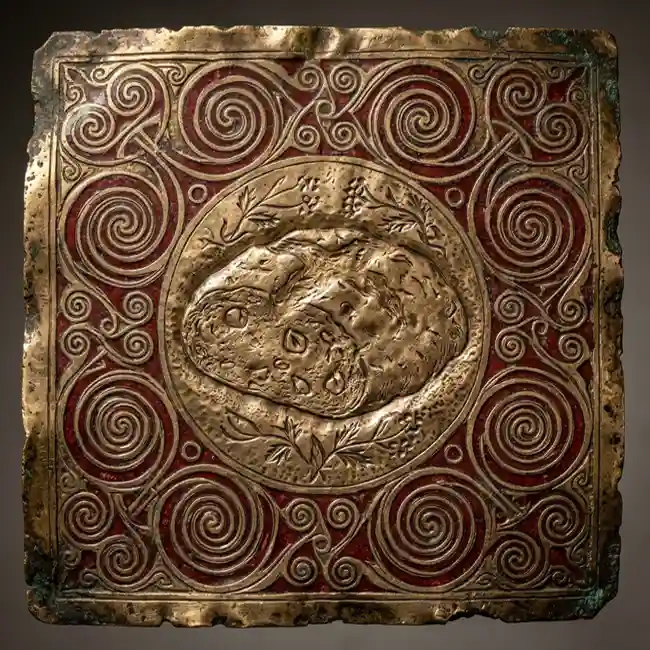
🍯 Recipe: Honey-Glazed Hazelnut and Meadowsweet Celtic Bannock
🏰 Legends Behind This Excavated Secret
Unearthed from the peat-stained archaeological layers of a Bronze Age settlement near the misty shores of the Scottish Highlands, this traditional foraged sweetcake—often called a bannock—was wrapped in damp dock leaves and baked in the glowing embers of a communal fire. According to local folklore, these sweet cakes were prepared during the festival of Samhain to welcome returning ancestral spirits, offering them the sweet comfort of wild honey and roasted autumn harvest rewards. The tribal elders believed that the intoxicating perfume of meadowsweet—a sacred herb known among the Celtic druids as the "queen of the meadow"—had the magical power to clear the mind, soothe the spirit, and open a mystical gateway to the old gods.
🧺 Ingredients & The Noble Pantry
🌿 The Ancestral Staples
Long before modern grocery stores filled our pantries, the early Celtic tribes relied on the shifting bounty of the wild landscape. Their pantry was the living forest, the rushing riverbank, and the sunlit clearing. They gathered rich mast from towering hazel groves, hand-ground wild emmer and barley grains using heavy stone querns, and collected golden, amber honey from wild bee colonies hidden deep within ancient oak hollows. Every single ingredient carried a distinct story of survival, seasonal change, and deep-rooted respect for the earth.
🔄 Modern Substitutes
◦ Wild Emmer or Barley Flour: Whole wheat pastry flour or organic spelt flour (easier to source today while keeping that wonderfully rustic, nutty crumb).
◦ Foraged Hazelnuts: Standard raw hazelnuts, lightly toasted to awaken their deep, buttery oils.
◦ Fresh Meadowsweet Blossoms: Dried organic meadowsweet tea or elderflower blossoms (both offer a gorgeously sweet, honey-almond aroma).
◦ Wild Forest Honey: Pure, raw dark buckwheat honey or wildflower honey.
◦ Rendered Animal Fat / Clarified Butter: Organic grass-fed unsalted butter or coconut oil for a rich, golden sear.
◦ Wild Blackberry and Rowan Berry Paste: Dried unsweetened currents or tart dried cranberries rehydrated in warm water.
📋 Ancient Proportions
◦ 2 cups whole wheat pastry flour (or organic spelt flour for an authentic rustic texture)
◦ 1/2 cup finely chopped raw hazelnuts, gently toasted over a dry skillet
◦ 2 tablespoons dried meadowsweet blossoms (or elderflower for a similar floral note)
◦ 1/3 cup pure raw dark honey, plus an extra drizzle for finishing the crust
◦ 1/4 cup cold grass-fed butter or coconut oil, cut into small pieces
◦ 1/4 cup wild dried currents or chopped dried tart berries
◦ A generous pinch of unrefined sea salt
◦ 1/2 cup cool spring water (add slowly until a soft, pliable dough forms)
🔥 The Chef’s Ancient Ritual
1.Awaken the Dry Elements: In a large, deep earthenware bowl, whisk together your whole wheat pastry flour, unrefined sea salt, and the crushed meadowsweet blossoms. Feel the fragrant floral notes rise into the air just as the ancient gatherers once experienced in their forest clearings.
2.Work the Fats by Hand: Drop in your chilled pieces of grass-fed butter or coconut oil. Using your fingertips, gently rub the fat into the flour mixture until it resembles coarse, golden sand with small pea-sized bits remaining.
3.Incorporate Wild Treasures: Fold in your toasted, crunchy hazelnuts and the dried currents or tart berries, ensuring they are evenly distributed throughout the dry blend.
4.Bind with Honey and Water: Pour in the raw dark honey and slowly drizzle in the cool spring water. Stir gently with a wooden spoon until a cohesive, slightly sticky dough forms. Do not over-knead; the secret to a tender ancient bannock is a gentle, hurried touch.
5.Shape the Hearth Cake: Turn the dough out onto a lightly floured wooden board. Pat it gently into a round, flat disk roughly one inch thick. Use a blunt wooden knife to score a deep cross right across the top—an ancient Celtic symbol of protection and sharing.
6.Bake Over Moderate Heat: Heat a heavy cast-iron skillet over medium-low heat and grease it lightly with a touch of butter. Carefully place your bannock onto the hot surface. Cook for about 10 to 12 minutes per side until the crust develops a deeply golden, caramelized, and rustic char.
7.The Honey Glaze Finish: The exact moment you lift the warm cake from the heat, brush the top generously with a final layer of raw honey so it melts and sinks into the warm, fragrant cracks. Allow it to cool slightly on a woven cloth before breaking it apart by hand to share.
⚠️ Secrets of the Ancestral Hearth
◦ Don't Over-Work the Dough: Just like traditional soda breads, handling the dough too much will develop too much gluten, turning your delicate rustic cake into a heavy brick. Keep your touch light and fast!
◦ Watch Your Skillet Heat: Because honey is a natural sugar that caramelizes quickly, keep your cooking pan at a moderate or medium-low heat. If the pan is blazing hot, the outside will burn before the dense center has a chance to bake through.
◦ Sourcing Meadowsweet: If you cannot find raw meadowsweet blossoms at a local herbal apothecary, certified organic elderflower is your absolute best aromatic substitute to maintain that authentic floral essence.
◦ Resting is Essential: Let the warm bannock rest on a clean tea towel for at least 15 minutes after cooking. This allows the internal moisture to settle and the honey-hazelnut flavors to deepen beautifully.
🕍❓ Ancient Civilization Origins FAQ
Q1: Did ancient Celts really use honey to sweeten their bread and cakes?
A: Absolutely! Before sugar cane made its way into European trade networks, wild honey was the primary sweetener for Celtic tribes, prized both for its rich flavor and its natural preservative qualities.
Q2: Why was meadowsweet such an important herb in ancient Celtic cooking?
A: Meadowsweet was revered not only for its distinct, intoxicating aroma that smells remarkably like sweet almonds and honey, but also because early herbalists used it to soothe digestion and celebrate seasonal seasonal feasts.
Q3: Can I bake this ancient bannock in a modern oven instead of a skillet?
A: Yes, you certainly can! If you prefer oven baking, preheat your oven and a heavy baking stone or cast-iron skillet to 200 degrees Celsius (400 degrees Fahrenheit) and bake the disk for about 20 to 25 minutes until golden and hollow-sounding when tapped.
Q4: How long will these foraged sweetcakes stay fresh?
A: Because these traditional cakes are dense and rustic, they keep wonderfully when wrapped tightly in parchment paper and stored in a cool pantry for up to 3 days. Simply warm them briefly over a dry pan before serving!
🌲 The Taste of Archeology
Taking your very first bite of this honey-glazed hazelnut and meadowsweet bannock is nothing short of a time-traveling experience. The texture is wonderfully dense, rustic, and satisfying, offering a hearty bite that grounds you instantly in the rhythms of the earth. As you chew, the rich, buttery crunch of toasted hazelnuts rolls across your palate, immediately followed by the subtle, haunting floral sweetness of meadowsweet and dark raw honey. It tastes wild, honest, and deeply comforting—a true masterpiece of ancient survival dining that proves our ancestors knew exactly how to treat themselves well after a long day of foraging.
🍂 Final Thoughts: Bringing Antiquity to Your Modern Table
There is something deeply grounding and profoundly magical about stepping away from the blinking screens of modern life and recreating a recipe that nourished human beings thousands of years ago. Bringing antiquity to your modern kitchen isn't about fussing over complicated culinary techniques or fancy plating; it’s about slowing down, tuning into the natural rhythms of the seasons, and appreciating the incredible bounty that the earth provides.
When you bake this ancient Celtic sweetcake in your own home, you are doing more than just trying out a fun new recipe—you are actively participating in an unbroken human tradition of gathering, storytelling, and sharing warmth around a shared hearth. So light a candle, put on some gentle folk tunes, and invite the spirit of the ancient woods into your weekend. Your modern kitchen will thank you for the rustic soulfulness it brings.
🤝 The Golden Hook (The Sacred Union)
History is not meant to stay trapped behind dusty museum glass or buried beneath layers of damp peat—it is meant to be tasted, celebrated, and shared around our modern tables! If this journey into the wild, forgotten sweet traditions of the ancient Celtic lands stirred your soul, join our growing circle of history lovers and food archaeologists. Drop a comment below sharing your favorite foraged ingredient, subscribe to our weekly journal for more unwritten kitchen secrets from ancient civilizations, and let's keep the sacred fire of our ancestors burning brightly together!
📜 Credit to the Keepers of the Culture (The Legacy)
This culinary recreation is lovingly inspired by the invaluable oral histories, archaeological excavations of Iron Age settlement sites across the British Isles, and the tireless dedication of ethnobotanists and tribal historians who strive to keep traditional ancestral knowledge alive. We honor the indigenous gatherers, ancient hearth cooks, and traditional land stewards whose deep, intuitive understanding of the natural world laid the delicious foundation for every recipe we cherish today.
| 🏰 🏛️🍯 < Back |