
🏠 Home > 🗺️ Recipes > 👑🥗 Aristocratic Garden Greens (Salads) > 🇦🇺 Australia Aristocratic Garden Greens (Salads) Recipes
🇦🇺 👑🥗 Australia Aristocratic Garden Greens (Salads) Recipes
Published by Supakorn | Updated: September 2026
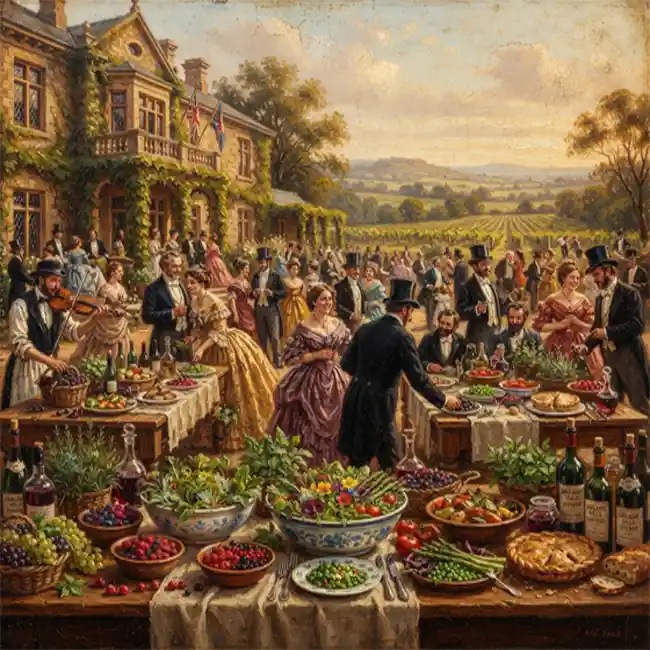
⚔️📜 The Storyteller's Intro: Secrets from the Squattocracy Table
Okay, let's be honest — when most people think "aristocracy," they picture powdered wigs and stone castles in Europe, not sun-baked paddocks and gum trees. But here's the thing: Australia did grow its own version of nobility, and it's a story that doesn't get told nearly enough.
They called them the "squattocracy" — the wealthy pastoral families who, from the early 1800s onward, claimed vast stretches of grazing land and built homesteads that functioned like miniature manor estates. Think wraparound verandahs, imported English roses fighting for survival next to native scrub, and kitchen gardens tended by generations of station cooks. Over roughly two centuries, this pastoral elite developed a food culture that quietly blended two very different worlds: the formal, garden-salad traditions they brought with them from Britain, and the deep, tens-of-thousands-of-years-old knowledge of native greens held by Aboriginal communities, whose custodianship of this land's edible plants stretches back far longer than any homestead fence line.
You can roughly split this culinary story into a few eras. There's the early colonial period, when homestead gardens were desperately trying to recreate an English kitchen garden in impossible soil and unforgiving heat. Then comes the "gold rush gentry" era, when new money built grand estates and competitive dinner parties turned garden salads into a genuine status symbol. And finally, there's the late pastoral golden age, when long-established grazing dynasties had settled into a confident, distinctly Australian style — one that finally stopped fighting the landscape and started working with it, folding native saltbush, warrigal greens, and bush herbs into what had once been a strictly European salad bowl.
What's fascinating is how much these garden greens meant socially. A well-dressed salad wasn't just food — it was a quiet flex. It said: we have a gardener, we have irrigation, we have the leisure time to care about presentation. Old station diaries and homestead recipe books (the kind passed down, dog-eared and stained, through generations of housekeepers) hint at "secret" dressings, particular vinegar blends, and garden layouts that were genuinely guarded like family heirlooms. Some of that lore is still whispered about in rural communities today.
🗺️ The Royal Culinary Tourism: Mapping Flavors to Historic Landscapes
If you're the kind of traveler who likes your history with a side of flavor, Australia's old pastoral estates are an absolute goldmine. Many of the grand homesteads built by these landed families are still standing — some restored as heritage sites, some turned into boutique stays, and a few still working properties run by descendants of the original squatter families.
Wandering through a preserved kitchen garden at one of these estates is like walking through a living recipe book. You'll spot heirloom lettuce varieties still growing in the same beds they occupied 150 years ago, alongside stone-walled herb gardens designed to trap warmth and block the wind. Guides at these properties often share half-remembered stories about which family "owned" a particular salad dressing recipe, or which cook was famous three generations back for a garden green nobody else could grow successfully in that soil.
For food-history travelers, the real charm is in the details: hand-forged garden tools still on display, ledgers listing seed orders from English nurseries, and old kitchen journals with cryptic notes like "as before, but add the wild greens from the creek line — Cook's secret." It's culinary tourism that rewards curiosity, and every region seems to have its own quietly guarded version of the aristocratic garden salad.
🚣 Cradle of Royal Delicacies — River Country & Coastal Estates
Australia's river valleys and coastal fringes were where many of the earliest and wealthiest pastoral estates took root, and it shows in the food story. Rich alluvial soil along river systems like the Hawkesbury and the Murray meant that homestead gardens here could actually thrive, unlike the drier inland runs further west.
Coastal and riverside estate gardens leaned heavily into leafy abundance — cool-climate lettuces, watercress pulled straight from spring-fed creeks, and delicate herbs that simply couldn't survive further inland. Local legend around several of these old properties holds that certain "garden salad" recipes were closely tied to a particular creek or spring on the estate, since the mineral content of that specific water was believed to change the flavor of the greens grown with it. Whether or not that's scientifically true, it made for wonderful storytelling around the dinner table — and it gave these coastal aristocratic households genuine bragging rights among their peers.
These river and coastal properties also became the entry point for a lot of trade-influenced ingredients — imported olive oils, specialty vinegars off arriving ships, citrus groves planted specifically to provide fresh dressing components. If you're planning a food-history trip along Australia's eastern river systems or coastal heritage trails, this is where the "aristocratic salad" story really begins.
⛰️ Kingdom of Wild Aromatics & Heritage — High Country & Inland Runs
Push further inland and up into the high country, and the story shifts completely. Out here, on the sprawling inland sheep and cattle runs, formal English kitchen gardens struggled against drought, frost, and distance from any port. So the great pastoral families who settled this rugged, aromatic country had to get resourceful — and that's where things get genuinely interesting.
Homestead cooks in these regions leaned on hardy native plants that could survive where imported lettuce simply couldn't: peppery bush greens, wild sorrel-like leaves growing along gully lines, and native herbs foraged from the surrounding scrub with guidance often passed on from local Aboriginal knowledge-holders who understood this country intimately. Combined with whatever hardy European herbs could be coaxed to survive — rosemary, thyme, the toughest mint varieties — inland station kitchens developed a "wild aromatic" salad style that was distinctly their own, worlds away from the manicured coastal gardens.
Old high-country station lore is full of stories about particular gullies or hillsides being treated as a kind of private pantry — a spot where a specific wild green grew best, known only to the head cook and passed down like a closely held secret. Some of these high-country properties are now open for heritage tourism, and walking the old garden terraces with the mountain air still carrying that same wild herbal scent is genuinely something special.
🍽️ The Guarded Menu: Signature Secrets of the Squattocracy Table
Every great estate had at least one salad it was quietly famous for — the kind of dish that never made it into a published cookbook, only ever passed mouth to mouth between cooks and housekeepers. Here are a few of the legendary names still whispered about in old pastoral circles.
✦ The Homestead's Hidden Green — A closely guarded coastal-estate salad said to feature a private blend of creek-grown watercress and delicate herbs, reportedly known only to the head cook and never written down in full.
✦ Squatter's Table Secret — An inland station classic, built around wild, peppery bush greens foraged from a single hillside the family treated as their own private pantry.
✦ The Overseer's Quiet Bowl — A humble-looking but highly prized dish rumored to have been served only to favored guests, its dressing recipe reportedly locked away in a family ledger for generations.
✦ Highland Run Whisper Greens — A high-country specialty built from tough, aromatic wild herbs that could survive frost and drought, said to carry a flavor found nowhere outside that particular gully.
✦ The Verandah Heirloom — Named for the shaded homestead verandah where it was traditionally served, this salad is remembered as the centerpiece of formal estate dinners, its exact recipe still debated by descendants today.
✦ River Bend Gentry Greens — A riverside estate favorite, tied to local legend about a specific spring whose water was believed to change the character of the greens grown beside it.
These names alone hint at just how much mystery still surrounds the old aristocratic garden tradition — full recipes for each are coming in a dedicated follow-up.
⚔️ Royal FAQ: Unlocking Palace Kitchen Mysteries
Q1.Did Australia actually have "royal" food traditions like European countries?
Not royal in the monarchy sense — Australia never had its own crowned aristocracy. But the wealthy pastoral "squattocracy" families of the 1800s and early 1900s built a genuine landed-gentry lifestyle, complete with grand homesteads, formal gardens, and a food culture that mirrored aristocratic dining traditions from Britain while slowly absorbing native ingredients.
Q2.Why were garden salads considered such a status symbol?
Growing a lush, varied salad garden in Australia's harsh conditions took serious resources — water, skilled gardeners, imported seed stock, and time. A beautifully composed garden salad quietly announced wealth and refinement at the dinner table, long before anyone said a word about it.
Q3.Are any of these old aristocratic garden recipes still around today?
Fragments survive in old homestead diaries, housekeeping ledgers, and family-passed recipe cards, though many full recipes were never formally written down — they were taught hands-on, cook to cook, generation to generation, which is part of what makes them feel so mysterious now.
Q4.What made the inland "wild" salads so different from the coastal ones?
Distance and climate. Coastal and river estates could grow classic English-style lettuces and herbs. Inland and high-country properties had to lean on hardy native greens and tough aromatic herbs, creating a rougher, wilder, more distinctly Australian salad style.
🧠 Final Thoughts: The Timeless Allure of Aristocratic Gastronomy
There's something quietly magnetic about this whole story — the idea that scattered across Australia's old pastoral heartland, hidden in yellowed kitchen ledgers and half-remembered garden layouts, there are salad traditions that once meant genuine social prestige. Two very different food worlds, colonial garden formality and deep native plant knowledge, slowly folding into something entirely new and entirely Australian.
We've only scratched the surface here — the culture, the landscape, the legends behind the gardens. The actual recipes, the specific dressings, the exact greens and how they were prepared? That's a story for its own dedicated page, coming soon. If any of this sparked your curiosity, keep an eye out — the next chapter dives straight into the kitchen.
👑 Credit to the Keepers of the Culture (The Legacy)
Deep respect and acknowledgment go to the Aboriginal and Torres Strait Islander peoples, whose knowledge of native Australian plants and bush greens spans tens of thousands of years and forms the true foundation beneath any story about "wild" ingredients on this land. Genuine gratitude also goes to the rural and regional families, heritage estate custodians, and local historians who have preserved old homestead gardens, kitchen journals, and oral traditions — keeping these fragile, half-forgotten food stories alive for the rest of us to discover.
👑🥗 The Vice-Regal Garden Salad: An Aristocratic Recipe Lost to Time
👉 Savor Elite Australian Aristocratic Salads
| 🌐 👑🥗 < Back | 🇦🇺 👑🍲 < Previous | Next > 🍞👑 🇦🇺 |