
🏠 Home > 🗺️ Recipes > 🏛️🧪 Sacred Infusions & Botanical Tonics > 🧱 Babylonian: Sacred Infusions & Botanical Tonics Recipes > 🏛️🧪 1.The Royal Sacred Date & Pomegranate Restorative Tonic (Sumerian-Babylonian Elixir)
🏛️🧪 Reclaiming the Elixirs of Antiquity: The Forgotten 5,000-Year Babylonian Wellness Secrets
Published by Supakorn | Updated: July 2026
🧱 📜 Ancient Civilization Origins: Mesopotamia & The Fertile Crescent
⏳ The Storyteller’s Intro: 5,000 Years of Ancestral Flavors
Hey there, my fellow history buffs and curious kitchen adventurers! Pull up a chair, pour yourself a fresh cup of tea, and let’s take a journey back in time together. Imagine standing right in the heart of ancient Mesopotamia around 3000 BCE. You are surrounded by the towering ziggurats of Babylon, listening to the rhythmic rush of the Euphrates River, and breathing in air thick with the aromas of wild thyme, sweet date syrup, crushing pomegranate seeds, and simmering ancient botanicals. It feels otherworldly, doesn't it?
Five thousand years ago, long before modern pharmacy shelves, wellness trends, or synthetic supplements ever existed, the healers and master cooks of ancient Babylonia were creating extraordinary restorative elixirs. To the ancient Mesopotamians, food and drink were never just fuel for the physical body; they were sacred conduits of divine energy, natural medicine, and profound hospitality. When someone entered a Babylonian home, they weren't handed a basic cup of water—they were offered a carefully crafted herbal tonic designed to restore their life vigor, soothe bodily inflammation, and protect them against the harsh desert elements.
For centuries, many of these legendary recipes were thought to be completely lost to the shifting sands of time. However, through modern archaeological excavations and painstaking translation of ancient cuneiform clay tablets, we have unlocked these remarkable culinary secrets. Today, we are bringing these sacred ancient elixirs out of the historical archives and directly into your modern home kitchen!
🌍 The Global Value of Antique Heritage
Have you ever wondered why we feel such a deep, instinctual attraction toward ancient recipes? In our fast-paced modern world of processed meals and instant gratification, we have slowly lost our intimate connection with natural whole foods. Returning to ancient heritage recipes is far more than just a fun weekend cooking experiment; it is an empowering journey of rediscovering how our ancestors lived in total harmony with the natural world.
The ancient Babylonians possessed a shockingly sophisticated understanding of botanical balance. They understood how bitter herbs could stimulate digestion, how raw wildflower honey could act as a potent antibacterial natural preservative, and how tart fruit acids could purify and refresh the bloodstream. By studying and recreating these 5,000-year-old drinks, we tap into millennia of time-tested botanical wisdom. We aren't just tasting history—we are honoring a global human heritage that spans back to the very dawn of civilizational agriculture.
✨ The Culinary Resurrection
Resurrecting a 5,000-year-old recipe is like taking a paintbrush and restoring a forgotten ancient masterpiece. When cuneiform scholars first translated tablets discovered in regions like Nippur and Ur, they found fascinating lists of medicinal herbs, fruits, seeds, and precise brewing procedures. However, these ancient scribes didn't write recipes like modern cookbooks with exact teaspoons or oven temperatures—they wrote in poetic, observational terms!
Our mission today is culinary resurrection. We have taken those fascinating cuneiform records and translated them into simple, accurate, and easy-to-follow steps that you can effortlessly execute in your own kitchen. Best of all, we have ensured every single ingredient is 100% alcohol-free, wholesome, natural, and readily accessible at your local grocery store or online market. Are you ready to awaken the ancient hearth and taste a drink that hasn’t been poured in millennia? Let's dive right in!
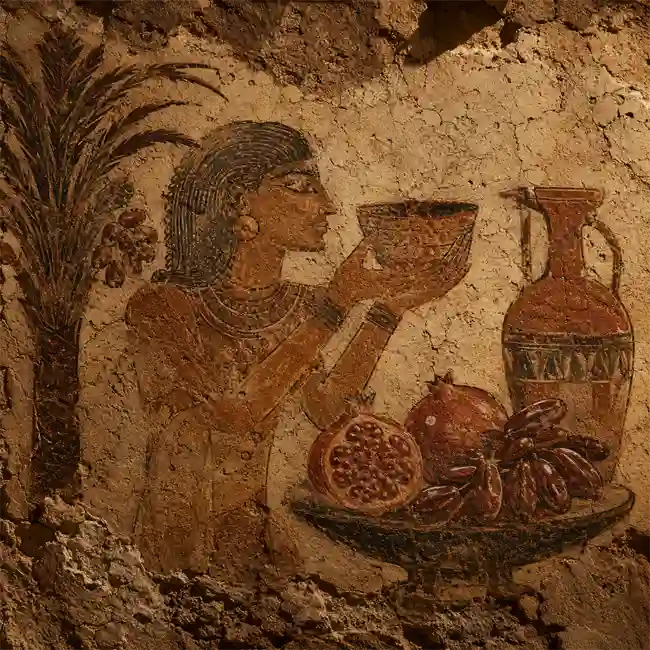
🧪 Recipe: The Royal Sacred Date & Pomegranate Restorative Tonic (Sumerian-Babylonian Elixir)
📖 Legends Behind This Excavated Secret
This magnificent restorative elixir is inspired by royal feast tablets and temple records uncovered in ancient Mesopotamia. In Babylonian lore, the date palm was revered as the "Tree of Life," symbolizing infinite abundance, fertility, and vitality. Pomegranates, with their vibrant ruby-red seeds, were considered sacred gifts from the goddess Ishtar, symbolizing renewal, blood health, and divine protection.
According to ancient tablet translations, this specific botanical blend was frequently prepared by temple herbalists for kings, high priests, and weary travelers returning from long journeys across the Fertile Crescent. It was prized for its ability to instantly restore physical stamina, clear throat hoarseness, and uplift low spirits. Drinking this tonic was viewed as a sacred ritual of purification—a liquid blessing that harmonized the mind, body, and spirit.
🌿 Ingredients & The Noble Pantry
• The Ancestral Staples
The core foundation of this recipe relies heavily on foundational Mesopotamian ingredients. Fresh whole pomegranates provide a tart, astringent, and antioxidant-rich base. Rich date syrup (known in ancient cuneiform texts as 'Lal') delivers a deep, caramel-like natural sweetness full of essential minerals like potassium and magnesium. Dried botanical herbs like crushed thyme and ground coriander seeds add subtle earthy, aromatic herbal notes that balance the fruity sweetness perfectly.
• Modern Substitutes
While our ancestors gathered fresh dates and wild pomegranate fruits directly from palace gardens, you can easily gather everything you need today at any well-stocked market! If you cannot find pure date syrup, high-quality raw unpasteurized honey or pure blackstrap molasses makes an excellent substitute. If fresh pomegranates aren't in season, 100% pure unsweetened cold-pressed pomegranate juice works fantastically. For herbs, standard dried organic thyme and whole coriander seeds from your spice rack will yield astounding historic flavors!
• Ancient Proportions
◦ Pure cold-pressed pomegranate juice (unsweetened): 2 cups (480 ml)
◦ Filtered mountain water: 1 cup (240 ml)
◦ Pure dark date syrup (or raw unpasteurized honey): 3 tablespoons
◦ Organic dried whole leaf thyme: 1 teaspoon
◦ Whole coriander seeds (lightly crushed): 1/2 teaspoon
◦ Fresh squeezed lemon juice: 1 tablespoon
◦ Fresh ginger root (thinly sliced): 1 small piece (approx. 1 inch)
◦ Pomegranate arils (seeds) & fresh mint sprigs: For ceremonial garnish
🔥 The Chef’s Ancient Ritual
1.Awakening the Botanicals: In a small mortar and pestle (or using the flat side of a heavy kitchen knife), gently crush the whole coriander seeds just enough to crack open their shells and release their fragrant, citrusy aromatic oils.
2.Simmering the Ancestral Base: In a ceramic or stainless steel saucepan, combine the 1 cup of filtered water, cracked coriander seeds, dried thyme, and sliced fresh ginger root. Bring the mixture to a gentle, rolling boil over medium-high heat.
3.The Sacred Infusion: As soon as the water reaches a boil, immediately reduce the heat to your lowest stove setting. Cover the pan with a tight lid and let the herbs gently steep for 10 to 12 minutes. This slow infusion extracts the deep medicinal oils without boiling away delicate flavor compounds.
4.Straining & Merging: Remove the saucepan from the heat. Strain the warm herbal liquid through a fine-mesh sieve or cheesecloth into a glass pitcher, discarding the spent herbs and ginger.
5.Adding the Royal Nectars: While the herbal tea is still warm, stir in the 3 tablespoons of pure date syrup until completely dissolved. Next, pour in the 2 cups of pure pomegranate juice and 1 tablespoon of fresh lemon juice. Stir gently with a wooden spoon in a clockwise motion, just as ancient temple stewards once did.
6.Chilling & Serving: Allow the tonic to cool to room temperature. You can serve this beverage warm in rustic stoneware mugs for a cozy restorative experience, or chill it in the refrigerator for 2 hours and serve over ice in clear goblets garnished with fresh pomegranate seeds and mint leaves.
🛡️ Secrets of the Ancestral Hearth
◦ Never Boil the Fruit Juices: The ancient Mesopotamians always added fresh fruit juices after removing herbal infusions from direct flame. Heating pomegranate juice to high boiling temperatures destroys delicate vitamin C and creates a harsh, burnt acidity. Keep your fruit juice raw and fresh!
◦ Lightly Toast Your Spices: For an extra layer of authentic ancient depth, dry-toast your cracked coriander seeds in a warm pan for just 30 seconds before adding water. This unleashes rich, nutty aromatic notes that make the tonic taste truly divine.
◦ Adjusting Natural Sweetness Balance: Pomegranates can vary significantly in tartness depending on the season. Always taste your mixture after adding date syrup. If it feels too tart on your tongue, add an extra teaspoon of date syrup or honey. If it feels too sweet, a tiny squeeze of additional lemon juice restores crisp balance instantly.
◦ Glass or Ceramic Vessels Only: Avoid storing or brewing this tonic in unlined aluminum or iron pots. The natural fruit acids in pomegranate juice react with reactive metals, altering the delicate ancient flavor profile and darkening the radiant ruby color.
👑 Ancient Civilization Origins FAQ
Question 1:Did ancient Babylonians really drink tonics like this every day?
Answer: Yes! Clean drinking water was often difficult to preserve in ancient desert climates. Herbal tonics brewed with boiled water, naturally antimicrobial herbs, date syrups, and acidic fruit juices were essential daily beverages that provided vital hydration, nutrition, and natural disease protection.
Question 2:Can I store this ancient tonic in my refrigerator for later use?
Answer: Absolutely! Once cooled, store your tonic in an airtight glass bottle or glass jar in the refrigerator. It stays delightfully fresh, vibrant, and delicious for up to 4 to 5 days. Make sure to give it a quick shake before serving!
Question 3:Is this recipe completely safe and non-alcoholic?
Answer: 100% yes! While ancient Mesopotamia was famous for its early grain-brewing techniques, this specific botanical recipe focuses exclusively on non-alcoholic herbal, fruit, and spice restorative tonics designed for everyday health and family consumption.
Question 4:What makes date syrup better than standard white sugar in this recipe?
Answer: Date syrup is a minimally processed whole-food sweetener loaded with potassium, magnesium, iron, and rich antioxidants. Beyond its impressive health benefits, date syrup provides a complex, molasses-like caramel flavor that white refined sugar simply cannot match!
🏺 The Taste of Archeology
Taking your very first sip of this resurrected Babylonian elixir is a surreal and deeply grounding sensory experience. On the initial sip, your palate is greeted by the bright, tangy punch of ruby-red pomegranate juice, quickly followed by the rich, velvet warmth of caramel date syrup. As the liquid glides down your throat, lingering aromatic herbal notes of earthy thyme, warm ginger, and citrusy coriander emerge gracefully.
It doesn't taste like modern artificial sodas or sickly sweet processed drinks. Instead, it tastes remarkably complex, clean, grounding, and alive. You are literally tasting the exact flavor profile that Babylonian kings, artisans, and families cherished along the banks of the Euphrates River thousands of years ago!
🏠 Final Thoughts: Bringing Antiquity to Your Modern Table
Recreating historical recipes reminds us that cooking is one of humanity’s oldest and most beautiful forms of art and storytelling. When we step into our kitchens to prepare a 5,000-year-old recipe, we bridge the vast gap of time between our fast-paced modern digital lives and the slow, intentional wisdom of ancient civilizations.
You don't need expensive equipment, specialized archaeological tools, or rare exotic botanicals to enjoy the magic of ancient food culture. With simple whole-food ingredients, a humble saucepan, and a curious spirit, you can bring the legendary flavors of ancient Mesopotamia directly to your family's dinner table today. Try preparing this tonic during your next weekend gathering or peaceful quiet evening—it is guaranteed to spark wonderful conversations and create unforgettable culinary memories!
🤝 The Golden Hook (The Sacred Union)
Now that you hold the keys to this 5,000-year-old Babylonian secret, we warmly invite you to join our growing global community of ancient food lovers and culinary historians! Did you make this royal elixir at home? Did you add your own creative herbal spin to the recipe?
We would love to hear all about your kitchen adventure! Leave a comment down below, share your photos with us on social media, and pass this ancient recipe along to friends and family who love history, healthy living, and unique culinary discoveries. Together, let's keep the sacred heritage and forgotten flavors of human history alive for generations to come!
🏛️ Credit to the Keepers of the Culture (The Legacy)
"This recipe is inspired by the ancient culinary archives and clay tablet inscriptions of Mesopotamia. We have carefully adapted the measurements for modern kitchens while preserving its sacred ancestral soul."
| 🧱 🏛️🧪 < Back |