
🏠 Home > 🗺️ Recipes > 🏛️🧪 Sacred Infusions & Botanical Tonics > 🧱 Babylonian: Sacred Infusions & Botanical Tonics Recipes
🧱 🏛️🧪 Babylonian: Sacred Infusions & Botanical Tonics Recipes
Published by Supakorn | Updated: July 2026
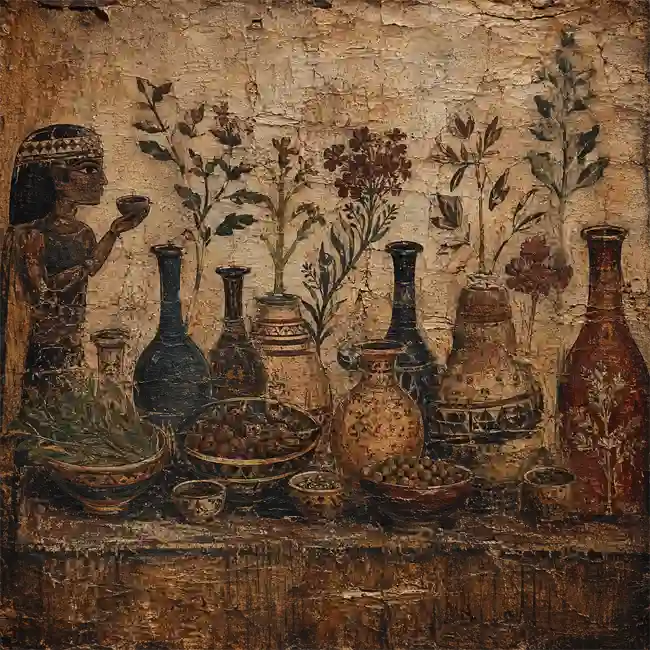
🧱 📜 The Storyteller’s Intro: 5,000 Years of Ancestral Flavors
Hey there, fellow food history enthusiasts and curious travelers! Have you ever taken a sip of a hot herbal brew on a cold morning and wondered where that whole tradition actually started? If we set our time machines back roughly 5,000 years, we won't end up in a modern artisanal cafe. Instead, we’ll land right in the heart of ancient Mesopotamia, the legendary cradle of civilization situated between the Tigris and Euphrates rivers. Long before modern mixology or wellness trends took over our social media feeds, the ancient Babylonians were mastering the intricate art of blending herbs, roots, flowers, and natural sweeteners into deeply meaningful brews.
When we talk about the history of Babylonia, we are looking at a rich tapestry spanning multiple grand epochs. It all kicked off during the Early Dynastic and Akkadian periods (around 2900 BCE to 2150 BCE), where early city-states began organizing agriculture and systematically documenting plant life. Then came the Old Babylonian Period (around 1894 BCE to 1595 BCE), famous for King Hammurabi and a massive explosion in written literature, mathematics, and complex culinary traditions. Following a few centuries of transition, the Neo-Babylonian Empire (around 626 BCE to 539 BCE) brought unprecedented architectural marvels like the Hanging Gardens and the Ishtar Gate, alongside lavish royal banquets where botanical tonics took center stage.
To the Babylonians, gathering plants and steeping them in pure river water wasn't just about quenching thirst or grabbing a quick refresh. It was a sacred bridge between the earthly realm and the divine cosmos. Every leaf, seed, and blossom carried a specific vitality or spiritual resonance. High priests, healers known as asû, and palace cooks worked in tandem, treating plant-based infusions as both everyday nourishment and protective elixirs. They believed that by consuming these sacred botanical extractions, they were absorbing the very essence of the sun, the soil, and the celestial forces that nourished their fertile homeland.
📜 Iconic Excavated Menus: From Clay Tablets to Pharaoh Tombs
If you think ancient people ate bland or boring meals, the archaeological record is here to completely blow your mind! Archaeologists excavating ancient Mesopotamian ruins have uncovered thousands of cuneiform clay tablets—most notably the famous Yale Culinary Tablets dating back to around 1730 BCE. These tiny, dense slabs of baked clay serve as the world's oldest written cookbooks. They show us that Babylonian master chefs and herbalists were obsessive about flavor profiles, aromatic layering, and functional wellness.
Here is a look at some of the most iconic, historically documented botanical infusions and sacred tonics that were steeped, boiled, and served in the grand palaces and temple courtyards of ancient Babylonia:
◦ The Sacred Date Palm & Licorice Elixir (Mû Sâmtu)
A deeply comforting warm infusion made by simmering dried mountain licorice root with dark, syrupy date paste and crushed coriander seeds. This rich, sweet potion was revered in royal households for soothing digestion and bringing warmth during cool desert nights.
◦ The Golden Saffron & Cardamom Temple Brew
Reserved primarily for temple priests and high royalty, this vibrant golden tonic featured rare saffron threads infused with bruised cardamom pods, wild thyme, and a touch of raw mountain honey. It was served during sacred planetary rituals to honor the goddess Ishtar.
◦ The Tigris Mint & Myrtle Refreshment (Mû Bâllukku)
A crisp, aromatic infusion crafted from fresh wild river mint, crushed myrtle leaves, and toasted fennel seeds. Palace servants kept large clay amphorae of this refreshing botanical mix cooling in shady subterranean cellars for hot midday gatherings.
◦ The Juniper & Cedarwood Protective Infusion
A woodsy, resinous steeped brew combining crushed juniper berries, clean mountain cedar tips, and wild sage. Believed to possess powerful purifying qualities, this astringent tonic was often consumed before religious ceremonies to cleanse both body and spirit.
◦ The Roasted Barley & Fig Botanical Wash
A hearty, earthy daily tonic made from slow-roasted hull-less barley, dried black figs, and crushed cumin seeds boiled in fresh spring water. It served as a highly nutritious, hydrating base drink for common workers, royal builders, and traveling merchants alike.
◦ The Pomegranate Blossom & Rosehip Elixir
A tart, ruby-red infusion made by steeping dried pomegranate flowers, wild rosehips, and sweet licorice root. Known for its vivid color and refreshing acidity, this drink was a centerpiece at seasonal harvest festivals celebrating fertility and abundance.
🗺️ Ancient Culinary Tourism: Mapping Flavors to Historic Landscapes
Imagine stepping off a trade boat and stepping directly into the bustling streets of ancient Babylon. As a traveler back then, your senses would be immediately overwhelmed by a kaleidoscope of sights, sounds, and smells. Ancient culinary tourism wasn't about Michelin-starred restaurants; it was about wandering through vibrant open-air bazaars, visiting sacred temple grounds, and resting at roadside caravanserais where travelers from all over the known world exchanged stories, spices, and regional recipes.
The way people consumed food and drinks in Babylonia depended heavily on their social standing, yet botanical tonics were a universal constant. In daily life, an average Babylonian family would start their morning in a simple mud-brick home, drinking a light barley and herb tea alongside flatbreads, fresh dates, and salted fish. Meanwhile, in the sprawling palaces of Babylon, Ur, and Nippur, royals dined on elaborate banquets featuring slow-cooked meat stews seasoned with rare mountain herbs, accompanied by continuously flowing carafes of chilled fruit and botanical infusions.
If you were a traveler trekking through the dusty roads of ancient Iraq today, visiting archaeological sites like the ruins of Babylon near modern-day Hillah, you could almost hear the echoes of those ancient market stalls. Walking along the ancient Processional Way, you are literally retracing the steps of ancient visitors who traveled hundreds of miles just to sample the legendary botanical tonics, sweet date preserves, and exotic spice blends that made Babylonia the culinary envy of the ancient Near East.
🚣 The Fertile Crescent & Nile Sovereignty: Riverbed Agriculture
You simply cannot talk about Babylonian culinary mastery without talking about the mighty Tigris and Euphrates rivers. These historic waterways were the absolute lifeblood of the Fertile Crescent. Unlike other regions that suffered from harsh, barren landscapes, the valley between these twin rivers featured extraordinarily rich, alluvial silt deposited by annual spring floods. This unique environment allowed ancient Mesopotamians to build sophisticated canal networks, turning arid mudflats into lush, green agricultural wonderlands.
This riverbed agriculture gave Babylonian botanists and cooks access to an incredible abundance of fresh ingredients:
◦ Aromatic River Herbs: Lush banks produced endless supplies of wild mint, watercress, coriander, and fenugreek, which formed the fragrant baseline for almost every sacred infusion.
◦ Abundant Date Palm Groves: So essential to life that the Babylonians had over 100 different words for dates! Date syrup (mâtqu) was the primary sweetener for all botanical tonics and remedies.
◦ Hearty Grains & Pulses: Fields of barley, emmer wheat, chickpeas, and lentils flourished along the canals, providing the starch and roasted grains needed for daily nourishing brews.
◦ Cultivated Fruit Orchards: Irrigated gardens yielded rich harvests of pomegranates, figs, quinces, and apples, providing natural fruit sugars and tangy juices for complex beverages.
Down south in neighboring Egypt, the Nile River was creating a very similar agricultural miracle. While the Egyptians had their own distinct traditions, the two great river-valley civilizations constantly observed and influenced one another. The fertile riverbeds of both regions proved that when human ingenuity marries abundant water and rich soil, incredible culinary traditions naturally blossom.
🏜️ Oasis & Desert Trade Route Banquets: Caravan Luxuries
While the river valleys provided the fresh green herbs and staple crops, it was the vast desert trade routes that elevated Babylonian botanical tonics into true luxury elixirs. Babylon sat right at the crossroad of major ancient trade arteries linking the Mediterranean Sea, the Persian Gulf, the Indus Valley, and the distant mountains of Central Asia. Long lines of camel caravans braved harsh desert sands and rocky mountain passes to bring exotic delicacies straight to the gates of Babylon.
When these weary trade caravans arrived at desert oases or stepped through the city gates, lavish banquets were held to welcome the merchants and negotiate business deals. These caravan banquets were legendary affairs where hosts showed off their wealth through exotic botanical preparations:
◦ Saffron from the Northern Mountains: Highly prized for its intoxicating aroma and brilliant golden hue, making any temple tonic instantly look and taste like liquid royalty.
◦ Cardamom & Exotic Spices from the East: Brought via maritime trade routes, these warming spices added complex, zesty notes to traditional date and honey infusions.
◦ Resins & Aromatics from the Southern Deserts: Frankincense, myrrh, and rare cedar gums were transported across desert tracks, used sparingly to infuse tonics with piney, resinous flavors.
◦ Dried Mountain Licorice Root: Carried from stony northern hillsides, providing a natural, intense sweetness that preserved well across long desert journeys.
Sitting under a woven tent at a desert oasis, sipping a cool, spice-infused botanical tonic while listening to lute music and merchant tales, was the ultimate luxury experience of the ancient world!
🧐 Ancient Civilization FAQ: Unlocking Palace Kitchen Mysteries
Q1.How do modern historians actually know what ancient Babylonian tonics tasted like?
We owe almost everything we know to cuneiform clay tablets! Ancient Mesopotamian scribes were incredibly detailed record-keepers. They didn't just record tax payments and royal decrees; they meticulously carved out recipes, ingredient lists, and medical instructions into wet clay before baking them. By translating these tablets and analyzing ancient pottery fragments with modern organic residue testing, chemical archaeologists can pinpoint exact traces of herbs, fruits, and spices used thousands of years ago.
Q2.Did children and ordinary citizens drink these botanical infusions, or were they only for royalty?
Botanical infusions were enjoyed by everyone, but the quality of ingredients varied widely based on class! Common citizens and field workers drank simple, nourishing daily brews made from roasted barley, local river mint, wild thyme, and dates. On the flip side, rare imported spices like saffron, exotic floral blossoms, and pure mountain honey were luxury items strictly reserved for royal palace banquets and sacred temple rituals.
Q3.Were these botanical tonics used more for health and healing or for everyday pleasure?
To the ancient Babylonians, there was no sharp line separating food, medicine, and spiritual wellness! A tonic crafted to soothe a sore throat or calm an upset stomach was also designed to taste delicious and align the drinker's spiritual energy. Healers (asû) and culinary masters worked closely together, viewing every herb, spice, and fruit as a natural gift designed to keep the mind, body, and spirit in perfect harmony.
🧠 Final Thoughts: The Timeless Allure of Antique Gastronomy
Stepping back into the world of ancient Babylonia reminds us that our human connection to plants, natural flavors, and wellness isn't a modern invention—it’s an ancient instinct passed down through thousands of generations. The creative ways ancient Mesopotamians blended riverbed herbs, desert spices, and sweet palm syrups show a deep respect for the natural world and a sophisticated understanding of flavor that still inspires us today.
While we’ve explored the rich history, the vibrant trade routes, and the fascinating culture behind these ancient brews, we are just scratching the surface of what these historical ingredients can do. Stay tuned, because in our upcoming posts, we’ll be opening up the ancient vault and breaking down the exact step-by-step master recipes and modern adaptation techniques so you can recreate these magical, 5,000-year-old Babylonian sacred infusions right in your own kitchen!
🏛️ Credit to the Keepers of the Culture (The Legacy)
We extend our deepest gratitude, respect, and admiration to the brilliant Assyriologists, archaeologists, historians, and linguists whose tireless dedication brought the cuneiform tablets of ancient Mesopotamia back to life. Special credit goes to the academic custodians at Yale University for preserving the priceless Yale Culinary Tablets, as well as museum curators, field researchers, and translators around the globe. Without their passion for unearthing human history, the vibrant culinary secrets and botanical wisdom of ancient Babylonia would have remained buried beneath the desert sands forever.
🏛️🧪 Reclaiming the Elixirs of Antiquity: The Forgotten 5,000-Year Babylonian Wellness Secrets
👉 Sip Irresistible Babylonian Elixirs: Sacred Infusions & Botanical Tonics
| 🌐 🏛️🧪 < Back | 🧱 🍯 < Previous |