
🏠 Home > 🗺️ Recipes > 🍨 Desserts > 🇧🇳 Brunei Desserts > 🍨 1.Keto Kuih Kosui (Pandan & Coconut Jelly) , 2.Sugar-Free "Kuih Malaya" (Bruneian Peanut Pancakes) , 3.Bruneian-Style Silky Coconut & Pandan Pudding
🍨 Guilt-Free Delights: Mastering Low-Carb Bruneian Sweets at Home
Published by Supakorn | Updated: February 2026
Hello, fellow dessert lovers! Let’s be real for a second—trying to stay on a Keto or low-carb diet while living in or visiting Southeast Asia feels a bit like trying to stay dry in a tropical thunderstorm. It is nearly impossible when you are surrounded by the intoxicating aroma of palm sugar, glutinous rice, and sweet tropical fruits.
Brunei, the "Abode of Peace," is famous for its vibrant Kuih-Muih (traditional cakes). Usually, these are carb-heavy masterpieces made of rice flour and cane sugar. But here is the good news: Bruneian cuisine also has a secret weapon—the coconut. Because coconut milk and pandan are already Keto superstars, we can actually "hack" these traditional recipes to make them diet-friendly without losing that soulful, authentic taste.
Lately, these modified Southeast Asian treats have been exploding in popularity in health-conscious communities across the US, UK, and Australia. People are realizing that you can have your cake and stay in ketosis too! In this post, I’m sharing three of my absolute favorite "Keto-fied" Bruneian dessert recipes that will satisfy your cravings while keeping your macros on track. We are going to cover:
👑 • Recipe 1: Keto Kuih Kosui (Pandan & Coconut Jelly)
🤴 • Recipe 2: Sugar-Free "Kuih Malaya" (Bruneian Peanut Pancakes)
👸 • Recipe 3: Bruneian-Style Silky Coconut & Pandan Pudding
Let's get into the sweet stuff!
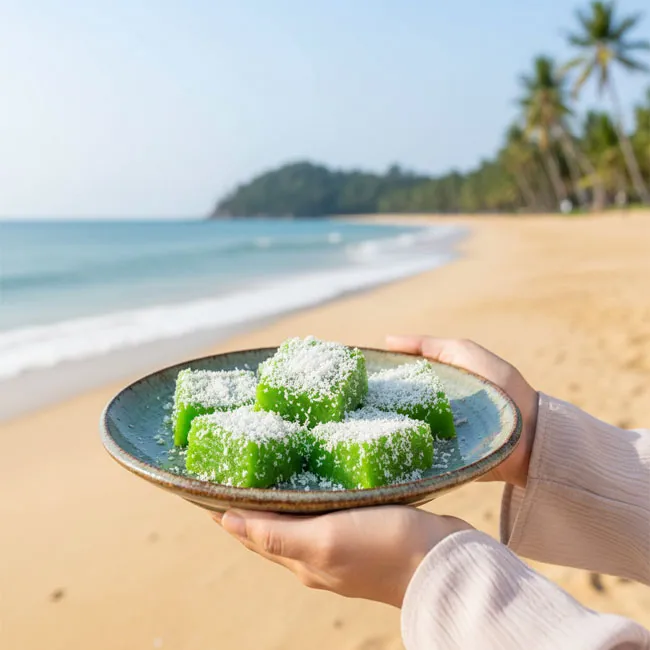
🍮 Recipe 1: Keto Kuih Kosui (Pandan & Coconut Jelly)
🌿 About this Recipe
Traditionally, Kuih Kosui is a dark, springy cake made with palm sugar and rice flour. It’s famous for its "wobbly" texture. To make this Keto, we swap the rice flour for a mix of gelatin and konjac powder. Instead of palm sugar, we use a dark monk fruit sweetener to mimic that deep, molasses-like flavor. It’s refreshing, light, and the perfect palate cleanser.
🥥 Ingredients & Measurements
• 2 cups of water
• 1/2 cup of Dark Monk Fruit Sweetener (or Erythritol with a drop of blackstrap molasses for flavor)
• 1 tablespoon of Konjac powder (or Glucomannan)
• 2 tablespoons of Grass-fed Gelatin powder
• 1 teaspoon of Pandan extract (concentrated)
• 1/2 cup of fresh grated coconut (unsweetened)
• 1/4 teaspoon of sea salt (to mix with the coconut)
🥣 Step-by-Step Instructions
1.In a small bowl, mix the grated coconut with a pinch of sea salt and steam it for 5 minutes. This keeps the coconut fresh and soft. Set aside.
2.In a saucepan, combine the water and dark sweetener. Heat gently until the sweetener is fully dissolved.
3.Slowly sprinkle the gelatin and konjac powder into the liquid while whisking vigorously to avoid any clumps.
4.Stir in the pandan extract. The liquid should turn a beautiful deep green.
5.Continue to stir over low heat for about 5 minutes (do not let it boil vigorously).
6.Pour the mixture into small silicone molds or a flat tray.
7.Refrigerate for at least 3–4 hours until firm.
8.Once set, pop them out of the molds and roll them in the salted grated coconut before serving.
⚠️ Tips & Mistakes to Avoid
• The Clumping Hazard: Konjac powder and gelatin can clump instantly. Always whisk while you are pouring the powder in, rather than dumping it all at once.
• Don't Over-Pandan: Pandan extract is very strong. Start with half a teaspoon and taste. If it tastes like perfume, you’ve used too much!
• Steam the Coconut: If you use raw grated coconut without steaming it, it can go sour quickly. Steaming it with salt makes the flavor "pop."
❓ FAQ
Q1.Can I use agar-agar instead of gelatin?
Yes, but the texture will be "brittle" rather than "chewy." For that authentic bouncy Kuih feel, the gelatin/konjac combo is king.
Q2.Is monk fruit better than stevia here?
Yes, because monk fruit (especially the brown/dark version) provides the caramel notes that are essential for this dish.
🍮 Summary
Keto Kuih Kosui is a miracle for the diet-conscious. It has almost zero net carbs and provides a wonderful dose of collagen from the gelatin. It’s the ultimate guilt-free snack for a hot afternoon.
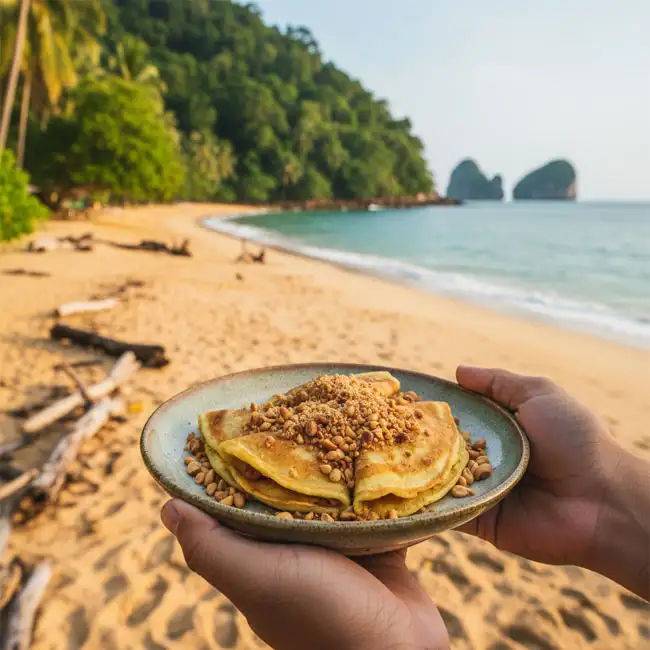
🥞 Recipe 2: Sugar-Free Kuih Malaya (Bruneian Peanut Pancakes)
🌿 About this Recipe
In the night markets of Brunei, Kuih Malaya is the star of the show. It’s a thick, bready pancake filled with peanuts and corn. Our Keto version uses almond flour and coconut flour to create a fluffy base, and we replace the corn (which is high in starch) with extra crushed peanuts and a touch of butter for that savory-sweet explosion.
🥥 Ingredients & Measurements
• 1.5 cups of Super-fine Almond Flour
• 2 tablespoons of Coconut Flour
• 2 large eggs
• 1/2 cup of full-fat Coconut Milk
• 1 teaspoon of Baking Powder
• 1/4 cup of Erythritol (for the batter)
• 1/2 teaspoon of Vanilla extract
For the Filling:
• 1/2 cup of roasted Peanuts, crushed
• 2 tablespoons of salted Butter, melted
• 1 tablespoon of granulated Monk Fruit sweetener
• A pinch of cinnamon (optional)
🥣 Step-by-Step Instructions
1.In a large bowl, whisk the eggs, coconut milk, and vanilla until smooth.
2.Add the almond flour, coconut flour, sweetener, and baking powder. Mix until you have a thick, smooth batter. Let it sit for 5 minutes (coconut flour needs time to absorb moisture).
3.Heat a non-stick skillet over low-medium heat. Lightly grease with coconut oil.
4.Pour about half a cup of batter into the pan and spread it out into a circle. Cover the pan with a lid—this helps the top "set" while the bottom browns.
5.When bubbles appear on the surface and the edges are cooked, sprinkle the crushed peanuts, sweetener, and a drizzle of melted butter over one half of the pancake.
6.Fold the pancake in half (it will be thick and fluffy).
7.Cook for another 1 minute on each side until golden brown.
8.Slice into triangles and serve warm.
⚠️ Tips & Mistakes to Avoid
• Heat Control: Almond flour burns much faster than regular flour. Keep your heat on "low" to ensure the middle cooks through without burning the outside.
• Batter Consistency: If the batter is too thick to pour, add one more tablespoon of coconut milk. It should be thicker than a crepe but thinner than a cookie dough.
• The Fold: Don't wait too long to fold the pancake. If the top is too dry, it will crack. Fold it while the center is still slightly tacky.
❓ FAQ
Q1.Can I add chocolate chips?
For a modern Bruneian twist, you can add sugar-free dark chocolate chips into the filling with the peanuts!
Q2.Is this breakfast or dessert?
In Brunei, it’s both! It’s a versatile snack that works any time of day.
📝 Summary
This Keto Kuih Malaya is incredibly filling and rich in healthy fats. It hits all the notes: crunchy, soft, salty, and sweet. It’s a high-protein treat that will keep you full for hours.
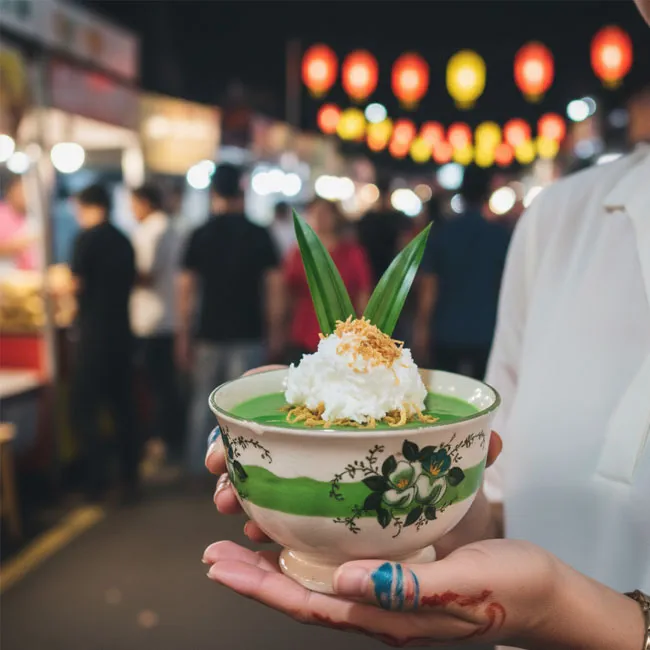
🍮 Recipe 3: Silky Pandan & Coconut Pudding
🌿 About this Recipe
This is a "cheat" version of the traditional Kuih Talam. Instead of the two-layered steamed cake which takes a long time, we are making a simplified, ultra-creamy pudding that captures the same flavors. It’s essentially a Bruneian Panna Cotta. It uses the natural richness of coconut cream to create a decadent mouthfeel without any heavy dairy.
🥥 Ingredients & Measurements
• 400ml (1 can) of Full-fat Coconut Cream
• 1/2 cup of Unsweetened Almond Milk
• 1/3 cup of Allulose or Erythritol
• 1.5 tablespoons of Gelatin powder
• 1 teaspoon of Pandan juice (freshly blended pandan leaves strained)
• A pinch of Sea salt (crucial for bringing out the coconut flavor)
🥣 Step-by-Step Instructions
1.Pour the almond milk into a small bowl and sprinkle the gelatin on top. Let it "bloom" for 5–10 minutes.
2.In a saucepan, combine the coconut cream, sweetener, and sea salt. Heat over medium heat until it starts to simmer (do not let it boil over).
3.Add the bloomed gelatin into the hot coconut cream and whisk until completely dissolved.
4.Stir in the pandan juice. The mixture should turn a light, creamy pastel green.
5.Pour the liquid into glass jars or ramekins.
6.Let them cool to room temperature, then transfer to the fridge for at least 4 hours.
7.Serve chilled, perhaps topped with a few toasted coconut flakes for crunch.
⚠️ Tips & Mistakes to Avoid
• Fat Content: Make sure you use "Coconut Cream" and not "Coconut Drink." You need that high fat content for the pudding to set properly and taste rich.
• The "Salt" Factor: Don't skip the salt! Bruneian desserts are famous for that slight salty-sweet contrast. The salt makes the coconut taste "sweeter" without adding more carbs.
• Blooming the Gelatin: If you skip the blooming step and just throw the powder into hot liquid, you’ll end up with rubbery lumps.
❓ FAQ
Q1.Can I make this vegan?
Yes! Use 1 teaspoon of Agar-Agar powder instead of gelatin. Just remember that Agar-Agar needs to boil for 1-2 minutes to activate.
Q2.How long does it stay fresh?
It lasts about 4 days in the fridge. It’s a great meal-prep dessert!
📝 Summary
This pudding is the definition of "Silk." It’s elegant enough for a dinner party but simple enough to make on a Tuesday night. It perfectly represents the clean, aromatic flavors of Bruneian cuisine.
🏠 Final Thoughts
Making these recipes has taught me one thing: being on a diet doesn't mean you have to say goodbye to your culture or your favorite childhood flavors. Brunei’s traditional ingredients—like coconut, pandan, and nuts—are actually very diet-friendly if you just know how to swap the flours and sugars.
These three recipes are just the beginning. Once you get used to working with almond flour, gelatin, and keto sweeteners, you can start experimenting with other Bruneian classics. The kitchen is your playground!
I really encourage you to try these one by one. Start with the Pudding (it’s the easiest!), then work your way up to the Kuih Malaya. Trust me, once your family tastes these, they won't even realize they are eating "health food."
| 🇧🇳 🍨 < Back |