
🏠 Home > 🗺️ Recipes > 🥪 Appetizers > 🇨🇳 China Appetizers Recipes
🇨🇳 🥪 Authentic China Appetizers: Dim Sum & Teahouse Traditions
Published by Supakorn | Updated: November 2026
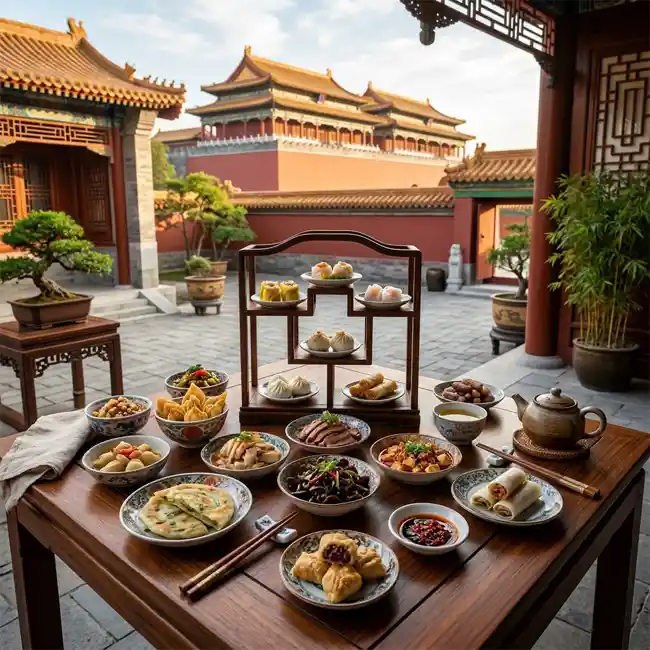
🏮 Introduction: The Cultural Heritage of China Appetizers
Hey there, food lover! Welcome to an incredible journey through the world of China appetizers. If you have ever sat down at a buzzing Chinese restaurant or walked through a late-night food market in East Asia, you know that the opening act of a Chinese meal is something truly special. In China, starters are never just a quick bite before the main course. They are an essential ritual, a warm welcome, and a window into thousands of years of rich culinary history.
From delicate steamed dumplings to crispy street-side treats, China appetizers represent an extraordinary tapestry of flavors, textures, and traditions. Every region across this vast country brings its own unique spin to small bites. In the chilly North, you will find heartier wheat-based starters that keep you warm. Down in the humid South, delicate rice-paper rolls and light dim sum baskets reign supreme. Out West along the historical Silk Road, aromatic spices like cumin and Sichuan peppercorns take center stage to awaken your palate.
What makes Chinese starters so fascinating is how deeply they are woven into daily life. Food in China is culture, heritage, and love language all rolled into one. When friends and families gather, the table is quickly covered with an array of small dishes designed for sharing. Each plate carries stories of ancient dynasty kitchens, busy river ports, and generations of home cooks who perfected their craft over centuries.
Whether you are a seasoned foodie looking to expand your palate or a curious traveler dreaming of your next culinary adventure, exploring China appetizers is the ultimate way to understand Chinese culture. So grab your chopsticks, pull up a chair, and let's dive deep into the lively world of traditional Chinese starters!
🥢 The Art of China Dining Culture & Social Eating
To truly appreciate China appetizers, you have to understand the vibrant atmosphere around a Chinese dining table. Eating in China is fundamentally a social experience. It is almost never about grabbing a solo bite on the go; it is about connection, conversation, and community.
Have you ever heard of the concept of Zaofan or Yum Cha? In cities like Guangzhou and Hong Kong, mornings begin with the beloved tradition of Yum Cha, which literally translates to "drinking tea." Families, elderly neighbors, and business partners gather in lively, bustling teahouses from early morning until noon. Trolleys loaded with bamboo steamers crisscross the dining room, filled with small appetizer dishes like savory dumplings, tender ribs, and sweet buns. You sip hot jasmine or oolong tea, nibble on small plates, chat about life, and read the morning news. It is a slow, joyful ritual that celebrates togetherness.
When night falls, the style of social eating shifts to night markets and lively Shao Kao (barbecue) joints. Friends gather around low tables, laughing loudly over platters of chilled appetizers, spicy skewers, and crunchy pickled vegetables.
In Chinese dining etiquette, sharing is everything. Small appetizers are placed on a Lazy Susan—a rotating glass turntable in the middle of the table—allowing everyone to sample a little bit of everything. This style of eating reflects a deeply rooted cultural belief in harmony and balance. You balance flavors (sour, sweet, bitter, spicy, and salty), textures (crispy, soft, chewy, and silky), and temperature (steaming hot paired with refreshing cold starters). Eating together from shared plates builds bonds and breaks down barriers, making every meal a celebration of friendship.
📍 Where Culture Meets Flavor: Iconic Food Tourism Spots
If you are planning a dream foodie trip to China, you are in for an unbelievable adventure! Food tourism in China is next-level, and visiting the right food capitals will give you an unforgettable taste of authentic starters. Here is a look at the most iconic destinations where appetizer culture truly comes alive:
✦ Chengdu, Sichuan Province: Known as UNESCO's City of Gastronomy, Chengdu is the undisputed heaven for lovers of spicy and numbing food. Head over to Jinli Ancient Street or Wuhou Shrine markets, where the air is filled with the aroma of toasted chilies and Sichuan peppercorns. Here, street food stalls serve up famous Dan Dan noodles in small tasting bowls, spicy chili oil dumplings, and mouth-watering cold chicken appetizers. The laid-back teahouse culture here makes Chengdu a must-visit spot.
✦ Guangzhou & Hong Kong (Cantonese Region): If you want to experience world-class dim sum starters, Guangdong province and Hong Kong are your ultimate destinations. Stroll through old neighborhood markets or visit historic teahouses like Guangzhou Restaurant. Here, master chefs spend decades mastering the fold of crystal shrimp dumplings (Har Gow) and fluffy steamed pork buns (Char Siu Bao). The emphasis here is on natural ingredients, freshness, and supreme delicacy.
✦ Shanghai & the Jiangnan Region: Famous for its picturesque water towns and elegant cuisine, Shanghai is home to some of the world's most iconic soup dumplings (Xiaolongbao). Head to the bustling area around Yuyuan Garden or Nanjing Road to watch street vendors deftly fold paper-thin dumpling skins around rich, savory meat fillings and rich broth. Shanghai's appetizers lean slightly sweet and savory, highlighting vinegar, ginger, and soy sauce.
✦ Xi'an, Shaanxi Province: Located at the starting point of the ancient Silk Road, Xi'an offers an appetizer culture unlike anywhere else in China. The famous Muslim Quarter is a sensory explosion of sizzling skewers, flatbreads, and hand-pulled noodles. Try local street snacks like Chinese burgers (Roujiamo) and cold wheat noodles (Liangpi), where Middle Eastern spices meet ancient Chinese cooking traditions.
✦ Beijing: The capital city boasts a rich tradition of imperial snacks once served to emperors in the Forbidden City. Explore the narrow, historic Hutongs (alleyways) around Wangfujing or Houhai Lake. You will find vendors selling crispy scallion pancakes, savory crepes (Jianbing), and hawthorn fruit skewers coated in crunchy glass sugar (Tanghulu).
🥢 Top Iconic China Appetizer Specialties
Now that we have explored the culture and top spots, let's look at the actual stars of the show! Chinese appetizers come in an overwhelming variety of styles, shapes, and cooking methods. Here are the most famous national and regional specialties that you absolutely must know about.
🥟 Steamed & Baked Dim Sum Favorites
Dim sum is undoubtedly the king of Chinese starters. Originating from teahouse stops along the Silk Road, these bite-sized treats have evolved into an art form.
✦ Xiaolongbao (Soup Dumplings): Originally from Shanghai, these delicate steamed buns are filled with seasoned pork and a hot, rich soup brothed inside the wrapper! Eating one is a fun experience: you gently lift it onto your spoon, poke a small hole in the wrapper to let the steam escape, sip the delicious broth, and then eat the dumpling with a drop of black vinegar and fresh shredded ginger.
✦ Har Gow (Crystal Shrimp Dumplings): A true test of a dim sum chef's skill. These translucent, pleated dumplings are stuffed with plump, sweet shrimp and bamboo shoots. The skin must be delicate yet stretchy enough to hold the juicy filling.
✦ Siu Mai (Open-Topped Pork & Shrimp Dumplings): Easy to recognize by their yellow egg-wrapper skin and open-topped design, these savory bites are packed with seasoned pork, shrimp, and diced mushrooms, often topped with bright orange crab roe or goji berries.
✦ Char Siu Bao (BBQ Pork Buns): Cloud-like, pillowy soft steamed buns filled with sweet and savory slow-roasted barbecue pork. They tear apart effortlessly, releasing a delicious aroma of honey, five-spice, and soy sauce.
✦ Spring Rolls (Chun Juan): Named after the Spring Festival (Chinese New Year), these golden, crispy rolls are stuffed with finely shredded cabbage, carrots, mushrooms, and tender meat, wrapped in a thin pastry and fried to light perfection.
🥢 Cold Starters & Refreshing Salads (Liang Cai)
In a traditional Chinese feast, cold appetizers (Liang Cai) are always the very first dishes to hit the table. They are light, tangy, and designed to stimulate your appetite before warmer, heavier dishes arrive.
✦ Smashing Cucumber Salad (Pai Huang Gua): Cucumbers are gently smashed with a heavy knife to create jagged edges that soak up a tangy dressing of garlic, black vinegar, sesame oil, and soy sauce. It is exceptionally refreshing, crunchy, and addictive!
✦ Wood Ear Mushroom Salad (Liangban Mu'er): Delicate, crinkly black wood ear mushrooms tossed with cilantro, fresh garlic, chili, and black vinegar. This cold starter is prized for its satisfying snappy texture and healthy properties.
✦ Century Egg with Tofu (Pidan Doufu): Soft, silky tofu topped with chopped century eggs (preserved eggs with rich, creamy yolks), scallions, and a savory soy-sesame sauce. The contrast between cool, velvety tofu and rich preserved egg is a favorite among local foodies.
✦ Mouth-Watering Chicken (Kou Shui Ji): A classic Sichuan cold starter consisting of poached, tender chicken sliced and bathed in a vibrant, fragrant oil infused with chili flakes, roasted peanuts, sesame seeds, and Sichuan peppercorns.
🥠 Crispy Street Snacks & Savory Pancakes
If you wander through Chinese street markets, the appetizing smells of frying dough and sizzling meats will instantly draw you in.
✦ Scallion Pancakes (Cong You Bing): Crispy, flaky, flatbreads layered with fragrant green onions and sesame oil. Made from wheat dough, they are pan-fried until golden brown on the outside while remaining tender and chewy inside.
✦ Jianbing (Chinese Savory Breakfast Crepes): One of China's most popular morning street foods! A thin batter of mung bean flour and egg is spread thin on a hot griddle, brushed with sweet bean sauce and chili paste, then wrapped around a crispy fried cracker (Baocui), fresh herbs, and scallions.
✦ Guotie (Pan-Fried Potstickers): Crescent-shaped dumplings filled with minced pork and chives. They are pan-fried in a shallow skillet so the bottoms turn wonderfully golden and crispy, while the tops remain soft and steamed.
🌶️ Flavor Profile: What Makes China Appetizers Unique?
What makes Chinese appetizers stand out in the global culinary world? It comes down to a masterful understanding of flavor balancing and texture contrast. In Western cooking, appetizers often lean on cheeses, bread, or fried batter. In Chinese cuisine, starters focus on opening up your palate through complex seasoning profiles.
Here are the key elements that define the flavor profile of China appetizers:
◦ The Umami Foundation: Soy sauce, fermented bean pastes, dried seafood (like scallops and shrimp), and slow-simmered broths provide a rich savory depth (Umami) to even the simplest starters.
◦ Tangy Brightness from Aged Vinegars: Chinese dark vinegars, such as Chinkiang black vinegar made from glutinous rice, add a fruity, smoky sourness that cuts through rich, greasy fried appetizers and refreshes the palate.
◦ The Magic of Aroma & Heat: Chili heat in Chinese appetizers is rarely just raw burn. It is layered with aromatic garlic, fresh ginger, star anise, cinnamon, and toasted sesame oil.
◦ Ma La (Numbing & Spicy): Unique to Sichuan province, this signature flavor profile combines fiery red chilies with Sichuan peppercorns. The peppercorns cause a gentle, tingling numbness on the tongue (Ma), making the spicy heat (La) feel thrilling and complex.
◦ Textural Diversity (Kou Gan): Chinese food lovers celebrate texture just as much as flavor. A single table of appetizers will feature "Q-texture" (chewy and bouncy), "Crispy" (Cui), "Silky" (Hua), and "Tender" (Nen).
🧄 Essential Ingredients & Traditional Cooking Techniques
Behind every amazing Chinese starter is an impressive mastery of ingredients and time-tested cooking methods. Chinese chefs view cooking as a science of heat management (Wok Hei) and balance.
🌿 Signature Spices & Local Ingredients
To recreate or understand authentic China appetizers, you have to get to know the pantry staples found in traditional Chinese kitchens:
◦ Sichuan Peppercorns: Pinkish-red husks from the prickly ash tree that deliver a lemony, tingling sensation on your lips and tongue.
◦ Chinese Five-Spice Powder: A classic aromatic blend of star anise, cloves, Chinese cinnamon, Sichuan pepper, and fennel seeds that gives BBQ pork and roast items their signature warming taste.
◦ Shaoxing Rice Wine: An amber-colored traditional rice wine used in marinades and sauces to remove gamey odors from meats while adding a sweet, nutty depth.
◦ Garlic, Ginger, and Scallions (The Holy Trinity): Almost every hot Chinese starter begins with sizzling fresh minced ginger, crushed garlic, and finely sliced green onions in a drop of oil.
◦ Fermented Bean Pastes: From spicy Doubanjiang (broad bean paste) to sweet Tianmianjiang (sweet bean sauce), these fermented condiments add bold character to sauces and dips.
◦ Sesame Oil & Chili Oil: Fragrant oils drizzled over cold salads and dumplings right before serving to lock in freshness and aroma.
💨 Time-Honored Cooking Methods
The technique used to cook an appetizer completely changes its character. Traditional Chinese kitchens rely on several distinct methods:
◦ Steaming (Zheng): Utilizing stacked bamboo baskets over boiling water, steaming cooks food gently without adding fat. It preserves the natural sweet flavors of dim sum and keeps wrapper doughs soft and delicate.
◦ Stir-Frying (Chao): High-heat cooking in a round-bottomed wok. High flames create Wok Hei (literally "breath of the wok"), imparting a smoky, seared flavor to quick starter bites.
◦ Pan-Frying (Jian): Used for potstickers and scallion pancakes, this technique cooks the bottom of the food in shallow oil for a golden crunch while steaming the top with a splash of water under a lid.
◦ Red Braising (Hong Shao): Slow-cooking ingredients in a rich broth of soy sauce, sugar, rice wine, and aromatics until tender, glossy, and deeply flavored.
◦ Blanching & Chilling (Liangban): Quickly dipping fresh vegetables or fungus in boiling water for seconds, then plunging them into cold ice water to retain bright colors and crisp crunch before tossing with cold dressings.
⛩️❓ Frequently Asked Questions (FAQ)
Here are answers to some of the most common questions people ask when exploring China appetizers for the first time!
Q1: What is the difference between Dim Sum and regular appetizers?
Dim sum is a specific style of Cantonese dining culture centered around small tea-time dishes served in bamboo steamers or small plates. While all dim sum dishes can be considered appetizers, not all Chinese appetizers are dim sum. General Chinese appetizers also include cold salads, street-style pancakes, grilled skewers, and soup dumplings from other regions of China.
Q2: Are Chinese appetizers suitable for vegetarians?
Yes, absolutely! Chinese cuisine features a rich variety of vegetarian starters. Dishes like smashed cucumber salad, wood ear mushroom salad, scallion pancakes, braised eggplant, and vegetarian spring rolls or steamed vegetable buns are widely enjoyed and packed with flavor.
Q3: What is the proper way to eat Shanghai Soup Dumplings (Xiaolongbao)?
To enjoy Xiaolongbao without burning your mouth or losing the soup, gently pick up the dumpling near the top pleat using chopsticks. Place it onto your soup spoon. Poke a small hole in the side of the wrapper with your tip to let the hot steam release, and sip the delicious broth from the spoon. Finally, add a sliver of fresh ginger dipped in black vinegar and eat the whole dumpling in one bite!
Q4: Why are cold appetizers served before hot dishes in China?
In traditional Chinese food philosophy and medicine, starting a meal with cool, refreshing, and light cold starters (Liang Cai) helps wake up your digestive system, cleanses your palate, and prepares your stomach for the richer, warm dishes that follow.
🏛️ Culinary Heritage & Credit to Chinese Traditions
The incredible world of China appetizers is far more than just delicious food—it is a living cultural treasure passed down through generations. Across thousands of years, through dynasties, trade routes, and changing times, the spirit of Chinese hospitality has remained anchored around the dining table.
Every time a dim sum master carefully folds twelve tiny pleats onto a single dumpling skin, or a street vendor skillfully flips a savory pancake on a crackling griddle, they are keeping ancient traditions alive. The pride, skill, and care embedded in Chinese cooking elevate simple ingredients into unforgettable culinary art.
By taking the time to learn about the history, regions, and social customs behind China appetizers, we gain a deeper respect for the people and heritage that created them. Food truly is a universal language that brings different cultures closer together. So the next time you sit down to enjoy a plate of warm dumplings or crunchy scallion pancakes, take a moment to savor not just the flavor, but the wonderful history behind every bite. Zhu ni wei kou hao—Bon appétit!
🥪 Master the Art of Quick Chinese Starters at Home
👉 Whip up 15-Minute Chinese Appetizers
| 🌐 🥪 < Back | Next > 🍝 🇨🇳 |