
🏠 Home > 🗺️ Recipes > 🍨 Desserts > 🇨🇳 China Desserts Recipes
🇨🇳 🍨 Authentic China Desserts: Imperial Sweets & Night Market Wonders
Published by Supakorn | Updated: November 2026
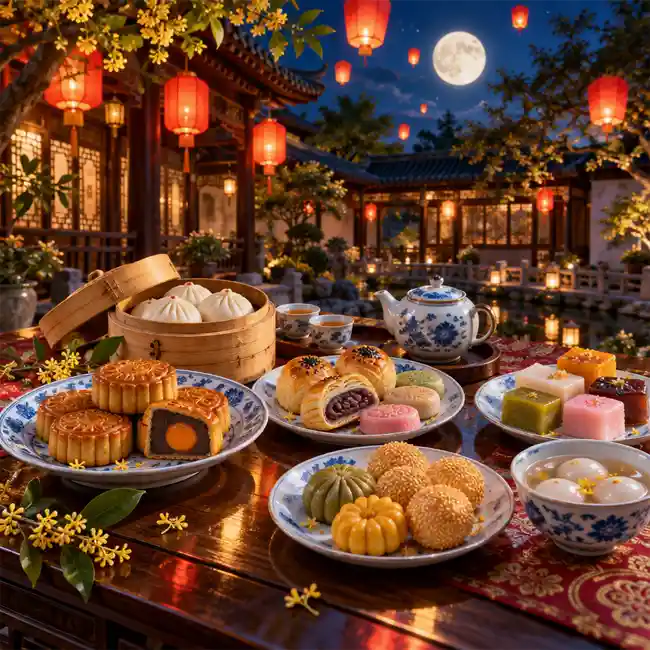
⛩️🏮 Introduction: The Cultural Heritage of China Desserts
Chinese desserts are not just an afterthought at the end of a meal, they are a story. A story that stretches back over 4,000 years, from imperial palaces in Beijing to buzzing night markets in Xi'an and Chengdu.
Unlike Western desserts that often focus on heavy cream and intense sweetness, China desserts are all about balance, texture, and meaning. In Chinese culture, sweetness is subtle, thoughtful, and deeply symbolic. A dessert can mean good luck, family reunion, longevity, or prosperity. That is why you see them everywhere during festivals, weddings, and family gatherings.
If you have ever wandered through a Chinese street market and wondered what those glistening red skewers, fluffy white buns, or wobbly jelly bowls are, you are in for a treat. This guide will take you through the soul of Chinese sweets without diving into complicated recipes, just pure cultural deliciousness.
🥢 The Art of China Dining Culture & Social Eating
In China, eating is never a solo activity. It is a social ritual, and desserts play a special role in it.
• Sharing is Caring: Desserts are almost always served to share. A plate of Nian Gao (sticky rice cake) or a basket of Egg Tarts is placed in the center of the table. Everyone takes a small piece. It is about togetherness, not individual portions.
• Sweetness in Moderation: The Chinese phrase "Tian Dian" literally means "a little sweet." Desserts are meant to cleanse the palate, aid digestion, and end the meal on a gentle, harmonious note. You will rarely find that sugar-rush sweetness. Instead, expect natural sweetness from red beans, dates, longan, and osmanthus flowers.
• Yin and Yang Balance: Traditional Chinese medicine influences food deeply. Many desserts are considered to have cooling or warming properties. For example, Gui Ling Gao (herbal jelly) and chilled Mango Pomelo Sago are eaten to cool the body in summer, while warm Tang Yuan in ginger soup warms you in winter.
• Festival First: Almost every major Chinese dessert is tied to a festival. Mooncakes for Mid-Autumn Festival, Tang Yuan for Lantern Festival, Zongzi for Dragon Boat Festival, and Nian Gao for Chinese New Year. To eat the dessert is to celebrate the culture.
🗺️ Where Culture Meets Flavor: Iconic Food Tourism Spots
If you want to taste the real China desserts, you have to go where they were born.
• Beijing - The Imperial Capital: This is the home of palace desserts. Head to the hutongs around the Forbidden City for authentic Imperial snacks like Pea Cake (Wan Dou Huang) and Donkey Rolling (Lü Da Gun). These were once served only to emperors.
• Xi'an - The Silk Road Hub: The Muslim Quarter night market is a dessert paradise. This is the best place to try steaming bowls of Osmanthus Cake, persimmon cakes, and honey-glazed cold noodles that are actually sweet.
• Chengdu & Chongqing - The Sweet Side of Spice: Yes, Sichuan is famous for spicy food, but its sweets are legendary. Look for Bing Fen (ice jelly with brown sugar), Hong Tang Ciba (brown sugar sticky rice cakes), and egg waffles in every night market.
• Guangzhou & Hong Kong - The Dim Sum Heaven: For the most refined and creative China desserts, go south. Cantonese-style sweets like Mango Pomelo Sago, Double Skin Milk, and Dan Tat (egg tarts) were perfected here. The dessert shops stay open until 2 AM.
• Suzhou & Hangzhou - The Elegant South: Known for delicate, flower-infused desserts. Osmanthus fragrans is everywhere. Try the osmanthus rice cakes and lotus root stuffed with sticky rice along the West Lake.
🌟 Top Iconic China Desserts Specialties
This is where the magic happens. Here are the most iconic, must-try China desserts you will find from street stalls to Michelin-starred tea houses.
🔸 Tanghulu - The Crystal Fruit Skewers: The superstar of Chinese street food. Bright red hawthorn berries, strawberries, or grapes coated in a shattering, glass-like layer of rock sugar syrup. Sweet, sour, and incredibly crunchy. The most photographed China dessert on social media.
🔸 Dan Tat (Egg Tarts) - The Creamy Custard Cups: A perfect legacy of Cantonese and Macanese baking. A flaky, buttery puff pastry shell holding a silky, wobbly, bright yellow egg custard. Served warm, it is pure comfort.
🔸 Tang Yuan - The Reunion Balls: Soft, chewy glutinous rice balls filled with black sesame, peanut, or red bean paste, floating in a light sweet soup. Eating them symbolizes family reunion and togetherness. Essential during Lantern Festival.
🔸 Mooncakes - The Festival Legends: More than just a dessert, it is a cultural icon. A dense, rich pastry filled with lotus seed paste, salted egg yolk, and sometimes five nuts. The Mid-Autumn Festival is nothing without them.
🔸 Douhua (Tofu Pudding) - The Silky Spoonful: The ultimate texture dessert. Incredibly soft, silky tofu pudding served sweet with brown sugar syrup, taro balls, and peanuts. Warm in winter, chilled in summer.
🔸 Nian Gao - The Lucky Rice Cake: A sticky, chewy, slightly sweet cake made from glutinous rice. Its name sounds like "higher year," so eating it during Chinese New Year means good luck and promotion in the coming year.
🔸 Mango Pomelo Sago - The Tropical Modern Classic: A Hong Kong invention that took over all of Asia. Chilled mango puree, chewy sago pearls, juicy pomelo bits, and coconut milk. Refreshing, creamy, and fruity.
🔸 Lü Da Gun (Donkey Rolling) - The Imperial Snack: A funny name, beautiful taste. Sticky rice rolls coated in roasted soybean flour and filled with sweet red bean paste. A classic Beijing palace dessert.
🔸 Bing Fen - The Sichuan Ice Jelly: A summer lifesaver in Chengdu. Crystal-clear ice jelly made from plant seeds, served with brown sugar syrup, hawthorn, peanuts, and dried fruits. Cool, sweet, and fun to slurp.
🔸 Double Skin Milk (Shuang Pi Nai) - The Milk Pudding: From Shunde, Guangdong. A delicate dessert where milk forms two skins while steaming, creating an unbelievably smooth, creamy, milky pudding topped with red beans or fruit.
🔸 Red Bean Buns & Lotus Paste Buns: Fluffy steamed buns filled with sweet, earthy red bean paste or fragrant lotus seed paste. A staple breakfast dessert that feels like a warm hug.
🔸 Osmanthus Flower Cake & Water Chestnut Cake: Delicate, translucent, jelly-like cakes infused with fragrant osmanthus flowers or made from water chestnut flour. Light, floral, and not too sweet.
🎨 Flavor Profile: What Makes China Desserts Unique?
So what does China taste like when it is sweet? It is completely different from what you might expect.
• Texture is King: In China, texture (or "Kou Gan") is more important than just sweetness. There are specific words for chewy (QQ, Nuo), bouncy, silky, sandy (Sha), and wobbly. That chewy mochi-like texture from glutinous rice is the soul of many China desserts.
• Subtle & Natural Sweetness: Sweetness comes from nature, not refined sugar. Think red dates, longan, rock sugar, brown slab sugar, honey, and osmanthus honey. Rock sugar gives a clean, light sweetness that does not overpower.
• Earthy & Nutty Base: Red beans, mung beans, black sesame, peanuts, and lotus seeds provide a deep, earthy, and satisfying base flavor. Black sesame in particular gives that iconic nutty, slightly bitter aroma.
• Floral & Herbal Notes: Osmanthus, chrysanthemum, jasmine, and rose are used constantly. They add a perfume-like elegance. Herbal ingredients like grass jelly and turtle jelly add a gentle, slightly herbal bitter note that balances the sweet.
• Sweet and Sour Play: Many famous China desserts balance sweet with sour, like Tanghulu with hawthorn berries, or sour plum soup with sweet osmanthus. It keeps the palate fresh.
🧧 Essential Ingredients & Traditional Cooking Techniques
To understand China desserts, you need to know what is in the pantry. These are the building blocks that make them so unique and healthy.
🌿 Signature Spices & Local Ingredients
• Glutinous Rice & Rice Flour: The absolute foundation. It creates that beloved chewy, sticky, mochi-like texture in Tang Yuan, Nian Gao, and Ciba.
• Red Bean (Adzuki Bean) & Mung Bean: Slow-cooked into a smooth, sweet paste. Red bean paste is the Nutella of China, found in everything.
• Black Sesame Seeds: Toasted and ground into a rich, aromatic, almost savory-sweet filling for Tang Yuan and buns.
• Rock Sugar & Brown Slab Sugar: Rock sugar (Bing Tang) gives a clear, mellow sweetness for soups and tofu pudding. Brown slab sugar gives a deep, caramel-like flavor for Bing Fen.
• Osmanthus Flower: The golden flower of autumn. Dried and used for tea, syrup, and cakes. Its scent is pure nostalgia for many Chinese people.
• Lotus Seeds & Taro: Lotus seeds become a luxurious, smooth paste for mooncakes. Taro is steamed and mashed into a creamy, purple-tinged sweet filling.
• Jelly Ingredients: Agar-agar, water chestnut flour, and the seeds of the Nicandra plant for Bing Fen. They create those fun, wobbly textures without gelatin.
👩🍳 Time-Honored Cooking Methods
• Steaming (Zheng): The most important technique. It keeps desserts soft, moist, and healthy without oil. Nian Gao, buns, Double Skin Milk, and lotus root cakes are all steamed.
• Boiling & Blanching (Zhu): For Tang Yuan, Douhua, and Sago. The ingredients are gently boiled in water or light syrup to keep them tender.
• Pan-Frying & Shallow-Frying (Jian): For that perfect contrast. Ciba and Nian Gao are often pan-fried after steaming to get a crispy golden outside and a chewy inside.
• Sugar Pulling & Coating (Ba Si & Tang): The high-skill art behind Tanghulu and candied lotus root. Hot sugar syrup is cooked to a precise temperature to create a brittle, glassy coating.
• Double-Boiling (Dun): A slow, gentle method for nourishing sweet soups like snow fungus with pear and rock sugar, or black sesame soup. It extracts maximum flavor and nutrition.
🐲❓ Frequently Asked Questions (FAQ)
Q1. Are China desserts very sweet compared to Western desserts?
Not at all. Most China desserts are much less sweet than Western cakes or cookies. The philosophy is "just a little sweet" to let the natural flavor of beans, flowers, and fruits shine. If you find Western desserts too sugary, you will probably love Chinese sweets.
Q2. What is the most popular street food dessert in China?
Without a doubt, Tanghulu is the king of the streets. You will see vendors carrying a large straw stick covered in red, glistening candied hawthorn skewers in every city. For warm desserts, Tang Yuan and Douhua are the most popular night market choices.
Q3. Are many China desserts vegan or gluten-free?
Many traditional China desserts are naturally vegan because they use rice flour, beans, and plant-based jellies instead of dairy and eggs. Tang Yuan, Nian Gao, Douhua with sugar syrup, and Bing Fen are usually vegan. However, most are not gluten-free because they use glutinous rice flour and wheat flour. Egg tarts and Double Skin Milk contain dairy and eggs.
Q4. What dessert should I try first if I am new to China desserts?
Start with Dan Tat (Egg Tarts) for something familiar yet unique, then try Tanghulu for the fun street experience, and Mango Pomelo Sago for a modern, refreshing taste. If you love chewy textures, Tang Yuan with black sesame is a must-try and unforgettable.
🙏 Culinary Heritage & Credit to China Traditions
Every bite of a China dessert carries centuries of wisdom. These recipes were not created in a test kitchen, they were perfected in imperial palace kitchens, passed down by grandmothers in small villages, and honed by street vendors who have been doing the same thing for 40 years.
We want to give full credit and deep respect to the local chefs, the dim sum masters in Guangzhou, the palace pastry artisans in Beijing, the night market aunties in Chengdu, and the farming communities who grow the red beans, lotus seeds, and osmanthus flowers that make these sweets possible.
China desserts are a living heritage. They represent the Chinese values of balance, family, seasonal eating, and finding joy in simple, natural ingredients. When you enjoy these sweets, you are not just tasting sugar, you are tasting history, philosophy, and the incredible diversity of Chinese culture.
So next time you see a Chinese bakery or a night market stall, be adventurous. Order that strange-looking jelly, that soybean-coated roll, or that flower-scented cake. Your taste buds will thank you.
🍨 These Quick Chinese Sweets Will Steal Your Heart in Minutes
👉 Craft Effortless Chinese Desserts
| 🌐 🍨 < Back | 🇨🇳 🍝 < Previous | Next > 🍷 🇨🇳 |