
🏠 Home > 🗺️ Recipes > 🍷 Drinks > 🇨🇴 Colombia Drinks
🇨🇴 🍷 Colombia Drinks Recipes
Published by Supakorn | Updated: February 2026
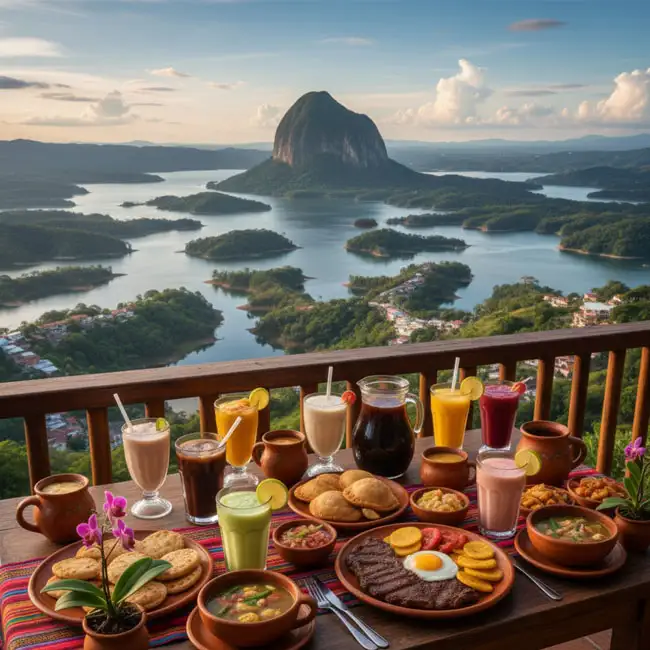
Hey there, thirsty traveler! If you thought Colombia was only about the food, you’re in for a serious liquid treat. In this corner of the world, what you sip is just as important as what you eat. From the misty coffee-growing mountains to the sun-drenched Caribbean coast, Colombian drinks are a colorful, refreshing, and often sweet reflection of the country’s incredible biodiversity.
Today, we are skipping the bar scene and heading straight for the heart of Colombian daily life. We’re talking about the juices that wake you up, the chocolate that warms your soul, and the unique concoctions that define "refreshment" in the tropics. Ready to dive into the liquid gold of the Andes and beyond? Let’s go!
☕ The Caffeine Kingdom: A Culture Built on Coffee
You can't talk about Colombia without mentioning coffee. It’s not just a drink here; it’s a national identity. But here’s a little secret: the way Colombians drink coffee at home might be different from what you expect at your local high-end café.
☕ 1. The "Tinto": A Cup of Friendship
If you walk into a Colombian home, an office, or even a car repair shop, the first thing you’ll be offered is a Tinto.
• What is it? A "Tinto" is a small cup of black coffee. It’s usually long, thin, and often pre-sweetened with panela (raw cane sugar).
• The Ritual: It’s not about the caffeine hit; it’s about the conversation. In Colombia, you don't "grab a coffee to go." You sit, you talk, and you sip your tinto slowly. It is the ultimate social lubricant.
🥛 2. Café con Leche vs. Perico
While the world loves lattes, Colombians have their own versions.
• Café con Leche: Usually a 50/50 mix of strong coffee and hot milk, served in a large mug for breakfast.
• Perico: A smaller version, similar to a "cortado." It’s a shot of coffee with a splash of milk. Perfect for a mid-morning pick-me-up.
🍯 The Sweet Backbone: Panela Culture
If coffee is the king, Panela is the queen. Panela is unrefined whole cane sugar, sold in hard blocks. It’s the primary sweetener in the country and the base for one of the most beloved drinks in South America.
🍋 1. Agua de Panela: The Universal Fuel
This is the "Gatorade" of the Colombian countryside. It’s made by dissolving panela in boiling water.
• Hot Version: Served steaming hot, often with a squeeze of lime. It’s the go-to remedy for a cold or a chilly night in the mountains.
• Cold Version: Known as Aguapanela con Limón, it’s served over ice with plenty of lime juice. It is incredibly refreshing and provides an instant energy boost.
🧀 2. Hot Chocolate with a Twist
Colombian hot chocolate is an experience. It’s made using bars of 100% cacao, whisked in a special metal pitcher called a olleta with a wooden whisk called a molinillo until it’s frothy.
• The Surprise: Colombians traditionally drop a chunk of salty white cheese into the bottom of the hot chocolate mug. You wait for it to melt, sip the chocolate, and then use a spoon to fish out the gooey, chocolatey cheese. It sounds wild, but the sweet-salty combo is addictive!
🍎 A Fruit Lover’s Paradise: The Juice Revolution
Colombia has a different fruit for every day of the year. Because of the varying altitudes, you can find everything from temperate berries to tropical monsters. In a Colombian household, a meal isn't complete without a jug of Jugo Natural (fresh fruit juice).
🟢 1. Lulada: The Tangy Legend of Cali
Coming from the "Salsa Capital" (Cali), the Lulada uses the Lulo fruit—a citrusy, tangy fruit that looks like an orange on the outside but is green on the inside.
• The Texture: Unlike a smooth juice, a Lulada is chunky. The fruit is smashed by hand, mixed with lime juice, water, and ice. It’s like a drinkable salsa!
🥛 2. Jugo de Borojó: The "Love Potion"
Borojó is a fruit from the humid Pacific coast. It’s famous for being an "aphrodisiac" and an "energy bomb." It has a deep, earthy flavor and is often blended with milk and honey to create a thick, smoothie-like drink.
🍦 3. Salpicón de Frutas: A Drink or a Dessert?
You’ll see street vendors everywhere with massive glass jars filled with a bright red liquid. This is Salpicón.
• The Content: It’s a base of watermelon or Colombian soda filled with chopped pieces of papaya, banana, pineapple, and mango. You drink the juice and eat the fruit with a spoon.
🥤 Unique Thirst Quenchers You Must Try
Colombia has some unique "proprietary" drinks that you won't find anywhere else. These are the flavors that Colombians abroad miss the most.
🌾 1. Avena Colombiana: Creamy Oatmeal Bliss
Forget the watery oatmeal drinks you know. Avena Colombiana is thick, creamy, and spiced with cinnamon and cloves. It’s served ice-cold and has a consistency almost like a milkshake. It’s incredibly filling and soothing.
🌽 2. Champús: A Pre-Hispanic Treasure
Mainly popular in the southwest, Champús is a complex drink made from corn, pineapple, lulo, cinnamon, cloves, and orange tree leaves. It’s a thick, chunky, and aromatic drink that tastes like history in a cup.
🧉 3. Limonada de Coco: Tropical Perfection
If you go to the Caribbean coast (Cartagena), this is the MVP. It’s a blend of fresh lime juice and coconut cream, whizzed with ice into a slushy consistency. It’s creamy, tart, and the perfect antidote to the coastal heat.
🏡 The "Living" Aspect: How and When Colombians Drink
In Colombia, drinks are often tied to specific times of day and social settings:
• Morning (6 AM - 9 AM): It’s all about the Café con Leche or Chocolate Santafereño (with cheese). This is a slow start to the day.
• Mid-Morning (10:30 AM): The "Media Mañana." This is when the Tinto comes out. If you’re at a desk, a lady might walk by with a thermos offering "Tinto?"
• Lunch (12 PM - 2 PM): The Jugo Natural. Whether it’s Guava, Mango, or Blackberry (Mora), it is always served with the main meal.
• Afternoon (4 PM - 5 PM): The "Onces." Similar to British Tea Time, but with Agua de Panela or Avena and a side of bread.
✨ Why Colombian Drinks are Special
What makes these drinks stand out is the freshness. Most Colombian drinks start with raw, whole ingredients—whether it's a block of sugar cane, a handful of coffee beans, or a fruit that was picked yesterday. There’s a lack of "artificial" flavor here. It’s all about letting the natural sweetness and acidity of the land shine through.
When you share a drink in Colombia, you aren't just hydrating. You are participating in a tradition of hospitality. To be offered a drink is to be welcomed into someone's life.
❓ FAQ: Your Questions About Colombian Beverages
1. Can I find these drinks year-round?
Absolutely! Because Colombia doesn't have traditional seasons (only wet and dry seasons), fruits are available all year. You can have a fresh Mango juice in December just as easily as in July.
2. Is the tap water safe to drink in Colombia?
In major cities like Bogotá and Medellín, the tap water is generally safe and actually quite high-quality. However, in smaller towns or coastal areas (like Cartagena or the Amazon), it’s always best to stick to bottled water or boiled Agua de Panela.
3. Why do they put cheese in hot chocolate?
It might seem strange at first, but think of it like a savory-sweet pairing, similar to salted caramel. The cheese doesn't fully dissolve; it just gets soft and salty, which perfectly balances the rich, dark Colombian cacao. Give it a try—it’s a game-changer!
I hope this gives you a refreshing look at the incredible variety of Colombian drinks! From the mountains to the sea, there is always something delicious brewing or blending. Would you like me to share the specific preparation methods or the "secret" ratios for any of these drinks so you can try making them at home?
🍷 Sip Light: Authentic Colombian Refreshments for Your Fitness Journey
👉 Indulge 3 Healthy Colombia Drinks
| 🌐 🍷 < Back | 🇨🇴 🍨 < Previous | Next > 🍲 🇨🇴 |