
🏠 Home > 🗺️ Recipes > 🍲 Soups > 🇨🇴 Colombia Soups
🇨🇴 🍲 Colombia Soups Recipes
Published by Supakorn | Updated: February 2026
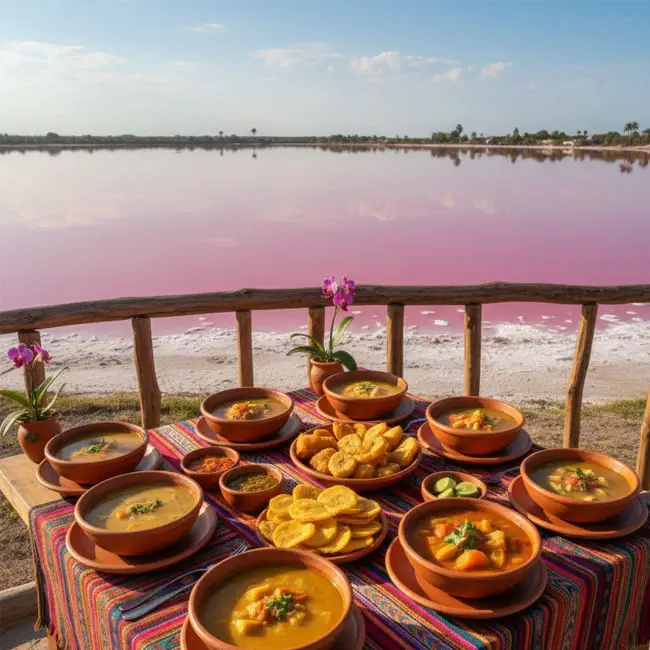
In Colombia, soup is not just food. It’s a daily ritual, a symbol of comfort, and often the heart of the meal. For many Colombian households, a day doesn’t feel complete without a warm bowl of soup on the table — especially at lunch.
Colombian soups are filling, nourishing, and deeply connected to family life. They’re meant to sustain people through long days, cool mountain mornings, or rainy afternoons. More than anything, they represent care. When someone cooks soup in Colombia, it usually means they want you to feel taken care of.
This guide explores the culture behind Colombian soups, the most iconic varieties, and how soup fits naturally into everyday Colombian life — without diving into recipes. Think of it as sitting down at a Colombian table and listening to stories while the soup simmers nearby.
🥣 Why Soup Is So Important in Colombian Cuisine
Soup plays a central role in Colombian food culture because it reflects the country’s geography, lifestyle, and values.
Colombia has:
• Cool mountain regions
• Humid coastal areas
• Rainy seasons
• Agricultural traditions
Soup answers all of these needs. It’s warming, adaptable, and nourishing. Many soups are designed to be a full meal, not just a starter.
Unlike in some cultures where soup comes before the main dish, in Colombia, soup is often the main dish. It’s eaten slowly, seriously, and with appreciation.
🏡 Soup and Daily Life in Colombia
For many Colombians, soup is most commonly eaten at lunch, which is traditionally the largest meal of the day.
A typical lunch often includes:
• Soup as the first and most important element
• Followed by a simple plate or sides
• Shared with family or coworkers
In rural areas, soup can be the only dish needed. In cities, it still holds strong cultural importance, even as eating habits evolve.
Soup is also associated with rest. People slow down when eating soup. It encourages conversation, reflection, and connection.
🍲 Iconic Colombian Soups You Should Know
Colombia’s soup traditions vary by region, but all share one thing in common — heartiness.
🥔 Ajiaco – Bogotá’s Cultural Symbol
Ajiaco is one of Colombia’s most iconic soups and closely associated with Bogotá and the Andean region.
This soup is thick, comforting, and deeply tied to identity. For many locals, it represents home and tradition. It’s often enjoyed during family gatherings or when someone wants a truly satisfying meal.
Ajiaco reflects the cooler climate of the highlands and the Colombian love for filling, soulful food.
🌽 Sancocho – The Soul of Colombian Cooking
Sancocho is more than a soup — it’s a celebration dish.
Found across Colombia with regional variations, sancocho is commonly prepared for:
• Family reunions
• Weekends
• Community events
It’s a soup meant to be shared. Large pots, long cooking times, and plenty of people around the table are all part of the experience.
Sancocho represents unity, generosity, and tradition.
🍖 Mondongo – A Soup for Long Days
Mondongo is a hearty soup known for its richness and depth.
It’s often eaten when people need energy — after hard work or during long days. This soup is filling, bold, and satisfying, making it a favorite among those who appreciate strong, comforting flavors.
Mondongo reflects Colombia’s tradition of making the most out of ingredients and creating nourishing meals that last.
🌿 Changua – A Morning Comfort Soup
Changua is unique in Colombian cuisine because it’s commonly eaten in the morning.
This soup feels gentle and calming. It’s especially popular in cooler regions, where mornings can be chilly.
Changua shows how soup in Colombia isn’t limited to one time of day. It adapts to lifestyle and climate, fitting naturally into daily routines.
🌎 Regional Diversity in Colombian Soups
Colombia’s regions shape how soups are prepared and enjoyed.
• Andean region: Thick, warming soups suited for cool weather
• Caribbean coast: Lighter soups with tropical influences
• Pacific region: Soups connected to local traditions and community cooking
• Rural areas: Simple, nourishing soups using local ingredients
Each region brings its own identity, but the philosophy remains the same — soup should comfort and sustain.
🍽️ Soup as a Complete Meal
In Colombia, soup is rarely seen as something light or optional.
Many soups are designed to:
• Keep people full for hours
• Replace multiple dishes
• Provide warmth and energy
This makes soup especially important for workers, farmers, and families with long days ahead.
Soup is practical, efficient, and deeply satisfying — qualities highly valued in Colombian culture.
👨👩👧👦 Soup and Family Traditions
Soup often connects generations.
Many people remember:
• Learning to appreciate soup as children
• Watching parents or grandparents cook large pots
• Eating soup together every day
These memories shape emotional connections to food. Even Colombians living abroad often say soup is the dish they miss the most.
Soup becomes a reminder of home, routine, and care.
🕰️ Slow Cooking and Patience
Colombian soups are not rushed.
They’re associated with:
• Long cooking times
• Careful attention
• Letting flavors develop naturally
This slow approach reflects Colombian attitudes toward food — it’s not just fuel, it’s part of life.
Cooking soup is often a calm, almost meditative process.
🥄 Soup in Urban vs Rural Colombia
In rural Colombia, soup is essential and often eaten daily.
In cities:
• Soup remains popular
• Restaurants serve traditional varieties
• Families still value homemade soup
Even with modern schedules, soup continues to represent stability and tradition in urban life.
❤️ Why Colombian Soups Feel So Comforting
Colombian soups feel comforting because they’re designed that way.
They are:
• Warm
• Filling
• Familiar
• Rooted in routine
They don’t try to impress with presentation. Their goal is to nourish the body and calm the mind.
That’s why soup is often the first thing offered to someone who’s tired, sick, or visiting from far away.
🌱 Tradition and Modern Life
While eating habits change, Colombian soups remain relevant.
Younger generations still grow up with soup as a daily meal. Even when modern influences appear, traditional soups continue to hold emotional weight.
Soup is one of the strongest links between Colombia’s past and present.
✨ Final Thoughts on Colombian Soups
Colombian soups tell stories without words.
They speak of:
• Family care
• Regional identity
• Daily routines
• Shared moments
If you want to understand Colombian food culture, start with soup. Sit down, take your time, and enjoy the warmth — because in Colombia, soup is more than food. It’s a way of life.
❓ FAQ: Colombia Soups
❓ 1.Why are soups so popular in Colombia?
Soups are filling, comforting, and practical, making them ideal for Colombia’s climate, lifestyle, and cultural traditions.
❓ 2.Are Colombian soups usually eaten as a main dish?
Yes, many Colombian soups are considered complete meals rather than starters.
❓ 3.Do all regions in Colombia eat the same soups?
No, soup styles vary by region, but all share a focus on nourishment and comfort.
🍲 Nourishing Colombian Soups for a Balanced and Healthy Lifestyle
👉 Savor 3 Healthy Best Colombia Soups
| 🌐 🍲 < Back | 🇨🇴 🍷 < Previous | Next > 🥗 🇨🇴 |