
🏠 Home > 🗺️ Recipes > 🥪 Appetizers > 🇨🇬 Congo Appetizers
🇨🇬 🥪 Congo Appetizers Recipes
Published by Supakorn | Updated: February 2026
🌍 Beyond the Basics: Unearthing the Most Delicious & Authentic Congolese Appetizers
🤝 Welcome to the Table: Why Central African Finger Foods are the Ultimate Crowd-Pleaser
Hey there, food adventurer!
Ever feel like your appetizer game is stuck in a rut? You know, the same old chips and dip, the tired cheese board? Don't get me wrong, those are classics, but if you're like me, you’re always searching for that next amazing, conversation-starting bite. Something that tells a story, something that brings a little bit of the world right to your kitchen.
Well, get ready to travel, because today we’re setting our sights on Central Africa, specifically the Democratic Republic of Congo and the Republic of the Congo. This cuisine is a vibrant, flavorful tapestry woven from tradition, fresh ingredients, and a hearty love for good, shared food. And the appetizers? Oh my goodness, they are the unsung heroes of the Congolese table!
Think about it: Congolese food is often associated with hearty, delicious stews like Pondu (cassava leaves) or Moambe Chicken (a rich palm nut stew) served with staples like Fufu or Chikwangue. These are incredible, soul-satisfying dishes, but every great meal—and every great party—starts with an amazing introduction.
In Congo, that introduction is often found in the bustling, exciting world of street food and small bites, the perfect appetizers to share with friends, whether you’re warming up for a full meal or just craving a killer snack. We’re talking about bites that you’ve probably never heard of, but once you try them, you’ll be adding them to your permanent party rotation.
This guide is your friendly, in-depth dive into the most authentic and accessible Congolese finger foods. We’ll explore the history, the flavor profiles, and the cultural significance of these incredible snacks, giving you all the inspiration you need before you head over to your recipe page! Ready to get started? Let’s go!
🌽 The Pillars of Congolese Snacking: Cassava, Plantains, and Fluffy Dough
Congolese cuisine, like many in Africa, relies heavily on staple starches that are both filling and versatile. For appetizers, these stars are often transformed into savory or sweet delights that are easy to eat on the go or while chatting with guests. Understanding these core ingredients is the first step to mastering Congolese finger foods.
🍩 Mikate – The Ultimate African Doughnut (But Don't Call Them That!)
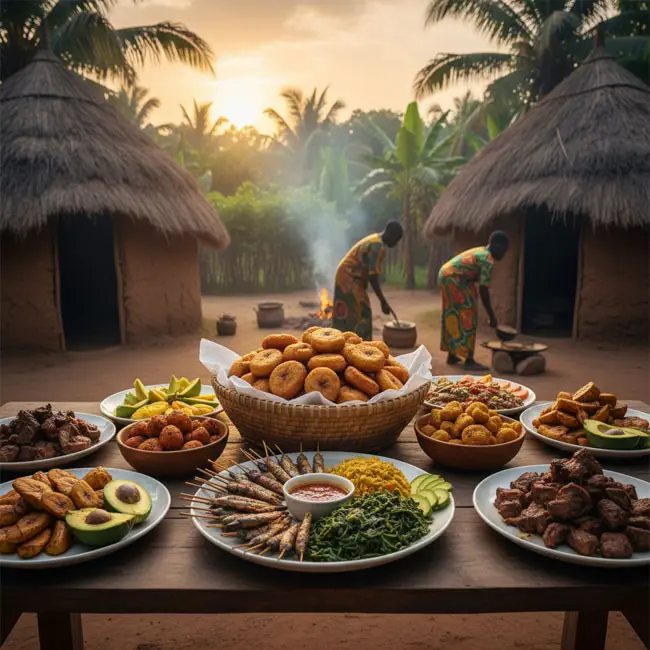
If there is one Congolese street food that embodies the pure joy of a simple, satisfying snack, it’s Mikate (pronounced Mee-kah-teh). These are essentially small, deep-fried dough balls—sometimes referred to as fritters or puff-puffs in other parts of West Africa—and they are addictive.
What makes them special? Unlike the often dense or bready donuts you might be familiar with, a perfect Mikate is surprisingly light and fluffy on the inside with a beautifully golden, slightly crispy exterior. They are traditionally made with a simple yeasted dough, sugar, and flour.
The Flavor Profile: They are usually just lightly sweet, making them incredibly versatile. You can sprinkle them with a little powdered sugar (though often they are served plain or with a light sugar glaze on the street), but the magic is in the texture and the fresh, comforting, bread-like taste.
Why they are a perfect appetizer:
• Shareable: They are bite-sized! Perfect for passing around a platter.
• Easy to Dip: They are the ideal vehicle for dipping into something savory like a spicy tomato sauce or a sweet, cinnamon-infused honey.
• Make-Ahead Friendly: The dough can often be prepared in stages, making party day a lot less stressful.
When people search for easy African snacks to make at home, Mikate should be at the top of the list. They are a universal comfort food that deserves global recognition!
🍌 The Golden Delight: Plantain Power in Congolese Appetizers
In Central Africa, the plantain (Makemba in Lingala) is king. It's not just a side dish; it's a culinary foundation. When it comes to appetizers, you’ll often find them served in their most snackable form: Fried Plantain Slices or Plantain Fritters.
The Ripeness is Key: The beautiful thing about plantains is that their flavor changes drastically with their ripeness.
1.Green Plantains (Savory): When fried, green plantains are starchy, less sweet, and have a texture similar to a thick-cut potato chip. They are the perfect base for savory seasonings or a spicy Pili Pili dipping sauce.
2.Yellow/Black Plantains (Sweet Snack): When the skin turns yellow and black spots appear, the plantain’s starch converts to sugar. Fried at this stage, they become caramelized, tender, and naturally sweet. These are often eaten as a standalone snack or dessert, but they make a wonderful sweet counterpoint on an appetizer platter.
Appetizer Tip: For a truly Congolese experience, try serving fried plantains with a sprinkle of sea salt and a small dish of ground peanuts—a common pairing on the streets of Kinshasa or Brazzaville. It’s a simple, perfect combination of sweet, salty, and nutty.
🥨 Cassava's Crispy Side: Dabo Kolo
You know cassava (yuca) as the base for fufu, but what about a crispy, savory snack? Enter Dabo Kolo.
Dabo Kolo is essentially baked or deep-fried pieces of dough, often made from wheat flour, that can be seasoned in countless ways. They are crunchy, savory, and the perfect finger food to munch on while waiting for the main course. Think of them as the Congolese equivalent of a cracker or a savory breadstick, but with a unique, satisfying chewiness.
Flavor Varieties: While they can be made sweet, the savory versions are fantastic appetizers. They are often seasoned with salt and spices. Finding a recipe that focuses on the long, thin, crispy strips is key to a great party snack. If you’re looking for simple Congo recipes for street food, this is one to master.
🐟 Savory Seafood Stars: Flavor-Packed Protein Bites
Central Africa is blessed with the massive Congo River, so fish—fresh or preserved—plays a significant role in the diet. This translates into some of the most powerful and flavor-dense appetizers.
🌊 Ndakala and Makayabu: Dried Fish Delights
For the uninitiated, the idea of dried or smoked fish might sound a little intimidating, but trust me, these small, protein-rich bites are an explosion of umami and flavor.
Ndakala (Small Dried Fish): These are tiny, dried fish, often anchovies, that are either fried until shatteringly crisp or cooked in a sauce.
• The Appetizer Angle: When fried crisp and served plain, they are a fantastic, salty, and crunchy bar snack. They can also be mixed with chili and spring onions for a little kick. They are the definition of an authentic African finger food that you won't find anywhere else.
Makayabu (Salted Cod): This is salted, dried fish (often cod, a tradition likely imported through colonial influence) that is rehydrated and then cooked.
• The Appetizer Angle: While Makayabu is often used in stews, a fantastic appetizer version involves cooking the fish with a vibrant tomato and onion sauce. Serving this flavorful, flaky fish in small portions, perhaps with a side of crispy plantain or a small wedge of Chikwangue, makes for a gourmet and distinctly Congolese starter.
🍢 Brochettes – The Perfect Grilled Skewer
No street food tour is complete without a grilled meat skewer, and in Congo, they are known as Brochettes. These are the ultimate appetizer because you can customize the meat and the marinade a thousand different ways!
The Congo Difference: The meat—often beef, goat, or chicken—is typically cut into small, perfect cubes, skewered, and then marinated in a vibrant mix of spices, sometimes including ginger, garlic, and a touch of chili. They are grilled over hot coals, giving them a smoky char that can't be replicated on a stove.
Serving Suggestions:
• Serve them hot off the grill with a side of Pili Pili (Congolese chili sauce) for those who dare.
• For an even more authentic touch, you’ll often find them served with slices of raw onion placed between the meat.
Why we love them: They are visually appealing, easy to manage at a party, and the smoky, spicy flavor is universally loved. If you're looking for easy African grilled appetizers, the Brochette is your champion.
🥣 Building the Ultimate Congolese Appetizer Spread
Now that we know the star players, let’s talk about how to bring it all together for a truly unforgettable appetizer experience. A great spread is all about balance: you need a mix of sweet and savory, crunchy and soft, and a little bit of heat!
🌶️ The Dipping Sauce MVP: Pili Pili
You cannot talk about Congolese food without talking about Pili Pili (chili pepper). This is the essential condiment, the flavor bomb that cuts through the richness and starch.
What it is: A vibrant, often bright-red, oil-based hot sauce made from an intense blend of chili peppers (like scotch bonnet or bird's eye), oil, and sometimes garlic or ginger.
Appetizer Role: Serve a small bowl of this alongside everything. It’s perfect for dipping Mikate, slathering on a Brochette, or mixing with a bite of Makayabu. A warning for your guests: it’s fiery, so label it clearly!
🥜 The Power of Peanut: Sauces and Spreads
Peanut (groundnut) is another foundational ingredient, famous in dishes like Muamba Nsusu (Chicken in Peanut Sauce). While the stews are rich, the raw, nutty flavor of peanuts is also used in snacks.
Appetizer Idea: Try a simple, slightly spicy, homemade peanut dip (similar to a West African satay sauce, but maybe with a hint of ginger and a squeeze of lime) and serve it with crispy Dabo Kolo or fresh vegetables like cucumber and carrots. The nutty, earthy flavor is a beautiful match for the spicy heat of the Pili Pili. This is an easy way to achieve that search term: homemade African peanut dip for appetizers.
🏙️ Street Food Culture: The Heartbeat of Congo
To truly appreciate these appetizers, you have to imagine the environment they come from. In cities like Kinshasa, the air is filled with the scent of charcoal fires and frying dough. Food isn't just sustenance; it's a social event.
People gather around "Malewa" (local roadside food stalls) to catch up on news, laugh, and enjoy these quick bites. This "snack culture" is built on the idea of accessibility—good food should be available to everyone, everywhere. When you recreate these dishes at home, you aren't just making a snack; you're bringing that lively, communal spirit into your own space.
🧺 Local Markets: Where the Magic Begins
If you were to walk through a Congolese market, you’d see vibrant piles of red chilies, baskets of dried Ndakala, and stacks of fresh plantains. The freshness of the ingredients is what makes the appetizers stand out. Even though we might be miles away, sourcing the best possible produce—like perfectly ripe plantains or high-quality salted fish—makes all the difference in achieving that authentic flavor.
🍽️ Your Next Culinary Adventure Starts Here!
The beauty of Congolese appetizers is in their simplicity and powerful flavors. They use core ingredients in creative ways, transforming humble starches and proteins into memorable, crowd-pleasing snacks. From the sweet puff of Mikate to the savory crunch of Ndakala and the smoky char of Brochettes, you have a world of flavor waiting to be explored.
So, ditch the predictable routine. Next time you're planning a gathering, or just looking for a cool new snack, dive into these authentic Congo street food recipes. They are a delicious and friendly way to experience the heart and soul of Central African hospitality. Enjoy the journey, and Bon Appétit!
❓ FAQ (Frequently Asked Questions)
Q1. Is Congolese food generally spicy?
Congolese cuisine uses Pili Pili (chili pepper) extensively as a condiment, but it is typically served on the side. This means that while many dishes are naturally mild or savory, you can easily control the heat level. Appetizers like Brochettes or Dabo Kolo are delicious on their own, but adding a touch of Pili Pili is how a local would enjoy them!
Q2. Where can I find ingredients like Makayabu (Dried Salted Fish) or Cassava Flour?
You can usually find dried fish and specialty flours like cassava (yuca) flour at any well-stocked international or African grocery store. As African cuisine gains popularity, many mainstream grocery chains now carry cassava products and plantains in their produce section.
Q3. Are Congolese appetizers typically served hot or cold?
Most savory Congolese appetizers, such as Mikate, Brochettes, Ndakala, and fried plantains, are best served hot or warm, fresh from the fryer or grill. They are meant to be enjoyed immediately for the best flavor and texture!
Q4. Can I make these appetizers vegetarian or vegan?
Absolutely! Many of the most popular Congolese snacks are naturally vegan, like Mikate (the dough is usually just flour, sugar, water, and yeast) and fried plantains. For a full veggie spread, focus on the starch-based snacks and pair them with a spicy peanut dip or Pili Pili sauce.
Q5. What makes Congolese street food different from other African regions?
While there are similarities with West African "Puff Puffs" or East African grilled meats, Congolese food has a unique profile influenced by the abundance of the Congo River and the specific ways they use cassava and plantains. The use of salted fish (Makayabu) and the specific spice blends for Brochettes give it a distinct "Central African" identity.
🥪 Unlock the Flavors of Central Africa: 3 Simple Congo Appetizers You Can Make Today
| 🌐 🥪 < Back | Next > 🍝 🇨🇬 |