
🏠 Home > 🗺️ Recipes > 🍞 Breads > 🇩🇰 Denmark Breads Recipes
🇩🇰 🍞 Authentic Denmark Breads: Traditional Starters & Street Food Favorites
Published by Supakorn | Updated: November 2026
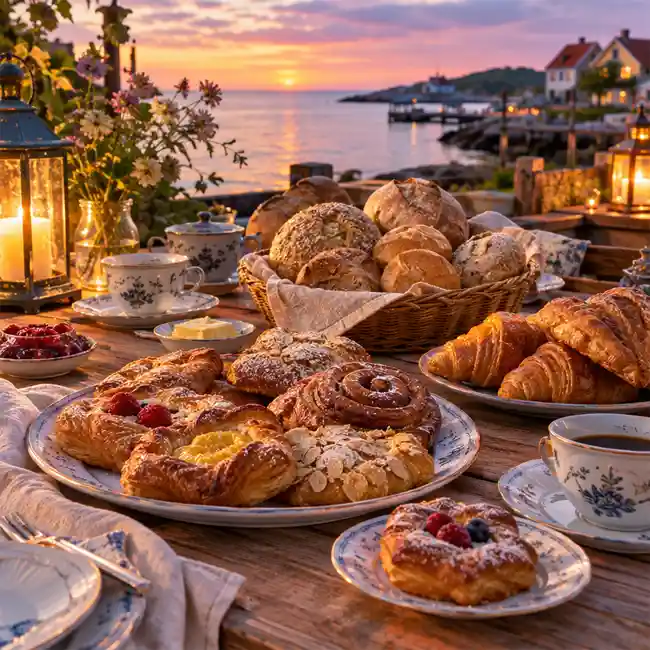
🇩🇰 Introduction: The Cultural Heritage of Denmark Breads
Welcome to Denmark, a small country with a huge bread obsession. If you think bread is just something on the side, Denmark will change your mind completely.
Here, bread is not a filler. It is the main event, the culture, the history, and the everyday comfort all baked into one warm loaf.
Danish people grow up with the smell of fresh rye in the kitchen, the sound of a crust cracking in the oven, and the ritual of a slow morning with butter, cheese, and coffee.
Denmark breads tell a story of Vikings, farmers, royal bakers, city bakeries, and modern chefs who still respect the old ways while adding a fresh twist.
From dark, dense rugbrød to light, flaky wienerbrød, every bread has a personality, a hometown, and a perfect moment to eat it.
This is not just about flour and water. It is about how Danes live, share, celebrate, and slow down.
So grab a cup of coffee, get cozy, and let’s walk through the bakeries, markets, and kitchen tables of Denmark together.
🍽️ The Art of Denmark Dining Culture & Social Eating
In Denmark, eating is never rushed. The word hygge means cozy togetherness, and bread is right at the center of it.
A typical Danish breakfast is simple but beautiful: fresh bread, cold butter, jam, cheese, soft-boiled eggs, and good conversation.
Lunch is often smørrebrød, the famous open-faced sandwich. It starts with a thick slice of rugbrød, then layers of toppings arranged like tiny works of art.
Danes do not just throw toppings on bread. They build it with care. Pickled herring with onion, roast beef with remoulade, egg with shrimp, or potato with chives. Each one has its own rules and its own charm.
Family dinners often start with bread on the table. Not as an appetizer, but as a way to bring everyone together while the main dish is still cooking.
On weekends, friends meet at bakeries. They stand in line, point at the display, and walk out with a warm paper bag full of buns and pastries. That bag is happiness.
At Christmas, Easter, and birthdays, special breads appear. Sweet, spiced, filled with marzipan or raisins, and shared with people you love.
In Denmark, to share bread is to share life. It is warm, honest, and wonderfully simple.
🗺️ Where Culture Meets Flavor: Iconic Food Tourism Spots
Copenhagen is the heart of Denmark bread culture. Walk through Nørrebro, Vesterbro, or Østerbro in the morning and you will smell bakeries on almost every corner.
Jægersborggade in Nørrebro is a must-visit street for food lovers. Small bakeries, coffee shops, and local stores line the street with fresh sourdough and cardamom buns.
Torvehallerne Food Market in Copenhagen is a paradise for bread fans. You can taste rugbrød, seeded loaves, cinnamon rolls, and pastries from some of the best bakers in the city.
Aarhus, Denmark’s second city, has a young, creative food scene. Its street food markets and harbor-side bakeries mix traditional Danish breads with new ideas.
Odense, the birthplace of Hans Christian Andersen, feels like a fairytale town. Its old bakeries still make classic Danish buns and rye bread just like they did generations ago.
Bornholm, a sunny island in the Baltic Sea, is famous for smoked fish and its own rustic breads. A slice of local rye with smoked herring is a true Bornholm moment.
Skagen, at the northern tip of Denmark, is known for fresh seafood. Locals love to eat shrimp and fish on soft white bread or crisp rye with lemon and dill.
If you visit Denmark, do not just visit museums. Visit bakeries. Ask what is fresh today. Danes love to talk about bread, and they will happily tell you their favorite.
🏆 Top Iconic Denmark Breads Specialties
Denmark has so many breads that it is hard to pick favorites, but these are the ones every visitor should try at least once.
Each bread below is a star in its own right, with its own texture, flavor, and best way to enjoy it.
⭐ Rugbrød - The King of Danish Bread
This is the most iconic bread in Denmark. Dark, dense, sour, and packed with seeds and whole grains.
It is made with rye flour, sourdough starter, sunflower seeds, flaxseeds, and sometimes cracked rye kernels.
It is heavy in the best way. One slice keeps you full for hours.
Danes eat it every day for smørrebrød. It is the base for almost all open-faced sandwiches.
Best with: pickled herring, liver pâté, cold cuts, cheese, or just thick butter and a slice of aged cheese.
Pro tip: Rugbrød tastes even better the next day, after the flavors have settled. Toast it lightly for extra crunch.
⭐ Franskbrød - The Soft Everyday White Bread
Franskbrød means French bread, but in Denmark it is soft, slightly sweet, and perfect for breakfast.
It has a golden crust, a soft white crumb, and a mild, comforting taste.
Families buy it fresh on Sunday mornings and eat it warm with butter and jam.
Best with: soft cheese, honey, chocolate spread, or a fried egg.
⭐ Wienerbrød - The World-Famous Danish Pastry
Yes, this is the original Danish pastry. In Denmark it is called wienerbrød, which means Vienna bread.
It is made with laminated dough, layers of butter folded again and again until it becomes flaky, light, and golden.
Popular versions include cinnamon swirls, custard-filled spandauer, apricot crowns, and chocolate twists.
It is sweet but not too sweet, buttery but not heavy, and best eaten warm from the bakery.
Best with: a cup of coffee and a slow morning.
⭐ Kanelsnegle - Danish Cinnamon Rolls
Denmark’s version of the cinnamon roll is less sugary than the American one, but more aromatic and buttery.
It is swirled with cinnamon, sugar, and butter, then baked until soft inside and slightly crisp outside.
Some bakeries add cardamom, which gives it a warm, spicy, almost floral flavor.
Best with: coffee, friends, and a rainy afternoon.
⭐ Tebirkes - The Poppy Seed Danish
Tebirkes is a classic Danish breakfast bun. Flaky, buttery, and covered in poppy seeds.
Inside, you will often find a sweet marzipan or remonce filling made with butter and sugar.
It is one of the first things Danes reach for at a bakery counter.
Best with: butter, jam, and a soft-boiled egg.
⭐ Birkes - The Simple Poppy Seed Roll
Similar to tebirkes but simpler. A soft white roll topped with poppy seeds.
It is light, fluffy, and perfect for a quick breakfast sandwich.
Best with: cheese, ham, or just butter.
⭐ Rundstykker - The Danish Breakfast Roll
These are small, crusty rolls that Danes eat for weekend breakfast or brunch.
They come plain, with seeds, with cheese, or with chocolate chips for kids.
Fresh rundstykker, warm butter, and a pot of coffee is a very Danish way to start a Saturday.
Best with: jam, Nutella-style spread, cold cuts, or smoked salmon.
⭐ Krydderboller - Spiced Buns
These are soft, spiced buns with cinnamon, cardamom, and sometimes cloves.
They are especially popular in autumn and winter.
Best with: butter and a hot drink on a cold day.
⭐ Sigtebrød - The Light Rye-Wheat Bread
Sigtebrød is a lighter bread made with sifted rye and wheat flour. It is softer than rugbrød but still has that gentle rye tang.
It is a great choice if you find rugbrød too dense at first.
Best with: cheese, cold roast pork, or egg salad.
⭐ Knækbrød - Danish Crispbread
Thin, crunchy, and full of seeds, knækbrød is Denmark’s answer to crackers.
It is baked until super crisp and lasts for weeks in a tin.
Best with: blue cheese, smoked salmon, or avocado and tomato.
⭐ Fødselsdagsboller - Birthday Buns
In Denmark, birthdays start with boller, soft sweet buns served in bed or at a birthday table.
They are fluffy, slightly sweet, and often topped with coarse sugar or chocolate.
Best with: hot chocolate, jam, and birthday candles.
⭐ Julebrød & Julekage - Christmas Breads
At Christmas, bakeries fill with sweet breads flavored with cinnamon, cardamom, orange peel, raisins, and almonds.
Some are shaped like wreaths or stars and decorated for the holiday table.
Best with: family, candles, and a cozy evening.
⭐ Fastelavnsboller - Carnival Buns
These are soft buns filled with cream, jam, or marzipan, eaten during Fastelavn, Denmark’s carnival season in February.
Kids dress up, hit a barrel full of candy, and then everyone eats these buns.
Best with: celebration and laughter.
👅 Flavor Profile: What Makes Denmark Breads Unique?
• Sour meets sweet: Many Danish breads use sourdough, which gives a gentle sourness that balances sweet toppings and rich butter.
• Seeds, seeds, and more seeds: Sunflower, flax, sesame, poppy, and pumpkin seeds add crunch, nuttiness, and nutrition.
• Butter is king: Danish bakers use high-quality butter, and you can taste it. The dough is rich, flaky, and deeply satisfying.
• Warm spices: Cardamom and cinnamon are everywhere. They make Danish buns smell like a warm hug.
• Whole grains: Rugbrød and other rye breads are full of fiber and whole grains. They are hearty, earthy, and very filling.
• Not too sweet: Even sweet Danish breads are balanced. They let the butter, spice, and grain shine instead of covering everything in sugar.
• Texture contrast: Crispy crust, soft inside, crunchy seeds, creamy filling. Danish breads love contrast.
• Freshness matters: Danes prefer bread baked that morning. A day-old loaf is still good, but a warm loaf is magic.
🌾 Essential Ingredients & Traditional Cooking Techniques
Danish baking is simple on the surface, but it takes patience, skill, and respect for the ingredients.
Bakers in Denmark often start early, sometimes at 3 or 4 in the morning, to have fresh bread ready when the city wakes up.
🧂 Signature Spices & Local Ingredients
• Rye Flour: The soul of Danish bread. It gives rugbrød its dark color, dense texture, and tangy flavor.
• Wheat Flour: Used for white breads, buns, and pastries. Danish wheat is soft and perfect for fluffy rolls.
• Sourdough Starter: Many Danish bakers keep a starter alive for years, even decades. It is like a family member.
• Danish Butter: Rich, creamy, and slightly salty. It is the secret behind flaky wienerbrød.
• Seeds: Sunflower seeds, flaxseeds, sesame seeds, and poppy seeds add texture and nutrition.
• Cardamom: The signature spice of Danish buns. Warm, citrusy, and unforgettable.
• Cinnamon: Used in kanelsnegle and Christmas breads for warmth and sweetness.
• Marzipan: Made from almonds and sugar, used in tebirkes, Fastelavnsboller, and holiday treats.
• Malt Syrup: Adds a deep, slightly sweet flavor and dark color to rye breads.
• Milk and Eggs: Give softness and richness to buns and breakfast rolls.
• Fresh Yeast: Many traditional bakeries still use fresh yeast for a softer, more aromatic rise.
• Sea Salt: A pinch of good salt brings out all the other flavors.
👨🍳 Time-Honored Cooking Methods
• Long Fermentation: Rugbrød is often fermented for 12 to 24 hours. This slow process builds flavor and makes the bread easier to digest.
• Lamination: For wienerbrød, bakers fold butter into dough over and over, creating dozens of thin layers. When baked, those layers puff up into flaky perfection.
• Stone Oven Baking: Many artisan bakeries bake on stone, which gives a crisp crust and even heat.
• Hand Shaping: Rundstykker, tebirkes, and boller are often shaped by hand, so each one is slightly different and full of character.
• Seeding by Hand: Poppy seeds and sesame seeds are sprinkled by hand before baking, so they stick to the crust and toast beautifully.
• Cooling on Racks: Rugbrød needs to cool slowly before slicing. Cutting it too early makes it gummy. Patience is part of the recipe.
• Baking in Tins: Rugbrød is baked in a loaf tin for a long time at a low temperature. This gives it that dense, moist, sliceable texture.
• Double Baking for Crispbread: Knækbrød is baked, then dried at low heat until it becomes perfectly crisp.
🏳️🌈❓ Frequently Asked Questions (FAQ)
Q1: What is the most famous bread in Denmark?
Rugbrød is the most famous and most loved bread in Denmark. It is the everyday bread for smørrebrød, the open-faced sandwich, and a symbol of Danish food culture. If you try only one Danish bread, make it rugbrød.
Q2: Is Danish pastry actually from Denmark?
Yes, but with a twist. Wienerbrød was inspired by Viennese bakers who came to Denmark in the 1840s. Danish bakers took the Viennese technique, added more butter, more layers, and their own fillings, and created something uniquely Danish. Today, the world calls it Danish pastry, and Denmark calls it wienerbrød.
Q3: What do Danes eat on rugbrød?
Almost everything. Classic toppings include pickled herring with onion and dill, liver pâté with pickled beets, roast beef with crispy onions, smoked salmon with lemon, egg with shrimp, and cheese with jam. The rule is simple: one main topping, beautiful presentation, and good rugbrød underneath.
Q4: Can I make Danish bread at home?
Absolutely. Start with rundstykker or kanelsnegle, which are friendly for beginners. For rugbrød, you will need rye flour, a sourdough starter, seeds, and patience. The dough is sticky and dense, but the result is worth it. Many Danish home bakers bake rugbrød once a week and keep it in the fridge for days.
🙏 Culinary Heritage & Credit to Denmark Traditions
Denmark breads are not just recipes. They are heritage passed down from farmers, mothers, bakers, and street vendors.
The farmers who grew rye in cold Nordic soil, the bakers who woke up before dawn, and the families who shared bread around the table all deserve credit for keeping this culture alive.
Modern Danish chefs and artisan bakers continue to honor those traditions while experimenting with new grains, new flavors, and new techniques.
When you eat Danish bread, you are tasting centuries of care, patience, and love for good food.
So whether you visit Copenhagen, bake at home, or simply enjoy a slice of rugbrød with butter, remember this: Denmark bread is Denmark’s heart, served warm, sliced thick, and shared with joy.
Tak for mad, thank you for the food, and may your table always have fresh bread.
🍞 Why This Homemade Low-Carb Denmark Bread Will Change How You Think About Healthy Baking
👉 Bake Authentic Danish Breads
| 🌐 🍞 < Back | 🇩🇰 🥗 < Previous | Next > 🍱 🇩🇰 |