
🏠 Home > 🗺️ Recipes > 🍞 Breads > 🇩🇯 Djibouti Breads Recipes
🇩🇯 🍞 Authentic Djibouti Breads: Nomadic Hearth & Horn of Africa Traditions
Published by Supakorn | Updated: November 2026
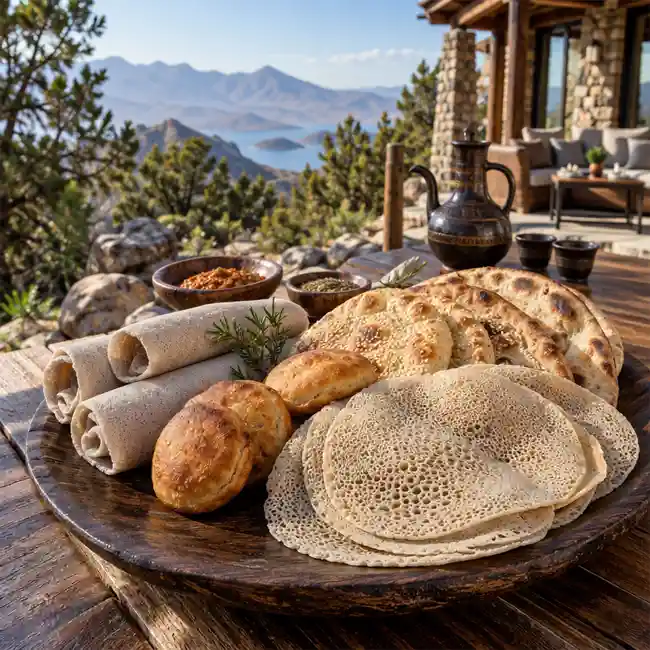
Welcome, friend! If you are a true food lover who obsesses over the cozy, soul-warming magic of freshly baked bread, you have just stumbled upon absolute gold. Today, we are taking a deep-dive culinary journey into a fascinating corner of the Horn of Africa: Djibouti.
When most people think of African cuisine, their minds might instantly jump to rich tagines or fiery stews. But in Djibouti, bread isn’t just a side dish—it is the living heart of every single meal. Nestled along the Red Sea and the Gulf of Aden, this vibrant nation blends Somali, Afar, Arab, and French influences into a unique bread-making culture like nowhere else on Earth. Grab a cup of spiced tea, get comfortable, and let’s explore the irresistible, warm, and comforting world of Djibouti breads together!
🐪🏜️ Introduction: The Cultural Heritage of Djibouti Breads
Bread in Djibouti is far more than mere calories to power through the day. It is an ancient story written in flour, water, heat, and history. For centuries, the Nomadic Afar and Somali communities traversed the arid landscapes of Djibouti, relying on quick, nutritious, and portable flatbreads cooked over open campfires.
As trade routes expanded across the Indian Ocean and the Red Sea, maritime traders brought Yemeni spices, Middle Eastern baking tricks, and eventually French baguette traditions into the local kitchens. Today, walking through the bustling morning streets of Djibouti City, the irresistible aroma of fermenting dough and blistering flatbreads baking on hot griddles fills the air. Bread represents peace, hospitality, and life itself. To break bread with a Djiboutian family is to be welcomed as a lifelong friend.
🥖 The Art of Djibouti Dining Culture & Social Eating
In Djiboutian culture, eating is fundamentally a collective experience. You will rarely find someone eating bread in isolated silence here. Meals are communal gatherings where large woven platters or communal dishes take center stage, piled high with fresh flatbreads.
• Communal Gathering: Family and friends gather closely on floor mats or around low wooden tables, sharing food from a single centerpiece.
• Hand-to-Mouth Hospitality: Bread serves as both the main staple and the primary utensil. Using your right hand, you tear off a warm piece of flatbread, scoop up rich stews or spiced sauces, and enjoy the perfect bite.
• Morning Rituals: Breakfast is an essential social event. Neighbors often pop by to share hot flatbreads drizzle-coated with sweet honey and clarified butter alongside steaming cups of cardamom-infused tea (Shaah).
• Nomadic Hospitality: Offering fresh flatbread to a guest, no matter how humble the home, is an absolute cultural duty that symbolizes warmth, respect, and unconditional welcome.
🕌 Where Culture Meets Flavor: Iconic Food Tourism Spots
If you are planning a trip to Djibouti to experience this bread culture firsthand, you are in for an unforgettable sensory adventure. The country’s food landscape ranges from lively urban markets to serene coastal towns and remote desert encampments.
• Djibouti City’s Central Market (Marché Central): The chaotic, colorful beating heart of the capital. Here, street vendors flip thin flatbreads on hot iron griddles while local bakeries send out steady streams of crusty French-style baguettes.
• The European Quarter & Place Menelik: A historic square where colonial-era French bakeries sit alongside traditional cafes. You can savor a crispy morning baguette while watching the city wake up.
• Ali Sabieh & Dikhil: Inland cities where you can experience rustic, authentic Nomadic bread-making techniques cooked in earth ovens or directly on hot embers under the desert sky.
• Tadjoura & Obock: Coastal gems across the Gulf of Tadjoura where seafood dishes are served with traditional flatbreads infused with regional spices and coastal hospitality.
⚱️ Top Iconic Djibouti Breads Specialties
Djibouti boasts a mouthwatering array of traditional breads, each holding a special place in the daily rhythm of life. Here are the standout star specialties you need to know about:
✨ Laxoox (Canjeero): The absolute undisputed king of Djiboutian breakfast. This spongy, fermented flatbread features a slightly sour undertone and a porous top full of tiny bubbles, perfect for absorbing honey, ghee, or savory stews.
✨ Subaad Breads (Malab Waf): A sweet breakfast specialty where warm, freshly cooked flatbread is lavishly folded with clarified butter (Subaad) and generous drizzles of raw local honey (Malab).
✨ Sabaayad (Kichri): A layered, flaky flatbread closely related to Indian parathas. It is folded and pan-fried to golden perfection, offering a crispy exterior with soft, buttery layers inside.
✨ Djiboutian Baguette: A proud nod to French history. This French-style baguette has been adapted locally, featuring a ultra-crispy outer crust and soft interior, usually stuffed with savory fillings or enjoyed with morning tea.
✨ Muffo: A dense, round flatbread traditionally baked by slapping the dough directly onto the inner clay walls of a traditional tandoor-style oven (Tanoor).
✨ Fah-Fah Flatbread: A rustic, unleavened hearth bread made by nomadic shepherds, designed to stay fresh during long desert journeys.
💥 Flavor Profile: What Makes Djibouti Breads Unique?
What sets Djiboutian breads apart from flatbreads around the rest of the world? It comes down to a delicate balance of fermentation, texture, and subtle spice blending.
◦ Slightly Fermented Tang: Breads like Laxoox undergo an overnight sourdough-like fermentation, yielding a gentle, pleasant acidity that offsets rich meats and sweet toppings.
◦ Dual-Texture Delight: Djiboutian flatbreads masterfully combine a crispy bottom with a light, pillowy, bubbly top surface.
◦ Sweet & Savory Versatility: The very same bread can be eaten in the morning drizzled with honey and melted butter, and then used at night to scoop up a fiery goat stew.
◦ Aromatic Infusions: Bakers frequently dust their dough or pans with black nigella seeds (Xbba Xad), cardamom, or local spices, giving the bread a warm, earthy fragrance.
🌾 Essential Ingredients & Traditional Cooking Techniques
The magic of Djibouti baking lies in how local artisans turn simple, humble ingredients into extraordinary culinary masterpieces using centuries-old wisdom.
🧂 Signature Spices & Local Ingredients
◦ Sorghum & Millet Flour: Traditionally used by nomadic communities, giving ancient flatbreads a nutty flavor and rich mineral nutrients.
◦ Wheat & Maize Flour: Popular in modern urban centers for creating light, airy textures in everyday flatbreads and baguettes.
◦ Clarified Butter (Subaad / Ghee): Rich, aromatic melted butter infused with spices like fenugreek or garlic, used to coat dough or glaze hot breads.
◦ Wild Horn Honey: Pure, unpasteurized local honey harvested from desert blossoms, adding deep floral sweetness to breakfast flatbreads.
◦ Nigella Seeds (Black Seed): Scattered over flatbread dough to add a peppery, slightly bitter crunch and aromatic oiliness.
🔥 Time-Honored Cooking Methods
◦ The Roosh (Hot Circular Griddle): A heavy cast-iron or clay convex plate set over glowing charcoal where thin batter is poured and swirled into perfectly round flatbreads.
◦ Tanoor (Clay Pit Baking): Traditional subterranean or standing clay ovens heated with wood. Dough slabs are slapped directly against the blistering hot walls to bake in minutes.
◦ Ember Baking (Nomadic Hearth): An ancient desert method where dense flatbread dough is buried beneath clean ash and hot coals, yielding a smokey, crusty hearth bread.
◦ Layered Pan-Frying: Flaky dough is rolled out, brushed with butter, folded multiple times, and pan-fried on flat griddles to build tender, paper-thin layers.
🏜️❓ Frequently Asked Questions (FAQ)
Q1.What is the difference between Djiboutian Laxoox and Ethiopian Injera?
While both are fermented flatbreads, Laxoox is smaller, thinner, lighter, and much less sour than Injera. Laxoox is typically made with wheat or sorghum flour and features a golden bottom, whereas Injera is larger, sponge-like throughout, and traditionally made from teff grain.
Q2.Is Djibouti bread gluten-free?
Traditional nomadic varieties made purely from 100% millet or sorghum flour can be naturally gluten-free. However, most modern street-food varieties of Laxoox, Sabaayad, and baguettes use refined wheat flour or grain blends, so they contain gluten.
Q3.How are flatbreads eaten in Djibouti?
Flatbreads are eaten almost exclusively by hand! You tear off a small piece with your right hand, fold it to create a scoop, and pick up meat, vegetables, or sauces.
Q4.Can Djibouti breads be eaten as a sweet dish?
Yes! Breads like Laxoox and Sabaayad are hugely popular as sweet breakfast items when served hot, drenched in melted clarified butter (Subaad), and heavily drizzled with honey.
🏛️ Culinary Heritage & Credit to Djibouti Traditions
The culinary landscape of Djibouti is a living testament to the resilience, adaptability, and warmth of its people. From the ancient paths walked by nomadic Afar and Somali herdsmen across the Danakil desert to the bustling coastal ports welcoming international ships for centuries, Djibouti’s bread culture preserves the nation's true soul.
Each torn piece of warm flatbread carries forward generations of tradition, hospitality, and communal unity. By honoring these time-tested baking techniques, raw local ingredients, and shared dining customs, we celebrate an extraordinary African heritage that continues to feed both the body and the spirit of all who sit around the table.
🍞 Fluffy Homemade Djiboutian Bread Rolls: The Softest Base for Your Kids' School Sandwiches
👉 Recreate Heritage Djiboutian Breads
| 🌐 🍞 < Back | 🇩🇯 🥗 < Previous | Next > 🍱 🇩🇯 |