
🏠 Home > 🗺️ Recipes > 🍱 Snacks > 🇩🇯 Djibouti Snacks Recipes
🇩🇯 🍱 Authentic Djibouti Snacks: Red Sea Souk & Nomadic Street Bites
Published by Supakorn | Updated: November 2026
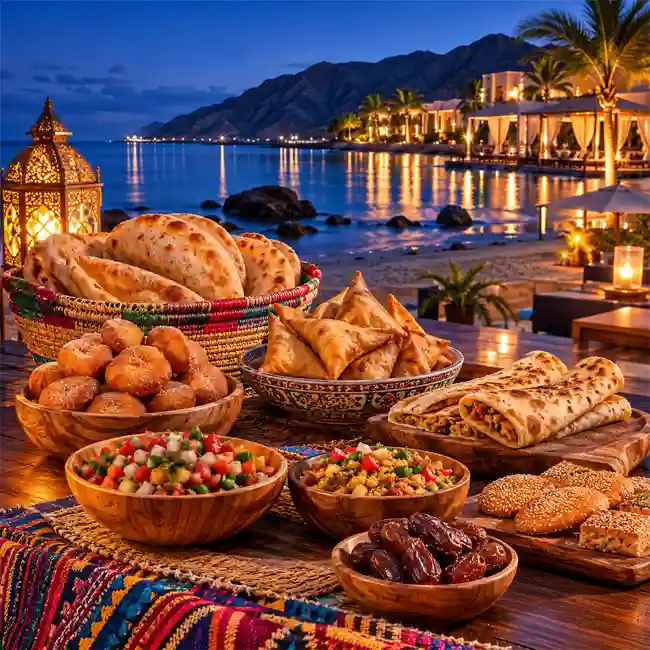
🏜️🦩 Introduction: The Cultural Heritage of Djibouti Snacks
Picture this: the sun is dropping over the Gulf of Tadjoura, the air smells like salt and cardamom, and someone next to you is handing over a paper cone of golden, crackling sambusa. That's Djibouti snacking in a nutshell. It's warm and generous, and it's honestly full of surprises.
Djibouti is one of those places people tend to fly over or pass through without really stopping. That's a shame, because this small country on the Horn of Africa sits on one of the most interesting crossroads on the planet. It touches the Red Sea and the Gulf of Aden and has neighbors on all sides, so its food has quietly soaked up influences from everywhere:
✦ Somali (Issa) traditions: spiced flatbreads, fried pastries and sweet, sticky xalwo
✦ Afar nomadic heritage: simple, hearty foods built around milk, dates, meat and bread cooked over embers
✦ Yemeni influence: from centuries of trade across the narrow Bab-el-Mandeb strait, bringing oven-baked fish, honey-soaked breads and spice-heavy cooking
✦ Ethiopian flavors: thanks to the historic railway link and close cultural ties, adding berbere-style heat and tangy flatbreads
✦ French colonial touches: you'll still spot crusty baguettes, beignets and café-style pastries around the capital
✦ Indian Ocean trade echoes: samosa-style pastries, chapati-like breads and fragrant tea traditions
Put all of that together and Djibouti snacks end up being a lot more than finger food. They're a little edible map of the region's history. Every bite tells you something about who passed through, who stayed, and how people learned to make delicious food in one of the hottest, driest corners of the world.
🤝 The Art of Djibouti Dining Culture & Social Eating
Eating in Djibouti is rarely a solo thing. Food is how people say "welcome," and refusing it, even politely, can feel a little awkward. So come hungry.
Here's what everyday eating and socializing tends to look like:
• Hospitality comes first: If you visit someone's home, expect tea and snacks almost immediately. Hosts take real pride in making sure guests never leave with an empty stomach.
• Shared plates are the norm: Meals and snacks are often served on a big communal platter. Everyone digs in together, usually with the right hand, and that shared plate is a big part of the bonding.
• Tea time is sacred: Spiced tea (shaah) loaded with sugar, cardamom, cinnamon and sometimes cloves or ginger is the heartbeat of the day. Morning tea, afternoon tea, tea when friends drop by, tea after a meal. You get the idea. And where there's tea, there's usually something fried or sweet next to it.
• Late afternoons and evenings come alive: Midday heat in Djibouti is no joke, so a lot of social life shifts to cooler hours. Street vendors set up as the sun goes down, and that's when the snack scene really kicks off.
• Ramadan transforms everything: During the holy month, iftar tables fill up with dates, sambusa, bajiya, fresh fruit juices and sweets. This is honestly the best time to see Djiboutian snack culture at its most joyful and abundant.
• Weddings and Eid bring out the sweets: Celebrations mean trays of xalwo, kac kac and other treats, often made in big batches by family members working together.
• Respect for elders: At gatherings, older family members are often served first. It's a small gesture that says a lot about the values behind the food.
There's also a laid-back rhythm to all of it. Nobody's rushing. Conversations stretch out, tea glasses get refilled, and another plate of snacks somehow appears. Slow, social eating is pretty much the national pastime.
🗺️ Where Culture Meets Flavor: Iconic Food Tourism Spots
If you're planning a food-focused trip, here are the places where Djibouti's snack culture really shines:
• Djibouti City's central market area: The bustling market zone around the city center is sensory overload in the best way. Stalls sell spices, dates, fresh produce and fried goodies. Wander, sniff, point and taste.
• Place Ménélik and the European Quarter: The historic heart of the capital has Moorish-style arcades and a café scene where French pastries sit right next to Somali and Yemeni treats. It's a great spot to people-watch with tea and a snack.
• The African Quarter neighborhoods: This is the more local, everyday side of the city. Small eateries and street vendors serve sambusa, laxoox and spiced tea to workers and families, and prices are friendly.
• Yemeni-style fish restaurants: One of the most iconic food experiences in the capital is fish rubbed with spices and baked in a traditional clay oven, then served with fresh flatbread straight from the same oven. Locals often eat it with their hands, tearing bread and scooping up the flaky fish. It's a must-try.
• The waterfront and Plage de la Siesta area: As evening sets in, families gather by the sea, and vendors nearby sell grilled corn, roasted nuts and fried bites. Simple and relaxing.
• Tadjourah: Often called the "white city" for its whitewashed buildings, this coastal town is one of the oldest in the country. Its quieter, more traditional vibe gives you a taste of Afar culture and seaside cooking.
• Obock: A historic port town with a slower pace, fresh seafood and a real sense of how coastal communities have eaten for generations.
• Ali Sabieh and the inland towns: Head inland and you'll find hearty nomadic-style foods, goat and camel milk traditions, and markets where pastoral communities trade.
• Lake Assal: You won't find a food market here. But this dazzling salt lake, one of the lowest points in Africa, has been tied to the region's salt trade for centuries, and salt caravans have shaped how food was preserved and exchanged across the Horn.
Friend tip: Ask locals where they go for sambusa or laxoox. The best spots often have no sign and no menu, just a line of regulars.
⭐ Top Iconic Djibouti Snacks Specialties
Okay, here's the good stuff. These are the snacks and small bites you'll see again and again, and the ones you'll be craving after you leave.
🥟 Sambusa (Sambuus): The undisputed king of Djibouti snacks. These crispy, triangle-shaped pastries are usually stuffed with spiced minced meat (beef or goat), onions, green chili and herbs. Vegetarian versions with lentils or potatoes are also common. They're everywhere during Ramadan, but you'll find them year-round at street stalls and cafés.
🧆 Bajiya (Bajiyo): Golden, crunchy fritters made from ground lentils or black-eyed peas, spiked with onion, garlic, chili and cumin. They're crunchy outside and fluffy inside, and dangerously easy to eat by the handful. They often come with a squeeze of lime or a spicy green sauce.
🍕 Laxoox (Lahoh): A spongy, slightly sour, crepe-like flatbread with tiny bubbles on top. Technically it's a breakfast staple, but it's eaten any time of day. Locals love it drizzled with honey or ghee and sprinkled with sugar, or paired with savory stews, and it pairs beautifully with sweet tea.
🥞 Malawax (Malawah): A soft, buttery, slightly sweet pancake-meets-crepe, often scented with cardamom. Kids adore it, adults secretly adore it too, and it's a classic morning or afternoon treat.
🍞 Muufo: A slightly dense, round flatbread traditionally baked against the wall of a clay oven. It's often torn and eaten with stews, beans or just with tea.
🍪 Sabaayad: A flaky, layered flatbread similar to chapati or paratha. It's brushed with oil or ghee, pan-cooked until blistered, and works as a snack, a side or a wrap.
🍩 Kac Kac: Crunchy-on-the-outside, soft-in-the-middle fried dough bites, lightly sweet and sometimes spiced with cardamom. They're a staple at Eid and family gatherings and perfect with tea.
🍬 Shushumow: Small fried dough pieces glazed in a sweet, crackly sugar coating. They're a celebration favorite and a big hit with kids.
🍯 Xalwo (Halwa): A glossy, jelly-like sweet made from sugar, ghee, starch and spices like cardamom and nutmeg. It's rich and chewy, and it's essential at weddings and Eid. Offering xalwo to guests is a sign of real generosity.
🥥 Gashaato: A sweet, chewy coconut candy, sometimes tinted with colors and flavored with cardamom. It's simple and nostalgic, and you'll often find it sold in small pieces at markets.
🐟 Yemeni-style baked fish with flatbread: Not a "snack" in the tiny sense, but it's such a shareable, hands-on experience that it deserves a spot here. Spice-rubbed fish is baked in a clay oven and served with fresh, blistered bread, often alongside a spicy tomato or chili dip.
🥔 Ful (Fava beans): Slow-cooked, mashed fava beans seasoned with cumin, garlic, oil and sometimes chili or tomato. Usually scooped up with bread, it's a hearty street breakfast and a popular quick bite.
🥖 French-style baguette sandwiches: A tasty colonial leftover. Crusty baguettes are stuffed with eggs, tuna, spiced meat or fries and sold from small shops and stalls. They're handy, filling and very Djibouti City.
🌴 Dates: Simple but essential. Dates are the traditional way to break the fast during Ramadan and are offered to guests as a sign of welcome.
🌶️ Flavor Profile: What Makes Djibouti Snacks Unique?
So what actually sets Djibouti snacks apart from snacks elsewhere in the region? Here's the flavor DNA:
◦ Warm, aromatic spice: Djiboutian cooking leans on fragrant spices like cumin, coriander, cardamom, cinnamon and cloves, more "cozy and layered" than "blow-your-head-off hot."
◦ Heat on the side: A lot of the chili kick comes from sauces and dips served alongside, so you can control the burn yourself. Love spice? Go wild. Not a fan? Go easy.
◦ Sweet meets savory: Many snacks happily blur the line. Laxoox with honey, cardamom-scented fried dough and sugary tea next to spiced meat pastries all prove that sweet and savory are best friends here.
◦ Ghee richness: Clarified butter shows up a lot, giving breads and sweets a nutty, rich depth.
◦ Tangy, fermented notes: Fermented batters like the one for laxoox add a gentle sourness that balances heavier flavors.
◦ Fresh citrus and herbs: A squeeze of lime, fresh cilantro or chopped onion keeps things bright, which matters in a hot climate.
◦ Crunch is king: Fried snacks like sambusa, bajiya and kac kac are all about texture, crisp outside and tender inside.
◦ Smoky, oven-baked character: Clay-oven cooking gives breads and fish a lovely charred, smoky edge you just can't fake on a regular stovetop.
Overall, Djibouti snacks taste warm, comforting and balanced, with plenty of personality but rarely overwhelming.
🧂 Essential Ingredients & Traditional Cooking Techniques
Want to understand Djibouti snacks on a deeper level? It all comes back to a handful of core ingredients and cooking methods that have been passed down for generations.
🌿 Signature Spices & Local Ingredients
◦ Xawaash spice blend: This is the secret weapon of Somali and Djiboutian kitchens. It's a toasted, ground mix that usually includes cumin, coriander, cardamom, cinnamon, cloves, black pepper and turmeric. Every family has its own version, and many keep the exact ratios close to the chest.
◦ Cardamom: It's in tea, sweets, breads and even some savory dishes. Its floral, slightly citrusy aroma is basically the scent of Djiboutian hospitality.
◦ Cumin and coriander: These earthy, warm backbone spices show up in fillings, fritters and bean dishes.
◦ Berbere-style chili blends: Thanks to Ethiopian influence, some households use red chili spice mixes for extra depth and heat.
◦ Fresh green chilies and garlic: Essential for spicy dips and fillings.
◦ Ghee (subag): Clarified butter used for frying, brushing breads and enriching sweets.
◦ Lentils, black-eyed peas and fava beans: Affordable, protein-packed staples behind bajiya, ful and vegetarian sambusa.
◦ Wheat flour and sorghum: The base for flatbreads, pastries and fried dough. Sorghum in particular ties into older regional grain traditions.
◦ Dates: Natural sweetness, energy and deep cultural meaning.
◦ Fresh seafood: With such a long coastline, fish from the Red Sea and Gulf of Aden is a big part of coastal snacking.
◦ Goat, beef and camel meat: Common fillings and grilled bites, reflecting the country's pastoral roots.
◦ Camel and goat milk: Especially important in Afar and nomadic food traditions.
◦ Limes and tomatoes: For brightness and fresh dips.
◦ Sugar and honey: Djiboutians definitely have a sweet tooth, and tea and treats show it.
🔥 Time-Honored Cooking Methods
◦ Deep frying in hot oil: It's behind sambusa, bajiya, kac kac and shushumow. Getting the oil temperature just right is an art form, and street vendors are total pros at it.
◦ Clay oven baking: Traditional cylindrical clay ovens, similar to a tandoor, are used to bake flatbreads slapped against the hot walls and to roast spiced fish. It's hot, fast and smoky.
◦ Fermenting batters: Laxoox batter is usually left to rest and ferment, which develops its signature bubbles, spongy texture and gentle tang.
◦ Griddle and pan cooking: Flatbreads like sabaayad and malawax are cooked on flat griddles or wide pans, often brushed with ghee or oil.
◦ Slow simmering: Ful and similar bean dishes are cooked low and slow until creamy and deeply flavored.
◦ Toasting whole spices: Before grinding, spices are often dry-toasted to wake up their oils and aroma. This step is what makes homemade xawaash so special.
◦ Patient stirring for sweets: Xalwo needs long, steady stirring over heat until it turns thick and glossy. It's often a group effort at big celebrations, with family members taking turns.
◦ Ember and coal cooking: In nomadic and rural settings, breads and meats are traditionally cooked over embers or hot coals. It's simple, resourceful and full of flavor.
◦ Sun drying and salting: In a hot, dry climate, these age-old methods helped preserve meat and fish long before refrigeration.
🦈❓ Frequently Asked Questions (FAQ)
Q1. What is the most popular snack in Djibouti?
Sambusa is easily the most popular snack in Djibouti. These crispy fried pastries filled with spiced meat, lentils or vegetables are sold at street stalls, cafés and markets all year, and they take center stage during Ramadan iftar.
Q2. Is Djiboutian street food spicy?
Djiboutian street food is more aromatic than fiery. Most snacks rely on warm spices like cumin, cardamom and coriander, while the real chili heat usually comes from dips and sauces served on the side. That makes it easy to adjust the spice level to your taste.
Q3. What should I try first as a visitor to Djibouti?
Start with sambusa and bajiya from a busy street stall, have laxoox with honey and spiced tea for breakfast, and don't leave without trying Yemeni-style baked fish with fresh flatbread in Djibouti City. For something sweet, grab xalwo or kac kac.
Q4. What influences shaped Djibouti snacks?
Djibouti snacks blend Somali and Afar traditions with influences from Yemen, Ethiopia, India and France. Centuries of Red Sea trade, nomadic heritage and colonial history all left their mark, which is why you'll find samosa-style pastries, clay-oven breads, spiced teas and French baguettes in the same city.
🙏 Culinary Heritage & Credit to Djibouti Traditions
It's important to say this clearly: the incredible food of Djibouti belongs to its people. Every crispy sambusa, every glossy tray of xalwo and every bubbly laxoox exists because generations of Djiboutian families, especially the women who've often been the keepers of these kitchens, carefully passed down their know-how by hand, by taste and by memory.
A few things deserve real respect and recognition:
◦ The Somali (Issa) community: Their spice traditions, flatbreads and celebratory sweets are at the core of everyday Djiboutian snacking.
◦ The Afar people: Their nomadic wisdom shaped how food is cooked, shared and preserved in one of the toughest climates on Earth. Living off milk, dates, grains and livestock across harsh desert landscapes takes deep knowledge and resilience.
◦ Yemeni and Arab trading communities: Their clay-oven breads, baked fish and spice culture have become a cherished part of the country's food identity.
◦ Ethiopian and wider Horn of Africa neighbors: Shared ingredients, techniques and flavors reflect deep regional ties that go back centuries.
◦ Home cooks and street vendors: They're the true culinary heroes. Most of the best Djibouti snacks don't come from fancy restaurants. They come from small stalls, family kitchens and market corners where recipes have been perfected over a lifetime.
When we talk about Djibouti snacks, we're really talking about a living heritage built on hospitality, faith, family and community. Sharing a plate of sambusa or a glass of sweet spiced tea isn't just about eating. It's an invitation into a culture that has always made room for one more guest at the table.
So whether you're planning a trip to Djibouti City, exploring Horn of Africa cuisine from home, or just curious about the world's lesser-known food cultures, approach it with an open heart and a big appetite. And when someone offers you "just one more" piece of xalwo, say yes. Trust me on this one. 😊
🍱 Fluffy Djiboutian Khamir Bites: The Easy Homemade Snack Kids Can't Stop Eating
👉 Uncover Exotic Djiboutian Snacks
| 🌐 🍱 < Back | 🇩🇯 🍞 < Previous | Next > 🥘 🇩🇯 |