
🏠 Home > 🗺️ Recipes > 🥘 Sauces > 🇩🇯 Djibouti Sauces Recipes
🇩🇯 🥘 Authentic Djibouti Sauces: Afar & Somali Coastal Flavor
Published by Supakorn | Updated: November 2026
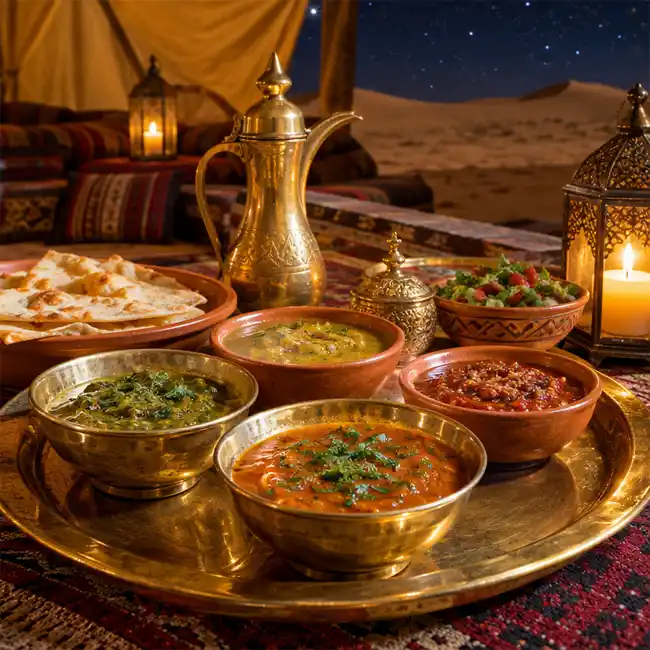
🕌🇩🇯 Introduction: The Cultural Heritage of Djibouti Sauces
Hey friend, let's talk about something seriously underrated. When people think of Djibouti, they usually picture the stunning coastline, the salt lakes, the camels walking through the desert, and that wild mix of African, Arab, French, and Indian influences all living in one tiny but mighty country.
But if you really want to understand Djibouti, you have to start with the sauce.
In Djibouti, sauce is not just a side thing you pour on top. It's the heart of the meal. It's where the story lives. It's what makes a simple plate of rice, grilled meat, or flatbread turn into something you will remember for years.
Djibouti sits right at the crossroads of the Red Sea and the Gulf of Aden. For centuries, traders, sailors, nomads, and families have passed through here, bringing spices, ideas, and cooking styles with them. And Djiboutians took all of that and made it their own. The result? Sauces that are bold, warm, spicy, tangy, comforting, and totally unique.
If you are a food lover hunting for your next obsession, you are in the right place. This is your friendly guide to authentic Djibouti sauces, the ones locals actually eat at home, at street stalls, and at big family gatherings.
We are not going deep into exact recipes today. Think of this as your tasty cultural intro. We will explore the famous names, the flavors, the way people eat, and where to find them if you ever visit Djibouti.
Ready? Grab some bread, because you are going to want to dip it in everything.
🍽️ The Art of Djibouti Dining Culture & Social Eating
In Djibouti, eating is never just eating. It's social. It's family. It's hospitality.
• Meals are shared: Most Djiboutian meals are served on one big platter in the middle. Everyone gathers around. No one eats alone if they can help it.
• Hands and bread are the tools: Forget fancy cutlery for a second. A lot of Djiboutian food is eaten with the right hand, using pieces of soft flatbread like lahoh or canjeero to scoop up sauce and meat. It's messy in the best way.
• Sauce is the connector: The sauce sits in the center, and everyone dips into it. It's literally what brings people together around the table.
• Tea time is sacred: After a spicy, saucy meal, Djiboutians love to sit together for spiced tea, called shaah. It's sweet, warm, flavored with cinnamon, cardamom, and ginger. It's the perfect cooldown after a fiery sauce.
• Guests are honored: If you are invited to someone's home in Djibouti, expect generosity. The host will push the best pieces of meat toward you, refill your sauce, and make sure you never leave hungry. Saying no is hard, and saying yes is delicious.
• Street food is daily life: In Djibouti City, the streets come alive in the late afternoon and evening. Small stalls grill skewers, fry samosas, and serve steaming bowls of stew with sauce. Locals stop, chat, eat standing up, and move on. It's fast, friendly, and full of flavor.
• Friday lunch is special: Friday is the big family day. After prayers, families come together for a huge lunch. There is usually a big pot of maraq, a mountain of rice, grilled fish or goat, and several sauces to choose from. It's loud, joyful, and absolutely unmissable if you ever get invited.
• Nomadic roots still matter: Many Djiboutian families have Afar and Somali nomadic heritage. That means food is practical, hearty, and made to share. Sauces were a smart way to make simple ingredients like rice, sorghum, and dried meat taste amazing and last longer.
So when you taste a Djibouti sauce, you are not just tasting chili and tomato. You are tasting hospitality, history, and home.
🗺️ Where Culture Meets Flavor: Iconic Food Tourism Spots
If you are planning a food trip to Djibouti, don't just stay in your hotel. The real flavor is out on the streets and in the neighborhoods.
✦ Djibouti City Central Market: This is the beating heart of Djiboutian food. Spice sellers pile up berbere, cumin, cardamom, turmeric, and dried chilies in colorful mountains. You can smell it from a block away. This is where locals buy ingredients for their sauces every single day.
✦ Quartier 1 and Quartier 2: These old neighborhoods are packed with small eateries and tea houses. Walk through in the evening and you will see grills smoking, pots bubbling, and people calling out to friends. This is street food heaven.
✦ Port Area and Seafood Stalls: Because Djibouti sits on the sea, fresh fish is everywhere. Near the port, you will find grilled fish served with tangy, spicy sauces, lemon, and herbs. It's simple, fresh, and incredibly good.
✦ Tadjourah: One of the oldest towns in Djibouti, Tadjourah has a slower, more traditional vibe. Here, sauces are often made the old way, over open fire, with recipes passed down through generations. If you want to taste Afar cooking at its most authentic, this is the place.
✦ Ali Sabieh: Inland, near the Ethiopian border, Ali Sabieh has a slightly different food style. More hearty stews, more use of sorghum and grains, and sauces that are rich and warming. It's a great stop if you love earthy, comforting flavors.
✦ Dikhil: Known for its markets and its mix of cultures, Dikhil is a great place to try both Somali-style and Afar-style sauces side by side. You will notice the difference immediately.
✦ Lake Assal Area: After visiting the lowest point in Africa and the stunning salt lake, locals often stop for a roadside meal. A plate of rice, grilled goat, and hot sauce with a view of the desert? Yes, please.
✦ Ethiopian and Yemeni Restaurants in Djibouti City: Because of the country's location, you will also find amazing Ethiopian and Yemeni restaurants. Their sauces blend beautifully with Djiboutian flavors, showing just how connected this whole region is.
Pro tip from a friend to a friend: Don't be shy. Ask the vendor what sauce is the spiciest. Ask what sauce they recommend for a first-timer. Djiboutians love talking about their food, and they love it even more when you love it too.
🔥 Top Iconic Djibouti Sauces Specialties
Okay, this is the fun part. Let's meet the stars of the show. These are the sauces you will hear about again and again in Djibouti.
🎖️ Shatta - The Fiery Djiboutian Chili Sauce: If Djibouti had one sauce to rule them all, it would be shatta. It's a bold, fiery chili sauce made from fresh or dried chilies, garlic, lemon, and oil. Every family has their own version. Some are bright red and super hot. Some are green and a little more herby. Some are so hot they make your eyes water in the best way. Shatta goes on everything: grilled meat, fish, rice, eggs, even samosas.
🎖️ Maraq - The Comforting Djiboutian Stew Sauce: Maraq is more than a sauce. It's a rich, hearty stew that doubles as a sauce for rice and bread. It can be made with goat, lamb, chicken, or fish, simmered slowly with tomatoes, onions, garlic, and a blend of spices. It's warm, deep, and soul-soothing. If you are invited to a family lunch, maraq will almost certainly be there.
🎖️ Suqaar Sauce - The Savory Meat Sauce: Suqaar is a beloved Djiboutian dish of small diced meat cooked in a thick, spiced tomato sauce. It's savory, slightly tangy, and perfect scooped up with lahoh. Think of it as Djibouti's ultimate comfort food sauce.
🎖️ Fah-fah Sauce - The Spiced Broth: Fah-fah is a light, aromatic broth-sauce made with goat meat, cumin, and fresh herbs. It's often served as a starter or alongside rice. It's not as thick as maraq, but it's full of flavor and incredibly warming, especially at night.
🎖️ Xawaash-Spiced Tomato Sauce: Xawaash is Djibouti's signature spice blend. It's a mix of cumin, coriander, cardamom, turmeric, black pepper, and sometimes cinnamon and cloves. When it's stirred into a tomato and onion base, you get a sauce that smells like heaven and tastes like a warm hug. This is the base for so many Djiboutian dishes.
🎖️ Bariis Sauce - The Rice Companion: Bariis means rice in Somali, and in Djibouti, rice is never served plain. It comes with a sauce on the side or poured right on top. Often it's a tomato-based sauce with carrots, peas, and spices, designed to make every grain of rice taste amazing.
🎖️ Fish Sauce with Lemon and Tamarind: Along the coast, Djiboutians make a lighter, tangier sauce for grilled fish. It often includes lemon juice, tamarind, garlic, and chili. It's bright, zesty, and cuts through the richness of the fish perfectly.
🎖️ Shiro-Style Bean Sauce: Influenced by neighboring Ethiopia, this is a smooth, creamy sauce made from chickpea or bean flour, garlic, and spices. It's hearty, vegetarian-friendly, and a great option if you want something milder but still full of flavor.
🎖️ Garlic and Herb Dipping Sauce: Simple but addictive. Crushed garlic, fresh coriander, lemon, a little oil, and a pinch of salt. This is the sauce you will find next to grilled skewers and samosas at street stalls. You dip, you smile, you dip again.
🎖️ Sweet Onion and Date Sauce: For special occasions, some families make a sweeter sauce using caramelized onions and dates. It's rich, slightly sweet, and amazing with roasted lamb. It's the perfect example of Djibouti's Arab influence meeting African cooking.
🎖️ Sambusa Dipping Sauce: Sambusa, Djibouti's version of samosa, is a street food legend. Crispy, golden, filled with spiced meat or lentils. And it always comes with a dipping sauce, usually a spicy chili or tangy tamarind sauce that makes the whole bite pop.
Each of these sauces tells a different story. Some are fiery and bold. Some are gentle and comforting. But all of them share that Djiboutian DNA: big flavor, generous spices, and made to be shared.
👅 Flavor Profile: What Makes Djibouti Sauces Unique?
So what actually makes Djibouti sauces different from other East African or Arab sauces? Let's break it down like friends chatting over food.
• Heat with purpose: Djiboutian sauces are often spicy, but it's never heat just for the sake of heat. The chili is balanced with lemon, garlic, and spices so you get layers of flavor, not just burn.
• Warm spices, not just hot spices: Yes, chili is there, but so are cumin, cardamom, coriander, turmeric, and cinnamon. These warm spices give Djibouti sauces a deep, aromatic quality that lingers.
• Tangy and bright: Lemon juice, tamarind, and tomatoes bring a fresh tang that keeps rich meat sauces from feeling too heavy. It's that bright pop that makes you want another bite.
• Rich and comforting: Many sauces are slow-cooked. Onions are cooked until sweet, tomatoes until thick, meat until tender. The result is a sauce that feels like home.
• Herby freshness: Fresh coriander, parsley, and sometimes mint are used generously. They are often added at the end, so the sauce smells fresh and vibrant.
• Coastal meets desert: This is the magic. Djibouti's sauces blend coastal flavors like fish, lemon, and tamarind with desert nomad flavors like dried meat, sorghum, and hearty stews. You won't find this exact mix anywhere else.
• French touch: Because of French influence, you will also notice some sauces are a bit more refined, with butter, careful seasoning, and a love for good bread to scoop it all up.
• Texture matters: Some sauces are thick and chunky, perfect for scooping. Some are thin and brothy, perfect for pouring over rice. Djiboutians love variety in texture, not just taste.
In short, Djibouti sauces are bold but balanced. Spicy but soulful. Simple ingredients, big personality.
🧂 Essential Ingredients & Traditional Cooking Techniques
You don't need a fancy kitchen to understand Djibouti sauces. You just need to know the building blocks and the love that goes into them.
🌶️ Signature Spices & Local Ingredients
• Berbere: A fiery, complex spice blend used in many East African dishes. In Djibouti, it's used to add depth and heat to stews and sauces.
• Xawaash: The star blend. Cumin, coriander, cardamom, turmeric, black pepper, and sometimes fenugreek. Every family has their own secret ratio. This is the flavor of Djibouti in a spoon.
• Fresh Chilies: Both red and green chilies are used. Red for deep heat, green for fresh, sharp heat.
• Garlic: Lots of it. Garlic is the backbone of almost every Djiboutian sauce.
• Onions: Cooked low and slow until golden and sweet. They are the base for almost everything.
• Tomatoes: Fresh tomatoes, tomato paste, or both. They give body, color, and tang.
• Lemon and Lime: Squeezed fresh at the end for brightness.
• Tamarind: Used in coastal sauces for a sweet-sour kick.
• Fresh Coriander and Parsley: Added generously for freshness and color.
• Ghee and Vegetable Oil: Used for cooking the base and for that rich, silky finish.
• Goat, Lamb, Chicken, and Fish: The proteins that sauces are built around. Goat is especially beloved in Djibouti.
• Lahoh and Canjeero: Soft, spongy flatbreads that are not just a side, they are part of the sauce experience. You tear, you scoop, you enjoy.
• Rice and Sorghum: The hearty bases that sauces are poured over.
🍳 Time-Honored Cooking Methods
• Slow Simmering: The most important technique. Sauces are simmered for a long time on low heat so flavors can melt together. Patience is the secret ingredient.
• Blooming Spices in Oil: Spices are first cooked in hot oil or ghee to release their aroma. This step is called blooming, and it's what makes the whole house smell amazing.
• Grinding Fresh: Many families still grind their spices fresh using a mortar and pestle. It makes a huge difference in flavor.
• Charcoal Grilling: For meat sauces, the meat is often grilled over charcoal first, then added to the sauce. That smoky flavor is unbeatable.
• Layering Flavors: Djiboutian cooks don't throw everything in at once. They layer: onions first, then garlic, then spices, then tomatoes, then meat, then herbs. Each layer builds on the last.
• Hand Mixing: For chili sauces like shatta, ingredients are often pounded by hand to keep some texture. It's not supposed to be perfectly smooth. That rustic texture is part of the charm.
• Cooking in Big Pots: Sauces are made in big pots because they are made for big groups. Cooking for many is part of the culture.
• Resting the Sauce: Many cooks let the sauce sit for a bit after cooking so the flavors can settle. The next day, it's often even better.
These techniques are not complicated, but they require care, time, and love. That's why Djiboutian sauces taste like they do. They are made slowly, with intention.
🐪❓ Frequently Asked Questions (FAQ)
Q1. What is the most famous Djibouti sauce?
The most famous is definitely shatta, the fiery chili sauce. It's everywhere, from street stalls to family homes. If you try only one Djiboutian sauce, make it shatta. But if you want comfort, try maraq. It's the hearty stew-sauce that feels like a warm hug.
Q2. What do Djiboutians eat with their sauces?
Djiboutians eat sauces with rice, lahoh flatbread, canjeero, sorghum porridge, grilled meat, and fish. The sauce is almost never eaten alone. It's always paired with something to scoop, dip, or pour over. Bread is the most common tool, and rice is the most common base.
Q3. Are Djibouti sauces very spicy?
Many of them are spicy, yes, but not all of them. Shatta is very spicy. Maraq can be mild to medium, depending on the family. There are also milder options like shiro-style bean sauce and garlic-herb sauce. If you are sensitive to spice, just ask for the mild version. Locals are happy to adjust for guests.
Q4. Are there vegetarian Djibouti sauces?
Yes, absolutely. Djibouti has wonderful vegetarian sauces made from lentils, chickpeas, beans, tomatoes, and vegetables. The shiro-style sauce, lentil stews, and vegetable tomato sauces are all vegetarian-friendly and full of flavor. Street stalls often have at least one vegetarian option.
🙏 Culinary Heritage & Credit to Djibouti Traditions
We want to take a moment to say thank you.
Djibouti's sauces did not come from a cookbook or a restaurant trend. They came from grandmothers cooking over fire, from nomads carrying spices across the desert, from fishermen grilling their catch by the sea, from mothers feeding big families with love and creativity, and from street vendors who wake up early every day to feed their neighborhoods.
The Afar and Somali communities, along with Arab, French, Ethiopian, Yemeni, and Indian influences, have all contributed to this incredible food culture. Each group brought something, and Djiboutians blended it all into something entirely their own.
When we share these flavors with the world, we do it with respect. We are not trying to claim them or change them. We are celebrating them.
If you ever get the chance to visit Djibouti, eat with locals. Ask questions. Try the shatta even if it scares you a little. Sit for tea after. Listen to the stories behind the food. That's how you truly taste Djibouti.
And if you are cooking Djiboutian-inspired sauces at home, remember the spirit behind them: generosity, sharing, patience, and bold flavor. Make a big pot. Invite friends. Scoop with bread. Laugh around the table. That's the real Djiboutian way.
So friend, what's your next move? Will you hunt down a Djiboutian restaurant near you? Will you try making a simple shatta-style sauce at home? Or will you add Djibouti to your travel bucket list?
Whatever you choose, one thing is for sure. Once you taste authentic Djibouti sauces, you will never look at sauce the same way again.
See you at the table.
🥘 Djibouti Dips That Turn Veggies Into Your Kids' Favorite Snack
👉 Whip up Secret Djiboutian Sauces
| 🌐 🥘 < Back | 🇩🇯 🍱 < Previous |