
🏠 Home > 🗺️ Recipes > 🍝 Main Dishes > 🇩🇴 Dominican Republic Main Dishes > 🍝 1.Carne de Res Guisada (Classic Dominican Stewed Beef) , 2.Sancocho (The King of Stews) , 3.Arroz con Pollo (The One-Pot Classic)
🍝 Bringing Authentic Sazón Home: Daily Dominican Main Dishes
Published by Supakorn | Updated: February 2026
🌴 Introduction: Your Kitchen Passport to the Caribbean
Hey there, fellow home chefs and travel enthusiasts! If you're anything like me, your love for food is directly tied to the incredible places it comes from. And few places on Earth offer the warmth and flavor of the Dominican Republic.
Dominican cuisine is more than just ingredients; it’s an atmosphere. It’s the smell of garlic, oregano, and sour orange filling the air, the sound of slow simmering, and the feeling of utter comfort with every bite. While the Dominican Republic is famous worldwide for its beaches and music, its food is rapidly gaining global recognition, thanks to its rich history and powerful, complex flavors (or what Dominicans proudly call sazón).
The great news? You don't need a plane ticket to experience the heart of this cuisine! Dominican food is fundamentally home-cooking, designed for everyday family tables.
This comprehensive guide is your friendly starting point. We’re going deep into the kitchen to master three essential, beloved Dominican main dishes that you can easily incorporate into your regular cooking rotation.
🥇 • Recipe 1: Carne de Res Guisada (Classic Dominican Stewed Beef) – The heart of La Bandera
🥈 • Recipe 2: Sancocho (The King of Stews) – The Magnificent Seven-Tuber Stew
🥉 • Recipe 3: Arroz con Pollo (The One-Pot Classic) – One-Pot Flavor Bomb
Ready to light up your stove and fill your home with the most welcoming aromas of the Caribbean? Let’s get cooking!
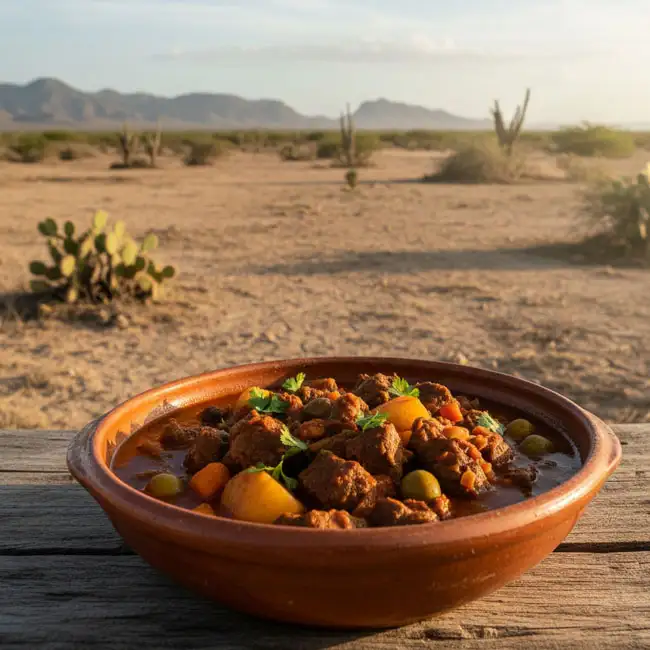
🥩 Recipe 1: Carne de Res Guisada (Classic Dominican Stewed Beef) – The heart of La Bandera
This dish is the centerpiece of La Bandera—the national plate. Carne Guisada is all about taking humble cuts of beef and stewing them in a rich, dark, flavor-packed sauce until they are fall-apart tender. This is a foundational recipe for any Dominican kitchen.
🌟 About this Recipe
Carne de Res Guisada is the quintessential Dominican comfort food. It relies heavily on a good, strong initial marinade and a two-stage cooking process that first sears the meat with a bit of sugar (creating a gorgeous caramelized color) and then slow-simmers it in a fragrant sazón-based broth. The final sauce is thick, savory, and perfect for drizzling over rice.
🔪 Ingredients & Measurements
To make this tender, flavorful stewed beef, gather the following:
• Beef: About 2 pounds of beef stew meat (chuck or round, cut into 1-inch cubes).
• Aromatics (The Sazón): Use roughly 1/4 cup of blended or mashed garlic, cilantro, cubanelle peppers, and onion (the green pepper is key!).
• Acidity: 2 tablespoons of sour orange juice (naranja agria) or lime juice, and 1 tablespoon of white vinegar for the marinade.
• Spices: 1 teaspoon of dried oregano, 1 teaspoon of salt, and 1/2 teaspoon of black pepper.
• Color Base: 1 tablespoon of olive oil or vegetable oil, and 1 teaspoon of granulated white sugar for the color caramelization.
• The Sauce: 3 tablespoons of tomato paste (for depth) and about 3 cups of water or beef broth.
• Flavor Boosters: Optional additions include 1/2 cup of sliced bell peppers (red or green) and 1/4 cup of pimento-stuffed olives.
📝 Step-by-Step Instructions
1.Marinate the Beef (The Sazón Stage): In a large bowl, combine the beef cubes with the sazón blend, sour orange/lime juice, vinegar, oregano, salt, and pepper. Rub the marinade thoroughly into the meat, ensuring every piece is coated. Let this marinate in the refrigerator for at least 2 hours, or ideally, overnight.
2.Caramelize the Color (The Guisada Technique): In a large, heavy-bottomed pot or Dutch oven, heat the oil over medium-high heat. Add the teaspoon of sugar and let it melt until it turns a deep amber color (not burnt!). Carefully add the marinated beef (reserve any liquid) and brown it on all sides for about 5 to 7 minutes. This step is essential for the rich color and deep flavor.
3.Build the Sauce: Push the meat to one side, then stir in the tomato paste and cook it for about 1 minute until it darkens slightly. Add the remaining marinade liquid, the 3 cups of water/broth, and the olives/bell peppers if using.
4.Simmer and Tenderize: Bring the liquid to a boil, then immediately reduce the heat to low. Cover the pot tightly and let it simmer for 1.5 to 2 hours, or until the beef is fork-tender. Check and stir occasionally, adding a little water if the sauce becomes too thick.
5.Finish: Uncover the pot for the last 15 minutes of cooking to allow the sauce to reduce and thicken into a beautiful, glossy gravy. Adjust salt if needed. Serve hot over fluffy white rice.
✨ Tips & Mistakes to Avoid
• Tip: Don't Skip the Sugar: That teaspoon of sugar is vital. It creates the guisado's signature deep brown, caramelized base. Just watch it carefully so it doesn't burn!
• Mistake: Not Marinating Long Enough: The acidic marinade is what begins to tenderize the beef and allows the sazón to penetrate. A minimum of 2 hours is necessary for good flavor.
• Tip: Achieving the Perfect Sauce: If your sauce is too thin at the end, make a slurry of 1 tablespoon cornstarch mixed with 2 tablespoons cold water. Stir it into the simmering sauce and cook for 2 minutes to thicken it quickly.
❓ FAQ
Q: Can I use different cuts of meat for Carne Guisada?
A: Absolutely! While chuck or round is standard, you can also use pork shoulder (cerdo guisado) or stewed chicken (pollo guisado) using this exact same method, though the chicken will require a much shorter cooking time (around 30-45 minutes).
✅ Summary
Carne de Res Guisada is a masterclass in slow cooking and flavor building. It's the ultimate Dominican comfort food, transforming tough cuts into culinary gold. Serve it with rice, beans, and avocado for a perfect La Bandera meal!
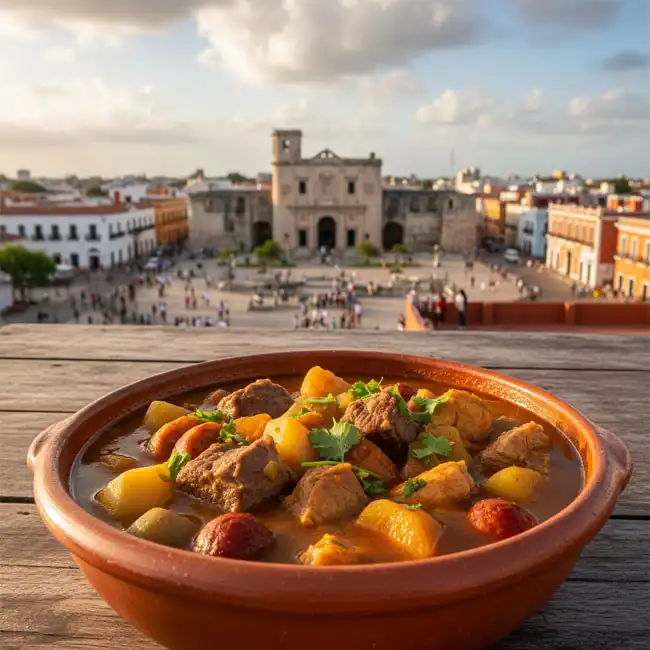
🥘 Recipe 2: Sancocho (The King of Stews) – The Magnificent Seven-Tuber Stew
Sancocho is not just a dish; it’s a celebration. While recipes vary greatly, the true Dominican Sancocho is a multi-meat, multi-tuber masterpiece, traditionally reserved for special occasions and Sunday family meals.
🌟 About this Recipe
This stew is rich, thick, and deeply complex. The secret to its incredible texture is the breakdown of the various tubers (or víveres) like yautía and squash, which naturally thicken the broth into a velvety consistency without needing flour or cornstarch. It requires prep work, but the result is a truly soul-nourishing experience.
🔪 Ingredients & Measurements
• Meats (Choose 3-5 Types): Roughly 1 pound of cubed beef, 1 pound of cut-up bone-in chicken pieces, and 1/2 pound of smoked pork bones or sausage.
• Tubers (Víveres): About 1 cup each of chopped yuca (cassava), yautía (taro), ñame (yam), squash (auyama), and a chopped green plantain. The starches are non-negotiable!
• Aromatics (The Base): Use 1/2 cup of your homemade sazón blend (or minced garlic, onions, cilantro, peppers), plus 1 tablespoon of oregano.
• Liquid & Acidity: Around 10 to 12 cups of water, and the juice of 1 sour orange or 2 large limes.
• Flavor Boosters: 1 whole ear of corn, cut into pieces, and 1/4 cup of fresh cilantro leaves.
• Seasoning: 2 teaspoons of salt, and 1/2 teaspoon of pepper.
📝 Step-by-Step Instructions
1.Prepare the Meats: Season all the meat pieces with half of the sazón, oregano, salt, and pepper. In your largest pot, brown the meats (starting with the beef and pork first) in a little oil until sealed.
2.Build the Broth: Add the remaining sazón, the 10-12 cups of water, and the whole cilantro bunch. Bring this mixture to a rolling boil.
3.Add the Harder Tubers: Once boiling, add the yuca, yautía, ñame, and corn. These take the longest to cook. Continue to boil, stirring occasionally.
4.Incorporate the Softeners: After about 30 minutes, or when the harder tubers are starting to soften, add the squash (auyama). The squash is crucial because it dissolves and naturally thickens the broth.
5.Prepare the Plantain (The Thickener): Take the green plantain and grate about half of it directly into the stew. This helps thicken the sancocho incredibly well. Chop the other half and add it whole to the pot.
6.Simmer and Finish: Reduce the heat to medium-low and simmer for another 45 minutes to 1 hour, stirring occasionally to prevent sticking. The tubers should be falling apart, and the broth should be thick and velvety.
7.Final Seasoning: Stir in the sour orange or lime juice right before serving. Taste and adjust the salt. Serve immediately with white rice and sliced avocado on the side.
✨ Tips & Mistakes to Avoid
• Tip: The Frozen Tuber Shortcut: Preparing víveres (tubers) can be labor-intensive. Many supermarkets sell frozen, peeled, and cubed yuca and yautía, which can save a lot of time!
• Mistake: Skimping on the Starches: The blend of starches is what makes Sancocho authentic. If you only use potatoes, you won't get the desired thick, rich texture that comes from the natural gumminess of yautía and yuca.
• Tip: The Sour Orange Finish: The final splash of sour orange or lime juice is essential. It cuts through the richness of the meat and tubers, adding a necessary bright finish that lifts the entire dish.
❓ FAQ
Q: Is Sancocho traditionally spicy?
A: No, traditional Dominican Sancocho is not spicy. It is highly seasoned and savory thanks to the sazón and oregano, but it does not use chili peppers for heat. If you want heat, add a whole scotch bonnet pepper during the simmer, but remove it before it bursts open!
✅ Summary
Sancocho is a true labor of love, a communal masterpiece that defines the soul of Dominican cuisine. The payoff—a rich, complex, and deeply satisfying stew—is absolutely worth the effort.
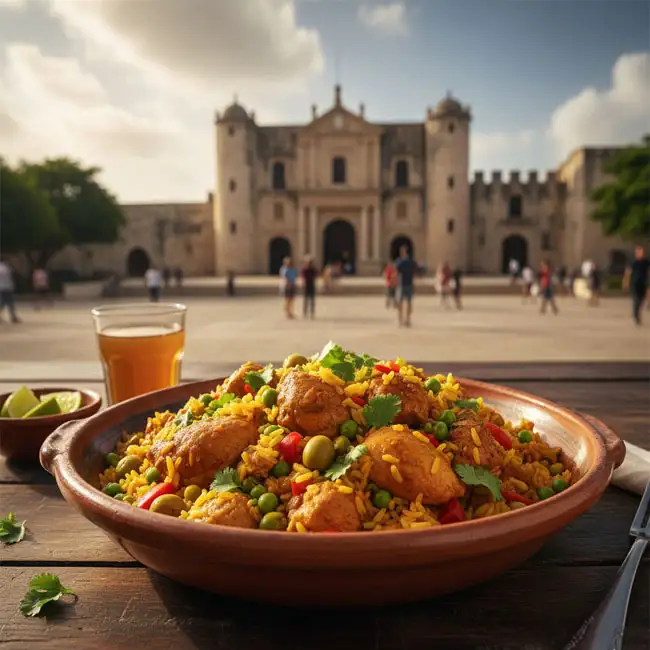
🍚 Recipe 3: Arroz con Pollo (The One-Pot Classic) – One-Pot Flavor Bomb
Arroz con Pollo (Rice with Chicken) is the ultimate one-pot wonder found across Latin America, but the Dominican version is uniquely flavorful, characterized by perfectly cooked, seasoned rice that is infused with the chicken’s juices. It's an easy weeknight hero.
🌟 About this Recipe
The Dominican Arroz con Pollo is known for its beautiful color (achieved through tomato paste and achiote/annatto oil) and its use of key flavor boosters like olives and capers. The chicken and rice cook together, ensuring the rice absorbs all the savory liquid, resulting in a moist, perfectly seasoned grain.
🔪 Ingredients & Measurements
• Chicken: 2 pounds of bone-in, skin-on chicken parts (thighs and drumsticks work best).
• Rice: 2 cups of long-grain white rice, rinsed until the water runs clear.
• Aromatics (The Sofrito): 1/2 cup of blended sazón (garlic, onion, bell pepper, cilantro), 1 teaspoon dried oregano, 1 teaspoon salt.
• Liquid Base: 3 cups of chicken broth or water, and 3 tablespoons of tomato paste.
• Fat & Color: 2 tablespoons of vegetable oil (or aceite de achiote for color, if available).
• Flavor Boosters: 1/4 cup of pimento-stuffed green olives, and 1 tablespoon of capers. 1/2 cup of diced carrots and green peas (optional).
• Acidity: 1 tablespoon of lime juice.
📝 Step-by-Step Instructions
1.Marinate the Chicken: Season the chicken pieces with the sazón, oregano, and salt. Marinate for at least 30 minutes.
2.Sear the Chicken: In a wide, heavy-bottomed pot (or a caldero, the traditional pot), heat the oil over medium-high heat. Sear the chicken pieces until they are nicely browned on all sides. Remove the chicken and set it aside, leaving the oil and browned bits in the pot.
3.Cook the Sofrito: Reduce the heat to medium. Add the tomato paste to the remaining oil and cook, stirring constantly, for 1 minute until it darkens slightly. Add the reserved sazón (if any) and cook for another minute until fragrant.
4.Add Liquid and Rice: Return the chicken to the pot. Add the chicken broth, olives, capers, carrots/peas (if using), and lime juice. Bring the liquid to a boil.
5.The Simmer: Add the rinsed rice to the boiling liquid, spreading it evenly. Give it one good stir to distribute everything. Let the liquid boil rapidly until the water level drops below the rice line (about 5-7 minutes). You will see holes forming in the rice.
6.Cover and Steam: Once the liquid is nearly absorbed, reduce the heat to the lowest setting possible. Cover the pot tightly with a lid and steam the rice for 20 to 25 minutes. Do not lift the lid during this time!
7.Fluff and Serve: Turn off the heat. Fluff the rice gently with a fork, ensuring the chicken is nestled throughout. Serve hot, traditionally with a side salad and sliced avocado.
✨ Tips & Mistakes to Avoid
• Tip: Rinse Your Rice: Rinsing the rice is crucial to remove excess starch, which prevents the final dish from becoming too sticky or mushy.
• Mistake: Stirring Too Much: After adding the rice and bringing it to a boil, do not stir it while it's steaming. Stirring activates starch and ruins the fluffy texture. Stir only once right before covering.
• Tip: Using a Caldero: If you have one, use a caldero (a heavy, cast aluminum pot). Its shape and heat distribution are perfect for creating the highly prized concón (the crispy rice crust at the bottom).
❓ FAQ
Q: Can I use boneless chicken for Arroz con Pollo?
A: Yes, you can use boneless, skinless chicken thighs, but you will need to reduce the cooking time slightly. The bone-in chicken is preferred because the bone and skin add significantly more flavor to the cooking liquid, which the rice absorbs.
✅ Summary
Arroz con Pollo is the ultimate celebration of Dominican sazón in a single pot. It’s comforting, easy to customize, and guaranteed to become a family favorite.
🥳 Final Thoughts: Your Dominican Culinary Journey
See? Bringing the vibrant, comforting flavors of the Dominican Republic right to your dining table isn't difficult at all!
We’ve covered the three heavy hitters: the daily delight of Carne Guisada, the celebratory complexity of Sancocho, and the reliable one-pot perfection of Arroz con Pollo. Each of these dishes is a beautiful, flavorful representation of the island's culinary history and heart.
The key to success in all three lies in that initial dedication to seasoning—whether through a robust sazón or an overnight marinade. Embrace the slow simmer, respect the starch, and don't be afraid to taste and adjust!
Now it's your turn! I encourage you to choose one recipe to start with, grab your ingredients, and fill your kitchen with the glorious aroma of the Caribbean. Once you master one, the others will fall right into place. Happy cooking, and may your meals be filled with warmth and mucho sabor!
| 🇩🇴 🍝 < Back |