
🏠 Home > 🗺️ Recipes > 🍝 Main Dishes > 🇩🇴 Dominican Republic Main Dishes
🇩🇴 🍝 Dominican Republic Main Dishes Recipes
Published by Supakorn | Updated: February 2026
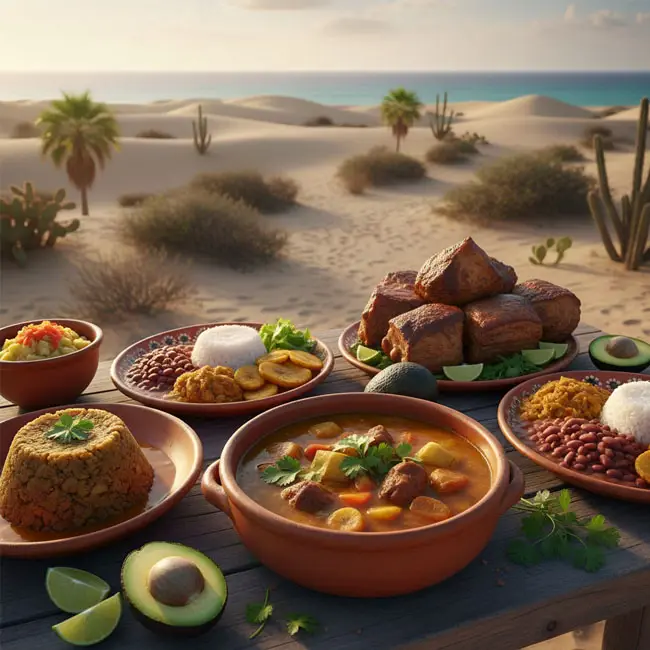
Hey there, fellow food lover! Are you ready to take a truly mouth-watering trip to the Caribbean? Forget your standard vacation—we’re packing our bags for a culinary adventure to the Dominican Republic (DR), an island paradise where the sun is as warm as the people, and the food is an absolute symphony of flavor.
If you’ve ever had a chance to visit, you know that Dominican food is more than just sustenance; it’s an expression of history, community, and pure sazón (seasoning). It’s the kind of food that hugs you from the inside out and leaves you feeling completely satisfied. This isn’t a deep dive into complex recipes—not yet, anyway! This is your friendly introduction to the culture, the staples, and the must-try main dishes that define eating on this beautiful island.
Trust us, once you get a taste of this long-form guide, you’ll be ready to book a flight or at least start planning your next kitchen project!
🌶️ A Cultural Stew: The History and Heritage of Dominican Cuisine
To truly appreciate a Dominican main dish, you have to understand where its flavors come from. Dominican cuisine is a magnificent cultural stew, born from centuries of mixing traditions. It’s a beautiful blend of Taino indigenous ingredients, Spanish colonial cooking techniques, and powerful African flavor profiles, with a dash of influence from other Caribbean and even Middle Eastern immigrants.
Imagine an ancient crossroads where cassava, plantains, and tropical tubers (Taino staples) met rice, beef, and olives (Spanish contributions), all skillfully brought together using slow-cooking methods and robust seasonings (African heritage). That’s the foundation of Dominican food! This historical melting pot is why dishes are so incredibly rich, comforting, and layered with flavor.
☀️ The Essence of Sazón and the Flavor Pillars
In the DR, everything starts with the sofrito or sazón. This aromatic blend—usually featuring onions, peppers, garlic, cilantro, oregano, and sometimes sour orange or vinegar—is the lifeblood of almost every savory dish. It’s the secret weapon that separates a good meal from an unforgettable one.
The cuisine heavily relies on four main pillars:
1.Rice: The bedrock of countless meals, served in huge, generous portions.
2.Beans: Kidney, black, or pigeon peas, often slow-cooked and used to add depth and protein.
3.Plantains: Used green (for savory tostones) or ripe (for sweet maduros), they are the ultimate Dominican sidekick.
4.Tubers & Starches: Yams, yautia (taro), and cassava, providing complex carbohydrates and texture.
🥘 The Star Plates: Iconic Dominican Main Dishes
While every Dominican family has its own unique take on tradition, certain main dishes hold an undisputed, almost sacred place on the national menu. These are the foundation of the Dominican kitchen and the pride of its people.
🇩🇴 La Bandera Dominicana: The Flag of the Table
If there is one dish that perfectly encapsulates Dominican eating, it is La Bandera Dominicana (The Dominican Flag). This is not a single recipe but a classic, daily combination that forms the core of most midday meals. It’s simple, balanced, and utterly satisfying.
The essential trio is:
• White Rice (Arroz Blanco): Fluffy, perfectly cooked, and often slightly crispy on the bottom—that's the coveted concón!
• Stewed Beans (Habichuelas Guisadas): Usually red kidney beans or pigeon peas, slow-simmered in a rich, savory, and slightly sweet tomato-based broth with sazón and vegetables like squash.
• Stewed Meat (Carne Guisada): This can be chicken (pollo), beef (res), or pork, cut into cubes or pieces and braised until fall-apart tender in a dark, luscious gravy.
When these three elements are served together, they represent the colors of the flag: the white rice, the red beans, and the meat providing the blue/dark contrast (sometimes also represented by the green of a small salad on the side). This is the definition of a Dominican lunch.
🍲 Sancocho: The Weekend Feast
Often reserved for special occasions, holidays, or a satisfying Sunday dinner, Sancocho is the undisputed king of Dominican stews. This is a hearty, majestic, and unbelievably complex dish. It’s a labor of love, a communal gathering, and a testament to the island's agricultural bounty.
A true Sancocho is a multi-meat, multi-tuber masterpiece. It typically includes up to seven types of meat (beef, pork, goat, chicken, etc.) and a colorful array of starchy vegetables like yautía, yucca, yams, and plantains, all cooked down in a rich, velvety broth seasoned with cilantro, oregano, and sour orange. It’s served with a side of white rice and often topped with a spoonful of avocado. It's a celebratory meal that feeds the soul and the entire extended family.
🍚 Arroz con Pollo: The Ultimate Comfort Plate
While the name translates simply to "rice with chicken," Arroz con Pollo in the Dominican Republic is anything but simple. This is a magnificent one-pot wonder where rice and chicken are cooked together in the same broth, allowing the grains to absorb every drop of the intense, flavorful liquid.
The chicken is usually marinated first in a vibrant sazón, then sautéed, and finally combined with rice, olives, capers, peppers, and tomato paste. The result is a savory, yellow-hued, perfectly seasoned rice dish where the rice is moist, tender, and infused with the chicken’s essence. It’s a go-to for family dinners, parties, and anytime you need a seriously comforting meal.
🍽️ The Eating Habits: How, When, and Where Dominicans Eat
Understanding the culture of eating is just as important as knowing the dishes. In the Dominican Republic, food is inherently tied to community, tradition, and the pace of island life.
⏰ The Rhythm of the Day: Meals and Timing
The Dominican eating schedule centers around the lunch hour (El Almuerzo), which is the largest and most important meal of the day.
• Breakfast (El Desayuno): Usually a light but filling affair. A common and very famous breakfast staple is Mangu (mashed, boiled green plantains) often served with savory red onions, fried cheese, and a fried egg (the full combo is called Los Tres Golpes, or "The Three Hits").
• Lunch (El Almuerzo): This is the moment for La Bandera. It is a hearty, necessary, and often lengthy break from work. Many people still go home to eat with their families during this time, emphasizing its social importance.
• Dinner (La Cena): Dinner is usually much lighter than lunch, consisting of leftovers, a simple soup, or perhaps something quick like fried cheese and a small side. A heavy meal late in the day is less common.
🏡 Eating as a Communal Event
Dominican dining is rarely a solitary experience. Food is meant to be shared, and hospitality is a core value. If you are invited to a Dominican home, expect to be fed—and expect a generous serving! Meals are often loud, lively, and filled with conversation. The act of cooking and sharing a large pot of stew or a big platter of rice connects people. This sense of shared abundance is why Dominican food feels so warm and welcoming.
🍠 More Must-Try Starches and Sides That Make the Plate
While the main dishes get the spotlight, they rely heavily on crucial starchy components to complete the meal. These sides are essential to understanding the texture and balance of Dominican plates.
🍌 Tostones: The Golden Standard
No discussion of Dominican food is complete without Tostones. These are twice-fried green plantain slices that are smashed flat after the first fry, creating a crispy, savory, and slightly dense coin that is irresistible. They are the perfect salty, starchy accompaniment to any meat dish or stew, acting almost like an edible, savory chip.
🥔 Mofongo: A Flavor Powerhouse
While perhaps more famous in Puerto Rico, Mofongo holds a revered spot in Dominican kitchens as well. This dish is made by mashing fried green plantains with garlic and pork cracklings (chicharrón) in a wooden mortar (pilón), then shaping the mixture into a dense ball or mound. It is often served alongside a savory broth or a protein like stewed beef or shrimp. It’s an intensely flavorful, heavy, and satisfying dish.
🥔 Cassava and Tubers
The indigenous cassava (yuca) is still widely used, often boiled and served with a vinegar and onion mojo sauce. Other tubers like yautía and ñame (yams) are boiled and served simply, providing a bland, earthy counterpoint to the rich, seasoned meats and stews. They are a powerful link back to the island's Taino roots.
🌿 The Unseen Heroes: Fruits and Vegetables
While the main dishes focus heavily on meat, rice, and starches, the Dominican diet is rich in fresh, tropical produce. These aren't usually the main focus of the plate, but they contribute significantly to the overall freshness and balance.
• Avocado (Aguacate): Sliced avocado is the non-negotiable garnish for Sancocho and often served with La Bandera. Its creamy texture and mild flavor cut through the richness of the stews.
• Tropical Fruits: Mangoes, pineapples, passion fruit (chinola), papayas, and guavas are consumed in abundance, often as fresh juices (jugos) or simple desserts, providing daily vitamin and flavor boosts.
• Small Salads: A simple, refreshing salad of shredded cabbage, tomatoes, and a light lime vinaigrette often accompanies the heavy midday meal to provide freshness and crunch.
🌟 Wrapping Up Our Flavor Trip
The Dominican Republic offers a cuisine that is warm, historical, and deeply comforting. It’s a true reflection of the island's resilient spirit and its rich heritage, blending indigenous ingredients with African and Spanish techniques. From the daily ritual of La Bandera to the celebratory complexity of Sancocho, every main dish tells a story of community, flavor, and sazón.
So, the next time you’re thinking about your dinner menu, we hope you’ll consider cooking up a piece of the Dominican Republic. It’s a satisfying, flavorful way to travel without leaving your kitchen!
❓ FAQ: Your Dominican Food Questions Answered
Q1.What is the most popular food in the Dominican Republic?
The most popular and foundational meal is La Bandera Dominicana, which is eaten by most people daily for lunch. It consists of white rice, stewed beans (habichuelas guisadas), and stewed meat (carne guisada), often served with a small side of salad or tostones. It represents the core of Dominican eating habits.
Q2.What is sazón in Dominican cooking?
Sazón literally means "seasoning" in Spanish, but in the Dominican Republic, it refers to the highly aromatic and flavorful base used for almost all savory dishes. It’s essentially a sofrito or seasoning paste made from blending fresh ingredients like bell peppers, onions, garlic, cilantro, cubanelle peppers, and herbs like oregano, which gives the food its distinctive, deep flavor.
Q3.Is Dominican food spicy?
Generally, traditional Dominican food is not spicy (hot). It is highly seasoned and flavorful, but the flavor comes from herbs, spices, and aromatics like oregano, garlic, cilantro, and sour orange, rather than chili heat. While some preparations might use a mild pepper for flavor, extreme spice is not a common characteristic of the main dishes.
🍝 Bringing Authentic Sazón Home: Daily Dominican Main Dishes
👉 Cook 3 Everyday Dominican Republic Dishes
| 🌐 🍝 < Back | 🇩🇴 🥪 < Previous | Next > 🍨 🇩🇴 |