
🏠 Home > 🗺️ Recipes > 🏛️🌾 Primitive Grains & Flatbreads > 🏯 Five Emperors Era: Primitive Grains & Flatbreads Recipes > 🏛️🌾 1.Sacred Primitive Grain Bowl of the Emperor’s Hearth
🏛️🌾 Unearthing the Lost Feast: Cooking Primitive Grains of the Five Emperors
Published by Supakorn | Updated: September 2026
🐲🌾 Ancient Civilization Origins: Yellow River Basin, Ancient China
📜 The Storyteller’s Intro: 5,000 Years of Ancestral Flavors
Hey there, my fellow food explorers! Grab a seat by the hearth, because today we are taking a deep, fascinating dive into a time so distant it almost feels like magic. We’re traveling back roughly five thousand years to the dawn of Chinese civilization—the legendary Age of the Five Emperors (Three Sovereigns and Five Emperors era). Long before high-tech modern kitchens, polished white rice, or instant noodles existed, ancient communities along the fertile, muddy banks of the Yellow River were tilling the earth with wooden plows, harvesting sacred primitive grains, and gathering around clay hearths to share nutritious, slow-cooked porridge and grain bowls.
Imagine standing in a misty, ancient village during the reign of Shennong, the Divine Farmer, who according to legend taught humanity how to farm and identified edible wild herbs. The air smells of rich loam, burning oak wood, and the deep, nutty, earthy aroma of wild millets and ancestral grains simmering over open clay pots. These were not just meals; they were life-sustaining gifts from the earth that fueled the rise of one of humanity's greatest civilizations. If you’ve ever wondered what history actually tasted like before processed ingredients took over, you’re in for an incredible treat today!
🌍 The Global Value of Antique Heritage
When we look at our modern dinner plates, it’s super easy to take our food for granted. Supermarket shelves are packed with refined grains, synthetic additives, and quick-fix meals. But when you look back at antique heritage foods, especially the ancient staple crops of early East Asia, you discover a treasure trove of nutritional wisdom and cultural resilience.
Primitive grains like foxtail millet, broomcorn millet, broom sorghum, and wild heritage barley were the literal backbone of early human survival in China. These ancient crops weathered brutal droughts, harsh winters, and shifting climates long before chemical fertilizers existed. Today, food scientists and culinary historians around the globe are looking back at these ancient grains with fresh eyes. Why? Because they are naturally packed with fiber, essential minerals, slow-burning complex carbs, and subtle nutty flavors that modern high-yield grains have lost over centuries of industrial farming. Rediscovering these primitive grains isn't just a quirky culinary trend; it's a way to re-align our bodies with wholesome, unprocessed food while honoring the deep agricultural heritage of human history.
🏺 The Culinary Resurrection
For centuries, many of these rustic grain preparations were locked away in ancient agrarian folklore, ancient agricultural treatises like the Qimin Yaoshu, and archaeological excavations of neolithic pottery. But today, we are resurrecting this ancient secret right in our modern kitchens!
We aren't just cooking food here; we are recreating a sacred, cozy ancestral ritual. We’ve carefully reconstructed a comforting, fragrant primitive grain bowl inspired by archaeological findings in the Yellow River valley. It balances the nutty hearth-roasted flavors of ancient foxtail millet and barley with natural earthy elements like mushrooms, wild nuts, and subtle sweet root crops. Best of all, we’ve adapted this prehistoric comfort food so you can easily pull it off using simple ingredients available at your local market or specialty Asian grocery store. Let’s bring this ancient feast back to life!
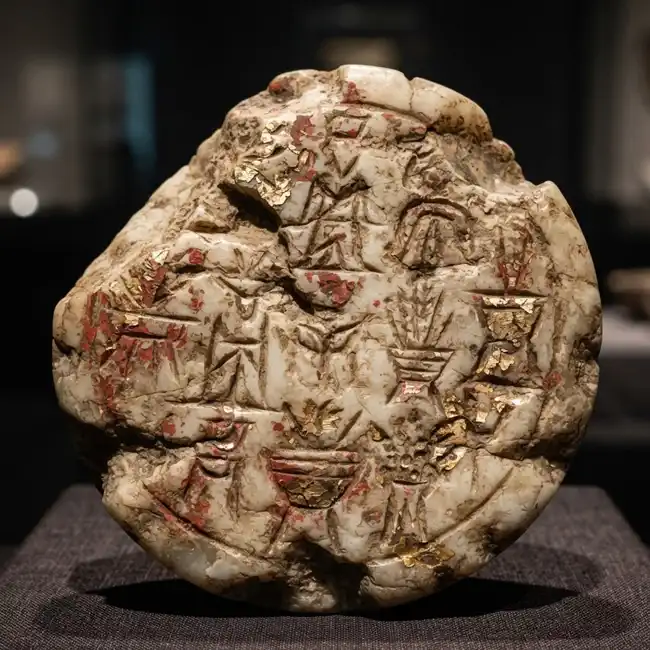
🍲 Recipe: Sacred Primitive Grain Bowl of the Emperor’s Hearth
📜 Legends Behind This Excavated Secret
Archaeological digs around neolithic sites like Peiligang and Cishan in northern China have uncovered massive underground storage pits filled with preserved carbonized grains of foxtail millet dating back over 7,000 years! Legend says that Emperor Shennong tested hundreds of wild seeds personally, selecting the legendary "Five Grains" (Wugudou) to feed his people and cure widespread famine.
This recipe is inspired by those ancient hearth fires. It recreates the hearty, sustaining grain mash enjoyed by early agricultural ancestors, village elders, and tribal leaders during sacred harvest festivals. It was believed that eating these roasted primitive grains restored your vital energy, grounded your spirit, and gave you the endurance to till the land under the summer sun.
🍳 Ingredients & The Noble Pantry
🌾 The Ancestral Staples
In the ancient Yellow River settlements, the pantry was simple, pure, and deeply tied to nature. The core of every meal consisted of unrefined primitive grains, gathered forest mushrooms, root vegetables, native seeds, and natural minerals from wild rock salt. There were no processed sauces, refined sugars, or modern additives. The beauty of this dish lies in letting the deep, natural roasted flavors of the grains shine through with minimal, thoughtful seasoning.
🔄 Modern Substitutes
Don't worry if you can't forage in an ancient forest! You can easily source these ingredients today:
◦ Foxtail Millet / Yellow Millet: Easily found in most Asian markets, health food stores, or online. If unavailable, whole grain yellow millet or quinoa works as a great substitute.
◦ Pearl Barley or Hull-less Heritage Barley: Readily available in standard grocery stores. Adds that fantastic chewy, hearty texture.
◦ Wild Shiitake or Wood Ear Mushrooms: Fresh or dried shiitake mushrooms bring that deep, earthy "forest floor" umami flavor that mimics wild ancient fungi.
◦ Chestnuts or Toasted Walnuts: Primitive forests were rich in wild nut trees. Pre-cooked peeled chestnuts or raw walnut halves work beautifully.
◦ Lotus Root or Sweet Yam: Adds a satisfying crunch and subtle natural sweetness reminiscent of ancient dug tubers.
◦ Toasted Sesame Oil & Natural Sea Salt: Replaces ancient seed oils and raw salt rocks for clean, authentic seasoning.
⚖️ Ancient Proportions
◦ Unrefined Foxtail Millet: 1 cup (rinsed thoroughly)
◦ Whole Grain Barley: 1/2 cup (soaked in water for 2 hours)
◦ Filtered Spring Water or Light Vegetable Broth: 3 and 1/2 cups
◦ Dried Shiitake Mushrooms: 6 pieces (soaked in 1 cup warm water, soaking liquid reserved)
◦ Fresh Yam or Sweet Potato: 1 cup (peeled and diced into small bite-sized cubes)
◦ Pre-cooked Chestnuts or Raw Walnuts: 1/2 cup (coarsely chopped)
◦ Fresh Ginger Root: 1 thin slice (minced finely)
◦ Toasted Sesame Oil: 1 tablespoon
◦ Coarse Natural Sea Salt: 1 teaspoon (adjust to taste)
◦ Chopped Green Scallions or Wild Chives: 2 tablespoons (for garnishing)
📜 The Chef’s Ancient Ritual
1.The Awakening of the Grains (Soaking & Washing): Start by giving your barley a good soak in cold water for at least 2 hours before cooking (this softens the hull and cuts down cooking time, just like early hearth cooks did). Rinse your foxtail millet under cool water in a fine-mesh strainer until the water runs crystal clear. Drain both grains completely.
2.The Sacred Hearth Dry Roast (Unlocking Aromas): Place a heavy-bottomed clay pot, Dutch oven, or heavy skillet over medium heat on your stove. Pour in the drained millet and soaked barley without adding any oil yet. Dry-roasting the grains for about 4 to 5 minutes, stirring constantly with a wooden spoon, until you hear gentle crackling sounds and your kitchen fills with a rich, nutty, freshly-baked-bread aroma. This essential ancient technique locks in flavor and prevents the millet from becoming mushy.
3.Infusing the Wild Forest Nectar: Pour in the 3 and 1/2 cups of spring water (or vegetable broth) along with the reserved mushroom soaking liquid (make sure to leave any grit at the bottom of the mushroom cup behind). Turn up the heat and bring the liquid to a rolling, lively boil.
4.Incorporating the Harvest Tubers & Fungi: Squeeze the excess water out of your rehydrated shiitake mushrooms and slice them thinly. Add the mushrooms, diced sweet yam, and minced ginger directly into the boiling grain pot. Stir well to make sure nothing sticks to the bottom.
5.The Slow Ember Simmer: Turn the heat down to the lowest setting, cover the pot tightly with a lid, and let it slow-cook peacefully for about 20 to 25 minutes. Resist the temptation to lift the lid! Letting the trapped steam cook the grains evenly is the key to achieving that perfect ancient texture.
6.The Chestnut & Oil Blessing: After 25 minutes, remove the lid. The grains should be plump, tender, and fragrant, having absorbed all that rich broth. Gently fold in your chopped pre-cooked chestnuts (or walnuts), coarse sea salt, and toasted sesame oil. Give it a gentle mix with your wooden spoon.
7.The Rest Ritual: Turn off the heat entirely, put the lid back on, and let the pot sit undisturbed for 5 minutes. This lets the steam settle and brings all those ancestral earthy flavors into complete harmony.
8.Presentation: Fluff the grains lightly with a wooden rice paddle or fork. Ladle into rustic earthenware or wooden bowls, garnish with fresh green scallions, and serve warm!
🔥 Secrets of the Ancestral Hearth
◦ Master the Pre-Roast Trick: Never skip dry-roasting your millet! Raw millet cooked directly in liquid can end up tasting bland and mushy. A few minutes of heat toast the outer husk, releasing complex hazelnut-like notes that elevate the whole dish.
◦ Mind Your Water Ratio: Primitive grains absorb moisture differently than modern polished white rice. Keep a little extra warm broth or water nearby. If the grains look too dry before they are tender, splash in a quarter cup of hot liquid and keep simmering.
◦ Control Your Cooking Vessel Heat: Ancient clay pots held heat remarkably well and radiated gentle, even warmth. If you are using a modern thin metal pot, use a heat diffuser or keep your burner on the lowest possible flame to prevent scorching the bottom.
◦ Preserve the Mushroom Liquid: The water used to soak dried shiitake mushrooms is liquid gold! It contains rich natural umami compounds that replace the need for artificial flavorings or heavy soy sauces, keeping the recipe deeply authentic to early history.
◦ Don't Over-Season: Ancient food was all about highlighting the natural taste of the harvest. Keep salt light and avoid heavy spices like chili or synthetic powders, which will completely overpower the delicate, nut-like profile of the primitive grains.
🏯🏺 Ancient Civilization Origins FAQ
Q1: What exactly were the "Five Grains" of ancient China?
A: While the list varied slightly across different historical texts, the classic "Five Grains" (Wu Gu) championed by Emperor Shennong and early Yellow River dynasties typically included foxtail millet, broomcorn millet, hemp seed, wheat/barley, and soybeans. Polished rice became dominant much later in southern China!
Q2: Are primitive grains healthier than modern grains?
A: Generally, yes! Primitive grains like millet and heritage barley are unrefined and retain their outer bran and germ layer. This means they are higher in natural dietary fiber, plant protein, magnesium, B vitamins, and antioxidants compared to highly processed modern grains, providing steady, long-lasting energy.
Q3: Can I make this dish ahead of time for meal prep?
A: Absolutely! In fact, the flavors often deepen overnight. You can store leftover grain bowls in an airtight glass container in the fridge for up to 4 days. Reheat gently on the stove with a splash of water or vegetable broth to restore its fluffy texture.
Q4: Is this recipe naturally gluten-free?
A: Foxtail millet is naturally 100% gluten-free! However, pearl barley does contain gluten. If you are sensitive to gluten, simply replace the barley with extra millet, wild rice, or grain sorghum to make it entirely gluten-free.
👅 The Taste of Archeology
Taking your first spoonful of this Primitive Grain Bowl is genuinely like taking a step back through time. The initial flavor is warm, comforting, and deeply comforting, dominated by the rich, nutty notes of roasted millet and the satisfying bite of chewy barley. As you chew, the subtle sweetness of the tender yams balances the deep, savory umami of the forest mushrooms. It doesn't taste heavy or oily like modern fast food; instead, it feels clean, grounding, and amazingly nourishing. You can literally feel why this simple, wholesome meal sustained generations of early ancestors through centuries of history!
🏛️ Final Thoughts: Bringing Antiquity to Your Modern Table
Cooking lost ancient recipes is far more than just preparing a meal—it’s a living connection to human history. In our fast-paced world filled with smartphone screens and pre-packaged meals, taking an hour to slow down, toast ancient grains, and listen to a pot bubbling gently on your hearth connects you directly to the millions of home cooks who came before us over the last 5,000 years.
You don't need a time machine to experience the wonders of ancient civilizations. All you need is a pot, a handful of primitive grains, and a curious spirit. So why not invite your friends or family over this weekend for a unique "Ancient History Dinner Night"? Serve this primitive grain bowl in rustic earthenware, put away the phones, tell the story of the Divine Farmer, and enjoy a meal that has truly stood the test of time!
👑 The Golden Hook (The Sacred Union)
Are you fascinated by the forgotten flavors of ancient history? We are on a ongoing mission to uncover, reconstruct, and safeguard humanity’s most sacred culinary secrets—from the lost hearths of early East Asia to the clay tablet recipes of ancient Mesopotamia and the Mediterranean.
Join our community of culinary historians and kitchen archaeologists today! Subscribe to our page, leave a comment below sharing your favorite ancient historical era, and share this recipe with your fellow history buffs and food lovers. Together, let's keep the hearth fires of ancient human culture burning bright in our modern world!
📜 Credit to the Keepers of the Culture (The Legacy)
This recipe is inspired by the ancient culinary archives and clay tablet inscriptions of China's Yellow River Valley Neolithic cultures and early dynastic agrarian records. We have carefully adapted the measurements and cooking techniques for modern kitchens while preserving its sacred ancestral soul.
| 🏯 🏛️🌾 < Back |