
🏠 Home > 🗺️ Recipes > 🍲 Soups > 🇬🇲 Gambia Soups
🇬🇲 🍲 Gambia Soups Recipes
Published by Supakorn | Updated: February 2026
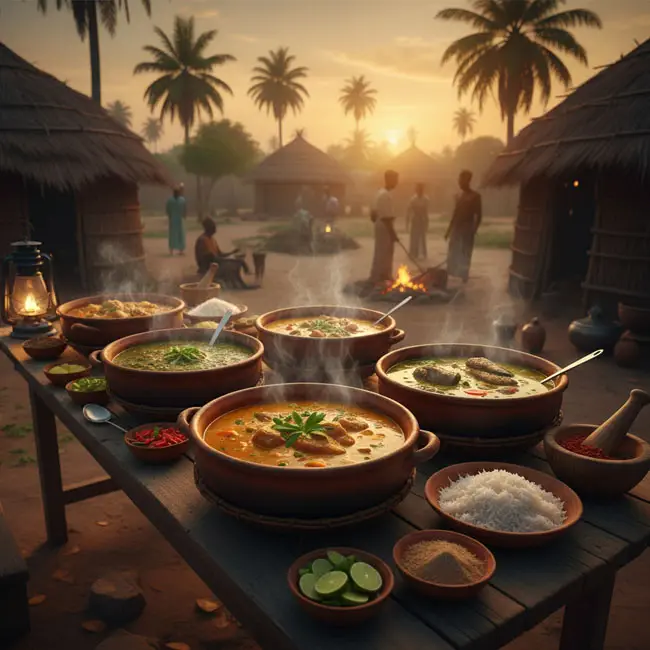
🌍 🥘 A Journey Through the Hearty & Flavorful Stews of West Africa: The Culinary Cornerstones
If you've ever imagined the smell of a Gambian kitchen, you're likely picturing the deep, savory aromas of slow-simmered stews and hearty "soups." In The Gambia, and across much of West Africa, the line between a "soup" and a "stew" is delightfully blurry. These dishes are not light, watery appetizers that you'd find in a Western multi-course meal; they are the absolute heart of the table—rich, thick, nutrient-dense, and served generously over a staple starch like rice, millet, or pounded yam.
Gambian cuisine is a vibrant tapestry of flavors, heavily influenced by its prime position on the Atlantic coast, its deep-rooted history, and the bounty of its fertile, sun-drenched lands. The best way to understand the soul of the "Smiling Coast" is through its famous one-pot wonders. Whether you’re searching for the ultimate “West African peanut stew recipe” or wondering how to handle the famously slimy “okra soup from Gambia,” you've come to the right place, friend!
This is your friendly, long-form guide to mastering the national dishes and regional favorites of The Gambia. We’re going to dive deep into the unique ingredients, the cooking philosophies, and the cultural importance of three of The Gambia’s most iconic and sought-after pots of goodness: Domoda, Superkanja, and Ebbeh.
🥣 🤝 A Culture in a Pot: Why Soups and Stews Define Gambian Life
In The Gambia, food isn't just about calories; it’s about community. These hearty stews are designed for sharing, usually served in a large, communal bowl placed in the center of a gathering.
👨👩👧👦 The Ritual of Communal Dining
Picture this: a massive platter of fluffy white rice is topped with a rich, steaming ladle of Domoda or Superkanja. Family and friends sit around the bowl, often on a mat on the floor, and eat together using their right hand or spoons. This practice, known as "Bantaba" dining in some contexts, fosters a deep sense of equality and bond. The flavor profile of the soup is what brings everyone to the table, and the act of sharing it ensures that no one goes hungry.
⏳ The Art of Slow Cooking
Gambian soups are a lesson in patience. You won't find many "15-minute meals" here. These recipes require time for the oils to separate, the meats to soften until they fall off the bone, and the complex spices to marry into a singular, harmonious flavor. It's slow food at its finest—the kind of cooking that makes the whole neighborhood smell amazing.
🌶️ 🧅 The Five Essential Ingredients for Authentic West African Flavor
Before we dive into specific bowls of goodness, let's talk about the "DNA" of Gambian soups. If you have these five elements in your pantry, you're 80% of the way to an authentic West African feast.
🍅 1. Onions and Tomatoes: The Rich Base
Every great Gambian stew starts here. Onions are often used in massive quantities—caramelized down to provide a natural sweetness. Tomatoes, whether fresh or as a concentrated paste, provide the essential acidity and that deep, reddish-orange hue that makes the soups look so inviting.
🌶️ 2. The Mighty Scotch Bonnet (Fresh Chilli)
Heat is central to the Gambian palate, and the Scotch Bonnet is the undisputed champion. It’s not just about the "burn"; these peppers have a fruity, almost floral aroma that is irreplaceable. Pro tip: if you want the flavor without the fire, drop the pepper in whole and don't let it burst!
🧂 3. Bouillon Cubes (The Umami Bomb)
In a traditional Gambian kitchen, you will almost always find Maggi or Jumbo cubes. These are the non-negotiable shortcuts to that deeply savory, "smack-your-lips" umami taste. They tie the vegetable and meat flavors together perfectly.
🥜 4. Groundnuts (Peanuts)
The Gambia is one of the world's top producers of high-quality peanuts. We don't just eat them as snacks; we grind them into a rich paste that serves as a thickener and a protein-packed base for the national dish.
🌴 5. Red Palm Oil
Unlike clear vegetable oils, Red Palm Oil is thick, vibrant, and carries a very distinct earthy flavor. It is essential for dishes like Superkanja, providing both a silky mouthfeel and a gorgeous golden color.
👑 🥜 1. Domoda: The Reigning National Dish (The Peanut Stew)
If there is one dish that screams "The Gambia," it is Domoda. Its name comes from the Mandinka word meaning "peanut sauce," and it truly is the king of Gambian stews.
🥜 Why Domoda is the Ultimate Comfort Food
Domoda is the dish that Gambians living abroad miss the most. It’s creamy, savory, and has a subtle earthy sweetness that balances perfectly with the heat of the chillies. It’s thick enough to coat a spoon and luscious enough to make a simple bowl of rice feel like a royal feast.
🥕 Deconstructing the Layers of Flavor
• The Nutty Base: We use unsweetened, natural peanut paste. It’s thick, oily, and incredibly rich.
• The Tang: To prevent the peanut sauce from being too heavy, we add lemon juice or tamarind. That "zing" is what makes you want to keep eating spoonful after spoonful.
• The Garden Bounty: Domoda is a celebration of root vegetables. You’ll find chunks of Sweet Potato, Pumpkin, and Cassava floating in the sauce, having soaked up all that peanutty goodness.
🥬 Can I Make it Vegetarian?
Absolutely! While beef or lamb is traditional, a "Vegetable Domoda" is just as satisfying. The peanut base provides so much protein and fat that you won't even miss the meat. It's a fantastic option for those looking for a plant-based West African experience.
🌿 🥣 2. Superkanja (Soupa Kanja): The Slippery Sensation
Now, let's talk about a dish that is a bit of a "divider"—you either love it or you really love it once you try it. Superkanja is a hearty, oily okra stew that is a staple along the coast.
✨ The Magic of the "Slime" (Mucilage)
In Western cooking, people often try to get rid of okra's "sliminess." In The Gambia, we embrace it! The natural mucilage of the okra acts as a thickener, creating a viscous, silky texture that is meant to slide over the rice. It’s a unique sensory experience that defines the dish.
🐟 A Celebration of the Atlantic
Superkanja is often a seafood lover's dream. Because The Gambia has such a rich fishing culture, this stew is packed with:
• Smoked Fish: Like Bonga or Catfish, which adds a deep, campfire-like smokiness.
• Palm Oil: This gives the stew its signature orange-red glow and a rich, heavy texture.
• Fermented Locust Beans (Netetu): This adds a "funky," cheesy, and incredibly savory depth that is the secret weapon of West African chefs.
🍚 How to Eat Superkanja Like a Pro
Because of its unique texture, Superkanja is best enjoyed with plain white rice. The "slime" allows the sauce to sit on top of the grains rather than being absorbed, ensuring you get the perfect ratio of sauce to rice in every bite.
🍋 🦀 3. Ebbeh: The Tamarind and Seafood Powerhouse
If Domoda is the "King" and Superkanja is the "Queen," then Ebbeh is the "Cool Cousin." It’s a tangy, spicy, and incredibly flavorful seafood and root vegetable soup that is famously sold as street food.
😋 The "Zing" Factor
What sets Ebbeh apart from other West African soups is its high acidity. It uses a combination of:
• Tamarind: Dissolved in water to provide a deep, fruity sourness.
• Lime Juice: Added right at the end to brighten the heavy seafood flavors.
🍠 The Creamy Texture without the Cream
Ebbeh doesn't use dairy. Instead, it gets its creamy, thick body from boiled and pounded Cassava. The starch from the cassava melts into the broth, creating a thick, chowder-like consistency that is incredibly filling.
🦀 A Festival of Shellfish
Ebbeh is usually loaded with whatever the ocean provided that day. You'll find chunks of crab (still in the shell!), tiny shrimp, and flaked smoked fish. It’s a messy, fun, and delicious dish that is best enjoyed on a breezy afternoon by the beach.
🏠 👩🍳 Bringing the "Smiling Coast" Into Your Kitchen
You don't need to travel to Banjul to enjoy these flavors! Recreating Gambian soups at home is a rewarding adventure. Here are a few tips to get that authentic "mama's kitchen" taste:
🛒 1. Sourcing Ingredients
• Peanut Butter: Skip the "Skippy" or "Jif." Look for 100% natural, unsweetened peanut butter where the only ingredients are peanuts and salt.
• Palm Oil: You can find this in most African or Caribbean grocery stores. It has a high smoke point and a very specific flavor that vegetable oil can't replicate.
• Okra: If you can't find fresh okra, frozen sliced okra works surprisingly well for Superkanja!
⏲️ 2. The "Oil Separation" Rule
How do you know when a Gambian stew is ready? Look at the top. When you see the oil starting to settle and separate from the sauce, it means the water has evaporated and the flavors are concentrated. That’s when you know it’s "done-done."
🍚 3. The Perfect Sidekick
While rice is the gold standard, don't be afraid to try these soups with:
• Fufu: A dough-like mash made from cassava or yams. You tear off a piece, make a small well with your thumb, and scoop up the stew.
• Findi (Fonio): An ancient West African grain that is like a tiny, nutty couscous. It’s gluten-free and incredibly healthy!
🌟 🇬🇲 Why Gambian Soups are Good for the Soul (and Body!)
One of the best things about Gambian cuisine is how naturally healthy it is.
• Nutrient-Dense: Between the millet, cassava, and sweet potatoes, you're getting a massive dose of complex carbohydrates and fiber.
• Vitamin Packed: Okra is great for digestion, and Baobab or Tamarind (often used in these soups) are "superfoods" packed with Vitamin C and antioxidants.
• Lean Protein: With a heavy focus on fish and plant-based proteins (peanuts), these stews are heart-healthy and incredibly satisfying without being "empty calories."
❓ 🙋♂️ FAQ: Your Quick Questions Answered
Q1: What is the Gambian national dish, and what is its main ingredient?
A: The Gambian national dish is Domoda. Its soul and main ingredient is unsweetened groundnut paste (peanut butter). It creates a rich, creamy, and nutty base that defines the dish.
Q2: I’m worried about the "slimy" texture of Superkanja. Can I reduce it?
A: In The Gambia, the "slime" is the point! However, if you're new to it, you can leave the okra in larger chunks rather than pounding them. This will make the stew less viscous while still giving you that authentic flavor.
Q3: Is Gambian food very spicy?
A: It can be! But the beauty of home cooking is that you control the heat. Most Gambian households put the whole Scotch Bonnet in the pot so the flavor infuses without the extreme heat. Just don't accidentally bite into the pepper!
Q4: Can I use chicken instead of beef in Domoda?
A: Yes, absolutely! Chicken Domoda is very common and actually cooks a bit faster than the beef version. It’s just as delicious.
🔜 🥣 What’s Next? Ready to Cook?
We hope this deep dive into the savory, soul-warming world of Gambian Soups has made you hungry! From the nutty embrace of Domoda to the coastal tang of Ebbeh, there is a pot of goodness waiting for everyone on the "Smiling Coast."
Stay tuned! Soon we’ll be dropping the full, detailed recipes for each of these masterpieces, complete with exact measurements so you can bring the taste of West Africa right to your dinner table.
🍲 Warming the Soul: Simple Gambian Soups and Stews for the Home Cook
👉 Experience 3 Authentic Gambia Soups
| 🌐 🍲 < Back | 🇬🇲 🍷 < Previous | Next > 🥗 🇬🇲 |