
🏠 Home > 🗺️ Recipes > 🍲 Soups > 🇬🇹 Guatemala Soups > 🍲 1.Caldo de Res (Hearty Beef and Vegetable Soup) , 2.Pepián (Smoky Red Chicken and Vegetable Stew) , 3.Sopa de Frijol (Traditional Black Bean Soup)
🍲 Heartwarming Guatemalan Caldos: Recipes for a Cozy Family Dinner Night
Published by Supakorn | Updated: February 2026
🍲 Welcome to the Comforting World of Caldos
Hey there, home cooks and comfort food connoisseurs! If you’ve ever wished for a meal that feels like a big, warm hug, look no further than the stunning culinary tradition of Guatemalan soups and stews, known locally as caldos and recados. In Guatemala, soup isn't just a starter; it is the ultimate expression of hospitality, nourishment, and family gathering. These dishes are rich in history, blending the ancient, hearty staples of the Mayan diet with the complex seasoning techniques passed down through generations.
Guatemalan caldos are the perfect centerpiece for a cozy family dinner night. They are designed to be full-meal experiences, packed with generous cuts of meat and large, colorful pieces of local vegetables, creating a balanced and deeply satisfying bowl. From simple, clear broths that heal the soul to complex, fragrant stews like Pepián that tell a story, these recipes are incredibly accessible and wonderfully rewarding to make in your own kitchen.
Ready to trade those tired weeknight meals for a bowl full of Central American sunshine and tradition? We've compiled three of the most essential and beloved Guatemalan soup recipes, ranging from simple staples to complex celebratory stews, all perfect for sharing with your loved ones.
We’ll be mastering these classics today:
🥇 • 1.Caldo de Res: The quintessential beef and vegetable soup—simple, clear, and restorative.
🥈 • 2.Pepián: The smoky, nutty, and complex red/brown stew—a national heritage dish.
🥉 • 3.Sopa de Frijol: The humble, hearty black bean soup—a foundational Mayan staple.
Let’s get simmering!
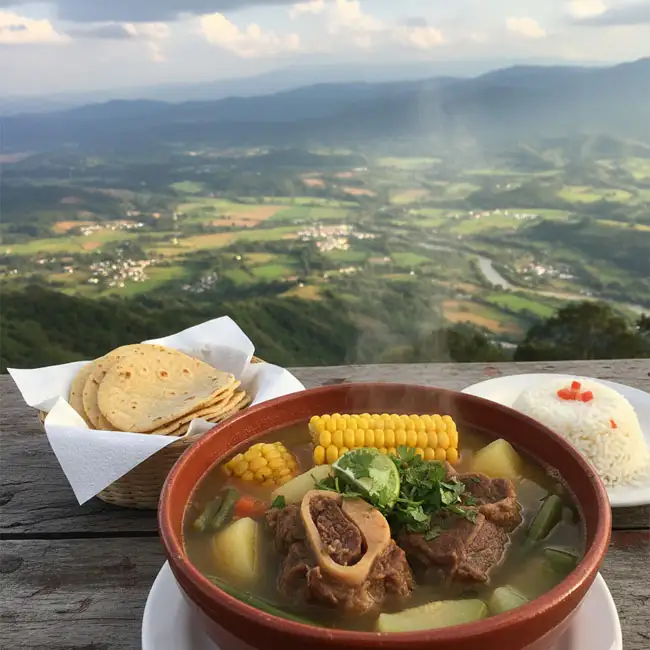
🥕 Recipe 1: Caldo de Res (Hearty Beef and Vegetable Soup)
🥩 About this Recipe
Caldo de Res (Beef Soup) is the ultimate expression of Guatemalan comfort food simplicity. It is the soup you’ll find simmering in homes and comederos (small diners) across the country every weekend. While the ingredient list might seem straightforward, the magic lies in the patience—slowly simmering the beef to create a clear, rich, flavorful broth that becomes the perfect liquid foundation for an abundance of hardy vegetables. This soup is a complete meal, known for its generosity, typically served with huge chunks of yuca, potatoes, corn on the cob, and cabbage, and always finished with a squeeze of fresh lime. It’s restorative, nourishing, and wonderfully simple to master.
🛒 Ingredients & Measurements
To create a large, family-sized pot of Caldo de Res (serves 6-8), you'll need the following:
• Two pounds of beef shank or bony beef cuts: Bony pieces add the most flavor and richness to the broth. Cut into large, thick pieces.
• One large white onion: Roughly chopped.
• Four garlic cloves: Lightly smashed.
• Two quarts (8 cups) of cold water: Used for the broth base.
• One teaspoon of salt and half a teaspoon of black pepper: For initial seasoning.
• Three large potatoes: Peeled and cut into large, golf-ball sized chunks.
• One pound of yuca (cassava): Peeled and cut into thick 2-inch pieces (if using frozen, thaw first).
• Three ears of corn: Cut into 2-inch wheels.
• One large carrot: Peeled and cut into large chunks.
• One chayote (güisquil): Peeled, halved, and seeded, then cut into large chunks.
• One small cabbage: Quartered.
• For Serving: Fresh cilantro (chopped) and several fresh limes (cut into wedges).
👩🍳 Step-by-Step Instructions
1.Prepare the Broth and Meat: Place the beef, onion, garlic, salt, and pepper in your largest pot. Cover everything with the cold water. Bring the water to a boil over high heat, then immediately reduce the heat to a very low simmer.
2.Skim and Simmer: As the broth simmers, use a large spoon to carefully skim off any foam or scum that rises to the surface. This step is essential for achieving a clear, clean-tasting broth. Cover the pot and allow the beef to simmer for at least 1.5 hours, or until the beef is nearly tender.
3.Add the Hardest Vegetables: Add the yuca and potatoes to the pot first. Bring the soup back to a gentle simmer and cook for 15 minutes.
4.Add Remaining Vegetables: Next, add the carrots, corn, and chayote. Continue to simmer the soup gently for another 10–15 minutes.
5.Finish with Soft Vegetables: Finally, add the cabbage quarters. Simmer for just 5–10 minutes more, or until all the vegetables are fork-tender but still holding their shape. Taste the broth and adjust the salt if necessary.
6.Serve: Ladle the soup into large bowls, ensuring each serving gets a piece of meat and a selection of every vegetable. Serve with a generous sprinkle of fresh cilantro and a mandatory wedge of lime on the side for squeezing.
💡 Tips & Mistakes to Avoid
• Skimming is Non-Negotiable: The first 30 minutes of simmering are critical for skimming the impurities. Do not skip this step if you want a clean, bright-tasting broth.
• Add Salt Late: Adding too much salt at the very beginning can slow down the cooking and tenderizing process for the beef. Add the bulk of your seasoning after the beef has simmered for at least an hour.
• Use Cold Water: Always start your broth with cold water. This helps to slowly draw the flavors out of the beef and bones, resulting in a more flavorful final product.
• Cut Vegetables Large: Don't dice the vegetables! They should be in large, hearty chunks—this is the traditional style and prevents them from overcooking during the long simmer.
❓ FAQ
Q: My broth tastes a little bland, even after adding salt. How can I boost the flavor without adding packaged bouillon?
A: The secret is the lime! The acidity of fresh lime is essential for brightening and activating the deep, subtle flavors of the slow-cooked beef and vegetables. Squeeze a generous amount of fresh lime juice into your bowl before serving. You can also add a tablespoon of chopped fresh cilantro to the simmering broth in the last 15 minutes of cooking.
⭐ Summary
Caldo de Res is pure, unadulterated comfort. It’s a nourishing, gentle soup that acts as a blank canvas for the fresh flavors of its many vegetables and the essential zing of lime. It’s the perfect, hearty introduction to Guatemalan caldos.

🌿 Recipe 2: Pepián (Smoky Red Chicken and Vegetable Stew)
🌶️ About this Recipe
Pepián holds the prestigious title of being one of Guatemala's most important and complex traditional dishes, often referred to as a national dish. Like Jocón, it is a thick recado (sauce/stew) rooted in pre-Columbian Mayan cuisine, originally reserved for nobility and ceremonies. Pepián is recognized by its deep reddish-brown color and its rich, smoky, and nutty flavor profile. This recado achieves its complexity through the multi-stage process of toasting various seeds (sesame and pumpkin) and dried chiles (chile guaque and chile pasa) before they are ground. The chicken and vegetables are slow-simmered in this velvety, savory sauce, making it a truly luxurious and comforting meal, perfect for a special family dinner.
🛒 Ingredients & Measurements
This recipe creates a luxurious, thick stew (serves 6). The ingredient list is focused on the complex components needed for the authentic recado:
• Two pounds of bone-in chicken pieces (thighs and drumsticks): Skin removed.
• Six ounces of tomatoes (about 3 medium): Roughly chopped.
• Three ounces of tomatillos (about 6 small): Husks removed and washed.
• One large white onion: Cut into quarters.
• Two dried chile guaque (or guajillo): Dried red chiles for color and fruity flavor.
• Two dried chile pasa (or ancho): Dark, wrinkled chiles for smoky depth.
• Half a cup of raw pepitas (shelled pumpkin seeds): Essential for thickening and nuttiness.
• One tablespoon of sesame seeds: Used for thickening and aroma.
• One teaspoon of cinnamon, half a teaspoon of cloves, and half a teaspoon of black pepper: Ground spices to season the recado.
• One pound of potatoes: Peeled and cut into large chunks.
• One chayote (güisquil): Peeled and cut into large chunks.
• Two cups of chicken broth: Used to thin the recado.
• Salt: To taste.
👩🍳 Step-by-Step Instructions
1.Toast the Seeds and Chiles (Crucial Step): In a dry pan or on a comal, lightly toast the pepitas and sesame seeds until fragrant (about 5 minutes). Set aside. Next, toast the dried chiles briefly, turning constantly, until they soften and darken slightly (about 1 minute). Be very careful not to burn them, as this makes the sauce bitter. Remove the stems and seeds from the chiles and soak them in warm water for 20 minutes to rehydrate.
2.Roast the Aromatics: Place the tomatoes, tomatillos, and onion on the dry pan or comal. Roast over medium-high heat, turning frequently, until the skin is lightly charred and softened (about 8–10 minutes).
3.Blend the Recado: Drain the soaked chiles and transfer them, along with the roasted vegetables, toasted seeds, and ground spices, into a blender. Add about half a cup of the chicken broth. Blend until you have a smooth, thick red/brown paste (the recado).
4.Simmer the Sauce: Pour the recado into a large pot. Add the remaining chicken broth and bring to a simmer over medium heat. Let it bubble gently for 10 minutes to cook out the raw flavor.
5.Cook the Chicken and Vegetables: Add the chicken pieces, potatoes, and chayote to the simmering recado. Season with salt. Cover the pot and simmer gently for 30–40 minutes, or until the chicken is cooked through and the vegetables are tender.
6.Serve: Serve the Pepián hot, ensuring each bowl gets plenty of the thick, rich sauce. It is always served with plain white rice and fresh corn tortillas for dipping.
💡 Tips & Mistakes to Avoid
• Don't Burn the Chiles or Seeds: This is the most critical mistake. Over-toasted or burnt ingredients will make the entire recado taste bitter. Toast gently until fragrant, not scorched.
• Use Good Quality Stock: Because the recado is so rich, using a high-quality chicken broth (or the water the chicken simmered in) helps the sauce maintain a clean, deep flavor rather than tasting heavy.
• Adjust Consistency: Pepián should be thick, like a gravy or very rich stew. If yours is too thin, blend in a tablespoon of corn masa (corn flour) with a little cold water and stir it into the simmering sauce.
• Straining is Optional: While Jocón often requires straining, the heavy use of seeds in Pepián means some texture is expected, but feel free to push it through a sieve if you prefer a smoother finish.
❓ FAQ
Q: Why is the Pepián stew so thick? Is it supposed to be soup-like or gravy-like?
A: Pepián is definitely supposed to be thick and gravy-like. It is considered a stew or recado, not a clear soup (caldo). The thickness comes naturally from grinding the toasted seeds (pepitas and sesame) into the sauce, which releases oils and starches. This thick consistency is necessary for it to cling perfectly to the chicken, vegetables, and, most importantly, the tortillas used to mop it up.
⭐ Summary
Pepián is the quintessential Guatemalan stew—a masterpiece of flavor layering that is smoky, nutty, and savory. It's a celebratory, hearty dish that showcases the depth and complexity of indigenous Central American cooking.

⚫ Recipe 3: Sopa de Frijol (Traditional Black Bean Soup)
🖤 About this Recipe
Sopa de Frijol (Black Bean Soup) is the true, humble workhorse of Guatemalan cuisine. It's a foundational dish tracing its history back to the ancient Mayan diet, relying on the essential trio of corn, beans, and squash. This is not a thin, watery broth; it’s a thick, hearty, deeply savory soup that is rich in protein and comfort. While simple in ingredients, the depth of flavor comes from slow-cooking the beans with aromatic ingredients like garlic, onion, and the essential herb epazote. It is often served topped with a little fresh cream (crema), chopped cilantro, and, sometimes, crunchy fried tortilla strips.
🛒 Ingredients & Measurements
This recipe is very economical and yields a thick, hearty soup (serves 4-6):
• Two cups of dried black beans: Sorted and rinsed thoroughly.
• Six cups of water: For cooking the beans.
• One whole white onion: Peeled but left whole.
• Three cloves of garlic: Peeled and left whole.
• One sprig of epazote (optional but highly recommended): A unique, savory-herbaceous flavor essential for authenticity.
• One tablespoon of lard or vegetable oil: Used to sauté the aromatics for the soup base.
• One teaspoon of dried oregano: Used to season the beans.
• Salt and pepper: To taste.
• Toppings: Diced tomato, chopped onion, fresh cilantro, and crema (thin sour cream).
👩🍳 Step-by-Step Instructions
1.Soak the Beans (Optional but Recommended): Place the rinsed beans in a bowl and cover with several inches of water. Let them soak overnight (8 hours). Drain and rinse the beans before cooking.
2.Cook the Beans: Place the soaked (or unsoaked) beans in a large pot and cover with the six cups of fresh water. Add the whole onion, whole garlic cloves, and the sprig of epazote. Bring to a boil, then reduce heat to a gentle simmer.
3.Simmer Until Tender: Simmer the beans for 1.5 to 3 hours, or until they are completely soft and tender. Do not add salt during this time. Remove and discard the onion, garlic, and epazote sprig.
4.Create the Soup Base: Scoop about one-third of the cooked beans (with some liquid) into a blender. Blend until completely smooth. Return the blended beans to the pot to thicken the remaining whole beans.
5.Season and Finish: In a small frying pan, melt the lard (or heat the oil). Add the oregano and stir quickly for 30 seconds to activate the flavor. Pour this fragrant oil directly into the bean soup. Season the soup generously with salt and pepper to taste. Simmer for a final 10 minutes to allow the flavors to marry.
6.Serve: Ladle the thick Sopa de Frijol into bowls. Top with a spoonful of fresh diced onion and tomato, a sprinkle of cilantro, and a drizzle of crema. Serve hot with fresh tortillas.
💡 Tips & Mistakes to Avoid
• Don't Salt Early: Adding salt too early to the cooking water will toughen the skin of the beans and dramatically increase the cooking time. Wait until the beans are fully tender before seasoning.
• Use Epazote: If you can find it, use epazote. It has a pungent, savory flavor that is key to authentic Guatemalan and Central Mexican bean soups and helps reduce natural gas. If unavailable, use a pinch of cumin instead, but the flavor will be different.
• Fry the Aromatics (The Recaudo): The step of frying the dried oregano in hot oil or lard and pouring it into the soup is a simple, effective technique to "finish" and deepen the flavor of the otherwise humble dish.
• Use Lard for Richness: Traditional recipes use a small amount of lard (manteca) to fry the aromatics, which adds incredible depth and richness to the final soup.
❓ FAQ
Q: I can’t find epazote. What can I use as a substitute for that traditional flavor?
A: Epazote has a very distinct, hard-to-replicate flavor profile that is somewhat savory and slightly minty. If you cannot find fresh or dried epazote, the closest approximation in flavor is a tiny pinch of cumin and dried oregano combined. However, if you are looking for the effect of a rustic, savory soup, simply increase the garlic and onion and ensure you use the lard/oil frying step for maximum flavor.
⭐ Summary
Sopa de Frijol is the ultimate hearty, humble soup—a bowl of rich, velvety black beans seasoned perfectly with herbs and aromatics. It is filling, comforting, and a direct link to the ancient culinary traditions of Guatemala.
✨ The Warmth of Guatemalan Tradition
And there you have it! You’ve mastered three incredible, essential Guatemalan soup recipes: the classic, clean Caldo de Res; the complex, rich Pepián; and the essential, hearty Sopa de Frijol.
These caldos and recados are truly the heart of the Guatemalan table, representing nourishment, history, and community. Whether you choose the slow-simmered simplicity of the Beef Soup or the flavor-packed complexity of the National Stew, you are bringing centuries of delicious tradition into your home. The beauty of these dishes is that they are built on patience and layering of simple, fresh ingredients, making them surprisingly accessible for the home cook.
We encourage you to try them all! Perhaps start with the simple Caldo de Res for your next weeknight and save the impressive Pepián for a weekend gathering. Don't forget the fresh lime and tortillas! We'd love for you to share your favorite bowl and tell us which Guatemalan comfort food truly won over your family! Happy simmering!
| 🇬🇹 🍲 < Back |