
🏠 Home > 🗺️ Recipes > 🍲 Soups > 🇬🇹 Guatemala Soups
🇬🇹 🍲 Guatemala Soups Recipes
Published by Supakorn | Updated: February 2026
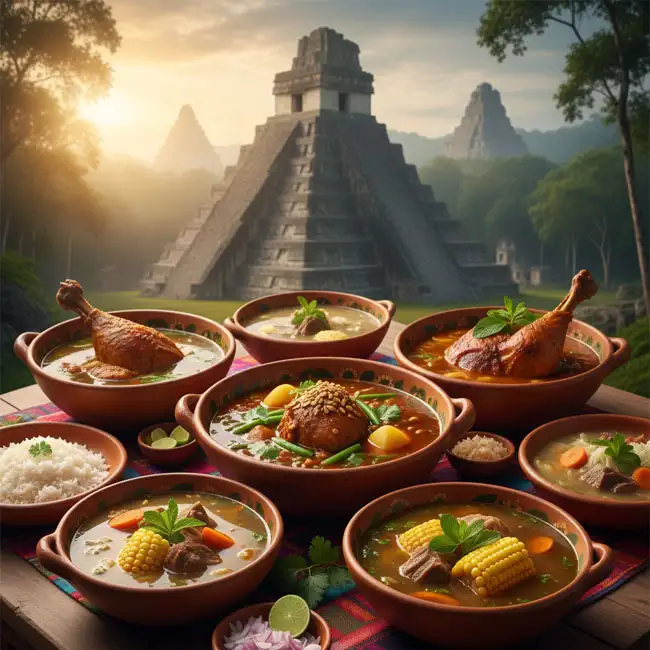
💛 ❤️ 🤍 The Heart and Soul of Central American Comfort
Hey, food explorers! After diving deep into the crispy appetizers and the sweet delights of Guatemala, it’s time to settle in for a truly heartwarming experience. We’re turning our attention to the unsung heroes of Guatemalan cuisine: the soups and stews—known locally as caldos and recados. If there’s one dish that truly defines the soul, history, and incredible flavor depth of this Central American nation, it’s a bowl of steaming, complex, and utterly nourishing soup.
Guatemalan soups are far more than just a liquid starter; they are often the centerpiece of a meal, a vessel for essential proteins and vegetables, and a vital link to the country’s ancient Mayan and colonial past. They are built on slow-simmered, complex sauces (recados) that use a unique blend of toasted seeds, dried chiles, and local spices. This complexity is what sets Guatemalan cooking apart—it's comforting, deeply savory, and always, always satisfying.
Ready to explore the cultural significance, the cornerstone ingredients, and the most famous bowls you absolutely must know? Grab a spoon and let’s get warm! 🧡 💚 💙 💜 ❤️
🌶️ 🌽 The Cultural Context: Why Soups Rule the Table
In Guatemala, the culture of eating revolves around making the most of every ingredient, providing balanced nutrition, and celebrating the bounty of the land. Soups are the ultimate expression of these principles.
🏡 A Tradition of Nourishment and Economy
• The One-Pot Wonder: Soups are the most efficient way to feed a family. They are economical, allowing cooks to stretch meat and protein with abundant local vegetables like potatoes, carrots, güisquil (chayote), and green beans. This practical approach is a legacy passed down through generations.
• Liquid Gold: The Recado Base: The true magic is in the recado, the base sauce. A recado is not just a broth; it's a thick, savory paste made by roasting or toasting seeds (like pumpkin and sesame), chiles, tomatoes, and other aromatics before grinding them down. This elaborate, multi-step process creates a sauce with incredible depth, providing a comforting, earthy flavor that is uniquely Guatemalan.
• The Heart of the Home: In many traditional comederos or family kitchens, there is always a caldo simmering. It represents readiness, welcome, and home-cooked comfort. Serving a hot bowl of soup is an act of love and generosity.
⛰️ The Influence of Geography and Climate
Guatemala's climate, often referred to as "the land of eternal spring," means the highlands can be quite cool, especially in the mornings and evenings. A steaming caldo is the perfect antidote to the mountain chill.
• Highland vs. Coastal: The ingredients used in soups often reflect the regional geography. Highland soups feature hearty root vegetables like potatoes and yuca, while coastal areas might incorporate seafood, plantains, and coconut milk into their stews. The diversity of the country is beautifully reflected in its soup bowls.
• Healing and Cleansing: Soups are widely considered healing, restorative foods. A simple chicken broth (caldo de gallina) is often the first thing given to someone feeling under the weather. They are viewed as both deeply nourishing and easy to digest.
🍲 🥬 The Star Caldos and Recados: Essential Guatemalan Soups
While there are countless regional variations, certain soups stand out as national treasures, defining the core flavors of Guatemalan cuisine.
🐔 Caldo de Gallina / Caldo de Res: The Staples
These are the most fundamental and universally loved clear-broth soups, found everywhere from high-end restaurants to humble street stalls.
• Caldo de Gallina (Chicken Soup): This is the ultimate comfort. It’s a simple, clear, but incredibly flavorful broth made from slow-cooked chicken (often a whole hen, giving the stock superior flavor). It’s packed with large chunks of potatoes, carrots, corn on the cob, güisquil, and often served with a hard-boiled egg. The meat and vegetables are presented generously, making it a complete meal. It’s usually served with rice and a squeeze of lime to brighten the flavor.
• Caldo de Res (Beef Soup): Similar in concept to the chicken version, this uses large, slow-cooked cuts of beef (like shank or flank) that become fork-tender. The broth is rich and slightly heavier, featuring robust vegetables like yuca, cabbage, and sometimes pacaya (a local edible flower bud). Both caldos are a testament to how simple ingredients, when simmered patiently, can yield profound flavor.
🧡 Jocón: The Vibrant Green Wonder
This is one of Guatemala's most famous and historically significant stews, originating from the beautiful highlands. It’s an official cultural heritage dish!
• The Color and Base: Jocón is instantly recognizable by its beautiful, natural vibrant green color. This comes from blending a large quantity of green ingredients: tomatillos, cilantro, green chiles, and sometimes miltomate (a small green tomato).
• The Texture and Flavor: The recado is thickened using ground seeds or a touch of masa (corn dough), giving it a rich, velvety texture. The stew typically features chicken (often on the bone), which is simmered until tender in the complex, herbaceous, and slightly tangy sauce.
• The Experience: Jocón is served piping hot, often accompanied by fresh white rice and thick corn tortillas for dipping and soaking up every last bit of that flavorful green sauce. It’s a dish that truly tastes like the green, fertile landscape of the Guatemalan highlands.
🥜 Pepián: The National Icon
If Jocón is green, Pepián is a luxurious reddish-brown—and perhaps the most revered of all Guatemalan stews. It's often cited as the country's national dish.
• The History: Pepián is a pre-Columbian dish that has evolved through the centuries, making it one of the oldest surviving recipes in the region. It was originally served to Mayan nobility during important ceremonies.
• The Recado: This is where the complexity shines. The deep color comes from a base of toasted seeds (pumpkin, sesame), roasted tomatoes, chile guaque and chile pasa (for color and flavor, not extreme heat), and spices like cinnamon, cloves, and black pepper. The ingredients are slow-roasted before grinding, giving the sauce an incredible toasted, smoky depth.
• The Dish: It is traditionally prepared with chicken, beef, or pork, and accompanied by potatoes and carrots. The resulting stew is thick, intensely savory, and wonderfully aromatic. Like Jocón, it is always served with rice and fresh tortillas to ensure no drop of the precious recado goes uneaten.
🐟 🥑 Regional and Rustic Favorites
The soup world doesn't stop with the classics. Traveling through Guatemala reveals delicious, hyper-local bowls that reflect regional specialties.
• Tapado (Coastal/Caribbean Soup): A world away from the highland recados, Tapado is a rich and vibrant soup from the Caribbean coast. Its base is creamy coconut milk, and it’s packed with fresh seafood (like shrimp, fish, and crab), green plantains, and fresh herbs. It’s lighter, sweeter, and more tropical, showing the incredible range of the national cuisine.
• Subanik (Festive Tomato Stew): Hailing from the indigenous traditions of the highlands, Subanik is a hearty, celebratory stew traditionally served at community events. It uses an incredibly flavorful sauce made from tomatoes and several kinds of dried chiles, giving it a deep red color. It’s typically prepared with three types of meat (pork, beef, and chicken) and wrapped and steamed in banana leaves, infusing it with extra aroma.
• Iwes (Simple Greens Soup): A more rustic, yet essential, soup often made in rural areas. It’s a simple, clear broth enriched with local herbs and greens, providing vitamins and nourishment. It’s a testament to the efficient, resourceful nature of traditional cooking.
🍋 🍚 The Eating Experience: How to Enjoy a Guatemalan Soup
Eating a Guatemalan caldo is a complete ritual that enhances the flavor and makes the meal whole.
• The Side Platter: A soup rarely arrives alone. Alongside your steaming bowl, you’ll typically find a small side plate with a scoop of white rice, fresh lime wedges, chopped cilantro, and maybe a side of finely chopped onion and chile (for those who want heat).
• The Tortilla Element: Fresh, hot, handmade corn tortillas are essential. They are used to scoop up the vegetables, grab the meat, and most importantly, to wipe the bowl clean of the remaining recado. They are the ultimate utensil.
• The Lime Squeeze: Before diving in, a squeeze of fresh lime is non-negotiable. The acidity cuts through the richness of the recado or the heaviness of the broth, brightening all the complex, slow-simmered flavors. Don't skip this step!
In every warm, savory spoonful of a Guatemalan soup, you are tasting centuries of tradition, the bounty of the earth, and the generous spirit of the cooks who created them. These caldos and recados are the definition of comfort food—rich, complex, and full of history. They are the perfect way to truly connect with the heart and soul of Central America.
❓ FAQ: Your Guatemalan Soups Questions Answered
Q1: What is a recado, and how does it differ from a regular broth?
A: A recado is a defining feature of many Guatemalan stews (recado is both the name of the sauce and the dish itself). It's a thick, complex, intensely flavored sauce made by roasting or toasting ingredients like tomatoes, chiles, pumpkin seeds (pepitoria), and sesame seeds before grinding them into a paste and simmering them. A regular broth (caldo) is a clear, simple stock achieved by boiling meat and vegetables. The recado is what gives traditional soups like Pepián and Jocón their signature depth, texture, and color.
Q2: Is Guatemalan soup typically very spicy?
A: Generally, no. While Guatemalan soups and stews often use chiles, they are primarily used for flavor, color, and aroma, not for intense heat. Chiles like chile guaque and chile pasa are fundamental in recados but contribute smoky, earthy, and fruity notes. If you want a spicy kick, it is typically added via a side condiment of chopped fresh chiles or a hot salsa that you can stir into your bowl yourself.
Q3: Why are vegetables served in such large chunks in caldos like Caldo de Res?
A: Vegetables in Guatemalan caldos (clear broths) are intentionally cut into large, substantial chunks for several practical and cultural reasons. Firstly, the long simmering time needed to tenderize the meat requires hearty vegetables like yuca, potato, and corn to hold their shape without turning to mush. Secondly, it transforms the caldo from a simple soup into a very filling, complete, and balanced one-pot meal. The large pieces ensure that every person served receives a generous portion of protein and vegetables.
🍲 Heartwarming Guatemalan Caldos: Recipes for a Cozy Family Dinner Night
👉 Make 3 Dinner Guatemala Soups
| 🌐 🍲 < Back | 🇬🇹 🍷 < Previous | Next > 🥗 🇬🇹 |