
🏠 Home > 🗺️ Recipes > 👑🍷 Noble Elixirs & Teas (Drinks) > 🇬🇾 Guyana Noble Elixirs & Teas (Drinks) Recipes > 👑🍷 1.Demerara Ruby Sorrel Elixir
👑🍷 A Forgotten Guyanese Elixir Inspired by Elite Colonial Tables
Published by Supakorn | Updated: September 2026
🤴🏛️ The Forgotten Aristocratic Legacy of Guyana: The Colonial Guiana Era
Guyana did not have a native royal dynasty or a formal aristocracy comparable to the royal courts of Europe. Its historical hierarchy developed instead under Dutch and British colonial rule, when governors, merchants, plantation owners, senior officials, and prosperous households occupied the highest levels of colonial society.
For that reason, the word aristocratic is more historically suitable than royal when describing the elite dining culture of colonial Guyana.
The region passed through Dutch, French, and British control before the colonies of Demerara, Essequibo, and Berbice were united as British Guiana in 1831. This long colonial period created an unequal society shaped by forced labor, enslavement, indentureship, commerce, and migration. Its food history should therefore be explored with honesty rather than presented as a simple age of luxury.
Guyanese cuisine eventually became much greater than anything served in an elite colonial household. It grew through the knowledge and creativity of Indigenous peoples and the traditions of African, Indian, Chinese, Portuguese, European, and Caribbean communities. Guyana’s tourism authority describes the country’s cuisine as a meeting point of Indigenous abundance and these many cultural influences
This recipe draws inspiration from that layered heritage. It is not claimed to be a transcription from a documented palace manuscript. Instead, it is a carefully developed historical interpretation of how a festive Guyanese sorrel infusion might have been refined for an affluent household using tropical fruit, cane sweetness, citrus peel, and imported spices.
🕯️ The Storyteller’s Intro: An Evening Beside the Demerara
Imagine an evening in nineteenth-century Georgetown, then known as part of British Guiana. Beyond the tall windows, the Demerara River reflects the last copper light of sunset. The air is warm, the dining room has been prepared, and footsteps move quickly between the pantry and the long polished table.
In the kitchen, dried red sorrel is lowered into steaming water. Cinnamon bark, cloves, and fresh ginger follow. Almost immediately, the pale water begins turning a deep ruby color.
A cook lifts the lid and releases a fragrance that is tart, floral, spicy, and bright. Pineapple peel has been added for tropical depth, while orange peel lends a refined citrus perfume. The infusion will be strained through cloth, sweetened with cane sugar, cooled, and presented in the finest glasses available.
It is an attractive scene, but the real culinary skill belongs not to the dining room’s wealthy guests. It belongs to the people who understood the ingredients, controlled the fire, balanced the spices, and transformed local produce into something memorable.
That distinction matters. Colonial dining records often centered governors, merchants, and estate owners while leaving cooks, domestic workers, farmers, market vendors, and community knowledge unnamed. A respectful modern retelling should return attention to those hands.
Our recipe, Demerara Ruby Sorrel Elixir, is inspired by this meeting of Guyanese produce, Caribbean infusion traditions, and the polished presentation associated with formal colonial-era dining.
🌍 The Global Value: A Recipe Larger Than the Elite Table
Spiced infusions were never solely the property of aristocratic households. People across the Caribbean prepared refreshing beverages from flowers, bark, roots, fruit, and spices. Sorrel became especially connected with festive gatherings, family hospitality, and seasonal celebrations.
In Guyanese preparations, dried sorrel is commonly combined with cinnamon and cloves. Recipes vary from family to family, and some include ginger, citrus peel, or other aromatic ingredients. The drink’s identity comes from more than a fixed formula: it lives in the act of steeping, tasting, adjusting, sharing, and remembering.
What wealthier households could claim was not necessarily ownership of the recipe, but greater access to expensive additions, imported spices, elaborate serviceware, stored sugar, and paid kitchen labor. They could turn a familiar infusion into a formal dinner presentation.
Over time, handwritten household notes could be misplaced, ingredients could become difficult to source abroad, and family proportions could disappear when recipes were passed down by observation rather than writing. Yet the wider tradition survived because ordinary households continued making it.
That is the global value of a heritage recipe. It can carry several histories at once. Sorrel connects the Caribbean with the roselle plant, tropical agriculture, migration, holiday customs, and family storytelling. Cinnamon, cloves, ginger, citrus, pineapple, and cane sugar reveal centuries of movement between regions and communities.
Preserving such recipes does not mean freezing them in one supposedly perfect form. It means acknowledging their roots, recording practical methods, and allowing new generations to prepare them thoughtfully.
📜 The Collection: Reviving a Historically Inspired Elixir
This article revives one elegant Guyana-inspired recipe rather than inventing a collection of undocumented “secret” formulas.
Demerara Ruby Sorrel Elixir brings together:
• The crimson color and tart flavor of dried sorrel
• The warm fragrance of cinnamon and cloves
• The lively heat of fresh ginger
• The tropical sweetness of ripe pineapple
• The bright aroma of fresh orange peel
• The mellow character of Demerara-style cane sugar
• A refined garnish suitable for a celebratory table
Every ingredient has a practical purpose. The sorrel provides color and acidity. Pineapple rounds out the sharpness. Ginger keeps the sweetness from becoming heavy. Cinnamon and cloves create depth, while citrus peel lifts the aroma before the first sip.
The result feels ceremonial without being difficult. You do not need a grand dining room, rare equipment, or professional training. You need good ingredients, patient steeping, and a willingness to adjust the final balance to your own taste.
🍷 Recipe: Demerara Ruby Sorrel Elixir
Recipe type: Chilled spiced fruit and hibiscus infusion
Cuisine inspiration: Guyanese and Caribbean
Preparation time: 20 minutes
Steeping time: 4 hours or overnight
Yield: 8 servings
Difficulty: Easy
🔐 About This Aristocratic Secret
There is no verified historical evidence that this exact recipe was created for a named governor, noble household, or celebrated colonial banquet. Claiming otherwise would turn an imaginative reconstruction into false history.
What we can say is that formal entertaining formed part of elite colonial life, while sorrel, cane sugar, tropical fruit, and warming spices belonged to the wider culinary landscape of Guyana and the Caribbean. This recipe imagines how those familiar elements might have been polished for an important reception in a prosperous Georgetown household.
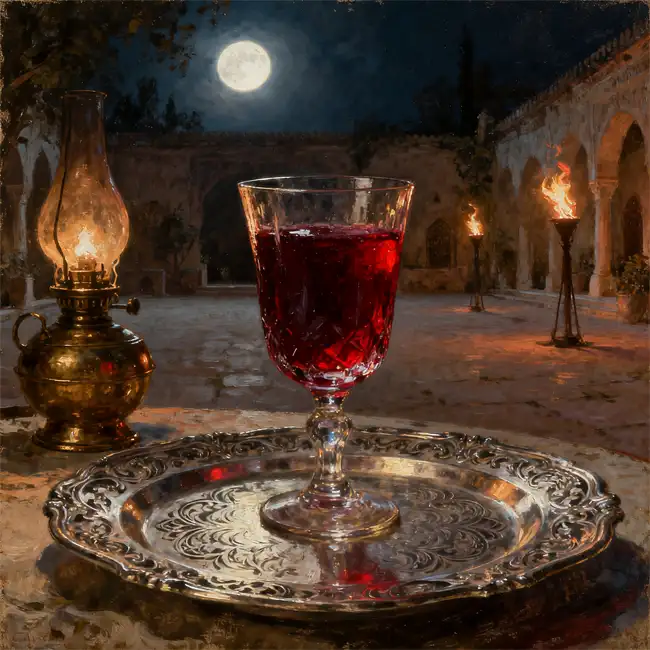
Picture it being served at the close of a formal dinner, when the heat of the day had begun to soften. Its jewel-red color would have looked dramatic against pale linen and glassware. The aroma of citrus and spice would arrive first, followed by a tart opening, gentle sweetness, and cooling fruit finish.
The “secret” is not a rare ingredient. It is the order of preparation.
Boiling every ingredient aggressively can make sorrel harsh, citrus bitter, and cloves medicinal. A more controlled ritual works better: briefly simmer the firm spices and pineapple peel, remove the pot from direct heat, and then allow the sorrel to steep gently. This preserves brightness while still extracting a rich color.
That careful control is the aristocratic touch we can borrow today—not status or extravagance, but attention to detail.
🌺 Ingredients & The Aristocratic Touch
🔸 The Aristocratic Pantry: The beauty of this elixir begins with contrast. Dried sorrel produces a dark ruby infusion with a lively tart edge. Pineapple adds rounded tropical fruit, while fresh orange peel creates a fragrance that feels instantly festive.
Cinnamon and cloves once traveled through valuable international trade networks, making them natural symbols of luxury on formal tables. Today they are easy to find, but they should still be handled carefully. Their job is to frame the sorrel, not bury it.
Fresh ginger introduces energy and warmth. Demerara-style sugar, named for Guyana’s historic Demerara region, brings a lightly caramel-like sweetness. It gives the drink a deeper finish than plain sweetness alone.
The most elegant ingredient, however, is restraint. A refined infusion should taste layered. No single spice should dominate every sip.
🔸 Modern Substitutes:
• If dried sorrel is unavailable, use dried hibiscus labeled for culinary use.
• If fresh pineapple is unavailable, use unsweetened pineapple juice and omit the pineapple peel.
• If Demerara sugar is unavailable, use turbinado sugar, light brown sugar, or ordinary cane sugar.
• If fresh ginger tastes too strong for you, reduce the quantity rather than omitting it completely.
• If oranges are unavailable, use two strips of fresh lime peel without the white pith.
• If you prefer less sweetness, begin with half the sugar and add more after steeping.
• If whole cinnamon is unavailable, use a very small pinch of ground cinnamon and strain through a coffee filter.
• If you cannot find whole cloves, omit them rather than using too much ground clove.
🔸 The Measurements:
• 2 cups dried sorrel or food-grade dried hibiscus
• 10 cups filtered water
• 2 cups fresh pineapple peel, thoroughly washed
• 1 cup ripe pineapple, cut into small pieces
• 1 medium orange
• 2 cinnamon sticks
• 6 whole cloves
• 2 tablespoons fresh ginger, thinly sliced
• 3 quarters cup Demerara sugar
• 1 teaspoon pure vanilla extract
• 1 small pinch of fine sea salt
• 1 to 2 cups chilled water for final adjustment
• Ice, as needed for serving
• Thin orange slices for garnish
• Small pineapple wedges for garnish
• Fresh mint leaves for an optional modern finish
Use a vegetable peeler to remove three broad strips from the orange. Avoid taking too much white pith because it can make the finished infusion bitter. After peeling, squeeze the orange and reserve approximately one-third cup of juice.
🔥 The Chef’s Ritual
1.Clean the sorrel carefully. Place the dried sorrel in a fine sieve and inspect it for small fragments. Rinse it briefly under cool running water, then allow it to drain.
2.Prepare the fruit. Wash the pineapple thoroughly before removing the peel. Cut the usable fruit into small pieces. Peel three strips of zest from the orange, avoiding the bitter white pith, and squeeze the juice into a separate cup.
3.Build the aromatic foundation. Pour 10 cups of filtered water into a large nonreactive pot. Add the pineapple peel, cinnamon sticks, cloves, and sliced ginger.
4.Simmer patiently. Bring the mixture to a gentle boil, then lower the heat. Simmer for 10 minutes. The goal is to release fragrance slowly, not to reduce the liquid aggressively.
5.Add the ruby heart. Turn off the heat. Add the rinsed sorrel, pineapple pieces, and orange peel. Stir once with a wooden spoon, then cover the pot.
6.Allow time to work. Leave the covered mixture to steep for at least 4 hours. For a deeper color and fuller flavor, cool it and continue steeping overnight in the refrigerator.
7.Strain with care. Pour the infusion through a fine-mesh sieve into a clean bowl or pitcher. For an especially clear presentation, strain it a second time through clean cheesecloth.
8.Sweeten gradually. While the infusion is cool but not icy, stir in the Demerara sugar. Begin with half the measured amount, taste, and continue adding until the tartness and sweetness feel balanced.
9.Complete the flavor. Stir in the reserved orange juice, vanilla extract, and a tiny pinch of salt. The salt should not be noticeable; it simply softens sharp edges and strengthens the fruit flavors.
10.Adjust the intensity. If the elixir tastes too concentrated, add chilled water a quarter cup at a time. Taste after every addition so the ruby color and floral character remain vivid.
11.Rest before serving. Refrigerate the finished infusion for at least 1 hour. This short rest allows the sugar, spice, citrus, and sorrel to settle into a more unified flavor.
12.Present elegantly. Fill chilled glasses with ice, pour in the elixir, and garnish each serving with a thin orange slice or small pineapple wedge. Add one mint leaf only if you enjoy its fresh aroma.
👨🍳 Secrets of the Palace Kitchen: Tips & Mistakes
• Use a nonreactive pot. Stainless steel or enamel-coated cookware is ideal. Reactive metal can interfere with the clean, tart character of hibiscus-based infusions.
• Do not boil the sorrel for too long. Extended boiling may produce a harsh or overly tannic flavor. Steeping it off the heat creates a smoother result.
• Keep citrus pith out of the pot. The colorful outer peel is fragrant, but the thick white layer underneath can become unpleasantly bitter.
• Treat cloves with caution. Six cloves are enough for this quantity. Adding a large handful can make the drink taste medicinal.
• Sweeten after steeping. You cannot judge the final balance accurately while the spices and flowers are still infusing.
• Taste it cold. Chilling changes how sweetness and acidity are perceived. Make the final adjustment only after the elixir has cooled.
• Do not rely on pineapple juice alone for complexity. Fresh peel contributes a gentle aroma, while fruit pieces provide body and natural sweetness.
• Strain twice for formal presentation. A second filtration removes fine particles and gives the drink a clearer, jewel-like appearance.
• Avoid too much vanilla. Vanilla should round out the finish, not make the elixir resemble a dessert syrup.
• Respect personal preference. Guyanese family recipes vary. Some people love a sharp sorrel drink, while others prefer it noticeably sweeter.
• Prepare it ahead. The flavor is often more harmonious the next day, making this an excellent recipe for celebrations.
• Store it safely. Keep the elixir refrigerated in a clean, covered glass container and enjoy it within four days.
🕌⚔️ Aristocratic FAQ
Q1.Is this an authentic recipe from a Guyanese aristocratic household?
It is a modern, historically inspired reconstruction rather than a documented household recipe. Guyana had colonial elites, but it did not have a native royal dynasty or a formally established local aristocracy. The recipe combines recognized Guyanese sorrel traditions with a refined presentation inspired by formal colonial-era entertaining.
Q2.Are sorrel and hibiscus the same ingredient?
In Caribbean cooking, sorrel usually refers to the fleshy red calyces of roselle, a plant in the hibiscus family. It is unrelated to the leafy herb also called sorrel. When shopping, look for dried roselle or food-grade dried hibiscus suitable for infusions.
Q3.Why is the sugar added after steeping?
Adding it later gives you more control. Pineapple, orange, and the strength of the sorrel can vary, so a fixed amount of sugar may be too much or too little. Gradual sweetening protects the fruit’s brightness.
Q4.Can this elixir be made without refined sugar?
Yes. You can reduce the sugar or use a preferred sweetener, but add it gradually. Different sweeteners have different strengths and flavors, and some may hide the floral character of the sorrel.
⏳ The Taste of History
Demerara Ruby Sorrel Elixir begins with a bright, mouthwatering tartness. Pineapple then softens the edges, followed by the gentle warmth of ginger, cinnamon, and clove. Orange peel rises through the aroma, while Demerara sugar leaves a mellow finish.
Its dramatic color makes it feel luxurious, but its ingredients remain approachable. That balance captures something important about heritage cooking: memorable food does not always depend on rarity. It often depends on technique, seasonality, patience, and knowledge passed between people.
This recipe should not be treated as a relic belonging only to colonial elites. Its deeper identity comes from the broader Guyanese and Caribbean tradition of transforming plants, spices, fruit, and sugar into refreshments shared at gatherings.
The aristocratic framing describes the presentation—not ownership of the cultural tradition.
🏠 Final Thoughts: Bringing History to Your Table
You do not need an old estate kitchen or inherited silverware to create a drink worthy of a special occasion. A large pot, a strainer, fresh ingredients, and a few hours of patience are enough.
Prepare the elixir the day before your gathering. Taste it once it is fully chilled. Adjust the sweetness slowly, strain it until clear, and serve it with a simple citrus garnish. Those small decisions produce the polished result once associated with highly staffed formal kitchens.
More importantly, making this recipe offers a reason to explore Guyana beyond romantic stories of colonial dining. The country’s cuisine reflects Indigenous knowledge, African resilience, Indian migration, Chinese and Portuguese communities, European colonial influence, and continuing Caribbean exchange. Guyanese culinary culture is rich because many communities shaped it—not because it belonged to a privileged table.
Let the first glass be an introduction. From there, continue exploring Guyanese sorrel, mauby, cassava bread, pepperpot, cook-up rice, metemgee, curries, roti, and the many family dishes that reveal the country’s living history.
✨ The Call to Action: The Golden Hook
If you fall in love with these flavors of history, become part of preserving the world’s culinary memory.
Make the recipe, record your preferred proportions, and share the story responsibly. If a Guyanese friend or relative teaches you a family variation, credit that person and respect any details they wish to keep private.
Recipes survive when they are prepared, discussed, and passed forward. Your kitchen can become the next place where this ruby-colored tradition continues to shine.
🤝 Credit to the Keepers of the Culture: The Legacy
This recipe is offered with respect to the people of Guyana and the wider Caribbean, especially the families, growers, cooks, market vendors, and cultural storytellers who have preserved regional food traditions across generations.
The historical record often gave disproportionate attention to colonial officials and wealthy households. Culinary knowledge, however, was sustained by communities whose names were not always written into formal archives. Their labor, adaptation, and creativity deserve recognition.
Guyanese cuisine cannot be reduced to one colonial period or one social class. It reflects Indigenous foundations and the combined contributions of African, Indian, Chinese, Portuguese, European, Creole, and neighboring Caribbean traditions. That diversity remains central to understanding the country’s food culture.
Demerara Ruby Sorrel Elixir is therefore presented as a modern homage—not an ancient manuscript, a verified elite formula, or a replacement for family recipes. Its purpose is to encourage curiosity while remaining transparent about what is historical, what is traditional, and what has been creatively reconstructed.
| 🇬🇾 👑🍷 < Back |