
🏠 Home > 🗺️ Recipes > 🥘 Sauces > 🇮🇩 Indonesia Sauces
🇮🇩 🥘 Indonesia Sauces Recipes
Published by Supakorn | Updated: February 2026
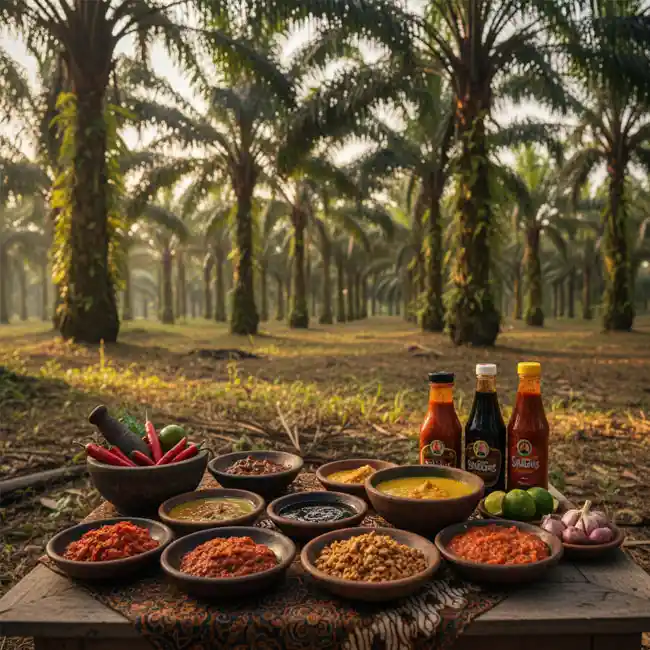
If you’ve ever sat down at an Indonesian dinner table, you’ve probably noticed something very quickly: the food never travels alone. In Indonesia, a dish isn't truly "finished" until it’s paired with its liquid or pasty soulmate. We are talking about the incredible world of Indonesia Sauces.
In the West, a sauce might be an elegant reduction or a dollop of ketchup. In Indonesia, sauces—or what we call Sambal, Bumbu, and Cocolan—are the lifeblood of the meal. They provide the heat, the umami, the sweetness, and the acidity that make every bite a complex adventure. For us, a meal without a proper sauce is like a song without a beat; it’s just not complete.
🌶️ The Philosophy of the "Ulekan"
To understand Indonesian sauces, you have to understand the Ulekan (a traditional stone mortar and pestle). Unlike a blender that shears ingredients, the ulekan crushes them, releasing essential oils and creating a rustic, chunky texture that holds onto flavor much better.
🧘 Sambal as a Way of Life
For many Indonesians, Sambal (chili sauce) isn't just a condiment; it’s a daily necessity. There’s an old joke that Indonesians will bring their own bottle of sambal even when traveling to the moon. It’s about more than just "burning" your tongue; it’s about opening up the palate to appreciate the other flavors in the rice and meat.
🥥 The Base of Everything: Bumbu
While sambal is often added at the table, many of our "sauces" are actually integrated into the cooking process as a Bumbu. This is a wet spice paste that forms the foundation of curries, stews, and marinades. It usually starts with a "Holy Trinity" of shallots, garlic, and chilis, but it can expand to include dozens of tropical roots and seeds.
🍯 The Legendary Staples: You Can't Live Without These
Let’s talk about the sauces that you will find in 99% of Indonesian households. These are the absolute classics.
🌑 1. Kecap Manis: The Black Gold
If there is one sauce that defines the Indonesian pantry, it is Kecap Manis. It is a thick, syrupy, fermented sweet soy sauce. Unlike regular soy sauce, it’s sweetened with palm sugar and infused with star anise and galangal.
• How we use it: It’s drizzled over fried rice, used as a marinade for satay, or mixed with chopped chilis and shallots to make Sambal Kecap. It provides that iconic "dark caramel" look and taste to so many dishes.
🥜 2. Bumbu Kacang: The Creamy Peanut Dream
Indonesian peanut sauce is world-famous, but it’s so much more than just peanut butter! Bumbu Kacang is made from deep-fried peanuts ground with chilis, garlic, lime leaves, and palm sugar.
• The Texture: It can be smooth and silky or chunky and crunchy.
• The Partners: You’ll see it smothered over Gado-Gado (salad), drizzled on Sate, or served as a dip for Batagor (fried dumplings).
🦐 3. Sambal Terasi: The Umami Bomb
This is the "gateway" sambal for many. It combines fresh chilis with Terasi (fermented shrimp paste). It has a pungent, strong aroma that might be intimidating at first, but once it hits your tongue, it provides a deep, savory umami that makes plain white rice taste like a gourmet feast.
🌶️ A Tour of Regional Sambals
With over 300 types of sambal across the country, every region has a "signature" sauce that they are fiercely proud of.
🍋 1. Sambal Matah (Bali)
This is a "raw" sambal that is incredibly refreshing. It’s made of finely sliced shallots, lemongrass, bird's eye chilis, and lime leaves, all tossed in hot coconut oil. It’s citrusy, fragrant, and perfect for grilled seafood. It represents the bright, breezy vibes of Bali perfectly.
🍍 2. Sambal Nanas (South Sumatra)
In the spicy world of Sumatra, they love to balance heat with fruit. Sambal Nanas (Pineapple Sambal) is a cooked sauce where the acidity and sweetness of the pineapple mellow out the fiery red chilis. It’s traditionally served with rich meats like beef or goat to cut through the fat.
🟢 3. Sambal Ijo (West Sumatra)
If you go to a Padang restaurant, you’ll see a large bowl of bright green sauce. This is Sambal Ijo, made from green tomatoes and green chilis. It’s generally milder than red sambals and has a wonderful "fresh" and slightly tart flavor.
🌋 4. Sambal Roa (North Sulawesi)
Hailing from Manado, this sambal is made with smoked Roa fish. It’s very spicy and has a deep, smoky, fishy flavor that is so hearty it can almost be eaten as a main dish with some fried cassava!
🥣 Beyond the Heat: Dipping and Pouring Sauces
Not all Indonesian sauces are designed to make you sweat. Some are meant to soothe, balance, or add a zesty kick.
🧪 1. Cukho: The Pempek Soulmate
If you’re eating Pempek (fishcakes) from Palembang, you need Cukho. This is a dark, watery sauce made from vinegar, palm sugar, garlic, and bird's eye chilis. It’s the perfect example of the "sweet, sour, and spicy" balance that Indonesians love. You don't just dip the fishcake in it; many people actually drink the leftover sauce from the bowl!
🥥 2. Kuah Gulai: The Golden Gravy
This is the rich, coconut-based sauce used in Padang cuisine. It’s infused with turmeric, which gives it a vibrant yellow-orange color. It’s thick, creamy, and loaded with the flavors of galangal and lemongrass. It’s the kind of sauce that you want to soak your rice in until every grain is yellow.
🥗 3. Saus Tauco: The Fermented Funk
Derived from Chinese influence, Tauco is a sauce made from fermented yellow soybeans. It’s salty and has a very distinct "funky" fermented flavor. It’s often used in stir-fries or as a dipping sauce for fried snacks in regions like Cianjur or Medan.
🍚 How to Navigate the Sauce Culture
In Indonesia, how you handle your sauce says a lot about your "food IQ." Here are some pro tips:
• The "Cocol" Technique: Cocol means to dip. Whether it’s a cracker or a piece of fried tofu, you never just "pour" sauce on it; you dip it carefully to get the perfect ratio.
• The Mixing Habit: It’s very common to see Indonesians mixing two or three sauces on the side of their plate. A bit of peanut sauce mixed with a bit of extra-hot sambal is a classic move.
• The "Hand-Smash": When eating with hands (a common practice!), people often use their fingers to "smush" the sambal into a small portion of rice, ensuring every grain is coated before it enters the mouth.
🏺 The Social Significance of the Sauce
Sauces in Indonesia are more than just flavor; they are a gesture of hospitality.
1.Freshness Matters: In many traditional homes, sambal is made fresh for every single meal. The sound of the ulekan hitting the stone in the kitchen is the universal signal that "dinner is almost ready."
2.Customization: Because Indonesian food is often served family-style, having multiple sauces on the table allows everyone—from the spice-loving grandpa to the heat-sensitive child—to customize their meal to their own liking.
3.The Gift of Spice: Homemade sambal in a jar is a very common gift when visiting friends. It’s a way of sharing the unique "secret recipe" of your household.
🥘 Why Indonesian Sauces are a Global Game-Changer
What sets our sauces apart from the rest of the world?
• Complexity: We don't just use one type of acid or one type of sugar. We mix tamarind with lime, and palm sugar with sweet soy.
• Aromatics: The heavy use of lemongrass, kaffir lime leaves, and salam leaves (Indonesian bay leaves) gives our sauces a floral "high note" that brightens the heavy spices.
• Texture: From the watery Cukho to the thick, chunky Sambal Matah, the mouthfeel is just as important as the taste.
❓ FAQ: Your Sauce Questions Answered
❓ Q1. Is all Sambal spicy?
While most Sambals have a kick, the level of heat varies wildly. Sambal Ijo or Sambal Nanas are quite mild, while Sambal Korek or Sambal Matah can be very fiery. The beauty is that you can always start with a tiny bit and work your way up!
❓ Q2. What is the difference between Peanut Sauce and Satay Sauce?
In Indonesia, they are essentially the same thing (Bumbu Kacang), but the version used for Satay is often a bit sweeter (with more Kecap Manis) and thicker so that it clings to the grilled meat better.
❓ Q3. Does Kecap Manis contain gluten?
Traditional Kecap Manis is made from fermented soybeans and wheat, so it generally does contain gluten. However, there are modern gluten-free versions starting to appear in specialty shops!
❓ Q4. How long does homemade Sambal last?
Raw sambals like Sambal Matah should be eaten immediately. Cooked sambals like Sambal Terasi or Sambal Bajak can last for a week in the fridge if kept in a clean, airtight jar. Some even say they taste better the second day!
🥘 Title เพจย่อย+3สูตร Sauces
👉 Master 3 Beginner-friendly Indonesia Sauces
| 🌐 🥘 < Back | 🇮🇩 🍱 < Previous |