
🏠 Home > 🗺️ Recipes > 🏛️🍯 Wild Earth Sweets & Foraged Bites > 🏝️ Kingdom of Kerma: Wild Earth Sweets & Foraged Bites Recipes
🏝️ 🏛️🍯 Kingdom of Kerma: Wild Earth Sweets & Foraged Bites Recipes
Published by Supakorn | Updated: October 2026
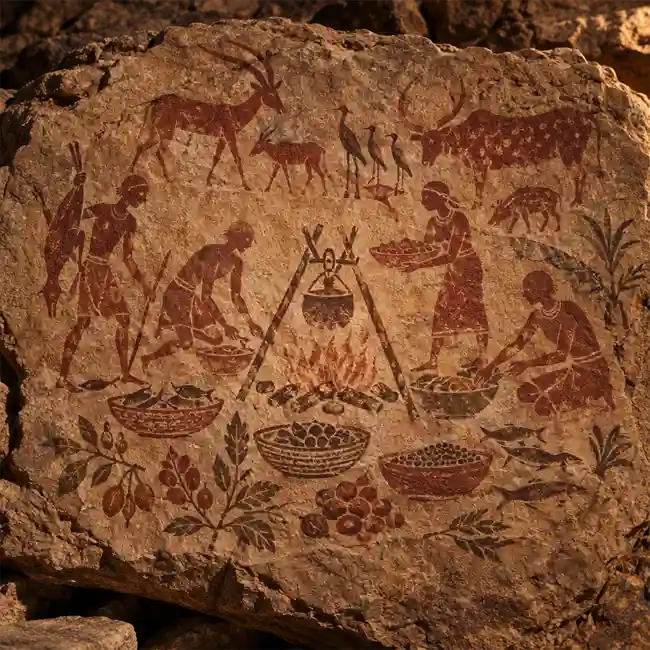
🛎️📜 The Storyteller’s Intro: 5,000 Years of Ancestral Flavors
Hey friend, imagine standing on the banks of the Upper Nile in what is now Northern Sudan, around 5,000 years ago. The sun is baking the earth, acacia trees are whispering in the wind, and the smell of roasting wild grains is in the air. Welcome to the Kingdom of Kerma.
If you haven't heard of Kerma, you are not alone. While Egypt was busy building pyramids, Kerma was building an equally impressive, fiercely independent civilization right to its south. Often called the first Kingdom of Kush, this was the powerhouse of Ancient Nubia, and its food story is absolutely wild.
Archaeologists usually divide Kerma into these fascinating eras:
🔸 Pre-Kerma Period (c. 3500 - 2500 BCE): This is where it all begins. Think semi-nomadic herders and early farmers just learning to tame the wild Sahel. Food was pure survival and foraging.
🔸 Early Kerma Period (c. 2500 - 2050 BCE): Settlements get bigger. People start cultivating sorghum and herding cattle seriously. The first hints of a sweet tooth appear with wild honey collection.
🔸 Middle Kerma Period (c. 2050 - 1750 BCE): This is the golden age of classic Kerma. A massive urban center with a huge mud-brick structure called the Western Deffufa. Trade explodes, and food becomes status.
🔸 Classic Kerma Period (c. 1750 - 1500 BCE): The absolute peak. Kerma is a rival to Egypt itself, controlling Nile trade routes. Royal tombs are filled with food offerings that tell us exactly what the elite loved to eat.
🔸 Late Kerma Period (c. 1500 - 1500 BCE): The kingdom falls to the Egyptian New Kingdom, but its food traditions don't disappear. They melt into Kushite and later Meroitic cuisine.
What makes Kerma food so different? Unlike Egypt, which was all about wheat and barley along a predictable floodplain, Kerma cuisine was a masterclass in desert adaptation. It was resourceful, earthy, and deeply connected to foraging.
📜 Iconic Excavated Menus: The Sweet Archives of Kerma
Forget what you think you know about ancient desserts. No refined sugar here. Kerma's sweets were gifts from the wild earth itself. Based on excavations by George Reisner and more recent work by Charles Bonnet at the main Kerma site, plus residue analysis from pottery and royal tombs, here are the legendary bites that have actually been documented:
🍯 The Crown Jewels - Royal & Ceremonial Sweets
◦ Saharan Honey-Glazed Doum Fruit Confit: This is THE star. The doum palm fruit is fibrous and naturally sweet-tart, almost like gingerbread. Tombs show piles of doum fruits preserved in large jars with layers of wild acacia honey. This wasn't everyday food; it was for royalty and for the journey to the afterlife.
◦ Nabag Berry & Tamarind Paste Balls: Nabag, or Christ's thorn jujube, grows wild all over Nubia. Tiny, apple-like, and super sweet when dried. Archaeobotanists found charred remains of nabag mixed with tamarind pulp, rolled into balls and dried in the sun. Think ancient energy bites.
◦ Tigernut Honey Cakes - "The Desert Truffles": Tigernuts are not nuts at all, but sweet little tubers. Kerma storage pits were full of them. Grind them, mix with wild honey and a little sorghum flour, press into small cakes, and bake on hot stones. They are naturally sweet, chewy, and incredibly nutritious.
🌾 The Forager's Daily Bites - Wild Earth Staples
◦ Wild Sorghum & Baobab Crumble: Before sorghum was fully domesticated, wild varieties were harvested. The grains were lightly toasted, crushed, and mixed with the tangy, citrusy powder from baobab fruit pulp. No sugar needed. The baobab provided vitamin C and a natural sweet-sour kick.
◦ Acacia Seed & Date Mash: Acacia seeds were roasted to remove toxins, then ground. When mixed with crushed wild desert dates, they created a protein-rich, sweet porridge that was found in everyday cooking pots, not just royal ones.
◦ Mongongo-Style Desert Nut Clusters: While classic mongongo is more southern, Kerma people used similar oil-rich seeds from desert melons and Balanites aegyptiaca. They were toasted and bound together with date syrup and honey into crunchy clusters.
🍃 The Sacred Offerings - Food for Eternity
◦ Scented Moringa & Honey Wafers: Moringa leaves and seeds were prized. Thin wafers made from sorghum flour, infused with crushed moringa leaves and drizzled with honey, were found as funerary offerings. They were believed to preserve life.
◦ Figs of the Wadi Dried in Honey: Wild sycamore figs, smaller than commercial figs, were split and sun-dried after being soaked in diluted wild honey. This preserved them for months in the desert heat.
🗺️ The Kerma Way of Life: Eating, Living, and Traveling the Ancient Nile
So how did they actually live and eat? It was all about rhythm and respect for a tough environment.
◦ The Kitchen Was Outside: There were no closed palace kitchens like in Egypt. Cooking was communal and outdoors, centered around open hearths and grinding stones. Women were the keepers of culinary knowledge, passing down how to tell which wild seeds were safe after roasting.
◦ Cattle Meant Wealth, Not Just Meat: Kerma was famous for its cattle culture. Thousands of cattle skulls were found arranged around royal tombs. They were wealth, status, and milk. Sour milk, fermented in gourds, was a daily staple and often sweetened with honey or baobab to make it more palatable. Meat was for feasts.
◦ Travel Tip - Follow the Ancient Trade Route: If you want to taste Kerma today, you need to go to Northern Sudan. Base yourself in Karima or near the archaeological site of Kerma itself, now called Doukki Gel. The modern Nubian villages there still harvest doum fruit, nabag berries, and wild honey in almost the exact same way. Visit the Kerma Museum - it houses the actual pottery with food residues. Go between November and February when it's cooler, and you can walk the desert and see the very trees that fed a kingdom.
◦ Zero-Waste Before It Was Cool: Nothing was wasted. Doum palm leaves became baskets, sorghum stalks became fuel, even acacia bark was used to infuse water with flavor. Their sweets were literally made from what the desert offered that day.
🚣 Nile Currents & Lifeblood: Secrets of the Upper Nile Foodways
You can't talk Kerma without talking the Nile. But this isn't the calm, predictable Lower Nile of Egypt.
◦ The Third Cataract Challenge: Kerma was built right at the Third Cataract - a stretch of the Nile full of granite boulders and rapids. This made it hard for Egyptians to invade, but it also meant Kerma controlled all river trade. Food and ingredients became currency.
◦ Seasonal Foraging Calendar: Life followed the Nile's rise and fall, but also the brief rainy season. When the river flooded (July-September), sorghum was planted on the receding silt. In the dry season (October-May), people turned to foraging deep in the wadis for doum, nabag, and honey.
◦ The Kerma Basin Magic: They were brilliant hydraulic engineers. They built massive water channels and hafirs (water reservoirs) to catch rainwater in the desert, creating little green pockets where wild fruits and tubers thrived even when the Nile was low. This is why they could have sweets year-round.
◦ River Trade = Flavor Trade: Through the Nile, Kerma got incense from further south in Punt, and red sea salt from the east, which they used to balance the sweetness in their date mashes. In return, they traded their prized honey and dried fruits north to Egypt.
🏜️ Desert Gold & Oasis Secrets: Where the Wild Sweets Still Grow
The real pantry of Kerma wasn't the river, it was the Bayuda Desert and the small oases.
◦ The Doum Palm Oasis Trail: Doum palms love underground water. Ancient Kermans knew exactly where to find them along hidden desert trails. These groves were sacred, often marked with rock art. Today, you can still find these ancient groves near the town of Kerma - locals call them the "gingerbread trees" because of the smell.
◦ Honey Hunters of the Acacia Desert: Wild honey wasn't farmed. It was hunted. Rock paintings near Kerma show figures climbing acacia trees to smoke out bees. This honey was dark, smoky, and rich in minerals - completely different from commercial honey. It was the main sweetener.
◦ Tourism Tip - The Forager's Experience: If you visit, ask a local Nubian guide to take you on a "wild food walk" at dawn. You'll learn to identify edible Balanites fruits, how to crack doum fruits with a stone, and how to spot a wild bee colony in an acacia tree. It's a direct, unbroken line to 5,000 years ago. The best spot is the desert east of the Kerma Deffufa - the huge, ancient mud-brick temple still stands and the surrounding area is full of wild food plants.
◦ Why Foraged Bites Mattered: In a desert, sweet calories are survival. A handful of nabag balls could keep a herder going for a full day. These weren't just desserts; they were portable, non-perishable energy technology.
🕌❓ Ancient Civilization FAQ: Unlocking Palace Kitchen Mysteries
Q1: Is there any written recipe from Kerma like there is from Mesopotamia?
Not in the way we think of recipes. Kerma was largely a non-literate culture before Egyptian conquest - they didn't leave clay tablets with ingredient lists. What we have is even better: physical evidence. We have the actual storage jars with honey and doum residue inside, grinding stones with tigernut starch, and incredibly well-preserved royal tombs where food offerings were placed exactly as they were eaten. We reconstruct the "recipe" from chemistry and archaeobotany, not text.
Q2: Were Kerma sweets eaten daily or only for special occasions?
Both, but different kinds. Everyday people ate simple things daily - like sour milk sweetened with a little baobab or a few dried nabag berries as a snack. The elaborate honey-glazed doum confit and tigernut cakes were reserved for royalty, religious festivals, and funerals. Think of it like today - we all eat fruit daily, but a fancy cake is for birthdays.
Q3: How do we know these foods were sweet if there was no sugar?
Great question! Through three methods: 1) Residue analysis detects high fructose and glucose from honey and dates in pottery. 2) Human teeth from Kerma cemeteries show patterns of wear and cavities consistent with sticky, sweet foods like honey and dates. 3) Modern Nubian communities in the same area still make identical recipes and they are naturally very sweet - we taste-tested the ancient way!
Q4: Can I recreate these recipes at home without going to Sudan?
Absolutely, and that's the beauty of it. You can find doum fruit powder, baobab powder, dried nabag berries (sold as jujube), and tigernuts in health food stores or online. They are all superfoods today. Swap wild acacia honey for raw, dark forest honey. The original method used hot stones, but a low oven at 150°C (300°F) works perfectly to make the tigernut cakes or the nabag balls.
🧠 Final Thoughts: The Timeless Allure of Antique Gastronomy
When we think of ancient luxury, we usually think of gold and palaces. But the people of Kerma found luxury in something much more intimate: the sweet taste of a fruit that survived the desert, the smoky richness of honey stolen from a wild hive, the earthy chew of a tuber pulled from the sand.
Their food wasn't about showing off abundance; it was about deep knowledge. Knowing which tree would fruit after a rare rain, which seed needed roasting to be safe, how to make honey last for years in a sealed jar. That's a kind of culinary intelligence we've almost lost.
The Kingdom of Kerma may have fallen 3,500 years ago, but its wild earth sweets are still growing in the same desert, still being picked by the same hands. It's not a lost recipe - it's a sleeping one, waiting for us to remember how to taste the desert again.
Stay tuned, because in the next article, we are going to unlock the full, tested, step-by-step recipes for those Tigernut Honey Cakes and Nabag Berry Paste Balls.
🏛️ Credit to the Keepers of the Culture (The Legacy)
This deep dive would be impossible without the lifelong work of the archaeologists and local communities who protect this heritage.
Our sincere respect and gratitude go to the National Corporation for Antiquities and Museums of Sudan (NCAM) and the Swiss Archaeological Mission in Kerma led by the legendary Professor Charles Bonnet, whose 40+ years of excavation uncovered the city of Kerma itself. We also honor the pioneering work of George A. Reisner of Harvard.
Most importantly, we credit the Modern Nubian Communities of Northern Sudan - the descendants and cultural keepers who have preserved the knowledge of doum, nabag, baobab, and wild honey harvesting through oral tradition for over 5,000 years. Their living knowledge is the true archive. Any inaccuracies in interpretation are our own.
All historical interpretations are based on published excavation reports and archaeobotanical studies, aimed to honor, not appropriate, this magnificent ancient culture.
🏛️🍯 Nubia's Lost Sweet — How Kerma's People Preserved Dates in Honey
👉 Revive Kingdom of Kerma's Wild Earth Sweets & Foraged Bites
| 🌐 🏛️🍯 < Back | 🏝️ 🍲 < Previous | Next > 🧪 🏝️ |