
🏠 Home > 🗺️ Recipes > 👑🍲 Royal Court Broths (Soups) > 🇲🇽 Mexico Royal Court Broths (Soups) Recipes > 👑🍲 1.Caldo De Pipiltin (Ancient Aztec Noble Bone Broth)
👑🍲 Unlocking Mesoamerica’s 500-Year-Old Aristocratic Broth Recipe
Published by Supakorn | Updated: August 2026
👸📜 The Forgotten Royal Legacy of Mexico: The Sacred Aztec Empire
🏛️ The Storyteller’s Intro: Step Inside the Grand Kitchens of Tenochtitlan
Picture this: long before modern cookware and mass-produced seasonings, step back over five centuries into the heart of the Valley of Mexico. High inside the stone corridors of Tenochtitlan—the breath-taking island capital of the Aztec Empire—smoke gently rose from low earthen hearths. This wasn't just everyday cooking. Inside the noble precincts, master cooks prepared sacred meals exclusively for Aztec high society: the Pipiltin (the aristocratic elite), high priests, and warrior lords. The air hung thick with roasted wild chilies, toasted heirloom maize, fragrant epazote, and deep, simmering marrow bones. Access to these culinary sanctuaries was strictly forbidden to commoners. The secrets behind these deeply nourishing, long-simmered elixirs remained locked away inside the stone walls of Mesoamerican nobility.
🌎 The Global Value: From Sacred Elite Privilege to Near Extinction
For centuries, these nutrient-dense broths were far more than simple sustenance. They were viewed as sacred medicine, energetic fuel, and symbols of high social standing. The Aztec nobility believed that slow-simmered broths captured the vital energy (tonalli) of sacred native ingredients—fire-roasted tomatoes, native squash seeds, dried aromatic herbs, and wild game bones. However, when European conquests dismantled traditional Mesoamerican social structures in the early 16th century, many of these complex kitchen traditions were systematically suppressed. The grand aristocratic feast recipes were almost erased from history, surviving only in whisper-thin oral traditions passed down through Indigenous elders and hidden village kitchens across rural Mexico.
🏺 The Collection: Reviving a Lost Masterpiece of the Ancient World
Today, we are dusting off the ancient pages of history to bring one of the most legendary ancestral recipes back to life. This article resurrects the imperial bone broth of the Aztec elite—a vibrant, 500-year-old culinary masterpiece that seamlessly balances deep savory marrow notes with earthy native peppers and aromatic herbs. By blending ancient culinary wisdom with modern kitchen convenience, we are opening the gates to a centuries-old culinary secret. You don't need an imperial court to enjoy this divine creation—just a quality pot, fresh ingredients, and a passion for deep, authentic flavor.
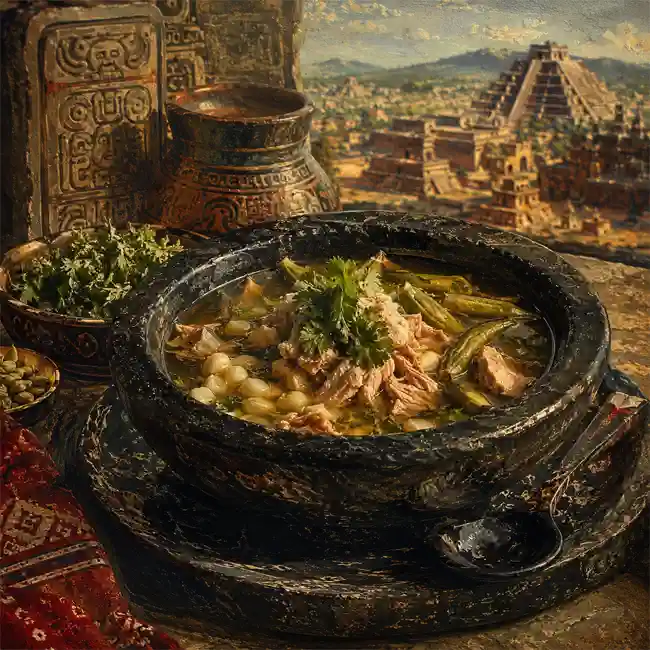
🍲 Recipe: Caldo De Pipiltin (Ancient Aztec Noble Bone Broth)
👑 About this Royal Secret: A Dish Fitting for Aztec Sovereigns
Legend has it that early iterations of this restorative elixir were served to high dignitaries during great celestial festivals and post-battle ceremonies. The Aztec ruler Montezuma II himself was documented to enjoy rich, aromatic stews and broths enriched with native chili pastes and rare botanical herbs before addressing his empire. This broth was meticulously designed to provide immense physical vitality, mental clarity, and spiritual grounding. Drinking a bowl of Caldo De Pipiltin was considered a sacred privilege, reserved exclusively for those who ruled the Mesoamerican world.
🌿 Ingredients & The Aristocratic Touch
🔸 The Royal Pantry:
The nobility did not settle for simple salted waters. Their pantries were stocked with the finest harvests from the chinampas (floating agricultural gardens). Beef bone marrow, heritage turkey bones, sun-dried chilies, charred native tomatoes, and hand-picked botanicals were carefully hand-ground using stone metates. Every single ingredient was chosen deliberately to reflect richness, depth, balancing heat, and restorative power.
🔸 Modern Substitutes:
To make this authentic ancient feast approachable in your modern kitchen without losing its soul, here are simple swaps:
• Instead of wild game bones (venison or wild turkey), use high-quality grass-fed beef marrow bones mixed with chicken feet or turkey neck bones for maximum collagen.
• If native Epazote is difficult to source fresh, substitute with fresh flat-leaf parsley combined with a tiny pinch of dried oregano.
• Instead of native heirloom Mexican tomatoes, use sweet ripe plum (Roma) tomatoes.
• Instead of ancient wild chilies, use dried Ancho and Guajillo chilies, which are widely available and deliver that signature deep red color and mild, smoky warmth.
🔸 The Measurements:
• 1.5 kilograms mixed beef marrow bones and chicken feet (washed thoroughly)
• 4 liters pure spring water
• 2 large dried Ancho chilies (stems and seeds removed)
• 2 large dried Guajillo chilies (stems and seeds removed)
• 4 ripe Roma tomatoes (charred over flame)
• 1 large white onion (halved and charred)
• 6 whole cloves garlic (unpeeled and toasted)
• 1 small bunch fresh epazote (or fresh parsley with a pinch of oregano)
• 1 tablespoon whole black peppercorns
• 1 tablespoon sea salt (adjust to taste)
• 1 cup fresh pumpkin seeds (toasted for garnish)
• 2 whole fresh limes (sliced for serving)
🥣 The Chef’s Ritual: Step-by-Step Ancestral Preparation
1.Fire-Roast the Aromatics:
Begin by heating a dry cast-iron skillet over medium-high heat. Place the onion halves, unpeeled garlic cloves, and plum tomatoes directly onto the hot surface. Toast them slowly until the skins display rich black char marks. Remove the garlic, peel it, and set all charred vegetables aside.
2.Gently Toast the Chilies:
In the same hot dry skillet, lay the deseeded Ancho and Guajillo chilies flat. Press down gently for just 10 to 15 seconds per side until they become intensely fragrant. Be careful not to burn them, or they will turn bitter. Transfer the toasted chilies to a small bowl of hot water and let them steep for 15 minutes to soften.
3.Craft the Sacred Flavor Paste:
Transfer the soaked chilies, charred tomatoes, roasted onion, peeled garlic, and half a cup of the chili-soaking liquid into a high-speed blender. Puree until completely smooth, velvety, and deep red.
4.Blanch and Sear the Bones:
In a large, heavy-bottomed stockpot, place your marrow bones and chicken feet. Cover with cold water, bring to a boil for 5 minutes, then drain completely and rinse the bones under cold water to wash away impurities. This guarantees a clean, shimmering broth base.
5.Infuse the Base:
Place the cleaned bones back into the pot. Pour the pureed chili-tomato paste directly over the hot bones and stir for 2 to 3 minutes until the raw edge cooks off the puree and coats the marrow.
6.The Great Slow Simmer:
Pour in the 4 liters of pure spring water. Add the whole black peppercorns and sea salt. Bring the pot to a soft rolling boil, then immediately turn the heat down to the lowest setting. Cover loosely with a lid. Allow the broth to simmer gently for at least 4 to 6 hours (up to 8 hours for maximum nutrient extraction).
7.The Herbal Finish:
During the final 30 minutes of cooking, submerge the fresh epazote (or parsley-oregano bundle) into the simmering broth. This late addition infuses bright, herbal top notes into the deep, rich bone marrow base.
8.Strain and Serve:
Carefully strain the broth through a fine-mesh sieve into clean bowls. Discard the spent solids. Serve hot, garnished with a sprinkle of toasted pumpkin seeds and a fresh squeeze of lime juice.
🗝️ Secrets of the Palace Kitchen (Tips & Mistakes to Avoid)
◦ Never rush the low heat: Boiling bone broth violently will cause the rendered fats and solids to emulsify, leaving you with a cloudy, greasy soup instead of a deep, silky liquid gold. Keep the surface at a barely noticeable tremble.
◦ Charring is non-negotiable: Skipping the step to char your tomatoes, onions, and garlic deprives the dish of its essential smoky depth. That slight blackened skin is where the authentic flavor lives!
◦ Watch your chili-toasting time: Dried chilies burn in seconds. If they turn jet-black or smell acrid, discard them and start over. Burnt chilies will spoil an entire pot of broth with an unfixable bitter taste.
◦ Skim the top layer periodically: Use a wide spoon during the first hour of simmering to clear away any foam or excess floating oil. This creates a beautifully clarified finish.
◦ Always acidify at the end: The addition of fresh lime juice right before sipping isn't just a flavor enhancer; the acidity cuts through the dense marrow fat and activates the digestive palate.
🏰❓ Royal FAQ
Q1.Can I make this ancient broth in a modern Instant Pot or pressure cooker?
Absolutely! While the ancestral method relies on slow earthen pot simmering, you can place all prepared bones, pureed paste, aromatics, and water into a pressure cooker. Cook on High Pressure for 120 minutes, then allow a full natural pressure release.
Q2.How long can I store this aristocratic broth?
Because of its high gelatin and collagen content, this broth cools into a firm jelly in the fridge. It stays fresh in an airtight glass container for up to 5 days refrigerated, or up to 6 months frozen.
Q3.Is this recipe naturally gluten-free and keto-friendly?
Yes! This traditional pre-Hispanic recipe is naturally free of gluten, grains, processed sugars, and dairy. It is packed with natural collagen, healthy fats, and ancestral minerals.
Q4.Why did the ancient Aztecs use epazote in bone broths?
Epazote is a pungent native Mesoamerican herb prized not only for its distinct earthy flavor, but also for its digestive medicinal properties. It was traditionally added to heavy meat broths to soothe digestion.
🏛️ The Taste of History
Sipping this rich, amber-red elixir is like taking a direct step into the ancient world. The initial flavor hits your palate with smoky sweet notes from the fire-roasted tomatoes and mild Ancho chilies, followed immediately by the deep, rich, comforting body of long-simmered bone marrow. The fresh lime juice and herbaceous epazote lift the entire sip, leaving a clean, warm finish that coats your throat and warms your soul. It is complex, grounding, and undeniably regal.
🕯️ Final Thoughts: Bringing History to Your Table
Cooking is one of the very few ways we can physically touch the past. You don't need access to royal palaces or ancient ancestral lands to experience the incredible culinary sophistication of 500 years ago. By taking a few humble ingredients—bones, chilies, tomatoes, and time—you are recreating a ritual that nourished ancient rulers, warriors, and high priests. When you brew this broth in your own modern home, you are bridging centuries of distance with a single pot of simmering soup.
🌟 The Call to Action
If you are endlessly fascinated by forgotten culinary histories and crave authentic, secret recipes from around the globe, join our community of passionate home cooks! Subscribe to our newsletter today, save this recipe to your favorite board, and drop a comment below sharing your experience bringing this 500-year-old masterpiece back to life. Let’s keep the world’s rich food heritage simmering together!
🛡️ Credit to the Keepers of the Culture
We offer our deepest respect, admiration, and gratitude to the Indigenous communities and native cooks of Mexico who have preserved these ancient culinary traditions across generations. Without their dedication to safeguarding traditional agricultural practices, indigenous seed varieties, and oral recipe histories through centuries of change, these sacred dishes would have been lost to the sands of time. This recipe is published in celebration and honor of their enduring heritage.
| 🇲🇽 👑🍲 < Back |