
🏠 Home > 🗺️ Recipes > 🥗 Salads > 🇲🇽 Mexico Salads
🇲🇽 🥗 Mexico Salads Recipes
Published by Supakorn | Updated: February 2026
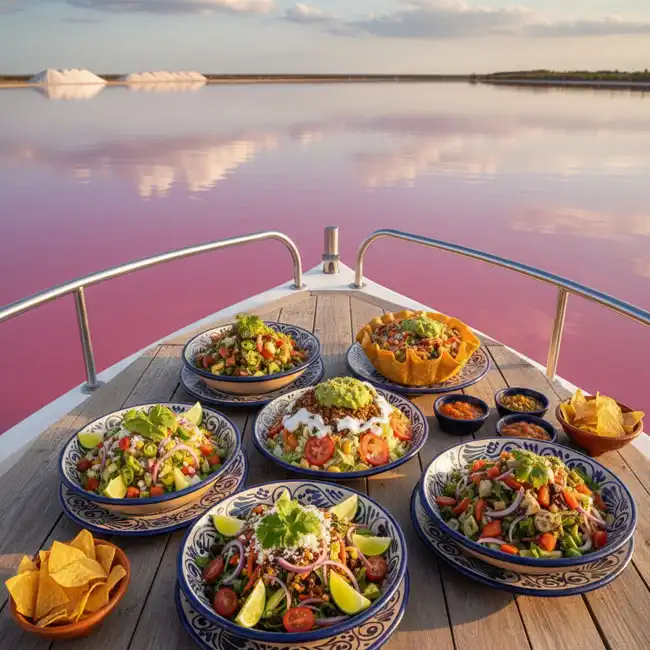
Hey amigos! Let’s talk about salads, but let’s completely ditch any boring preconceptions you might have. When most people think of a "salad," they picture a bowl of lettuce, maybe some ranch dressing, and a handful of croutons. That idea needs to be tossed out (pun intended!) the window when we talk about Mexico.
In Mexico, the concept of ensalada—or a fresh, vegetable-forward, cold side preparation—is a cornerstone of the diet, deeply rooted in pre-Hispanic ingredients and a constant dedication to vivid freshness. Mexican "salads" are not just starters; they are vibrant, essential components that provide texture, acidity, and vital nutrients to balance the richer, spicier main dishes.
This is a cultural deep dive. We’re not here to list ingredients; we’re here to understand why the cactus paddle salad is a masterpiece, how beans and potatoes take center stage, and when these fresh preparations become integral parts of celebrations. Get ready to explore the exciting, colorful, and often surprising world of authentic Mexican salads!
🌿 The True Meaning of Ensalada: Freshness and Heritage
To truly appreciate Mexican salads, you have to understand the culinary philosophy behind them. It’s less about a bed of leaves and more about a preparation of vegetables, often dressed simply with lime juice, salt, and minimal oil. The defining characteristics are acidity, crunch, and vitality.
☀️ The Climate Dictates: Fresh, Light, and Bright Flavors
Mexico's climate, which ranges from tropical coasts to high-altitude deserts, mandates cooking that is light and refreshing. Imagine sitting down for a heavy, spicy Mole in the midday sun—you need a counterpart that is cool and bright. This is where the ensalada steps in.
The primary dressing agent is nearly always lime juice. Forget heavy, creamy dressings; the sheer acidity of fresh lime juice "cooks" or brightens the vegetables, while its sharpness cleanses the palate, preparing you for the next, often fiery, bite of the main course. The combination of salt, lime, and perhaps a touch of chili powder is the quintessential Mexican "vinaigrette." This focus on fresh acid over heavy oil results in dishes that are inherently low-fat, high in flavor, and perfect for hot weather. The salad's job is to cut through the richness of carnitas or the deep heat of a chili sauce, creating a perfect balance on the plate.
🕰️ Roots in the Earth: Indigenous Vegetables and Grains
Mexican salads often shine a spotlight on ingredients that are ancient staples. The Indigenous diet was rich in plant matter, and these ingredients form the basis of the most traditional ensaladas:
• Maíz (Corn) and Frijol (Beans): While often warm, preparations like cold bean or corn salads (think Esquites served cold, or simple bean and tomato side dishes) are variations on the salad theme, utilizing these foundational starches. They provide substance and earthiness.
• Tomatoes and Tomatillos: These fruits (yes, tomatoes are fruits!) provide the juicy base and acidic brightness necessary for many preparations, like Pico de Gallo (which is essentially the world’s most famous fresh, diced salad).
• Chili Peppers and Cilantro: These are mandatory inclusions. Chili peppers provide the complex spice, and cilantro provides the signature herbaceous, fresh flavor that defines Mexican cuisine.
The salads of Mexico are a living tribute to the country’s agricultural heritage, transforming these simple, earth-grown ingredients into complex, satisfying side dishes. They honor the land by keeping the ingredients as close to their original, fresh state as possible.
🌵 The Icons: Signature Mexican Preparations (Beyond Lettuce)
The best examples of Mexican ensalada defy the standard leafy-green classification. They use ingredients that are unique to the region or prepare common ingredients in a distinctly Mexican way, making them truly special.
🌵 Ensalada de Nopales: The Cactus Paddle Masterpiece
If there is one dish that exemplifies the uniqueness of Mexican salad culture, it’s Ensalada de Nopales (Cactus Paddle Salad). The nopal (prickly pear paddle) is a staple vegetable, a symbol of Mexican identity, and a genuinely delicious salad base.
The preparation is key. The spines are meticulously removed, and the paddles are diced and boiled, which removes the natural slime (baba). Once cooked and cooled, the nopalitos (small pieces of cactus) have a slightly tart, pleasant, green bean-like texture with a subtle, earthy flavor.
The salad itself is a textural marvel. The tender cactus pieces are mixed with vibrant ingredients: fresh diced tomato, onion, cilantro, and sometimes queso fresco (fresh cheese) or aguacate (avocado). It's all tossed generously with that classic lime-and-salt dressing. This salad is served cold and is incredibly refreshing. It perfectly demonstrates how a humble, Indigenous plant becomes a star component, providing a satisfying, meaty bite without actual meat. It’s often served as a side to richer main dishes or as a topping on a tostada.
🥔 Ensalada de Papa and Coditos: The Comfort Salads of Home
While the Nopales salad is quintessentially Mexican, other popular ensaladas show the fusion with European influence, resulting in comforting, crowd-pleasing side dishes that are staples at every family party (fiesta).
Ensalada de Papa (Potato Salad) exists in Mexico, but it’s usually quite different from the North American version. It’s often much simpler, dressed with a creamy, lighter dressing (perhaps less mustard, more lime/vinegar) and mixed with finely diced vegetables like carrots and peas. It’s a side dish designed to provide comfort and starch, a gentle accompaniment to grilled meats like Carne Asada.
Similarly, Ensalada de Coditos (Elbow Pasta Salad) is incredibly popular. The small elbow macaroni is tossed in a simple, creamy, slightly sweet dressing—often incorporating Mexican crema or a light mayonnaise—and mixed with things like corn, ham (if used), or canned tuna/chicken. These pasta and potato salads represent the "salad" category as a cooling, starchy side, a familiar, easy option that appeals to children and adults alike, a testament to the cuisine’s ability to incorporate global ingredients into a local flavor palette.
🐟 Vuelve a la Vida and Ceviche: Seafood as a Salad
On the coastlines, the definition of a salad extends to the fresh, vibrant curing of seafood. Ceviche is the perfect example of a dish that functions as a cold appetizer or main course salad.
Ceviche is raw fish or shrimp "cooked" by the acidity of fresh lime juice. Once the seafood is cured and turns opaque, it is immediately mixed with a hefty amount of fresh, salad-like ingredients: finely diced red onion, cilantro, serrano chilies, and ripe tomato. It is usually served with tostadas (crispy fried tortillas) or tortilla chips, using the crispy base as a vehicle for the fresh, tangy mix.
Vuelve a la Vida (meaning "Return to Life") is a seafood cocktail that is so packed with ingredients—shrimp, oysters, octopus, and fresh vegetables—that it functions essentially as a hearty, complex, and intensely flavorful seafood salad served in a bowl. These dishes showcase the role of lime as the defining dressing and the ultimate ingredient for freshness.
🍅 The Role of the Salad: Structure of the Mexican Plate
Understanding Mexican salads means understanding their function within the greater meal structure, particularly the substantial mid-day Comida. They aren't just an afterthought; they are strategically placed elements designed for balance and flavor progression.
🥣 The Comida Component: From Soup to Salad to Main
In a traditional Mexican Comida Corrida (set lunch), the meal is structured to be both filling and balanced. The salad, or ensalada, often appears as the second course, after the warm soup (sopa).
By serving a crisp, cold, acidic salad at this point, the diner’s palate is awakened and cleansed, readying them for the richer, more heavily seasoned main dish (Plato Fuerte), which follows. This sequencing is key: the light freshness of the ensalada contrasts with the deep, slow-cooked flavors of the mole or the stew, providing an essential moment of freshness and texture difference. It is an act of sophisticated culinary staging, ensuring that no part of the meal overwhelms the others.
🔪 The Art of the Garnish: Shredded Cabbage and Creamy Toppings
Beyond a standalone dish, vegetable preparations are crucial as garnishes, elevating a simple main course into a complex experience. These garnishes often function as micro-salads or cold, raw vegetable complements.
Think about the classic taco or tostada. It is piled high not just with meat and salsa, but often with:
• Shredded Cabbage or Lettuce: Provides essential crunch and a cool temperature contrast.
• Diced Onion and Cilantro: The quintessential fresh aromatic topping, cut finely to release their potent oils.
• Pickled Onions (Cebolla encurtida): Especially popular in the Yucatán, the sharp, acidic bite of pickled onions cuts through the richness of Cochinita Pibil.
These raw, vibrant additions are the necessary acidic counterpoint to rich Carnitas or crispy Chicharrón. They are small salads designed to be integrated into every single bite of the main course, providing a burst of freshness and acidity that completes the dish.
🌶️ Salsas and Dressings: The Lime-Chili Vinaigrette
The Mexican approach to dressing is almost minimalist, yet incredibly potent. The dressing is the salsa, and the salsa is often the dressing.
The core is simple: Lime, Salt, and Chili. The complexity comes from the chili choice. A salsa, whether it's a smooth, red Salsa Roja or a chunky, green Pico de Gallo, functions as the flavoring and moistening agent for the dish, much like a dressing.
Even when oil is used, it’s often in small amounts, serving more as a flavor carrier than a coating. The emphasis remains on the sharpness of the citrus and the earthiness of the salt. This commitment to fresh, acid-based flavoring is what keeps Mexican salads and vegetable sides tasting so clean, vibrant, and alive, distinguishing them sharply from the oil-heavy salad traditions of many other cuisines.
🎉 Salads for Celebration: Festive and Seasonal Dishes
Mexican salads also have a beautiful, symbolic life tied to specific holidays, proving that even a simple vegetable dish can be imbued with deep cultural meaning.
🍎 Ensalada de Nochebuena: The Christmas Eve Spectacle
Perhaps the most famous celebratory ensalada is the Ensalada de Nochebuena (Christmas Eve Salad). This salad is a spectacular, vibrant masterpiece, eaten specifically on Christmas Eve.
It is a beautiful example of European ingredients mingling with Mexican tradition. The base is cooked beets (which give it a deep red, festive color), and it is mixed with seasonal fruits like apples, oranges, and jicama, sometimes incorporating nuts and lettuce. It's dressed with a light, sometimes slightly sweet, vinaigrette.
The salad is designed to be visually stunning, representing the colors of the holiday and the bounty of the harvest. The mix of sweet fruits, earthy beets, and crunchy vegetables makes it a complex, textured dish—a sophisticated side that plays a key role in the most important family meal of the year. It shows how the salad tradition moves beyond daily routine into the realm of ritual and celebration.
🥑 The Mighty Avocado: From Garnish to Guacamole to Salad
No discussion of Mexican fresh sides is complete without honoring the Avocado. While often served as Guacamole (which is essentially a mashed, chunky salad), the avocado is also a starring ingredient in many true salads.
The avocado is prized for its richness and creamy texture, acting as a crucial unctuous counterpoint to the sharp acidity of lime and chili. Sliced avocado is often layered onto Tostadas or sliced into simple cucumber and tomato salads, lending a velvety texture and mild, nutty flavor. It elevates any simple vegetable mix into a richer, more satisfying side dish. It is a fundamental element in the flavor pyramid—providing the necessary fat and body that other salads often lack, beautifully contrasting the sharpness of the Nopales or the tartness of the Ceviche.
Mexican salads, in all their forms—from the humble garnish to the complex ceremonial dish—are truly about balance, freshness, and heritage. They are the essential, bright counterpoint that makes the incredible main dishes of Mexico sing.
❓ FAQ (Frequently Asked Questions)
Q1: What makes a Mexican salad different from a typical Western salad?
A: Mexican ensaladas typically focus on non-leafy ingredients and acidity. Unlike Western salads that often rely on a large bed of lettuce and heavy, oil-based dressings, Mexican salads often feature cooked or preserved vegetables like Nopales (cactus), potatoes, or beans, dressed primarily with fresh lime juice, salt, and cilantro. They prioritize sharp, clean flavors to balance rich main dishes.
Q2: Is Pico de Gallo considered a type of salad?
A: Yes, absolutely! While often categorized as a salsa, Pico de Gallo (or Salsa Fresca) functions as a fresh, raw, diced salad. It is a mix of finely chopped tomato, onion, cilantro, and chili, dressed with lime juice and salt. It’s served as a side dish or garnish meant to be eaten in substantial quantities alongside a main course, fitting the definition of a fresh, vegetable-forward preparation.
Q3: Why is Ensalada de Nochebuena so important in Mexican culture?
A: Ensalada de Nochebuena (Christmas Eve Salad) is important because it is a ceremonial, seasonal dish tied to a major holiday. Its deep red color (from beets) and inclusion of various fruits symbolize the colors and bounty of the Christmas season. It represents the cultural blending of ancient Mexican ingredients (like jicama) with European ones (like apples and walnuts) and is an integral, traditional part of the Christmas Eve dinner.
🥗 Vibrant & Fresh: Essential Mexican Salads for a Perfect Family Dinner
👉 Savor 3 Dinner Mexico Salads
| 🌐 🥗 < Back | 🇲🇽 🍲 < Previous | Next > 🍞 🇲🇽 |