
🏠 Home > 🗺️ Recipes > 🏛️🍖 Hearth-Roasted Mains > 🛕 Mohenjo-Daro: Hearth-Roasted Mains Recipes
🛕 🏛️🍖 Mohenjo-Daro: Hearth-Roasted Mains Recipes
Published by Supakorn | Updated: July 2026
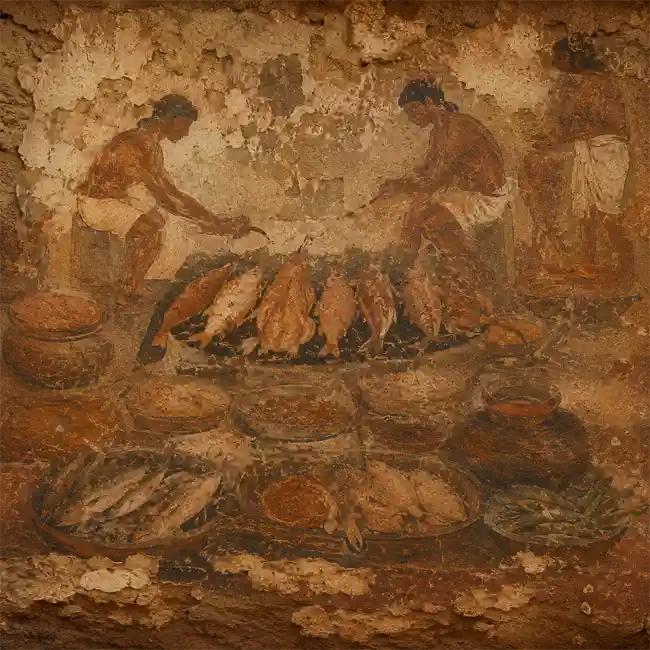
🛕 📜 The Storyteller’s Intro: 5,000 Years of Ancestral Flavors
Hey there, fellow food lovers and history nerds! Have you ever stood over a sizzling grill or a wood-fired oven, smelled that incredible smoky aroma, and wondered who first decided that fire plus meat equaled pure magic? Today, we are taking a massive leap back in time—about 5,000 years, to be exact. We are stepping straight into the bustling brick-paved streets of Mohenjo-Daro, one of the greatest urban centers of the ancient Indus Valley Civilization.
To give you a little context, when we talk about the Indus Valley, we are talking about a civilization that flourished alongside ancient Egypt and Mesopotamia. History generally splits the Indus Valley story into three distinct phases: the Early Harappan Phase (roughly 3300 BCE to 2600 BCE), where small agricultural communities began organizing and experimenting with craft and cooking; the Mature Harappan Phase (around 2600 BCE to 1900 BCE), which is the absolute golden age of Mohenjo-Daro featuring sophisticated city planning, monumental public baths, and booming hearth-based culinary traditions; and finally, the Late Harappan Phase (1900 BCE to 1300 BCE), a period of gradual decline and climate shifts where communities dispersed but carried their rich food knowledge with them.
During that glorious Mature Phase around 2500 BCE, Mohenjo-Daro was a thriving hub of culture and gastronomy. Unlike civilizations that built towering monuments to single rulers, the people of the Indus Valley invested heavily in civic comfort, home life, and communal wellbeing. And at the absolute center of every household and neighborhood courtyard was the domestic hearth. Cooking back then wasn't just a daily chore; it was an art form driven by clay ovens, glowing charcoal coals, and deep hearth pits.
When you imagine hearth-roasted mains from Mohenjo-Daro, think of rich, savory meats slow-cooked over burning hardwood, infused with wild herbs, turmeric, mustard seeds, and ancient grains. The aroma floating through those sun-baked brick alleys must have been out of this world! They mastered the craft of balancing bold spices with local game, river fish, and farm-raised stock. So, grab your virtual passport and pull up a seat by the fire as we unearth the fascinating foodways of our distant ancestors.
📜 Iconic Excavated Menus: From Clay Tablets to Archaeobotanical Finds
While the Indus Valley script remains one of history’s most mysterious, undeciphered puzzles, archaeologists haven't left us empty-handed! Through advanced excavations, soil analysis, lipid residues left inside ancient terracotta pots, and charred seed remains, researchers have reconstructed the actual meals that sizzled on Mohenjo-Daro hearths. Here is a curated look at the iconic ancient mains identified through archaeobotanical and zooarchaeological discoveries across the region:
◦ 🔥 Brick-Hearth Roasted Zebu Beef: Large humped cattle (Zebu) were central to the Indus economy and diet. These choice cuts were seasoned with coarse sea salt, crushed wild mustard seeds, and ginger, then slow-roasted over deep open clay hearths until charred and tender.
◦ 🍖 Clay-Baked Wild Boar & Venison: Excavations in communal cooking zones revealed abundant game bones. These meats were wrapped in thick wild leaves, coated in moist river clay, and buried directly beneath hot charcoal coals to lock in natural juices and earthy aromas.
◦ 🐟 Smoked Riverine Catfish & Carp: Sourced directly from the massive Indus River system, fresh river fish were seasoned with early forms of turmeric and crushed garlic, then slow-smoked over aromatic hardwoods on raised clay grates.
◦ 🌾 Spiced Barley & Mutton Hearth Stew: A hearty main dish combining succulent cuts of local sheep or goat with whole cracked barley, green lentils, and aromatic herbs, simmered for hours in heavy, thick-bottomed earthenware cauldrons.
◦ 🍗 Tandoor-Style Marinated Fowl: Archaeologists discovered cylindrical clay ovens in Mohenjo-Daro that closely resemble modern tandoors. Wild fowl and domestic poultry were skewered on wooden stakes and roasted vertically over white-hot embers.
◦ 🧆 Roasted Pulse & Mustard Green Croquettes: For plant-forward mains, ancient chefs ground native pulses (like grass peas and chickpeas) into coarse pastes, mixed them with wild leafy greens and crushed cumin, and seared them over flat terracotta griddles.
🗺️ Ancient Culinary Tourism: Mapping Flavors to Historic Landscapes
If you were a traveler walking through the Indus Valley 5,000 years ago, your culinary journey would be dictated entirely by the breathtaking geography of the region. Today, the ruins of Mohenjo-Daro sit in Sindh, Pakistan, near the banks of the historical Indus River. Visiting this UNESCO World Heritage site today is like walking through a phantom metropolis of red mud-brick walls, intricate drainage networks, and ancient cooking quarters.
◦ 🏛️ Exploring the Great Bath & Citadel Precincts: The high citadel of Mohenjo-Daro wasn't just for administrative affairs; it was surrounded by grand residential structures equipped with private kitchens and communal hearth zones where large-scale banquets were held.
◦ 🌿 The Indus River Delta & Floodplains: The mighty river was the lifeblood of the civilization. It provided endless freshwater fish, waterfowl, and fertile silt that fed massive agricultural yields, forming the base of every daily main meal.
◦ 🏔️ The Foothill Foraging Zones: Traveling slightly north toward the Baluchistan hills brought ancient cooks access to wild game, aromatic pines, wild fruit trees, and mountain minerals that elevated basic hearth-roasted dishes into gourmet feasts.
◦ 🧱 Street-Side Courtyard Cooking: Mohenjo-Daro’s urban layout featured private inner courtyards open to the sky. Travelers would have smelled roasting meats and baking flatbreads wafting from every single doorway as families gathered for their evening meal.
🚣 The Indus Basin Sovereignty: Riverbed Agriculture
You can’t talk about Mohenjo-Daro's incredible hearth-roasted mains without talking about the extraordinary agricultural power of the Indus Basin. Just like the Nile nourished Egypt and the Tigris-Euphrates fed Mesopotamia, the Indus River created a agricultural paradise that sustained thousands of urban citizens without modern technology.
◦ 🌾 Double-Cropping Mastery: The farmers of Mohenjo-Daro were absolute geniuses. They utilized a sophisticated winter and summer cropping cycle. In the winter, they grew wheat, barley, and mustard; in the summer, they harvested sesame, millets, and pulses. This constant food surplus meant kitchens were always stocked with fresh ingredients.
◦ 🌱 The Birthplace of Turmeric & Ginger Usage: Microscopic starch grain analysis from ancient Indus cooking pots has proven that the people of Mohenjo-Daro were among the very first humans on Earth to combine ginger and turmeric in cooked dishes. This iconic combination formed the structural backbone of their savory marinades!
◦ 🚜 Domestication of Livestock: Beyond farming grains, the Indus people raised zebu cattle, water buffalo, sheep, and goats. Livestock provided rich dairy products like early forms of clarified butter (ghee), which was brushed liberally over roasting meats to create an irresistible, glistening crust.
◦ 🏺 Terracotta Storage Infrastructure: Massive public granaries and specialized ceramic vessels ensured that even during dry seasons, kitchens had a steady supply of oilseeds, grains, and dried herbs to pair with hearth-roasted game.
🏜️ Oasis & Trade Route Banquets: Caravan Luxuries
Mohenjo-Daro wasn't an isolated city living in a bubble; it was a global trade superpower of the Bronze Age! Trade caravans traveled over rugged mountain passes and across coastal sea routes to swap goods with Mesopotamia (who called the Indus region Meluhha), the Arabian Peninsula, and Central Asia. This vibrant trade network transformed everyday hearth cooking into a display of international luxury.
◦ ✨ Exotic Spices from the Foothills: Merchants brought back exotic wild spices, sweet resinous herbs, and aromatic woods from distant mountain ranges to build fragrant fires that imparted unique flavors to roasting meats.
◦ 💎 Lapis Lazuli & Coastal Shell Trade: Wealthy merchant families who managed international trade routes held lavish homecoming banquets featuring rare river fish, whole roasted kid goat, and rich grain pilafs seasoned with imported sea salt.
◦ 🐫 Desert Edge Caravan Stops: Traders traveling across the arid borders between the Indus Valley and the Iranian Plateau relied on hearth-roasted dried meats, spiced roasted pulses, and hard-baked grain cakes that could survive long desert journeys.
◦ 🏺 Imported Oils & Sweet Aromatics: Mesopotamian clay tablets mention receiving timber, carnelian beads, and precious oils from Meluhha. In return, Indus chefs integrated foreign aromatics and specialty fats into their roasting marinades.
🖐️ Ancient Civilization FAQ: Unlocking Palace Kitchen Mysteries
Q1: Did the people of Mohenjo-Daro use curry powder like modern South Asian cuisine?
A: Not in the modern commercial sense, but they created the ancient blueprint for it! Archaeologists analyzed leftover residue in 4,500-year-old ceramic cooking pots and discovered traces of cooked turmeric, ginger, garlic, cumin, and sea salt. So while "curry powder" didn't exist, the exact core flavor combination we love today was already sizzled on Mohenjo-Daro hearths thousands of years ago!
Q2: How did ancient cooks roast large meats evenly without modern metal appliances?
A: They were masters of heat distribution! They used thick terracotta roasting trays, wooden skewers soaked in water, and specialized underground pit ovens lined with heat-retaining clay bricks. By burning dense hardwoods down to glowing white coals, they created an even, radiant heat ideal for slow-roasting large cuts of meat without burning the exterior.
Q3: Was meat a daily food for everyone in Mohenjo-Daro?
A: Evidence suggests the Indus Valley diet was amazingly balanced and diverse. While meat like zebu beef, mutton, river fish, and poultry played a massive role in hearth-roasted main dishes—especially during festivals and family gatherings—everyday meals also relied heavily on barley flatbreads, lentil stews, dairy, and roasted pulses.
🧠 Final Thoughts: The Timeless Allure of Antique Gastronomy
Stepping back to explore the foodways of Mohenjo-Daro reminds us of a fundamental truth: human beings have always gathered around the fire to share good food, tell stories, and connect with one another. Long before modern stove tops, stainless steel pots, or digital temperature probes, our ancestors in the Indus Valley were perfecting flavor profiles, mastering charcoal heat, and blending wild herbs to create deeply satisfying, hearth-roasted meals.
There is something deeply grounding about realizing that the simple act of searing a piece of meat or roasting spiced vegetables over an open flame links us directly to men and women who lived 5,000 years ago along the banks of the Indus River. Their culinary ingenuity paved the way for modern regional flavors, proving that true passion for food is completely timeless.
If you enjoyed this deep dive into Bronze Age flavors, stay tuned! We will soon be releasing fully reconstructed, step-by-step home recipes inspired by these ancient archaeological finds so you can bring the legendary hearth-roasted aromas of Mohenjo-Daro right into your modern kitchen.
🏛️ Credit to the Keepers of the Culture (The Legacy)
We extend our deepest respect and gratitude to the generations of archaeologists, historians, bioarchaeologists, and botanical researchers whose painstaking field work has brought the world of Mohenjo-Daro back to life. Special thanks go to pioneering institutions like the Archaeological Survey of India, the Department of Archaeology and Museums of Pakistan, and international research teams from around the globe who continue to analyze starch grains, excavate ancient brick hearths, and preserve the magnificent heritage of the Indus Valley Civilization for future generations.
🏛️🍖 Unearthing Indus Secrets: The 5,000-Year-Old Sacred Spiced Roast
👉 Explore Mohenjo-Daro’s Hearth-Roasted Mains
| 🌐 🏛️🍖 < Back | 🛕 🌾 < Previous | Next > 🍲 🛕 |