
🏠 Home > 🗺️ Recipes > 🏛️🍯 Wild Earth Sweets & Foraged Bites > 🛕 Mohenjo-Daro: Wild Earth Sweets & Foraged Bites Recipes
🛕 🏛️🍯 Mohenjo-Daro: Wild Earth Sweets & Foraged Bites Recipes
Published by Supakorn | Updated: July 2026
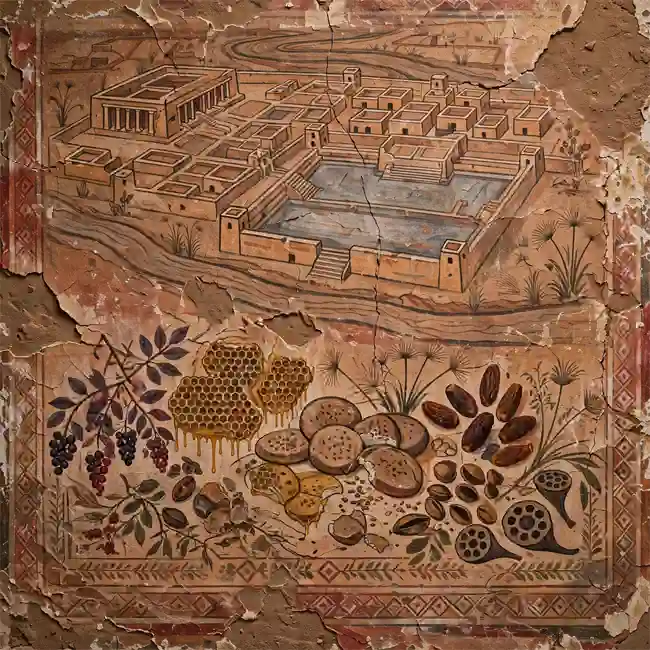
🛕 📜 The Storyteller’s Intro: 5,000 Years of Ancestral Flavors
Hey friend, let’s time-travel for a second. Forget your modern dessert aisle for a moment and imagine standing on top of the Great Bath of Mohenjo-Daro around 2600 BCE. The air smells like baked earth, river silt from the Indus, and sweet smoke from a communal clay oven.
So how old are we talking here? Mohenjo-Daro isn’t just old, it’s ancient-ancient.
• The Timeline: We are looking at the Mature Harappan Phase, roughly 2600 to 1900 BCE. That’s a solid 5,000-year jump back from your kitchen today. This is one of the three cradles of civilization, right alongside Egypt and Mesopotamia.
• The Three Eras You Should Know: Archaeologists break the Indus Valley Civilization into three delicious layers. First is the Early Harappan Phase (3300-2600 BCE) – villages learning to farm barley and herd zebu cattle. Second, the star of our show, the Mature Harappan Phase (2600-1900 BCE) – the urban boom where Mohenjo-Daro became a metropolis of 40,000 people with perfect grid streets, drainage systems, and serious food storage. And third, the Late Harappan Phase (1900-1300 BCE) – when the rivers shifted and people started migrating, carrying their food knowledge with them.
What’s wild is that these people didn’t have refined sugar. Not even close. So what did “sweet” even mean? For them, sweetness was wild. It was earned. It came from sun-dried wild jujube berries, sticky date palm pulp, reduced wild honey, and the caramelized crust of barley cakes left a little too long on the hot stone. This is the real origin story of dessert – no palace, just earth, fire, and foraging smarts.
📜 Iconic Excavated Menus: From Clay Tablets to Pharaoh Tombs
Okay, let’s get to the good stuff. We don’t have a written cookbook from Mohenjo-Daro – their script is still undeciphered – but we have something cooler: science. Archaeobotanists found carbonized seeds, pot residues, and granary storage that tell us exactly what they were eating. Think of this as the menu reconstructed from the ground up.
🍯 The Wild Earth Pantry – What Archaeology Found
• Barley & Wheat Laddus: The undisputed king. Not the modern ghee-fried version, but roasted barley flour bound with concentrated wild honey and crushed sesame.
• Wild Jujube (Ber) Conserve: Small, tart-sweet wild berries found in massive quantities in storage jars. They were sun-dried and pounded into a sweet-sour paste – basically the world’s first fruit leather.
• Date Palm & Sesame Blocks: Evidence of date palm cultivation and huge sesame caches. Imagine a chewy, nutrient-dense bar made of pounded dates and toasted sesame seeds.
• Honey-Glazed Lotus Seeds: The Great Bath wasn’t just for bathing. Lotus and water chestnuts grew nearby. Roasted lotus seeds drizzled with wild cliff honey were likely a ritual and everyday treat.
• Millet & Mustard Sprout Bites: A savory-sweet balance. Sprouted millets were slightly sweet naturally and were formed into small cakes with mustard seeds.
• Fig and Banyan Berry Mash: Wild figs collected from the riverine forests, mashed with banyan berries and stored in black-and-red ware.
🏺 The Clay Jar Evidence
• Residue analysis from large storage vessels in the Citadel area shows traces of degraded beeswax and fruit acids – a clear sign of honey-preserved fruits.
• Grinding stones across almost every house show starch grains of barley, wheat, and little millet, always mixed with wild seeds.
• Fire altars contain charred jujube pits and date stones, suggesting they were offered as sweets to deities or ancestors.
This was not food for showing off. This was survival food that happened to taste incredible – high energy, long shelf life, made from what the wild earth gave you.
🗺️ Indus Valley Ancient Culinary Tourism: Mapping Flavors to Historic Landscapes
If you go to Mohenjo-Daro today – now a UNESCO World Heritage Site in Sindh, Pakistan – you’re not just seeing bricks. You’re seeing the world’s first food district.
Let me paint the food map for you:
• The Great Granary Stop: This massive building wasn’t just storage; it was the ancient central kitchen’s brain. Stand there and you can almost see porters bringing in baskets of barley and jujube. This is where you start your flavor pilgrimage.
• The Great Bath & The Sacred Forage: Right next to the Granary. The water wasn’t just sacred; it sustained the wild edible water plants. Locals around Larkana still forage singhara (water chestnut) the same way.
• The Lower Town Kitchen Lanes: The real magic. In the Lower Town, every house had a similar kitchen layout with a clay tandoor-like oven and a grinding courtyard. Walk the grid streets and you’re walking through an ancient food court.
• Modern Foraging Connection: The best culinary tourism experience today is not in the ruins, but around them. In the villages of Sindh, women still make Bor Kuti – sun-dried wild jujube powder mixed with jaggery – a direct descendant of the Indus treat.
Pro tip for travelers: Visit during winter. The wild jujube trees around the Indus floodplain fruit between December and February, and you can taste the exact wild sweet that a Harappan child would have snacked on 5,000 years ago.
🚣 The Indus River Sovereignty: Riverbed Agriculture
You can’t talk about Mohenjo-Daro sweets without talking about the river. The Indus wasn’t just a river; it was the boss, the grocery store, and the delivery truck all in one.
• Why The River Made Dessert Possible: The annual Indus inundation left behind incredibly fertile silt. No fancy irrigation needed. This silt gave them bumper crops of barley and wheat, which meant they had surplus – and surplus is what allows you to experiment with sweets instead of just surviving.
• The Forager-Farmer Hybrid Life: They were masters of both worlds. They farmed barley in the floodplain but foraged wild dates, lotus rhizomes, wild jujube, and wild honey from the riverine forests that lined the Indus. It was a 50/50 lifestyle.
• The Granary Culture: Their wealth wasn’t gold, it was grain. The massive granary could feed the city for months. This food security is the reason their sweets were earthy and stored, not delicate. Think dried, pounded, preserved – foods designed to last through the hot summer.
• Kitchen Tech That Still Works: They used large, black-slipped jars sealed with clay to store honey and fruit pastes, preventing fermentation. And their circular clay grinders are almost identical to the chakki still used in Sindh villages today.
This riverbed agriculture created a cuisine that was humble, smart, and incredibly sustainable. Zero waste. Everything wild was used.
🏜️ Oasis & Desert Trade Route Banquets: Caravan Luxuries
Now, here’s where it gets luxurious. Mohenjo-Daro was not isolated. It was a trade superstar.
• The Caravan Sweet Exchange: Mohenjo-Daro traded with Mesopotamia, Afghanistan, and Balochistan. Lapis lazuli came in, but what went out? Cotton, and likely, preserved sweets. Imagine caravans leaving the city loaded with sesame-date blocks because they don’t spoil in desert heat – the perfect ancient energy bar.
• Desert Oasis Banquets: In places like Mehrgarh and the Thar Desert oases, traders would rest and share food. Mohenjo-Daro’s wild sweets were status foods there – honey was rarer than gold in the deep desert. A traveler offering honey-glazed lotus seeds was showing serious wealth.
• What Made It A Luxury? Wild honey. In a Bronze Age world, collecting wild cliff honey was dangerous work. It was reserved for rituals, for guests, and for sealing alliances. A sweet made with honey wasn’t just food; it was a diplomatic gift.
• The Banquet Scene: Archaeologists believe large courtyards in Mohenjo-Daro hosted communal feasts. No thrones, no kings – this was an egalitarian city. So sweets were shared, not hoarded. Everyone got a piece of the barley laddu. That’s a beautiful food culture right there.
If you’re planning a cultural route, follow the old trade path from Mohenjo-Daro to the Kirthar Mountains. You’ll still find nomadic communities making wild date and sesame confections that taste like history.
🧐 Ancient Civilization FAQ: Unlocking Palace Kitchen Mysteries
Q1: Did Mohenjo-Daro people really eat dessert if they had no sugar?
Absolutely, friend. They just redefined what sweet means. Sweetness came from sun-concentration, not refining. Drying a wild jujube in the Sindh sun for 3 days increases its natural sugars by 300%. Add wild honey – which is much more floral and complex than supermarket honey – and toasted sesame for nuttiness, and you have a dessert that is intensely sweet, but also earthy and smoky. It’s sweet with a story.
Q2: Is there any proof of actual sweet recipes or is this all guesswork?
It’s educated reconstruction, but very strong. We have three pillars of proof: archaeobotany (actual seeds and pits found), residue analysis (chemical traces of beeswax and fruit acids in pots), and ethnographic continuity (people in Sindh still make nearly identical foods today using the same tools). We may not have a clay tablet that says “take 2 cups of barley,” but we have the pantry itself.
Q3: What’s the biggest difference between Mohenjo-Daro sweets and Egyptian or Mesopotamian sweets?
Great question. Egypt was all about figs, honey, and luxury – pharaoh-focused. Mesopotamia was about date syrup and palace kitchens. The Indus difference is foraging and equality. Their sweets are wild, not cultivated orchard fruits, and they were found in every house, not just elite tombs. No royal bakeries. Every home was its own sweet shop. That’s uniquely Indus.
Q4: Can I still taste the real Mohenjo-Daro flavor today?
Yes, and you should. Look for three things in Sindh, Pakistan or in Kutch, India: Bor Kuti (wild jujube powder), Tilh Ladoo made with jaggery not sugar, and lotus seed snacks called Phool Makhana. If you buy the ones made with wild honey and sun-dried, not machine-dried, you are literally tasting 5,000 years of unbroken tradition.
🧠 Final Thoughts: The Timeless Allure of Antique Gastronomy
You know what blows my mind about Mohenjo-Daro: Wild Earth Sweets & Foraged Bites? It’s how modern it feels.
We talk today about foraging, zero-waste, natural sweeteners, and plant-based energy bites like we invented them. My friend, the people of Mohenjo-Daro were doing it 5,000 years before Instagram made it cool. Their sweets weren’t about indulgence; they were about intelligence – using what the wild earth freely gave, preserving it with sun and honey, and sharing it equally.
This isn’t just forgotten ancient recipes. This is a masterclass in sustainable living. Their kitchen didn’t fight nature; it listened to it.
In our next deep dive, I’m going to finally open the clay jars and reconstruct the full, step-by-step methods for these wild earth bites – the exact grinding techniques, the sun-drying times, the honey-to-barley ratios that archaeology hints at. We’ll make them in a modern kitchen, but with ancient soul.
Stay hungry for history.
🏛️ Credit to the Keepers of the Culture (The Legacy)
This exploration is built with deep respect for the original keepers of this knowledge.
• To the Archaeologists: Sir John Marshall and the Archaeological Survey of India teams who first excavated Mohenjo-Daro in the 1920s, and modern researchers at UNESCO.
• To the Scientists: Dr. Jennifer Bates and Dr. Ravindra Singh for their pioneering archaeobotanical work on Indus Valley food crops and wild foods that makes this article possible.
• To the Sindhi Communities: The families in and around Larkana, Sindh, who have kept the tradition of wild jujube, date, and sesame confections alive for 5,000 years without ever writing it down – true living heritage.
• To the Indus Valley Civilization itself: An egalitarian, brilliant, city-building culture that taught us that the wildest earth can give the sweetest bites.
All historical interpretations are based on peer-reviewed archaeological reports from the Mohenjo-Daro site and UNESCO documentation.
🏛️🍯 The Lost Sweetness of the Indus: How Mohenjo-Daro Preserved Honey for Eternity
👉 Discover Mohenjo-Daro Wild Sweets & Foraged Bites
| 🌐 🏛️🍯 < Back | 🛕 🍲 < Previous | Next > 🧪 🛕 |