
🏠 Home > 🗺️ Recipes > 👑🍱 Royal Court Side-Bites (Snacks) > 🇳🇿 New Zealand Royal Court Side-Bites (Snacks) Recipes
🇳🇿 👑🍱 New Zealand Royal Court Side-Bites (Snacks) Recipes
Published by Supakorn | Updated: September 2026
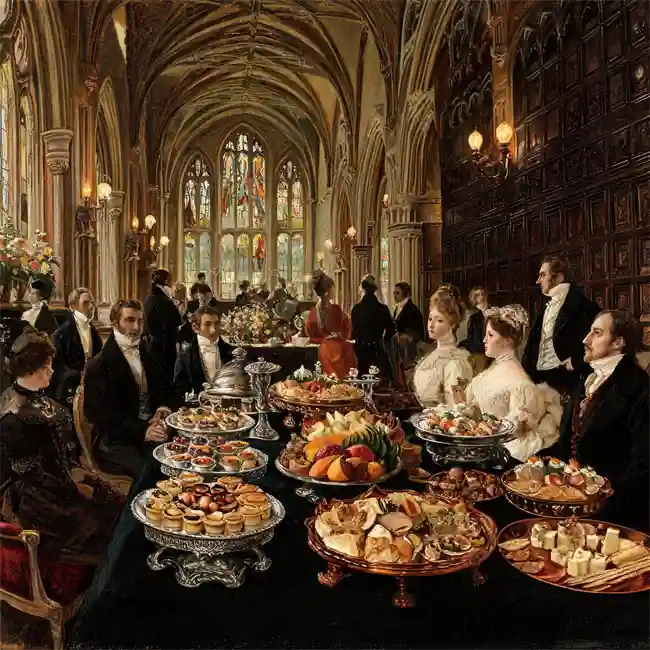
🤴📜 The Storyteller’s Intro: Secrets Beyond the Carved Storehouse
Imagine approaching a carved pātaka, or elevated food storehouse, as evening settles over Aotearoa. Inside are carefully guarded baskets of kūmara, dried seafood, preserved forest foods, and prized ingredients reserved for winter, ceremony, hospitality, or exchange. There is no gold-plated palace kitchen behind the door. The real treasure is knowledge: when to plant, where to gather, how to preserve abundance, and how to honour guests through food.
New Zealand does not possess an unbroken thousand-year royal-court cuisine comparable to the palace traditions of some older kingdoms. Polynesian ancestors of Māori reached Aotearoa around 1250–1300 CE, giving the country a documented culinary story of roughly seven centuries rather than a full millennium. The historically responsible title for this chapter is therefore chiefly and aristocratic heritage side-bites, not a claim about a continuous royal palace cookbook.
“Chiefly” is important here. Māori communities had rangatira—leaders whose standing rested on whakapapa, mana, responsibility, alliances, and service to their people. This social world should not be squeezed into a European idea of aristocracy. Prestige at the table came not simply from expensive ingredients, but from generosity, skilled preparation, seasonal knowledge, and the ability to feed visitors well.
The phrase hidden recipes is used as an invitation to explore overlooked food history. It does not suggest that every dish below was secretly recorded in a royal manuscript. Several names are editorial, archive-inspired titles created for this series. They evoke genuine ingredients and historical practices while waiting for future recipe pages to explain what is documented, what is reconstructed, and what is a modern interpretation.
🕰️ Four Eras in New Zealand’s High-Status Food Story
✦ Era One—Polynesian Settlement and Adaptation, c. 1250–1500: Early settlers carried kūmara, taro, hue, uwhi, and other valued plants from tropical Polynesia. Aotearoa’s cooler climate forced gardeners to innovate. Kūmara became especially important, while fishing equipment, seasonal calendars, storage systems, and cooking techniques were adapted to unfamiliar coastlines and colder conditions.
✦ Era Two—Regional Māori Food Systems, c. 1500–1769: Communities developed food traditions shaped by local waters, forests, soils, and climates. Coastal settlements could draw upon shellfish, fish, marine mammals, and seaweed. Inland communities relied on rivers, wetlands, gardens, birds, fernroot, and forest resources. Preservation helped turn seasonal abundance into lasting security.
✦ Era Three—Encounter and Colonial Transformation, 1769–1900: European settlement introduced wheat, potatoes, maize, pumpkins, cabbages, livestock, metal cookware, and new baking traditions. Māori communities adopted many ingredients rapidly, combining them with established systems of cultivation and hospitality. Settler households likewise began learning how local fish, birds, shellfish, and plants behaved in the kitchen.
✦ Era Four—National, Ceremonial, and Revival Cuisine, 1900–Present: Formal receptions, hotels, tearooms, community halls, marae kitchens, family gatherings, and modern restaurants created new settings for small savoury bites and sweets. Contemporary Māori chefs and food producers now reconnect native aromatics, customary knowledge, regional provenance, and modern presentation.
🥔 What Made a Bite Prestigious?
A prestigious morsel did not have to be tiny or decorative. Its status could come from rarity, seasonality, labour, preservation, or cultural meaning.
Kūmara required careful cultivation in a challenging climate. Gardens needed attention, and harvested roots had to be stored safely. The pātaka was therefore more than a pantry: it represented preparation, collective work, and food security. Some pātaka were richly carved, visibly expressing the importance of what they protected.
Preserved food carried its own distinction. Māori dried kūmara, fish, shark, eels, pipi, and other foods for lean seasons or exchange. In geothermal districts around Rotorua, hot rocks and naturally heated ground could assist food preparation and drying.
Hākari, or ceremonial feasting, transformed food into a language of welcome, alliance, remembrance, and reciprocity. Historical accounts describe communities carrying treasured foods such as tuna, aruhe, kūmara, shellfish, shark, and dried fish as gifts. The meaning lay in the relationships as much as in the menu.
🔐 The Archive-Inspired List of “Hidden” Side-Bites
✦ The Pātaka Kūmara Medallion: A small roasted kūmara round imagined with a savoury native-herb finish. Its story begins with cultivation, winter storage, and the prestige of a well-provisioned community.
✦ Waikato River Tuna Parcel: An editorial name for an eel-based bite inspired by inland waterways, customary harvesting, careful smoking, and the long relationship between river communities and tuna.
✦ Kaikōura Kōura Shell Bite: A coastal morsel inspired by the region’s famous crayfish and dramatic meeting of mountains and sea.
✦ Rotorua Steam-Basket Kūmara: A compact vegetable bite evoking geothermal cooking landscapes and the soft, earthy character associated with food cooked using retained heat.
✦ Pikopiko Forest Fold: A contemporary pastry-style concept featuring pikopiko fern shoots, prepared only through expert and culturally informed sourcing.
✦ Horopito Hearth Cake: A small savoury cake imagined with the warm, peppery impression of horopito.
✦ Kawakawa Garden Crisp: A modern heritage-inspired bite pairing a crisp base with the aromatic personality of kawakawa.
✦ Pōhā Coastal Treasure: A storytelling title inspired by southern systems of storing preserved food in kelp bags. It points toward ingenious preservation rather than pretending to reproduce a single court recipe.
✦ Colonial Kūmara Tartlet: A meeting of introduced pastry craft and an ingredient cultivated in Aotearoa centuries before European settlement.
✦ Whitebait Hearth Patty: A compact West Coast-inspired bite linked to estuaries, river mouths, seasonal harvests, and the social traditions surrounding local food.
✦ Bluff Oyster Shell Morsel: A southern delicacy whose prestige comes from cold waters, seasonality, and unmistakable regional identity.
✦ Marlborough Greenshell Spoon: A modern canapé-style interpretation of the region’s celebrated mussels, designed to let provenance lead the story.
✦ Matariki Harvest Cake: A respectful contemporary concept inspired by the period when harvest work had ended and food was stored for winter. Matariki is associated with remembrance, renewal, sharing, and the gathered abundance of land and water.
🗺️ The Royal Culinary Tourism: Mapping Flavors to Historic Landscapes
• New Zealand’s most compelling culinary map is not a chain of palaces. It is a living network of marae, gardens, pā sites, museums, river settlements, geothermal valleys, fishing towns, historic homesteads, markets, and contemporary Māori-led experiences.
• Begin in Waitangi and Northland, where food tourism can sit beside deeper learning about voyaging, encounter, Te Tiriti o Waitangi, and relationships between Māori and the Crown. Visitors should treat the region as a place of history and living culture, not simply a themed backdrop for a meal.
• Move south to Auckland, where urban dining brings together Māori, Pacific, British, Asian, and other culinary influences. Heritage side-bites here can feel cosmopolitan while remaining connected to kūmara, seafood, native aromatics, and local producers.
• Continue toward Waikato, a landscape of river systems, fertile ground, and Kīngitanga history. Pōtatau Te Wherowhero was chosen as the first Māori King in 1858, but Kīngitanga should not be turned into a fictional ancient palace-food narrative. It is a significant movement with its own history, purposes, and mana.
• In Rotorua, geothermal landscapes make the connection between earth and cooking immediately visible. Cultural experiences can introduce visitors to hāngī, in which retained heat in the ground cooks food slowly. Rotorua is widely recognised as an accessible destination for learning about Māori culture and this cooking tradition.
• Across Hawke’s Bay and the eastern North Island, fertile soils, orchards, coastlines, and agricultural history support a different style of heritage tasting. Small bites might bring together introduced fruits, local seafood, kūmara, and modern native-seasoning techniques.
• Crossing to the South Island reveals sharper regional contrasts. Marlborough is associated with greenshell mussels, Kaikōura with kōura, the West Coast with whitebait, and Southland with Bluff oysters. These foods turn a tasting route into a geographic lesson.
• Responsible culinary tourism asks more than “What can I taste?” It also asks who harvested the food, whose knowledge shaped its preparation, whether the ingredient is seasonal, and how the experience benefits its cultural and ecological guardians.
🚣 Cradle of Chiefly Delicacies—Rivers, Wetlands, and Coasts
• Aotearoa is an island country defined by water. Long coastlines, harbours, lakes, estuaries, and rivers produced highly regional systems of gathering and exchange.
• In the far north, sheltered bays and tidal zones supported shellfish gathering and fishing. A heritage itinerary might connect coastal walks, historic sites, waka traditions, and a carefully sourced seafood tasting.
• The Waikato River offers another story. Tuna could be harvested, cooked, dried, or preserved, turning a seasonal river resource into food capable of supporting hospitality and exchange. A modern tasting bite should identify its contemporary source and avoid presenting customary knowledge as anonymous folklore.
• Bay of Plenty and Ōhiwa Harbour add oysters and other coastal foods to the map. Their flavour belongs to tidal movement, clean water, and local stewardship as much as to kitchen technique.
• At Kaikōura, mountains descend dramatically toward a biologically rich ocean environment. The place name itself is commonly associated with eating kōura, and the region remains strongly linked with crayfish. Official tourism information identifies Kaikōura as a leading place to encounter this coastal delicacy.
• In Marlborough, mussels offer a natural side-bite format: compact, recognisable, and closely tied to marine provenance. The best heritage storytelling keeps preparation restrained and lets the location remain visible.
• Along the West Coast, whitebait connects estuaries, rivers, weather, seasonality, and local identity. A small whitebait patty may look simple, yet its historical interest lies in the landscape and community practices behind it.
• At the southern end of the country, Bluff oysters embody cold-water prestige. Their reputation demonstrates a recurring New Zealand pattern: the most celebrated ingredient often comes not from elaborate court ceremony but from a remote, powerful environment.
• Travellers should seek iwi-led cultural experiences, local guides, reputable museums, and harvesters who explain sustainability. That creates a richer journey than collecting famous dishes without their stories.
⛰️ Kingdom of Wild Aromatics & Heritage—Mountains, Forests, and Geothermal Country
• The inland pantry is quieter than the coast but no less fascinating. Forest margins, wetlands, gardens, volcanic soils, and alpine routes supplied aromatics, starches, birds, freshwater foods, and preservation knowledge.
• Kūmara country tells a story of adaptation. The ancestors of Māori brought tropical food plants across the Pacific, but Aotearoa’s climate demanded new cultivation and storage methods. Kūmara survived and became central, while several tropical crops struggled.
• Aruhe, the rhizome of bracken fern, was once a major source of starch. Its preparation required substantial labour and expertise. It should not be treated as an easy wild ingredient for casual experimentation; its value belongs within an informed historical account.
• Pikopiko, horopito, and kawakawa have become recognisable signals in contemporary New Zealand cuisine. Yet native ingredients are not automatically free for anyone to commercialise without context. Identification, safe preparation, land access, conservation, and acknowledgment of mātauranga Māori all matter.
• Rotorua’s geothermal landscape forms the most vivid inland culinary destination. Steam, mineral earth, bubbling pools, and heated ground create a sense that the land itself is participating in the meal. Visitors can combine a guided cultural experience with hāngī while learning that hāngī is a cooking method, not one fixed dish.
• Hamilton and the Waikato can deepen the garden story. Te Parapara at Hamilton Gardens is associated with traditional Māori gardening and offers a useful setting for understanding cultivated food plants and seasonal systems. Te Papa also notes the connection between Matariki, harvested garden foods, and storage for winter.
• Farther south, Te Waipounamu reveals specialised preservation traditions. Te Papa documents southern food-gathering knowledge associated with pōhā, the kelp bags used to hold preserved foods. Such technologies demonstrate that culinary prestige can reside in ecological intelligence and craftsmanship rather than decoration.
• A forest-and-mountain food journey should therefore move slowly. Walk with knowledgeable guides, visit cultural institutions, learn correct plant names, respect restricted places, and never gather native plants without permission and expert identification.
🏯 Royal FAQ: Unlocking Heritage Kitchen Mysteries
Q1.Did New Zealand have an ancient royal court with secret snack recipes?
Not in the conventional palace-kitchen sense. Māori society had rangatira and complex systems of status, obligation, hospitality, and ceremonial feasting. Kīngitanga began in the nineteenth century, with Pōtatau Te Wherowhero becoming the first Māori King in 1858. New Zealand also developed formal British colonial and national ceremonial dining, but there is no responsible basis for claiming a continuous thousand-year royal cookbook.
“Hidden recipes” is best understood as an editorial doorway into overlooked ingredients, preservation methods, regional foods, and high-status hospitality.
Q2.What separated chiefly food from everyday food?
Context often mattered more than a rigid ingredient list. Rare seasonal foods, preserved delicacies, the first produce of a harvest, labour-intensive preparations, and generous quantities could all carry prestige.
The host’s ability to care for guests enhanced mana. Food was connected with reciprocity and relationships, so a feast could communicate leadership more powerfully than an ornamental plate.
Q3.Are the named side-bites authentic historical recipes?
Some are modern editorial names built from documented ingredients, places, and techniques. They are not presented as verbatim recipes discovered in a palace archive.
Future individual recipe pages should label each item clearly as historically documented, historically reconstructed, or contemporary heritage-inspired. This distinction protects cultural credibility and meets reader expectations for trustworthy content.
Q4.How can travellers explore this heritage respectfully?
Choose Māori-owned or iwi-led experiences where possible.
Listen to local explanations rather than assuming one tradition represents every iwi or region.
Ask permission before gathering, photographing, or entering culturally significant places.
Check seafood seasons and conservation rules.
Learn correct place names and ingredient names.
🧠 Final Thoughts: The Timeless Allure of Aristocratic Gastronomy
New Zealand’s forgotten high-status foods do not lead us into a single guarded palace. They lead outward—to kūmara gardens, carved storehouses, steaming earth, forest paths, tidal flats, river channels, mountain-backed fishing towns, and tables built around hospitality.
That is precisely what makes this culinary history distinctive. Prestige was created through knowledge of season and place. Luxury could mean a preserved food opened at the right moment, a prized coastal harvest carried inland, or enough stored kūmara to welcome a large gathering.
Our future recipe map will follow those landscapes one bite at a time. The Pātaka Kūmara Medallion will explore cultivation and storage. The Waikato River Tuna Parcel will follow inland waterways. The Kaikōura Kōura Shell Bite will face the Pacific, while the Pikopiko Forest Fold and Horopito Hearth Cake will enter the aromatic world of contemporary native ingredients.
Each future page should reveal its evidence level, regional connection, cultural context, ingredient safety, and modern interpretation. No invented royal manuscript will be passed off as fact. The mystery will come from rediscovery, not misinformation.
Bookmark this heritage trail and return as the individual recipes are released. The pātaka door has only just begun to open.
👑 Credit to the Keepers of the Culture—The Legacy
This story acknowledges Māori as tangata whenua and recognises that mātauranga Māori, whakapapa, manaakitanga, mahinga kai, cultivation, gathering, preservation, and hospitality remain living bodies of knowledge.
Respect is due to iwi, hapū, whānau, kaumātua, cooks, growers, fishers, cultural educators, language specialists, archivists, historians, museums, and conservation workers who protect these traditions and environments.
Māori culinary culture is not a single national recipe book. Names, ingredients, permissions, preparation methods, and meanings can differ among iwi and regions. Local authority should always take priority over a generalised retelling.
Contemporary chefs deserve acknowledgment when they transform heritage ingredients into new side-bites. Innovation becomes more credible—not less—when it is honestly identified as modern.
Visitors and publishers share responsibility too: credit sources, preserve macrons in Māori words, avoid unsupported “ancient secret” claims, seek permission where appropriate, and support the communities whose culture creates the experience.
The greatest tribute is not to freeze New Zealand food in an imagined aristocratic past. It is to recognise a living culinary legacy—rooted in land and water, renewed through hospitality, and carried forward by its rightful guardians.
👑🍱 The Lost Culinary Legacy of Colonial New Zealand: 19th-Century Estate High Society
👉 Master Ultimate New Zealander Royal Court Side-Bites
| 🌐 👑🍱 < Back | 🇳🇿 👑🍞 < Previous | Next > 🥘👑 🇳🇿 |