
🏠 Home > 🗺️ Recipes > 👑🍞 Artisan Royal Breads (Breads) > 🇳🇿 New Zealand Artisan Royal Breads (Breads) Recipes
🇳🇿 👑🍞 New Zealand Artisan Royal Breads (Breads) Recipes
Published by Supakorn | Updated: September 2026
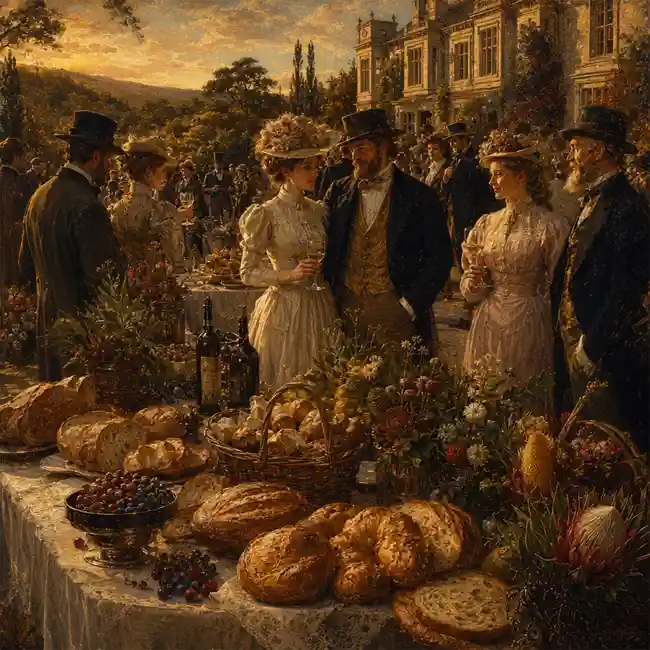
🛎️📜 The Storyteller's Intro: Two Bread Traditions, One Island Nation
Okay, let's get one thing straight from the start — New Zealand doesn't have castles, crowns, or centuries of royal bakers fussing over palace ovens. What it does have is something arguably more interesting: two completely different bread stories that grew up side by side on the same small islands, each shaped by necessity, geography, and a whole lot of resourcefulness.
The first story belongs to the Māori, whose ancestors arrived in Aotearoa roughly 700-800 years ago and developed their own food traditions long before European ships ever appeared on the horizon. Bread wasn't originally part of that picture — but once potatoes and wheat flour arrived through early trade with European sealers and whalers in the early 1800s, Māori cooks did something brilliant. They took the new ingredients and built something entirely their own: a wild-fermented, tangy, hearty bread called rewena, made using a fermented potato starter instead of commercial yeast. No imported recipe book, no borrowed technique — just clever adaptation passed down through generations of home kitchens and marae gatherings.
The second story starts a little later, with the British and European settlers who began arriving in bigger numbers from the 1840s onward. These weren't aristocrats with private chefs — they were farmers, gold-diggers, gum-diggers, and station hands trying to make bread with whatever they had, wherever they'd landed, often hundreds of kilometers from the nearest town bakery. Their loaves were simple, practical, and built for survival: dense cob loaves baked in camp ovens, dampers cooked over open fires, and station bread meant to last through long working weeks in isolated high country.
Two very different histories. Two very different sets of hands. But both traditions share the same thread — bread as something made from necessity, shaped by the land, and passed down not through royal decree, but through family memory. That's the story we're digging into here.
🌿 Māori Heritage Breads
✦ Rewena Bread (Māori Potato Bread)
A traditional sourdough-style bread born from a fermented potato "bug" starter, passed down through generations of Māori kitchens. Slightly tangy, dense, and deeply tied to marae gatherings and family tables across Aotearoa.
✦ Rewena Paraoa (Wild Yeast Potato Loaf)
The wild-fermented cousin of modern sourdough, made long before commercial yeast reached New Zealand shores. Its distinct sour note and hearty crumb reflect resourceful home-baking traditions of rural Māori communities.
🇬🇧 Settler & Colonial-Era Breads
✦ Colonial Cob Loaf
A rustic round loaf reminiscent of 19th-century British settler kitchens, baked in wood-fired camp ovens during the early goldfield and farming days of New Zealand.
✦ Gumdigger's Damper Bread
Named after the kauri gum-digging communities of Northland, this simple flour-and-water bread was a staple for workers living far from town bakeries.
✦ High Country Station Loaf
Inspired by the hearty breads baked on remote sheep and cattle stations in the Southern Alps foothills, designed to sustain farmhands through long working days.
🗺️ The Culinary Tourism Trail: Mapping Flavors to Historic Landscapes
If you're the kind of traveler who likes your food with a side of history, New Zealand's bread trail doubles as a pretty fascinating cultural map. Here's how the flavors connect to the places:
• Northland's coastal communities — home to some of the earliest contact between Māori and European traders, and the likely birthplace of early rewena experimentation.
• The Waikato and Bay of Plenty regions — fertile farming land where both potato cultivation and Māori settlements flourished side by side, making it a natural hub for rewena bread traditions.
• Otago and the South Island goldfields — where 1860s gold rush settlers baked rough-and-ready loaves in makeshift camp ovens between shifts panning for gold.
• The Canterbury high country and Southern Alps foothills — remote sheep and cattle stations where station bread became a weekly ritual, baked in bulk to feed hungry farmhands.
• Northland's kauri gum fields — isolated gumdigger camps where simple flour-and-water dampers were often the only bread available for weeks at a time.
Each of these regions tells part of the bread story, and each is worth a visit if you want to taste (or at least understand) where these traditions actually came from.
🚣 Cradle of Coastal & River Traditions
New Zealand's coastal and river regions were where the two food cultures first really mixed. Early European sealers, whalers, and traders moving along the coastline brought flour, potatoes, and other imported staples that Māori communities incorporated into their own cooking methods.
• This is generally considered the birthplace of rewena bread, since the fermented potato starter technique likely developed in coastal and riverside settlements where potato cultivation took hold quickly.
• River access made trade easier, meaning these communities often had earlier and more consistent access to wheat flour compared to more isolated inland areas.
• Many of these coastal settlements remain culturally significant today, with marae communities still preparing rewena bread using methods passed down through family lines rather than written recipes.
• For travelers, coastal regions like Northland offer some of the most direct connections to this food history, often through community events, markets, and marae visits where traditional baking is still practiced.
It's a great reminder that some of the most interesting food traditions come not from grand kitchens, but from small communities adapting to whatever ingredients came their way.
⛰️ Kingdom of the High Country & Remote Frontiers
Head inland and up into the mountains, and you get a completely different bread story — one shaped by isolation, hard labor, and the simple need to keep working crews fed.
• High country sheep and cattle stations in the Canterbury and Otago regions often baked bread in massive batches to last farmhands through entire working weeks, since trips to town for supplies were rare.
• Goldfield settlements of the 1860s produced their own rustic bread culture — miners baked dense, no-fuss cob loaves in cast-iron pots buried in hot coals, since proper ovens simply weren't available.
• Kauri gum-digging camps in Northland relied on the simplest bread of all — a basic damper made from flour, water, and salt, cooked directly over an open fire because that's all the equipment allowed.
• These remote-frontier breads weren't about flavor sophistication; they were about calories, shelf life, and getting a hot meal into hardworking hands at the end of a long day.
If coastal bread traditions were about early cultural exchange, high-country bread was about pure survival — and honestly, there's something pretty compelling about food that had to work that hard just to exist.
🕌 FAQ: Understanding New Zealand's Bread Heritage
Question 1.Is rewena bread the same as sourdough?
Sort of, but not quite. Rewena uses a fermented potato starter (sometimes called a "bug") instead of the flour-and-water starter used in traditional European sourdough, giving it a distinct tang and denser texture.
Question 2.Did Māori have bread before Europeans arrived?
No — bread as we know it wasn't part of pre-contact Māori cuisine, which relied on foods like kumara, fish, and birds. Rewena developed specifically after potatoes and flour were introduced through early European contact.
Question 3.Why is settler-era bread so simple compared to European bread traditions?
Most early settlers in remote parts of New Zealand didn't have access to proper ovens, consistent flour supplies, or established bakeries, so their bread had to be practical and improvised rather than refined.
Question 4.Can you still find these breads in New Zealand today?
Yes — rewena bread in particular is still baked in many Māori communities and has found its way into cafés and bakeries around the country, often alongside modern interpretations of settler-era loaves.
🧠 Final Thoughts: The Quiet Power of Everyday Bread
There's no palace kitchen at the center of this story, and honestly, that's what makes it worth telling. New Zealand's bread heritage isn't about grandeur — it's about two very different groups of people, working with limited ingredients in tough conditions, quietly creating food traditions that outlasted the circumstances that created them.
Rewena bread survived because families kept the starter alive and kept baking, generation after generation. Settler-era loaves survived in memory and in modern reinterpretations at bakeries and cafés that want to honor where their country's food actually came from. Neither needed a crown to matter.
If this kind of deep-dive into food history and place is your thing, keep an eye out — there's more coming that gets into the specific techniques, starters, and step-by-step methods behind these breads themselves.
👑 Credit to the Keepers of the Culture
Rewena bread and its fermentation techniques belong to Māori culinary tradition, developed and preserved by Māori communities across generations. Any discussion of this bread is offered with respect for its origins and the families and communities who have kept the practice alive.
Likewise, the settler-era bread traditions described here reflect the resourcefulness of early European farming, mining, and frontier communities in New Zealand, whose everyday cooking — however humble — helped shape the country's food identity.
This piece aims to inform and celebrate, not to claim ownership over traditions that belong to the people who created and sustained them.
👑🍞 500-Year Culinary Secrets Behind New Zealand’s Forgotten Heritage Breads
👉 Unlock Authentic New Zealander Artisan Royal Breads
| 🌐 👑🍞 < Back | 🇳🇿 👑🥗 < Previous | Next > 🍱👑 🇳🇿 |