
🏠 Home > 🗺️ Recipes > 🍲 Soups > 🇵🇦 Panama Soups > 🍲 1.Sancocho Panameño , 2.Guacho de Mariscos , 3.Sopa de Lentejas
🍲 From Broth to Bowl: Mastering Essential Panamanian Soup Recipes
Published by Supakorn | Updated: February 2026
✨ Culinary Warmth: Why Panamanian Soups Are the Ultimate Comfort
Hey there, comfort food connoisseur! When you think of a country that connects two continents, you might think of logistics and tropical beaches. But when you look deeper into Panama's culinary soul, you find a world built around the most comforting dish imaginable: soup. In Panama, soup isn't a starter; it's the main event, the cure-all, and the centerpiece of the family table.
Panamanian soups and stews are a brilliant showcase of the country’s history. They combine the slow-simmering traditions of Spain, the hearty root vegetables of indigenous cultures, and the fragrant spices and seafood mastery from the Afro-Caribbean influence. The result is something profoundly satisfying—a meal that hydrates, nourishes, and warms you from the inside out, regardless of the tropical humidity outside.
While the rest of the world might be busy with quick meals, Panamanian food celebrates the process. These soups demand time—time for the root vegetables (ñame, yuca) to soften, time for the chicken to yield its flavor, and time for the all-important culantro to fully perfume the broth. This patience is what turns simple ingredients into golden, restorative bowls of goodness.
This guide is your passport to mastering three of the most essential and beloved Panamanian soups. These are the recipes that define the country’s kitchen and are guaranteed to become your new favorite comfort meals:
🐓 1.Sancocho Panameño: The undisputed national chicken and root vegetable soup.
🐓 2.Guacho de Mariscos: The creamy, coastal seafood and rice stew.
🐓 3.Sopa de Lentejas: The hearty, nourishing lentil soup staple.
Ready to fill your kitchen with the aroma of the Panamanian coast? Grab your heaviest pot and let’s start simmering!

🇵🇦 Recipe 1: Sancocho Panameño – The National Dish
🐓 About this Recipe: The Healing, Herbaceous Chicken Broth
Sancocho Panameño is not just a soup; it's a cultural institution. It’s known as the ultimate comfort food, the go-to remedy for everything, and the most fiercely protected recipe in the country. It is defined by its simple, clear chicken broth, the inclusion of chunky root vegetables (especially ñame or taro root), and the non-negotiable presence of fresh culantro (a strong, saw-tooth coriander). Sancocho is savory, herbaceous, and incredibly light yet filling. It’s typically served with a side of plain white rice to spoon into the broth.
📝 Ingredients & Measurements
For the Sancocho:
• 8 Bone-in Chicken Pieces (thighs and drumsticks): The bones are crucial for making a rich, flavorful broth.
• 1 large White Onion: Roughly chopped for the broth base.
• 1 head of Garlic: Crushed or roughly chopped.
• 2 teaspoons of Salt and 1 teaspoon of Pepper: Essential seasoning, adjust to taste.
• 8 cups of Water: Starting liquid for the broth.
• 2 pounds of Assorted Root Vegetables: A mixture of ñame (taro/yam) and yuca (cassava), peeled and cut into large chunks.
• 1 whole bunch of Fresh Culantro (recao): About 1 cup when chopped—this is the secret ingredient!
• 1 large Corn on the Cob: Cut into 2-inch pieces (optional but traditional).
• 2 Green Plantains: Peeled and cut into thick slices (optional, adds starch).
For Serving:
• Lime Wedges: Essential for adding acidity at the table.
• Cooked White Rice: Served on the side.
👩🍳 Step-by-Step Instructions
1.Start the Broth: In a large, heavy pot or Dutch oven, combine the chicken pieces, chopped onion, crushed garlic, 2 teaspoons of salt, and 8 cups of water. Bring to a rapid boil, then immediately reduce the heat to a low simmer. Skim off any foam that rises to the surface.
2.Simmer the Flavor: Cover the pot partially and let the chicken simmer gently for 45 minutes. This develops the rich chicken stock.
3.Add Starches: Add the chunks of ñame and yuca. If using, add the corn on the cob and green plantain slices. Continue simmering until the root vegetables are tender—this usually takes another 20 to 30 minutes. They should be fork-tender but not falling apart.
4.The Culantro Infusion: Once the roots are tender, stir in the entire bunch of chopped fresh culantro. Let it simmer for only 5 to 10 minutes—you want the flavor to bloom but not become bitter.
5.Final Seasoning: Taste the broth and adjust the salt and pepper as needed. The sancocho should have a pronounced herbaceous and savory flavor.
6.Serve: Ladle the hot soup, ensuring everyone gets chicken, root vegetables, and plenty of broth. Serve immediately with a side of white rice and fresh lime wedges for squeezing.
🌟 Tips & Mistakes to Avoid
• Don't Skip the Culantro: You cannot substitute cilantro (coriander leaves) for culantro (recao)—the flavors are totally different, and culantro is the soul of sancocho. Look for it at Latin or Asian markets.
• Keep the Broth Clear: Skimming the foam (impurities) early in the cooking process is key to getting that beautiful, clear golden broth.
• Timing the Roots: Root vegetables cook at different rates. Add the hardest ones (yuca) first, and ensure you cook them until they are soft, as they contribute starch and body to the broth.
• Serve with Lime: The acidity of the fresh lime juice squeezed over the hot broth at the table is mandatory; it perfectly brightens the savory, earthy flavors.
❓ FAQ
Q: Where can I find ñame and yuca?
A: Both are common root vegetables available in most large international supermarkets or Latin/Caribbean grocery stores. Ñame is a type of starchy yam, and yuca is also known as cassava.
Q: Can I use vegetable broth instead of water?
A: You can, but it's not traditional. The chicken bones provide the main flavor base. Using vegetable broth can sometimes make the sancocho overly heavy and compete with the culantro flavor.
Q: Can this be made ahead of time?
A: Yes, in fact, it often tastes better the next day! However, the starchy roots will continue to soften and may break down. You can prepare and refrigerate the broth/chicken, and add the culantro and roots later, or just reheat gently.
📝 Summary
Sancocho is Panamanian comfort distilled into a bowl. It’s simple, deeply satisfying, and a testament to how few ingredients, when treated with patience and the right herbs, can create an unforgettable, healing meal.
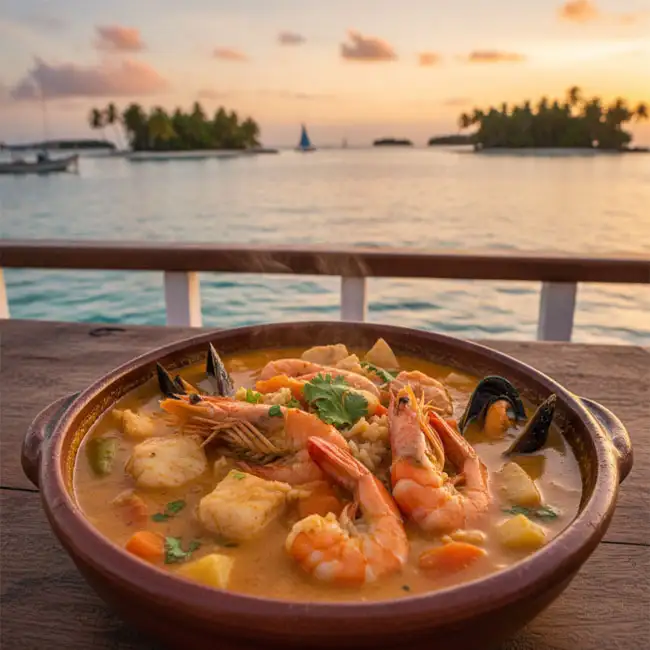
🌊 Recipe 2: Guacho de Mariscos – Coastal Rice and Seafood Stew
🍤 About this Recipe: The Creamy, Coastal, and Herby Risotto
Guacho is the name for a unique Panamanian rice stew, different from a thin soup. The rice is cooked in the broth until it is soft, creamy, and thoroughly incorporated, giving the dish a thick, luxurious, almost risotto-like consistency. The Guacho de Mariscos (Seafood Guacho) is a coastal delicacy, bursting with fresh seafood flavor, and often enhanced with a touch of achiote (annatto) oil for color. It's hearty, savory, and the perfect showcase for Panama's dual coastlines.
📝 Ingredients & Measurements
For the Guacho:
• 2 tablespoons of Neutral Oil: For starting the sofrito.
• 1/2 cup of Finely Diced Onion: Part of the aromatic base.
• 1/4 cup of Finely Diced Green Bell Pepper: Adds sweetness and depth.
• 4 cloves of Garlic: Minced.
• 1 teaspoon of Achiote Paste or Oil (Annatto): To give the guacho its beautiful, yellow-orange color.
• 1/2 cup of Tomato Sauce (or crushed tomatoes): For a rich red hue and acidity.
• 1/4 cup of Fresh Culantro (recao): Chopped, still essential for that authentic savory base.
• 6 cups of Seafood Broth: The flavorful liquid base.
• 1 cup of Short Grain White Rice: Or medium grain, rinsed; this starch makes the guacho creamy.
• 1 pound of Mixed Seafood: A combination of shrimp, squid, and firm white fish (like corvina), cleaned and chopped.
• 1/2 cup of Whole Milk or Coconut Milk: To add extra creaminess and coastal flavor.
• Salt and Pepper to Taste: Generous seasoning is needed for the seafood.
👩🍳 Step-by-Step Instructions
1.Prepare the Sofrito: In a large pot, heat the oil over medium heat. Add the diced onion, bell pepper, and garlic. Sauté gently until the vegetables are translucent, about 8 minutes.
2.Color and Base: Stir in the achiote paste/oil, tomato sauce, and chopped culantro. Cook for 5 minutes, stirring constantly, to deepen the flavors. This is your flavorful base.
3.Add Rice and Broth: Stir in the rinsed rice until well coated. Pour in the 6 cups of seafood broth. Bring the mixture to a boil.
4.Simmer and Thicken: Once boiling, reduce the heat to low. Cover partially and simmer for 30 to 40 minutes, stirring occasionally to prevent sticking. The rice should be very soft, and the liquid should be significantly reduced, giving the mixture a thick, creamy consistency.
5.Introduce Seafood: Add the mixed seafood and the 1/2 cup of milk (or coconut milk). Stir gently. Continue simmering for another 5 to 7 minutes, or until the shrimp are pink and the fish is flaky. Be careful not to overcook the seafood!
6.Finish and Serve: Taste and adjust seasoning with salt and pepper. Serve immediately while hot, often garnished with extra chopped culantro or a drizzle of lime juice.
🌟 Tips & Mistakes to Avoid
• Don't Use Too Much Water: Unlike sancocho, the goal here is to cook the rice until it swells and absorbs the liquid, creating a thick, soupy stew. Follow the liquid ratio carefully.
• Rinse the Rice: Rinsing the rice is important to remove some surface starch, which prevents the guacho from becoming a solid block of paste.
• Don't Overcook the Seafood: Seafood cooks very quickly! Add it toward the end of the process to ensure it remains tender and succulent, not rubbery.
• Coconut Milk is a Game Changer: Using coconut milk (especially on the Caribbean side) adds an authentic sweetness and richness that is highly recommended.
❓ FAQ
Q: Can I use chicken or beef instead of seafood?
A: Absolutely! This is a common variation. You would make Guacho de Pollo (Chicken) or Guacho de Rabo (Oxtail), using the respective meat broth and simmering the meat until tender before adding the rice.
Q: Where can I find achiote (annatto)?
A: Achiote comes as seeds, paste, or oil. You can find it in Latin, Caribbean, or sometimes specialty food stores. You can substitute a small amount of turmeric for color, but the flavor won't be quite the same.
Q: Should I add the seafood frozen?
A: It's best to thaw and pat dry the seafood before adding it to the guacho. Adding it frozen can release too much water, thinning out your beautiful thick stew.
📝 Summary
Guacho de Mariscos is a delightful, comforting taste of the Panamanian coast—a rich, creamy, and flavorful stew that makes the most of fresh catches and traditional seasoning techniques.
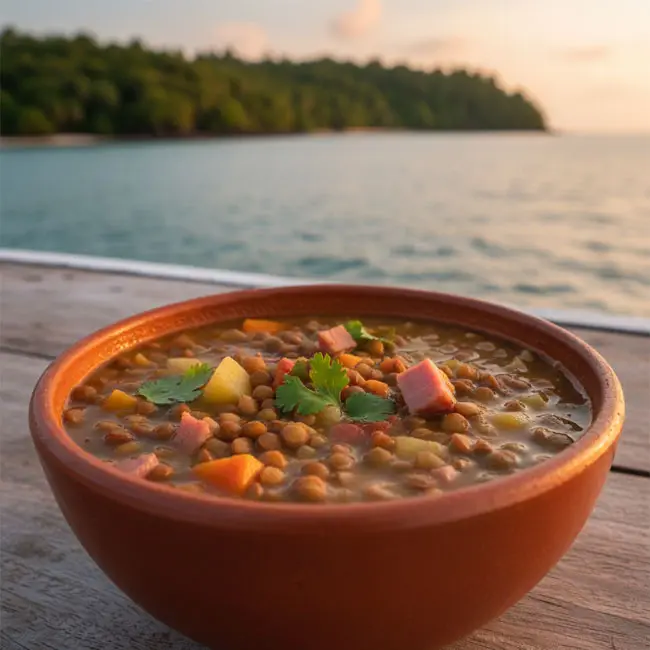
🥕 Recipe 3: Sopa de Lentejas – The Hearty Lentil Soup
🧅 About this Recipe: Economical, Hearty, and Flavorful
Sopa de Lentejas (Lentil Soup) is the ultimate everyday comfort soup in Panama. It’s an economical, nutritious, and incredibly hearty soup that often serves as the main meal for lunch. Unlike lighter lentil soups, the Panamanian version is robust and features large chunks of root vegetables, carrots, and often includes a flavorful piece of smoked meat (like ham hock or chorizo) for a deep, savory flavor. It's the perfect dish for a cooler day or when you need something genuinely filling.
📝 Ingredients & Measurements
For the Sopa:
• 1 cup of Brown or Green Lentils: Rinsed thoroughly.
• 6 cups of Water or Chicken Broth: The simmering liquid.
• 1/2 pound of Smoked Meat: Ham hock, smoked pork chop, or smoked sausage (optional, for flavor).
• 2 tablespoons of Olive Oil: For sautéing the vegetables.
• 1 large White Onion: Diced.
• 4 cloves of Garlic: Minced.
• 1 cup of Diced Carrots: For sweetness and color.
• 1 cup of Diced Potatoes: Adds body and starch.
• 1/2 cup of Tomato Sauce: For depth and color.
• 1 teaspoon of Dried Oregano and 1 teaspoon of Cumin: Key spices.
• Salt and Pepper to Taste: Lentils need plenty of seasoning.
• 2 tablespoons of Fresh Cilantro (Coriander): Chopped, for garnish (can use culantro if available).
👩🍳 Step-by-Step Instructions
1.Soak (Optional) and Rinse Lentils: While not strictly necessary, soaking the lentils for an hour reduces cooking time. Always rinse them thoroughly.
2.Sauté the Aromatics: In a heavy pot, heat the olive oil over medium heat. Add the diced onion and garlic, and sauté until the onion is soft, about 5 minutes.
3.Build the Base: Stir in the diced carrots and potatoes, tomato sauce, dried oregano, and cumin. Cook for 3 minutes, stirring well to toast the spices.
4.Simmer the Lentils: Add the rinsed lentils, the smoked meat (if using), and 6 cups of water or broth. Bring the soup to a boil, then reduce the heat immediately to a low, gentle simmer.
5.Cook to Tenderness: Cover partially and simmer for 45 to 60 minutes, or until the lentils are completely tender and starting to break down, naturally thickening the soup. The potatoes and carrots should also be very soft.
6.Finish and Serve: Remove the smoked meat (shred it and return it to the pot, discarding the bone). Taste and add plenty of salt and pepper. The soup should be thick and very savory. Serve hot, garnished with fresh cilantro or culantro.
🌟 Tips & Mistakes to Avoid
• Season Generously: Lentils can taste flat if not seasoned properly. Don't be shy with the salt and pepper, especially if you are using water instead of broth.
• Use Quality Smoked Meat: The smoked meat is primarily for flavor infusion, so using a good quality ham hock or smoked pork chop makes a huge difference in the final savory depth.
• Simmer Slowly: Like all good Panamanian stews, this needs a low, slow simmer. Fast boiling can break the lentils apart too quickly and make the soup mushy.
• Don't Add Salt Too Early: If you are using smoked meat or ham hock, be cautious with salt initially, as the smoked meat will release its own saltiness into the broth.
❓ FAQ
Q: Do I need to pre-cook the smoked meat?
A: No. The smoked meat (like a ham hock) is meant to simmer directly in the soup for the entire cooking time, allowing its smoky, savory flavor and fat to infuse the broth.
Q: Can I freeze Sopa de Lentejas?
A: Yes, it freezes beautifully! Because it’s so thick with lentils and starches, it may need a splash of water or broth when reheating, as it will thicken further upon thawing.
Q: What is a good vegetarian substitution for the smoked meat flavor?
A: To get a smoky flavor without meat, you can use a small amount of liquid smoke or smoked paprika added to the oil when sautéing the aromatics. Use vegetable broth instead of chicken broth.
📝 Summary
Sopa de Lentejas is proof that simple food can be the most satisfying. It’s a nourishing, flavorful, and thick soup that provides a delicious taste of Panamanian home cooking and feeds the soul.
🔥 Final Thoughts: Bringing Panamanian Comfort Home
There you have it, friend! You’ve just uncovered the savory secrets of Panamanian comfort food. From the healing power of the national Sancocho to the coastal luxury of Guacho de Mariscos and the everyday goodness of Sopa de Lentejas, these soups are all about patience, fresh ingredients, and deep, aromatic flavor.
These aren't complicated culinary projects; they are hearty, wholesome recipes designed to be made in a big batch and shared with the people you care about. The most important lesson from the Panamanian kitchen is this: take your time, use that culantro, and season generously!
Our final advice? Pick one recipe—maybe the herbaceous Sancocho—and make it this weekend. Ladle out a bowl, squeeze that fresh lime, and truly savor the taste of the Isthmus. We’d love to hear how your own Panamanian soup adventure turns out!
| 🇵🇦 🍲 < Back |