
🏠 Home > 🗺️ Recipes > 🍲 Soups > 🇵🇦 Panama Soups
🇵🇦 🍲 Panama Soups Recipes
Published by Supakorn | Updated: February 2026
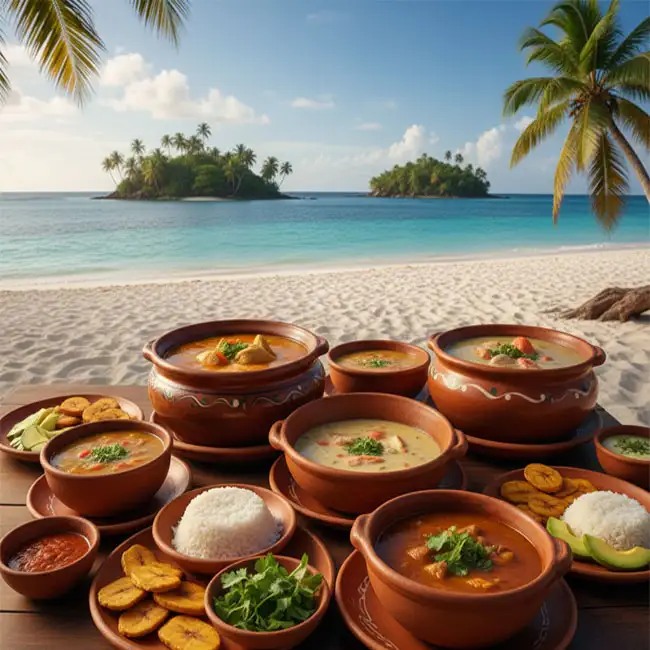
🥣 Soul Food of the Isthmus: The Heart of Panamanian Cuisine
Hey there, food lover! Ready to ditch the fast food and delve into something truly comforting? Let’s talk about the unsung heroes of the Panamanian kitchen: soups and stews. In Panama, a good, steaming bowl of soup (sopa) isn’t just an appetizer or a rainy-day meal; it is the culinary anchor of the entire country. It's the ultimate expression of comfort, community, and home.
Panamanian cuisine, as we've already discovered, is a vibrant tapestry woven from indigenous, African, Spanish, and Caribbean threads. But when all those influences simmer together in a pot, the result is the national obsession with hearty, flavorful, and incredibly restorative soups.
Think of the landscape of Panama itself: humid, tropical, often experiencing sudden downpours. The need for a wholesome, replenishing meal that can hydrate and nourish simultaneously is paramount. Soups fill this role perfectly. They are generally substantial, often incorporating starches (yuca, plantain, ñame), protein (chicken, beef, or seafood), and local vegetables (culantro, corn, carrots) into one harmonious pot.
The culture around soup is also special. Soup is often served as the main meal of the day (especially lunch), or offered as a cure-all remedy after a long night or a tough day's work. It represents hospitality and well-being. If someone offers you a bowl of their homemade sancocho, they are offering you a piece of their home and their heart. It’s a tradition that truly defines the spirit of Panamanian cooking. Get ready to spoon your way into this rich tradition!
🥄 Menu Highlights: The Must-Try Panamanian Soups
While Panama has many delicious variations of soups and broths, there are two titans that stand above the rest—the national dish, and its coconut-laced coastal cousin. These are the recipes that truly define the country’s savory cuisine.
🇵🇦 Sancocho Panameño: The National Treasure
If you could only taste one dish that defines Panama, it would be Sancocho Panameño. This is more than a soup; it’s a national symbol, celebrated, argued over, and passionately prepared in every home across the land.
What makes it so legendary? It’s a deceptively simple yet complex chicken broth-based soup that achieves a depth of flavor through its key ingredients: chicken (usually bone-in pieces), root vegetables (like yuca, ñame, and sometimes otoe/taro), and corn on the cob.
But the true secret and defining flavor of Sancocho is culantro (known in English as recao or saw-tooth coriander). This herb provides a pungent, deeply earthy, and slightly citrusy flavor that is utterly unique and non-negotiable in an authentic sancocho. The soup is always served with a side of plain white rice, which is either spooned directly into the bowl or eaten alongside it. It is hearty, rejuvenating, and often nicknamed the "Panamanian cure for everything."
🥥 Guacho de Mariscos: Coastal Creaminess
When you head to the coast (which, let’s be honest, is never far in Panama!), the soups take on a different, but equally delicious, character. Enter the Guacho de Mariscos (Seafood Guacho).
A guacho is essentially a thick, hearty rice-based stew or risotto, cooked until the rice is creamy and completely incorporated into the broth, giving it a wonderfully soupy, gooey texture. In the seafood version, it is absolutely packed with fresh catches—shrimp, mussels, fish, and conch.
The key to its incredibly rich flavor? Coconut milk. Especially prevalent in the Caribbean side of Panama, the coconut milk imparts a slight sweetness and luxurious creaminess that elevates the whole dish. The guacho is a perfect example of how Panamanian cuisine blends the starch-heavy Spanish influence (rice) with the tropical bounty of the African and Caribbean coasts (seafood and coconut). It’s a vacation in a bowl!
🌽 Sopa de Lentejas: The Rainy Day Keeper
While perhaps not as famous as Sancocho, Sopa de Lentejas (Lentil Soup) is a staple of Panamanian home cooking and often found in fondas (local eateries). This soup is the embodiment of comfort and economy.
It is a thick, robust soup made from lentils, vegetables (like carrots, potatoes, and celery), and often includes smoked pork or ham hocks for a rich, savory flavor base. It’s seasoned simply but effectively and served chunky and piping hot. It’s known for being incredibly filling and is a favorite for lunch, especially when the weather turns cool or rainy. This is the definition of "stick-to-your-ribs" Panamanian food.
🌧️ The Eating Ritual: How Soup Fits into Panamanian Life
Understanding the role of soup in the Panamanian day helps explain why it is made with such love and dedication. It’s central to their rhythm of eating, acting as a main event rather than a prelude.
🍽️ Lunchtime Centerpiece
In Panama, lunch (almuerzo) is often the largest and most important meal of the day. And what is frequently the star of the almuerzo plate? A large, piping-hot bowl of soup. Many restaurants and fondas offer a "menu del día" (menu of the day) that begins, or sometimes is, the main soup.
This tradition of having a substantial soup at noon ensures people are energized and nourished for the long afternoon ahead. The richness of the starches and protein in something like Sancocho makes it a complete, balanced meal that satisfies until dinner.
🤧 The Cure-All Tradition
The restorative power of a good broth is a global concept, but in Panama, it’s taken seriously. Sancocho is famously used as a traditional remedy for everything from the common cold to general fatigue. It’s sometimes referred to as a "levantamuertos" (raiser of the dead). The hot broth, the hydrating properties of the water and root vegetables, and the light protein from the chicken are believed to be the perfect combination to bring back energy and health. Offering a bowl to someone feeling unwell is an act of deep care.
👨👩👧👦 Communal Cooking and Sharing
Soups and stews, by their nature, are meant to be cooked in large batches, making them inherently communal dishes. When preparing Sancocho or Guacho, it is usually for the whole family, extended family, or a gathering of friends. The slow simmering process allows time for socializing and storytelling, making the dish a symbol of gathering and unity. The leftover broth from these stews is often used for other dishes or consumed throughout the next day, ensuring that no flavor goes to waste.
🌱 More in the Pot: Expanding the Soup Horizons
Beyond the two national champions, the Panamanian soup repertoire is diverse, reflecting the seasonal produce and cultural variations across the country.
🍲 Pescado con Patacones: Fish and Plantain Broth
This coastal delicacy is less of a thick stew and more of a brothy, flavorful soup. It features large chunks of fresh white fish (like corvina), simmering in a light, herbaceous broth often seasoned with onion, tomato, and cilantro.
The exciting part is how it’s served: the broth is often ladled over or served alongside crispy patacones (twice-fried green plantain chips). The plantain chips either retain their crunch (to be dipped) or they absorb the flavorful broth and soften, offering a wonderful texture contrast. It's a fresh, bright, and light alternative to the heavier stews.
🐂 Guacho de Rabo: Oxtail Comfort
Taking the creamy, thick guacho concept and applying it to a rich cut of beef gives us Guacho de Rabo (Oxtail Guacho). Oxtail is known for its incredibly gelatinous texture, which releases into the broth as it slowly cooks.
This guacho is often made without the coconut milk but relies on the slow-cooked oxtail and rice to create a thick, savory, and incredibly flavorful stew that is truly decadent and deeply satisfying. It's the kind of dish that speaks of slow cooking, patience, and a deep appreciation for rich, savory flavors.
🍄 Crema de Zapallo: The Tropical Squash Cream
For a lighter, creamier option, look for a Crema de Zapallo (Pumpkin or Squash Cream Soup). Zapallo is a type of local tropical squash (similar to pumpkin or butternut squash) that is naturally sweet and earthy.
The soup involves blending the cooked squash with milk or cream and light seasoning. It’s a beautiful, vibrant orange color and offers a velvety smooth texture. It serves as a slightly more elegant and less heavy soup option, often found in slightly more modern or upscale eateries, but still very much rooted in local produce.
❓ Friendly Foodie FAQs
Ready for a little Q&A about Panamanian soups? Let’s dig in!
1. What is the difference between a sopa and a guacho in Panama?
The main difference is the rice and consistency. A sopa (like Sancocho) is a clear, thinner broth-based soup that might contain rice served separately. A guacho is a thick, rich stew or rice-based soup where the rice is cooked in the broth until it breaks down, making the whole dish creamy, gooey, and dense, similar to a very liquid risotto.
2. What is culantro, and why is it so important to Sancocho?
Culantro (also known as recao or saw-tooth coriander) is a herb similar to cilantro but with a much more pungent, robust, and earthy flavor. It is the absolutely essential and defining ingredient of Sancocho Panameño. Without the unique, deep flavor of culantro, the soup wouldn't taste authentic. Its flavor holds up perfectly to the long simmering time required to cook the roots and chicken.
3. Are Panamanian soups usually eaten as an appetizer or a main meal?
In Panama, soups are generally considered the main meal, particularly for lunch (almuerzo). The classic soups like Sancocho and Guacho are so packed with root vegetables, starches (like rice or yuca), and protein that they are treated as a complete, hearty, and satisfying one-bowl meal. They are truly the centerpiece of the Panamanian dining tradition.
That's the inside scoop on the wonderfully comforting world of Panamanian soups!
🍲 From Broth to Bowl: Mastering Essential Panamanian Soup Recipes
👉 Make 3 Family Best Panama Soups
| 🌐 🍲 < Back | 🇵🇦 🍷 < Previous | Next > 🥗 🇵🇦 |