
🏠 Home > 🗺️ Recipes > 🥪 Appetizers > 🇵🇬 Papua New Guinea Appetizers
🇵🇬 🥪 Papua New Guinea Appetizers Recipes
Published by Supakorn | Updated: February 2026
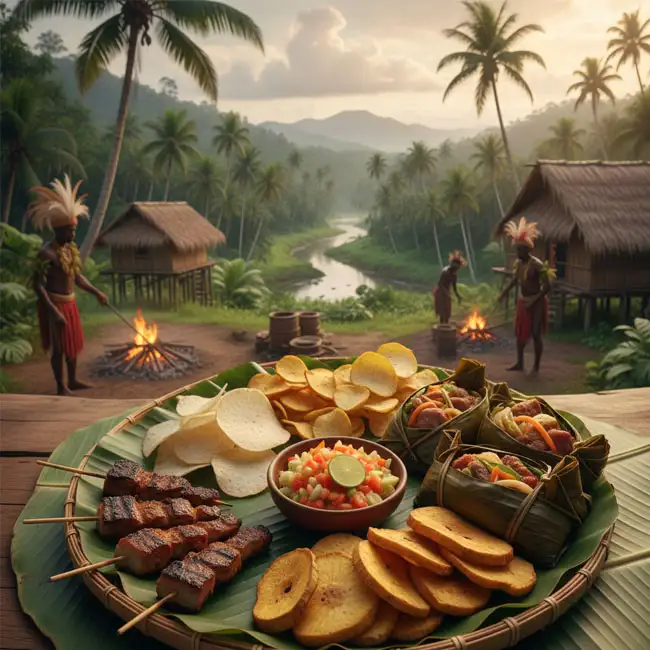
Hello there, fellow food explorer! If you’ve wandered over to this corner of the internet, you’re likely craving something a bit more adventurous than your standard chips and dip. Today, we are taking a deep dive into the incredible, vibrant, and deeply traditional world of Papua New Guinea (PNG) appetizers.
Papua New Guinea is one of those places that feels like a hidden gem on the global culinary map. Nestled in the southwestern Pacific, it’s a land of misty highlands, dense rainforests, and crystal-clear coastal waters. Because the geography is so diverse, the food is too! When we talk about "appetizers" in a PNG context, we aren’t just talking about small plates before a meal; we’re talking about the soul of the land served on a banana leaf.
So, grab a seat, and let’s talk about the flavors of the "Land of the Unexpected."
🌊🌴 The Heart of the Plate: Understanding PNG Food Culture
Before we jump into the specific dishes, we have to talk about why the food tastes the way it does. In Papua New Guinea, food isn’t just fuel—it’s a community event. Whether you’re in a bustling market in Port Moresby or a remote village in the Sepik River region, the way people eat is defined by the earth.
🍃 The "Garden to Table" Lifestyle
In PNG, most families rely on "subsistence farming." This means that the appetizers you see on the table were likely growing in someone’s backyard garden just a few hours ago. There’s no heavy processing here. The flavors are clean, earthy, and incredibly fresh.
The staples of the PNG diet—which often double as snacks or starters—include:
• Sago: A starch extracted from the pith of sago palm stems.
• Sweet Potato (Kau Kau): The king of the Highlands.
• Taro and Yams: Dense, nutritious tubers.
• Bananas and Plantains: Used in both sweet and savory ways.
• Coconut: The "milk" and "cream" that ties everything together.
🥥 The Coastal vs. Highland Divide
If you’re near the coast, your appetizers are going to be light, refreshing, and full of seafood and coconut cream. If you’re up in the chilly Highlands, the food gets heartier. Think roasted tubers and earthy greens. This contrast is what makes the culinary landscape so fascinating!
🥙 Iconic Papua New Guinea Appetizers to Tease Your Palate
While "appetizer" is a Western term, PNG has plenty of small bites and starters that perfectly fit the bill. These are the dishes that welcome guests or keep people going between their main gardening tasks.
🥥 1. Kokoda (The Pacific Ceviche)
If you love fresh, zesty flavors, Kokoda is the gold standard. It is essentially a raw fish salad, but with a tropical twist that sets it apart from South American ceviche. The fish (usually a firm white fish like snapper) is "cooked" or cured in lime or lemon juice.
What makes it uniquely PNG? The addition of thick, fresh coconut cream. It balances the acidity of the citrus with a silky, fatty richness. Throw in some finely chopped spring onions, bird’s eye chilies, and diced cucumbers, and you have a refreshing appetizer that screams "island life."
🍠 2. Roasted Kau Kau (Sweet Potato) Wedges
In the Highlands, Kau Kau is life. While it’s often a main staple, small roasted pieces are the ultimate finger food. Unlike the orange sweet potatoes found in many Western supermarkets, PNG sweet potatoes come in various colors—purples, yellows, and whites—each with a slightly different texture and sweetness level.
Traditionally, these are roasted over an open fire or in an earth oven. The skin gets slightly charred and smoky, while the inside becomes buttery and soft. It’s the original "clean" snack!
🍌 3. Talautu (Green Banana in Coconut Milk)
Banana isn't just a fruit for dessert in PNG; it’s a versatile vegetable. Talautu is a popular starter where green (unripe) bananas are sliced and simmered in seasoned coconut milk.
The green banana has a starchy, potato-like consistency that soaks up all the richness of the coconut. It’s warm, comforting, and provides the perfect savory start to a larger feast.
🐚 4. Sago Dumplings and Patties
If you go to the lowland or river regions, Sago is the star. It has a unique, slightly chewy texture that can be an acquired taste for some, but it’s beloved across the nation.
As an appetizer, sago is often made into small patties or balls. Sometimes they are plain, and other times they are stuffed with mashed bananas or even minced fish. When fried or baked, the outside gets a bit of a crust while the inside stays soft. It’s a texture powerhouse!
🌿 5. Pitpit (Highland Asparagus)
Pitpit is the edible heart of a type of wild sugar cane. It looks a bit like a long, slender corn cob or a thick asparagus stalk. It’s often roasted in its husk or braised in coconut cream.
The texture is crumbly and delicate, and the flavor is mildly sweet. It’s light enough to be the perfect "intro" dish for a dinner party, showcasing the unique flora of the region.
🔥 The "Mumu": More Than Just a Cooking Method
You can't talk about PNG food without mentioning the Mumu. While a Mumu is usually used for large feasts, the small parcels of food cooked inside are the ultimate treats.
A Mumu involves digging a hole in the ground, lining it with hot stones, and layering food wrapped in banana leaves. The leaves act as a natural pressure cooker, steaming the food in its own juices and the fragrance of the leaves.
When a Mumu is opened, the first things pulled out are often the smaller vegetable parcels or individual portions of "Lap Lap"—these are effectively the appetizers that everyone nibbles on while the larger proteins are being carved.
🍍 Freshness as a Philosophy: How People Eat in PNG
In Papua New Guinea, "eating" is a social glue. There is a beautiful concept of "Wantok" (meaning 'one talk' or people who speak the same language/from the same area). This culture of sharing means that food is rarely eaten alone.
🤝 The Communal Table
Appetizers are often served on large platters or directly on banana leaves spread across a table or the ground. There’s no "mine and yours"; it’s all "ours." This communal style of eating encourages conversation, storytelling, and laughter.
🌶️ The Subtle Use of Spice
While PNG food isn't "spicy" in the way Thai or Indian food is, they do love their Muli (lemon/lime) and Chili. However, the spices are usually used to enhance the natural flavor of the root crops and fresh fish rather than mask them. You’ll find that PNG appetizers focus on the "purity" of the ingredient.
🥗 Why PNG Appetizers are Trending in the "Healthy Eating" World
If you’re looking for Paleo-friendly, Gluten-free, or Vegan options, Papua New Guinea cuisine is an absolute goldmine.
1.Naturally Gluten-Free: Since the diet is based on tubers (Kau Kau, Taro, Yam) and Sago, almost all traditional appetizers are naturally gluten-free.
2.Zero Processed Sugars: The sweetness in PNG snacks comes from ripe tropical fruits like pineapple, papaya, and bananas.
3.Healthy Fats: Coconut milk is the primary source of fat, providing medium-chain triglycerides that are great for energy.
4.Organic by Default: Most produce in PNG is grown without synthetic fertilizers or pesticides—it’s organic because that’s just how it’s done!
🧺 Looking Forward: Bringing PNG Flavors to Your Kitchen
Even if you aren't in the middle of the Pacific, you can recreate the vibe of a PNG appetizer spread. It’s all about finding high-quality root vegetables, fresh seafood, and the best coconut milk you can get your hands on.
Imagine hosting a dinner where, instead of bread and butter, you serve roasted sweet potato rounds with a zesty coconut-lime dip. It’s a conversation starter, a healthy alternative, and a way to honor a culture that has mastered the art of simple, delicious living.
❓ FAQ: Everything You Want to Know About PNG Bites
Q1: What is the most common ingredient in Papua New Guinea appetizers?
The "Holy Trinity" of PNG cooking consists of Coconut, Sweet Potato (Kau Kau), and Bananas/Plantains. Almost every appetizer will feature at least one of these. Coconut, in particular, is used for both its meat and its milk to add richness to otherwise simple starches.
Q2: Are Papua New Guinea appetizers usually spicy?
Generally, no. The flavors are usually mild, creamy, and earthy. However, many people enjoy a side of fresh bird’s eye chilies or a "chili salt" that you can dip your roasted tubers into if you want a bit of a kick. It’s more about "fresh zing" than "burning heat."
Q3: Is the food in PNG suitable for vegetarians and vegans?
Absolutely! A huge portion of the PNG diet is plant-based. Dishes like roasted Kau Kau, Pitpit in coconut cream, and Sago patties are naturally vegan. Just be sure to check if any fish or "Tin Pis" (canned fish) has been added for seasoning, as seafood is very popular in coastal versions of these snacks.
I hope this gives you a wonderful "taste" of what Papua New Guinea has to offer! It’s a cuisine built on respect for the land and the joy of sharing.
🥪 Taste the Islands: Authentic Home-Style Papua New Guinea Snacks
👉 Savor 3 Tasty Papua New Guinea Appetizers
| 🌐 🥪 < Back | Next > 🍝 🇵🇬 |