
🏠 Home > 🗺️ Recipes > 🥘 Sauces > 🇵🇾 Paraguay Sauces > 🥘 1.Chimichurri (The Vibrant Herb Vinaigrette) , 2.Moñe’ẽ (The Homemade Spicy Relish) , 3.Salsa Criolla (The Fresh Tomato and Onion Topper)
🥘 The Zesty Heart: Mastering Vegetarian Sauces from Paraguay
Published by Supakorn | Updated: February 2026
🇵🇾 An Introduction: The Power of Fresh Condiments
In Paraguay, sauces and relishes—known as aderezos or salsas—are not an afterthought; they are a crucial component of the meal. Because so much of the traditional diet is based on starchy, neutral flavors (like cassava) or heavy richness (like cheese bread), a bright, acidic counterpoint is absolutely necessary for balance.
The global popularity of these condiments, especially chimichurri, stems from their simplicity, freshness, and versatility. They are naturally low in fat (excluding the oil base), high in fresh herbs, and easily adaptable to vegetarian and vegan diets.
In this guide, we will master three essential Paraguayan flavor boosters:
✨ • Recipe 1: Chimichurri (The Vibrant Herb Vinaigrette)
✨ • Recipe 2: Moñe’ẽ (The Homemade Spicy Relish)
✨ • Recipe 3: Salsa Criolla (The Fresh Tomato and Onion Topper)
Let's get chopping and mixing!

🌿 Recipe 1: Chimichurri – The Vibrant Herb Vinaigrette
While often associated with Argentina, Chimichurri is universally loved and frequently used across Paraguay to add intense, herbaceous zest to almost any savory dish. It’s an uncooked, rustic sauce that is as fresh as it is flavorful.
✨ About this Recipe: Uncooked Perfection
This is the quintessential Paraguayan Chimichurri: heavily relying on fresh parsley and a powerful kick of garlic and vinegar. It’s designed to be a thin, flowing vinaigrette—not a thick paste—perfect for spooning over grilled vegetables, baked potatoes, or spreading on a fresh slice of chipa.
🛒 Ingredients & Measurements
Here’s what you need to make about 1 1/2 cups of sauce:
• 1 cup of fresh flat-leaf parsley, finely chopped
• 1/4 cup of fresh oregano leaves, finely chopped (or 1 tablespoon dried oregano)
• 4 cloves of garlic, finely minced
• 1/2 teaspoon of crushed red pepper flakes (or ají flakes)
• 1/2 cup of neutral-flavored vegetable oil (or light olive oil)
• 1/4 cup of red wine vinegar
• 1 teaspoon of salt
• 1/2 teaspoon of black pepper
📝 Step-by-Step Instructions
1.Prep the Herbs: Thoroughly wash and dry the parsley and oregano. Finely chop them, or use a food processor to pulse them roughly (do not over-process; the texture should still be chunky, not a paste).
2.Combine Aromatics: In a mixing bowl, combine the chopped herbs, minced garlic, red pepper flakes, salt, and black pepper.
3.Mix the Liquids: In a separate cup, whisk together the vegetable oil and red wine vinegar.
4.Emulsify (Rustically): Pour the liquid mixture over the herbs and garlic. Stir well to combine. The sauce will look separated, as it’s a vinaigrette, not a true emulsion.
5.Rest: This is the most important step! Cover the bowl and let the Chimichurri rest at room temperature for at least 30 minutes, or ideally, refrigerate for 2 to 3 hours. This allows the garlic and oregano to infuse the oil and vinegar.
6.Serve: Stir well just before serving. Spoon liberally over roasted vegetables, grilled firm tofu, or alongside Mbejú.
⚠️ Tips & Mistakes to Avoid
• Don't Blend: Avoid blitzing the sauce into a smooth paste in a blender. Authentic Chimichurri should be rustic, with clearly visible flecks of herbs and garlic. Over-blending can also turn the herbs bitter.
• Fresh Herbs are Essential: While dried oregano is acceptable, the parsley must be fresh. Dried parsley will not deliver the required vibrant color or flavor.
• The Rest Period is Mandatory: The initial mixture will taste harsh. The resting time allows the vinegar to temper the raw garlic and the oil to soak up the herbal essences, creating a balanced, mellow flavor.
• Adjusting Acidity: If the sauce is too acidic, add a tiny bit more oil (1 tablespoon at a time). If it tastes flat, add a tiny splash more vinegar or a pinch of salt.
❓ FAQ
Q1.How long does Chimichurri last?
Stored in an airtight container in the refrigerator, it will last for up to 1 week. The color might darken slightly, but the flavor will deepen.
Q2.What is the best way to use the leftovers?
Mix it into plain rice or cooked lentils, use it as a marinade for vegetables, or toss it with hot pasta for a quick, flavorful sauce.
Q3.Can I use a different vinegar?
Red wine vinegar is traditional. While balsamic is too sweet, apple cider vinegar can be used for a slightly fruitier, milder tang.
📝 Summary
Chimichurri is the ultimate flavor amplifier—a simple, uncooked vinaigrette that adds bright acidity, herbaceous depth, and a touch of heat to elevate any dish from simple to sensational.
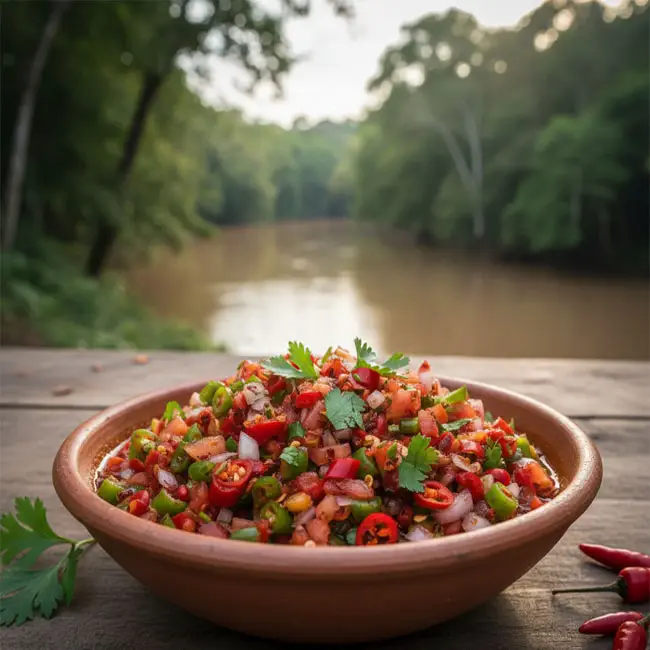
🌶️ Recipe 2: Moñe’ẽ – The Homemade Spicy Relish
Moñe’ẽ is a generic term covering various traditional, rustic, homemade relishes in Paraguay, often including chili peppers (ají). It’s less of a smooth sauce and more of a textured, pungent, often spicy condiment designed to deliver intense flavor drops.
✨ About this Recipe: Fire and Spice
This recipe focuses on a popular version of Moñe’ẽ: a savory-spicy relish made with chili peppers, onion, and herbs, preserved briefly in oil. It's the perfect sidekick for when you need a serious punch of heat and flavor to wake up a hearty meal.
🛒 Ingredients & Measurements
This recipe makes about 1 cup of relish:
• 1/2 cup of fresh mild to medium chili peppers (ajíes or jalapeño/serrano if needed), very finely diced (remove seeds for less heat)
• 1/4 cup of red onion, very finely minced
• 2 cloves of garlic, minced
• 1/4 cup of fresh coriander (cilantro) or parsley, finely chopped
• 1/2 cup of vegetable oil (or light olive oil)
• 1/4 teaspoon of ground cumin (optional, for earthiness)
• 1/2 teaspoon of salt
• 2 tablespoons of fresh lime juice
📝 Step-by-Step Instructions
1.Prep the Peppers: Thoroughly wash and finely dice the chili peppers. If you want a milder relish, discard all the seeds and white membranes.
2.Combine Solids: In a small glass jar or bowl, combine the diced chilies, minced red onion, minced garlic, and chopped coriander/parsley. Stir in the salt and cumin (if using).
3.Add Liquids: Pour the vegetable oil and lime juice over the solid ingredients. Stir well to mix.
4.Quick Infusion: Cover and let the Moñe’ẽ sit at room temperature for at least 1 hour to allow the flavors to quickly meld and the oil to absorb the heat and aromatics.
5.Serve: Serve in a small bowl with a tiny spoon. Since it's a relish, you don't use it as a pour-over sauce but as a small flavor drop added directly to each bite of food.
⚠️ Tips & Mistakes to Avoid
• Fine Chop is Best: The ingredients should be finely minced or diced. Moñe’ẽ is a relish, so you want small pieces that blend well with the liquid base.
• Wear Gloves: When handling and chopping chili peppers, always wear gloves to protect your hands from the capsaicin oil.
• Control the Heat: The heat level is entirely up to you. For a traditional, savory flavor, use milder local ají varieties. For heat, use seeded jalapeños or serranos.
• Jar for Longevity: Store the finished relish in a clean, sealed jar in the refrigerator. The oil preserves the freshness, allowing it to last for several weeks. The flavor will deepen over time.
❓ FAQ
Q1.What is the difference between Moñe’ẽ and Chimichurri?
Chimichurri is primarily an herbal vinaigrette with lots of parsley. Moñe’ẽ is a chili-forward, chunky relish that prioritizes heat, pungency (garlic/onion), and is oil-based rather than vinegar-based.
Q2.How is it traditionally used?
It's added by the diner to individual bites of food (like a small dollop on the corner of a Chipa Mandi'o or a piece of cassava) for a sudden, intense burst of flavor.
Q3.Can I blend this into a smooth sauce?
You can, but it changes the character entirely. The rustic, chunky texture is part of the Moñe’ẽ tradition.
📝 Summary
Moñe’ẽ is the customizable heat source of the Paraguayan table—a vibrant, oil-based relish that delivers a pungent, savory, and often spicy kick that is deeply essential for adventurous eaters.
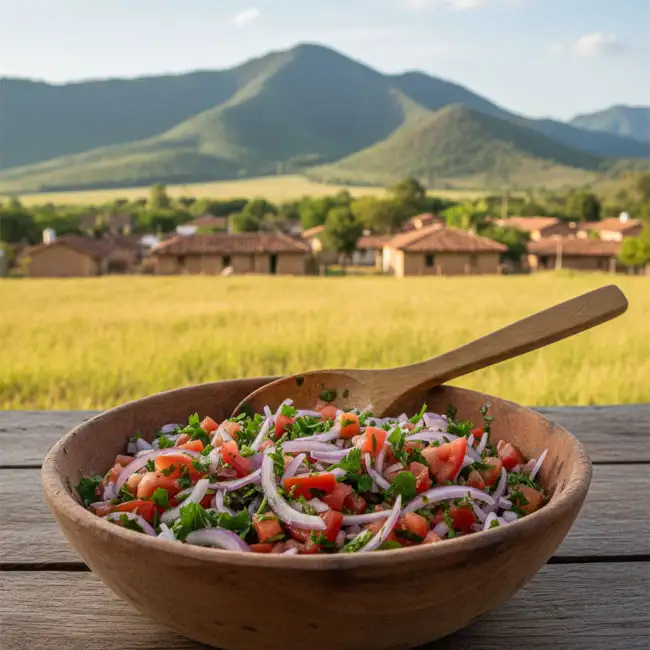
🍅 Recipe 3: Salsa Criolla – The Fresh Tomato and Onion Topper
Salsa Criolla ("Creole Sauce") is a classic, uncooked fresh relish found all over South America, but the Paraguayan version is simple, robust, and essential for providing cooling moisture and acidity to hearty dishes.
✨ About this Recipe: Cool and Crisp
This is a refreshing mix of finely diced, raw vegetables dressed in a light oil and acidic base. It's characterized by the crisp texture of onion and the juicy brightness of tomato. It acts as a cooling counterpoint to hot, dense, or rich foods.
🛒 Ingredients & Measurements
This recipe makes about 2 cups of relish:
• 2 medium firm, ripe tomatoes, finely diced
• 1 medium red onion, very finely diced
• 1/2 cup of fresh coriander (cilantro) or parsley, chopped
• 1/4 cup of white vinegar (or fresh lime juice)
• 2 tablespoons of vegetable oil (or light olive oil)
• 1/2 teaspoon of salt
• 1/4 teaspoon of black pepper
• Optional: 1/2 green bell pepper, finely diced
📝 Step-by-Step Instructions
1.Prep the Onion (Optional Soak): Dice the red onion as finely as possible. If the onion is very pungent, soak the diced onion in a bowl of cold water (or the vinegar) for 10 minutes, then drain. This removes some harshness while keeping the crunch.
2.Combine Vegetables: In a mixing bowl, combine the diced tomatoes, drained onion, chopped cilantro/parsley, and the optional bell pepper.
3.Dress: Pour the vinegar (or lime juice) and oil over the vegetables. Add the salt and pepper.
4.Toss and Rest: Gently toss all ingredients together. Cover and refrigerate for at least 15 minutes. This chilling time is important, as the Salsa Criolla is best served cold and allows the acidity to start "cooking" the raw vegetables.
5.Serve: Serve chilled. It should be used immediately after mixing for the best crispness, but can last for up to 1 day in the fridge.
⚠️ Tips & Mistakes to Avoid
• Dice Uniformly: The texture is key! Try to dice the vegetables into small, uniform pieces so you get a balanced mix of tomato, onion, and herb in every scoop.
• Use Quality, Firm Tomatoes: Soft or overly ripe tomatoes will make the salsa watery and mushy. Use firm, ripe tomatoes that hold their shape when diced.
• Serve Chilled: Unlike Chimichurri, Salsa Criolla relies on its cool temperature for its refreshing quality. Always serve this relish chilled.
• Don't Make Too Far Ahead: While a short rest is good, don't make this more than 12 hours in advance. The salt and acid will pull too much water from the tomatoes, making the salsa soupy.
❓ FAQ
Q1.Can I substitute the vinegar with lime?
Yes! Lime juice is excellent and provides a slightly brighter, fresher citrus flavor than vinegar.
Q2.How is this used in a meal?
It's perfect for topping simple boiled mandioca (cassava), spooning over hearty sopa paraguaya, or adding a fresh layer to a baked potato or vegetable patties.
Q3.Can I add chili to Salsa Criolla?
You can definitely add finely minced ají or jalapeño for a spicy Salsa Criolla, though the plain version is the most traditional counterpoint.
📝 Summary
Salsa Criolla is the essential cooling, acidic, and crunchy fresh relish that provides a vital burst of refreshment and moisture, perfectly balancing the dense and savory flavors of Paraguayan cuisine.
🔥 Final Thoughts
Wasn't that a flavor journey? You've now mastered three essential, naturally vegetarian (and mostly vegan!) flavor boosters from the heart of Paraguay. From the herbaceous punch of Chimichurri to the heat of Moñe’ẽ, and the cooling crunch of Salsa Criolla, these simple sauces prove that all you need are fresh, quality ingredients to elevate any meal.
The best part about these condiments is their versatility—they are fantastic on everything from grilled halloumi and roasted root vegetables to rice and bean dishes. They are the definition of simple, high-impact cooking.
I recommend starting with the classic Chimichurri today—let it infuse for a few hours, then spoon it over anything you grill this week! Then, try the quick, zesty Salsa Criolla. Happy mixing, and enjoy the vibrant flavors of Paraguay!
| 🇵🇾 🥘 < Back |