
🏠 Home > 🗺️ Recipes > 🥘 Sauces > 🇵🇾 Paraguay Sauces
🇵🇾 🥘 Paraguay Sauces Recipes
Published by Supakorn | Updated: February 2026
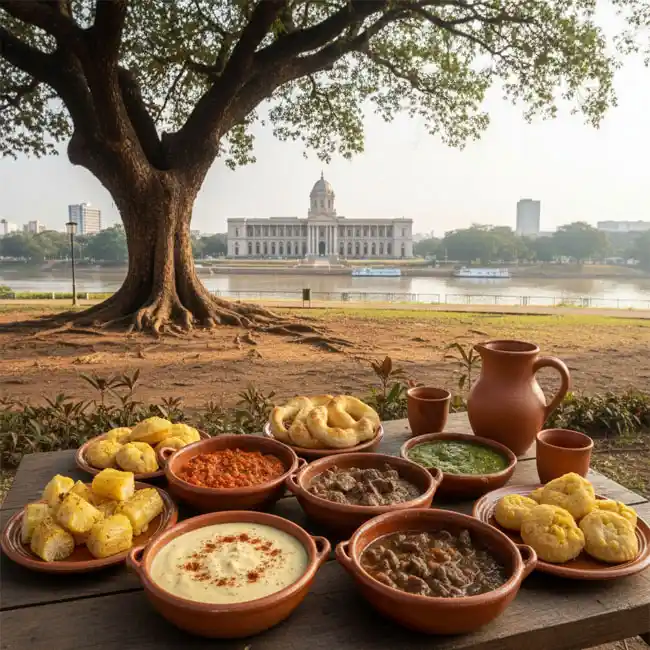
🌶️ The Flavor Philosophy: Simple, Fresh, and Bold
To truly appreciate Paraguayan sauces, you first need to understand the country's culinary philosophy. Paraguayan cuisine, rooted in a blend of indigenous Guaraní traditions and Spanish colonial influences, prioritizes substance, heartiness, and local ingredients. The main dishes—the grilled meats, the dense corn and cassava "breads"—are built to be filling and sustaining.
This reliance on rich, starchy staples means the accompaniments have a crucial job: to add contrast, brightness, and moisture.
🌿 Guaraní Roots and Rustic Zest
The Guaraní people traditionally relied on local, readily available ingredients. Before refrigeration, sauces weren't long-simmered preserves; they were fresh, simple, and quickly assembled relishes. This tradition continues today. Many of the most popular Paraguayan sauces and flavor boosters are:
• Herb-Focused: Parsley, oregano, and coriander (cilantro) are non-negotiable.
• Vinegar-Brightened: Acidity is key to cutting through the fat of grilled meats.
• Oil-Driven: Olive oil or vegetable oil helps meld the flavors and provides a lush mouthfeel.
• Minimalist: The best sauces often rely on just a handful of fresh components—a testament to the quality of the local produce.
In Paraguay, a sauce isn't just decoration; it's a flavor enhancer designed to balance the meal, acting as a crucial counterpoint to the country’s meat-heavy, carb-rich diet.
🥩 The Star Players: Must-Have Condiments
While many countries have their signature sauces, Paraguay has perfected a few simple, powerful ones that appear on nearly every table, regardless of the meal.
🔪 Chimichurri: The Unofficial National Vinaigrette
• What it is: While often associated with Argentina, Chimichurri is a fundamental and fiercely loved condiment in Paraguay, too. It’s not just a sauce; it’s a herbal relish/vinaigrette designed specifically for grilled meat (asado).
• The Difference Maker: Paraguayan chimichurri is robust. It's an uncooked mix based primarily on finely chopped fresh parsley and minced garlic, seasoned with oregano, salt, black pepper, and chili flakes (sometimes). The whole mixture is suspended in a bright, acidic blend of vinegar (often red wine vinegar) and oil.
• How it’s Used: It’s traditionally used in two main ways: as a marinade for meat before grilling, or, more commonly, as a finishing sauce to be liberally spooned over the asado right before serving, or used as a dip at the table. It provides a sharp, herbaceous, garlicky contrast to the smoky, fatty richness of the beef. No asado is complete without it!
🧅 Salsa Criolla: The Fresh, Zesty Topper
• What it is: The term Salsa Criolla literally means "Creole Sauce," referring to anything native or traditionally prepared. In Paraguay, it translates to a vibrant, fresh-cut relish that is indispensable.
• The Difference Maker: This relish is all about fresh, raw texture. The star ingredients are typically finely diced onions (often red or white), tomatoes, and sometimes bell peppers (capsicum). These vegetables are tossed with fresh cilantro or parsley and dressed simply with oil, vinegar (or lime/lemon juice), salt, and pepper. It’s crisp, cool, and highly acidic.
• How it’s Used: Unlike the heavier, herb-dense Chimichurri, Salsa Criolla acts as a cooling, textual counterpoint. It’s spooned generously over grilled meats, used to top empanadas, or even served alongside boiled mandioca (cassava) for a burst of freshness. It's the ultimate palate cleanser and moisture provider for dry-cooked foods.
🥭 Moñe’ẽ: The Ancient Flavor Booster
• What it is: This traditional condiment is a direct link to the Guaraní heritage. While recipes vary wildly, it generally refers to a simple, rustic, sometimes slightly fermented or pickled relish that provides sour, savory, or spicy notes.
• The Difference Maker: Traditionally, Moñe’ẽ was often made with wild fruits, peppers, or root vegetables that were slightly mashed or pounded and then mixed with simple ingredients like salt, water, or oil. Today, a common form might include finely chopped chili peppers (ají), garlic, and herbs, preserved briefly in oil or vinegar. It’s less about a smooth sauce and more about a pounded, textural relish.
• Cultural Significance: This term covers a range of homemade, rustic flavorings, often unique to individual families. It represents the ancient, resourceful method of flavoring staple foods with whatever was locally available. When a Paraguayan says "I’m going to make a Moñe’ẽ," they're signaling a personalized, often chili-based, flavor addition.
🍽️ The Role of Sauces in Daily Paraguayan Life
The placement and use of condiments reveal a lot about Paraguayan social dining culture, which is communal, relaxed, and focused on self-service.
🍖 The Asado Experience: Sauce is Freedom
The quintessential Paraguayan social event is the Asado (barbecue). It’s not just a meal; it’s a full afternoon or evening ritual. Critically, the asador (griller) usually seasons the meat very simply—often just with coarse salt. This means the diners are given the freedom to customize their plate with sauces.
Tables at an asado are always loaded with bowls of Chimichurri, Salsa Criolla, and perhaps a simpler garlic and oil dressing. This allows each person to spoon on the exact amount of zest, acidity, and herbaceous flavor they desire. The sauces are not pre-mixed into the food; they are interactive components of the meal.
🍚 Beyond the Meat: Dressing the Staples
It’s easy to focus on meat, but Paraguayan food culture is equally defined by its starchy staples:
• Mandioca (Cassava): Boiled cassava is served at nearly every lunch and dinner. It is plain and neutral, which makes it the perfect vehicle for flavor. A simple drizzle of oil, a sprinkle of salt, and a dash of Salsa Criolla transforms the bland cassava into a delicious side dish.
• Chipa and Mbejú: While Chipa and Mbejú are cheesy and flavorful on their own, a simple accompaniment like a light, vinegary dressing or a homemade spicy relish adds complexity. The density of these 'breads' needs the acidity and moisture of the sauces to truly shine.
• Soups and Stews: Hearty winter soups like Vori Vori (a chicken or beef broth with cornmeal and cheese dumplings) often benefit from a simple, acidic garnish of fresh chopped herbs and a splash of lime juice added at the table to brighten the rich broth.
In essence, these sauces are the bridge between the robust, earthy staples and the bright, fresh flavors of the garden.
🥕 The Ingredient Toolkit: What Makes the Flavor
Paraguayan sauces are defined by a few key, high-impact ingredients that are grown locally and used in abundance.
🧅 The Aromatics: Onion and Garlic
• Onion: Essential in almost every condiment. The simple, sharp bite of raw, finely diced red or white onion provides crucial texture and a pungent flavor base for Salsa Criolla. Soaking the onion briefly in salt water or vinegar before mixing can take away some of the harshness while maintaining the crunch.
• Garlic: The soul of Chimichurri. Used heavily, often raw and minced, it provides a powerful aromatic foundation that can stand up to the strongest beef flavors.
🌿 The Green Backbone: Parsley and Cilantro
• Parsley: The King of Paraguayan condiments. Flat-leaf (Italian) parsley is the dominant herb in Chimichurri, providing a fresh, slightly peppery, grassy note.
• Cilantro (Coriander): Often used interchangeably with parsley in Salsa Criolla, adding a brighter, more citrusy, and slightly soapier note that is characteristic of many Latin American flavor profiles.
🍋 The Acid and Oil Duo
• Vinegar: Usually a simple white or red wine vinegar. This is the key element that provides the essential tang needed to balance the fat of grilled meats. A generous amount is used, making Chimichurri more of a vinaigrette than a thick sauce.
• Lime/Lemon: While vinegar is dominant, fresh lime or lemon juice is often used as the sole acid in Salsa Criolla to give it a lighter, fruitier brightness, especially when paired with fish or chicken.
• Oil: A neutral vegetable oil or a light olive oil is used to emulsify the herbs and acid, carrying the flavor and providing necessary richness and coating power.
🥳 Beyond the Classics: Regional & Homemade Touches
While Chimichurri and Salsa Criolla are national standards, Paraguayan home cooks pride themselves on their individual tweaks and lesser-known, regional flavor boosters.
🌶️ The Heat Factor: Ají
Paraguayan food is generally not known for being intensely spicy, but a local chili pepper called Ají (related to the Aji family of peppers) is often used to create a spicy condiment for those who like heat.
• Ají en Aceite: A simple infusion where whole or chopped ají peppers are left to steep in a jar of oil, creating a flavorful chili oil that can be drizzled over anything for an instant boost.
• Ají Picante Casero (Homemade Hot Sauce): This might involve blending ají with vinegar, carrots, and onions, often resulting in a slightly chunky, brightly colored paste or sauce—each home's recipe is unique.
🍯 Sweet & Savory Glazes
Though less common than the savory relishes, some traditional dishes, especially pork, might be served with a rustic glaze based on local ingredients like Molasses (miel de caña—cane honey/syrup) or fruit preserves, adding a touch of Guaraní sweetness and depth.
🍞 Aderezos (Simple Dressings)
Often, a "sauce" in Paraguay is no more complex than:
1.Garlic, Oil, and Salt: Used as a simple dressing for mandioca.
2.Mashed Cheese and Cream: A simple, fresh, and creamy topping for stews or side dishes, showing the national love for dairy products.
These simple creations prove that in Paraguayan cooking, you don't need a French culinary degree; you just need fresh ingredients and an understanding of flavor balance—acidity versus fat, freshness versus earthiness. The sauces are what deliver that crucial, perfect balance.
❓ Frequently Asked Questions (FAQ)
1. What is the main difference between Paraguayan Chimichurri and the Argentine version?
While both share the core ingredients (parsley, garlic, oil, and vinegar), the differences are subtle but key. Paraguayan Chimichurri is often prepared to be slightly more rustic and oily, sometimes with less finely chopped herbs and a more generous amount of vinegar, making it a punchier vinaigrette. Argentine versions can sometimes be smoother or incorporate less vinegar and more water/oil emulsion, but ultimately, both are used for the same purpose: to complement grilled meats with a fresh, herbaceous flavor.
2. Are Paraguayan sauces generally very spicy?
No, Paraguayan cuisine is not traditionally known for being very spicy. The primary condiments like Chimichurri and Salsa Criolla are focused on fresh, herbaceous, and acidic flavors rather than intense heat. However, families and restaurants will often offer a separate, dedicated homemade chili relish (Ají en Aceite or Moñe’ẽ) on the side for those who specifically prefer to add some heat to their meal, allowing diners to control the spiciness themselves.
3. Do Paraguayan people put their sauces on their food before or after it is cooked?
Generally, the sauces are added after the food is cooked. Chimichurri is primarily used as a finishing sauce, either brushed over the meat right as it comes off the parrilla (grill) or served in a bowl on the side for diners to spoon onto their plates. Salsa Criolla is always a fresh relish added at the table. While a simple marinade (often just salt) is sometimes used before grilling, the bold flavor boosters are considered table condiments designed to provide a final burst of freshness and acidity to the rich, hot food.
🥘 The Zesty Heart: Mastering Vegetarian Sauces from Paraguay
👉 Indulge 3 Vegetarian Best Paraguay Sauces
| 🌐 🥘 < Back | 🇵🇾 🍱 < Previous |