
🏠 Home > 🗺️ Recipes > 🔥🧉 Primal Foraged Nectars (Raw Herbal Infusions) > 🐉 Qinling Mountains & Lantian Caves: Primal Foraged Nectars (Raw Herbal Infusions) Recipes > 🔥🧉 1.Qinling Primeval Bamboo Shoot Infusion
🔥🧉 Qinling's Ancient Wild Harvest: A Primitive Bamboo Shoot Tea Experience
Published by Supakorn | Updated: November 2026
🦴 Prehistoric Ancestral Palate: The Lower Paleolithic Era (Approximately 2.5 Million–300,000 Years Ago)
🔥 The Dawn of Fire & Stone: 300,000–2,500,000 Years of Early Hominid Survival
Imagine standing in an ancient landscape where limestone valleys stretch toward distant forests, cool mountain winds move through thick vegetation, and the sounds of wild animals echo between rocky cliffs. There are no modern kitchens, no ceramic teapots, and certainly no neatly packaged ingredients. Every meal begins with an encounter between human curiosity and the natural world.
This is the fascinating world of the Lower Paleolithic, a vast chapter in human prehistory when early hominins developed increasingly sophisticated stone tools, explored changing environments, and learned to make better use of available food resources.
Picture a small gathering near a sheltered rock formation. Someone carefully strikes one stone against another, producing sharp flakes. Others collect edible roots, tender plant shoots, seeds, and fallen branches. The surrounding woodland provides food, while nearby streams offer fresh water.
The Acheulean tradition, particularly associated with Homo erectus and other early human populations, introduced distinctive handaxes and cutting tools. These tools transformed the way ancient communities processed animal remains and plant materials.
Although the exact timing and development of controlled fire remain subjects of archaeological research, fire eventually became an important part of human food preparation, providing warmth, protection, and opportunities to soften tough ingredients.
Our Qinling Bamboo Shoot Tea takes inspiration from this ancient relationship between people, plants, stones, and natural heat.
🌿 The Primordial Genesis of Human Sustenance
Long before agriculture transformed human diets, survival depended on understanding seasonal landscapes.
Early hominins encountered a remarkable variety of natural food sources. Some came from underground, including edible roots and tubers. Others grew above the forest floor, such as tender shoots, fruits, and seeds.
Plant foods offered different combinations of carbohydrates, fiber, minerals, and other nutrients. Animal foods contributed protein and fat. Together, these resources formed part of the diverse dietary landscape available to prehistoric populations.
The Qinling Mountains of central China provide an especially interesting setting for imagining ancient foraging traditions. Their changing elevations support diverse forests, mountain vegetation, and seasonal plant growth.
Bamboo is one of the region's recognizable natural treasures. Its young shoots emerge from the ground during particular growing seasons, offering a tender ingredient with a distinctive earthy character.
However, we should separate historical inspiration from archaeological evidence. There is no established evidence that Lower Paleolithic hominins prepared Qinling bamboo shoot tea. This recipe is a modern culinary interpretation inspired by ancient foraging environments and the timeless relationship between humans and edible plants.
🧬 The Lower Paleolithic Culinary Awakening
The earliest chapters of human food preparation were not built around complicated recipes. They involved practical decisions: which plants were edible, which animal tissues could be processed, how food could be softened, and how natural heat could improve its texture.
Stone tools made an enormous difference.
Sharp flakes could cut plant materials and animal tissues. Larger stone implements helped break hard objects, while pounding and crushing made certain ingredients easier to process.
Over time, cooking traditions developed in different regions and among different human populations. Heat could soften roots, improve the texture of fibrous plants, and change the flavor of natural ingredients.
For our recipe, the central idea is simple: use a carefully prepared edible bamboo shoot, clean water, and gentle heat to create an earthy mountain infusion.
It is not an attempt to reproduce a scientifically verified prehistoric drink. Instead, it is an opportunity to explore how a modern kitchen can celebrate the simplicity of ancient food traditions.
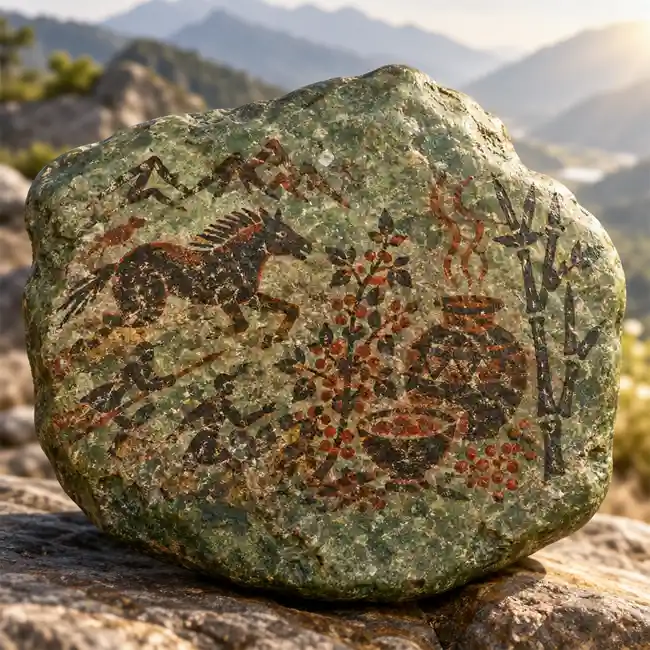
🍵 Recipe: Qinling Primeval Bamboo Shoot Infusion
🏞️ Whispers from the Ancient Cave Wall
Imagine discovering traces of an ancient cooking place beneath layers of sediment. There are fragments of stone tools, charcoal deposits, animal remains, and mineral-rich earth.
Each archaeological discovery offers a small window into the behavior of people who lived long before written history.
Archaeologists study these remains to understand how early humans processed food, used fire, selected resources, and adapted to their surroundings.
Burned plant remains can sometimes preserve evidence of ancient vegetation and human activity. Stone tools can reveal how materials were cut, scraped, and shaped. Animal bones may contain marks associated with butchery or other processing activities.
Yet not every archaeological hearth tells the same story, and the presence of charcoal does not automatically prove that a particular plant was cooked.
The bamboo shoot infusion presented here belongs to the imaginative culinary side of prehistoric storytelling.
Its inspiration comes from mountain forests, natural ingredients, simple preparation, and the ancient human instinct to transform gathered resources into something nourishing and enjoyable.
Think of it as a quiet moment beside a mountain hearth: warm water, freshly prepared bamboo shoots, and the gentle fragrance of the forest.
🌱 Wild Savannah Treasures & The Hominid Larder
✦ The Primitive Staples
The prehistoric food landscape was remarkably diverse. Depending on geography and season, early human populations could encounter edible roots, wild fruits, seeds, nuts, leaves, and other plant resources.
In a Qinling-inspired mountain setting, bamboo shoots become the star ingredient.
Young bamboo shoots have a mild vegetal flavor with subtle sweetness and a pleasantly earthy aroma. Their texture can range from tender to slightly crisp depending on the variety and preparation.
For this recipe, the ingredient selection focuses on a few uncomplicated components:
• Young edible bamboo shoots: The central ingredient, providing a delicate earthy flavor.
• Fresh ginger: A modern addition that introduces gentle warmth and aromatic depth.
• Clean mountain-style water: The foundation of the infusion.
• Natural mineral character: Represented through the careful selection of clean water rather than untreated wild minerals.
• Optional wild herb inspiration: A small quantity of food-grade mint or lemongrass can provide a refreshing aromatic finish.
✦ Modern Kitchen Substitutes
You do not need to travel into a remote mountain forest to prepare this recipe.
Modern ingredients make it possible to recreate the atmosphere of an ancient mountain harvest while maintaining food safety.
• Fresh edible bamboo shoots: Use approximately 150 grams of commercially sourced, food-safe bamboo shoots.
• Dried bamboo shoots: Replace fresh shoots with approximately 30–40 grams of properly processed dried bamboo shoots.
• Fresh ginger: Use approximately 10 grams, sliced thinly.
• Clean drinking water: Use 1 liter.
• Food-grade dried herbs: Use approximately 1–2 grams if you want a more aromatic result.
• Natural citrus peel: Add 1–2 thin strips for a brighter fragrance, if desired.
Always choose an identified edible bamboo species from a reliable food supplier. Never assume that an unfamiliar wild bamboo shoot is safe to eat.
✦ Paleolithic Proportions
The following proportions are designed for a practical modern kitchen.
• Water: 1,000 milliliters.
• Fresh edible bamboo shoots: 150 grams.
• Fresh ginger: 10 grams.
• Food-grade aromatic herbs: 1–2 grams.
• Citrus peel: 2 grams, optional.
For a stronger bamboo character, increase the prepared bamboo shoots to 180 grams while keeping the water quantity unchanged.
For a lighter infusion, reduce the bamboo shoots to 100 grams.
For a more pronounced ginger aroma, increase ginger to 15 grams.
These proportions produce approximately 3–4 small servings, depending on serving size.
🔥 The Handaxe Culinary Ritual
The preparation process is simple, but every step contributes to the final flavor.
Think of this as a modern interpretation of the ancient relationship between stone, fire, water, and gathered food.
✦ Step 1: Prepare the Mountain Harvest
Begin with fresh, commercially sourced edible bamboo shoots.
Remove any tough outer layers and wash the tender interior thoroughly under clean running water.
Cut the shoots into thin slices approximately 3–5 millimeters thick. Smaller pieces allow their natural aroma to disperse more easily during simmering.
✦ Step 2: Cook the Bamboo Shoots Thoroughly
Raw bamboo shoots from some species contain naturally occurring cyanogenic compounds. These compounds can release cyanide, making proper preparation essential.
Boil the prepared shoots in plenty of fresh water according to the supplier's instructions and the requirements of the identified species.
For many common edible bamboo shoots, thorough boiling for approximately 20–30 minutes is a practical starting point, but processing requirements vary. Follow reliable food-safety guidance for the specific variety.
Discard the cooking water.
Never use raw bamboo shoot slices directly for the infusion.
✦ Step 3: Build the Primordial Infusion
Place the thoroughly cooked bamboo shoots into a clean cooking pot.
Add 1 liter of fresh drinking water and approximately 10 grams of sliced ginger.
Bring the mixture to a gentle boil, then reduce the heat.
Allow it to simmer gently for another 10–15 minutes so the water can absorb the bamboo's subtle vegetal aroma.
✦ Step 4: Release the Forest Aroma
Turn off the heat.
If using food-grade herbs or citrus peel, add them during the final 2–3 minutes of steeping.
This gentle finishing stage allows delicate aromas to develop without overwhelming the bamboo.
✦ Step 5: Strain and Serve
Pour the infusion through a clean fine-mesh strainer.
Serve warm in small cups or allow it to cool before refrigeration.
The finished infusion should have a light golden appearance, a gentle earthy aroma, and a mild vegetal character.
You can enjoy the remaining thoroughly cooked bamboo shoots separately as part of a meal.
🧠 Secrets of the Primordial Hearth
The secret to an enjoyable bamboo shoot infusion is not complicated equipment. It is understanding how preparation, temperature, and ingredient quality influence flavor.
Here are several useful techniques and mistakes to avoid.
1. Choose the Right Bamboo Shoots
Always purchase bamboo shoots identified as edible and intended for food preparation.
Different bamboo species have different textures, flavors, and preparation requirements.
Avoid unidentified wild shoots, especially those collected without reliable botanical identification.
2. Never Skip the Cooking Stage
This is the most important safety principle.
Certain raw bamboo shoots contain cyanogenic glycosides, which can release hydrogen cyanide.
Thorough cooking using the correct preparation method helps reduce this risk.
Do not assume that soaking, slicing, or adding hot water alone makes raw bamboo shoots safe.
3. Keep the Simmer Gentle
Once the bamboo shoots have been properly prepared, a gentle simmer is usually enough to extract their flavor.
Aggressive boiling for extended periods can produce a less delicate infusion and may make the final result taste overly vegetal.
4. Balance Ginger Carefully
Ginger provides warmth, but too much can overpower the natural bamboo character.
Start with 10 grams per liter and adjust according to your preference.
The goal is to complement the bamboo rather than hide it.
5. Use Clean Water
Water quality has a noticeable influence on delicate infusions.
Use safe drinking water rather than untreated stream or river water.
Natural scenery may inspire a prehistoric atmosphere, but modern food preparation should always prioritize clean ingredients.
6. Avoid Unidentified Wild Herbs
Ancient landscapes contained many edible plants, but not every wild plant was suitable for human consumption.
Use commercially identified food-grade herbs instead of experimenting with unknown leaves, roots, or shoots.
7. Store It Properly
Do not leave the finished infusion sitting at room temperature for extended periods.
Cool it promptly, transfer it into a clean covered container, and refrigerate it at 4°C or below.
For the best quality, consume it within 24–48 hours and discard it if its appearance, smell, or texture changes unexpectedly.
8. Keep the Flavor Natural
The bamboo shoot infusion does not need a complicated collection of seasonings.
A small amount of ginger and carefully selected herbs can provide enough aromatic depth.
Let the primary ingredient remain the star.
🔥❓ Lower Paleolithic Wisdom & Secrets FAQ
Q1: Did Lower Paleolithic humans actually prepare bamboo shoot tea?
There is currently no established archaeological evidence confirming that Lower Paleolithic populations prepared Qinling bamboo shoot tea.
The recipe is a modern interpretation inspired by prehistoric foraging, mountain vegetation, and the long history of human interaction with edible plants.
It should be enjoyed as ancestral-inspired culinary storytelling rather than a reconstructed archaeological recipe.
Q2: What nutritional value do bamboo shoots offer?
Edible bamboo shoots are generally low in calories and provide dietary fiber, along with nutrients such as potassium and other minerals.
Their nutritional composition varies according to species, growing conditions, and preparation methods.
They can contribute variety to a balanced diet, but they should not be considered a complete nutritional food on their own.
Q3: Why must bamboo shoots be boiled before preparation?
Some bamboo species contain cyanogenic glycosides in their raw shoots.
When improperly prepared, these natural compounds can release hydrogen cyanide.
Thorough boiling and proper processing are therefore essential. Always follow instructions for the specific edible bamboo variety.
Q4: What gives bamboo shoots their naturally appealing flavor?
Young bamboo shoots have a mild vegetal taste, sometimes accompanied by subtle sweetness and earthy notes.
Their final flavor depends on freshness, variety, maturity, and cooking technique.
Gentle simmering with a little ginger allows these characteristics to remain noticeable without overwhelming the infusion.
🌄 The Untamed Soul of Primeval Flavor
There is something deeply satisfying about preparing food with only a handful of carefully selected ingredients.
The Qinling Bamboo Shoot Tea celebrates that simplicity.
Its gentle vegetal fragrance recalls the atmosphere of a cool mountain forest. The bamboo provides the central flavor, while ginger adds warmth and depth.
Unlike heavily seasoned modern preparations, this infusion allows the natural character of its main ingredient to take center stage.
Its appeal lies not in pretending to reproduce an ancient beverage but in exploring the relationship between nature, food preparation, and human creativity.
The ancient world was not necessarily simple, but the fundamental challenge of finding safe, nourishing food remains familiar.
Every ingredient tells a story of adaptation.
Every preparation method reflects a decision about how to make natural resources more useful.
And every carefully prepared meal connects us, in a small way, with the long history of human survival.
🏕️ Final Thoughts: Unleashing the Lower Paleolithic Heritage in Your Modern Kitchen
The story of ancient food is ultimately a story about curiosity, adaptation, and the ability to make use of what the natural environment provides.
From the stone tools of early hominins to the cooking equipment in our modern kitchens, human food preparation has undergone an extraordinary transformation.
Yet some basic principles remain unchanged.
We still select ingredients, clean them, process them, apply heat, and adjust their flavors until they become something enjoyable.
Qinling Bamboo Shoot Tea brings these familiar ideas together through a mountain-inspired recipe that celebrates one of nature's distinctive edible plants.
With commercially sourced bamboo shoots, fresh ginger, clean water, and careful preparation, you can create a gentle infusion without complicated equipment.
It is a reminder that an interesting culinary experience does not always require dozens of ingredients or elaborate techniques.
Sometimes, the most memorable flavors begin with a single ingredient and a little imagination.
Bring the spirit of the ancient mountain landscape into your kitchen, prepare your ingredients carefully, and discover the quiet beauty of this primitive-inspired creation.
🔥 The Sacred Tribe (Claim Your Lower Paleolithic Heritage)
Welcome to the world of ancestral-inspired food exploration.
This is a place for curious minds, prehistoric food enthusiasts, Paleo-inspired cooks, and anyone fascinated by the relationship between early humans and their natural environment.
Our journey goes beyond familiar modern recipes.
We explore forgotten ingredients, ancient landscapes, primitive food preparation, traditional foraging knowledge, and the remarkable adaptability of our ancestors.
From wild mountain shoots to woodland roots, from natural fire cooking to simple stone-inspired culinary techniques, every recipe offers another opportunity to discover the fascinating history of human food culture.
If you enjoy exploring ancient hunter-gatherer recipes and imaginative Stone Age cooking traditions, become part of our growing community.
Share your thoughts, discover new flavors, and celebrate the creativity that connects ancient survival with modern cooking.
The ancestral table is open. The next discovery is waiting.
🙏 Credit to the Keepers of the Lower Paleolithic Legacy
This original culinary creation draws inspiration from the archaeological record of the Lower Paleolithic, the development of early stone tool traditions, and the changing relationship between ancient hominins and their natural environments.
Its historical atmosphere reflects the remarkable adaptability of early human populations, including the technological developments associated with Acheulean stone tools and the broader evolution of prehistoric food processing.
The Qinling Bamboo Shoot Tea is a contemporary, nature-inspired recipe rather than a historically documented beverage from the prehistoric period.
Its ingredients and preparation have been adapted for modern kitchens using food-safe materials, identified edible bamboo shoots, clean water, and appropriate cooking practices.
We recognize the importance of archaeological research, botanical knowledge, and responsible food preparation in understanding our shared human heritage.
With respect for the ancient landscapes that shaped human history, we celebrate the enduring connection between nature, nourishment, and culinary imagination.
Honor the past. Respect the land. Keep the ancestral food story alive.
| 🐉 🔥🧉 < Back |