
🏠 Home > 🗺️ Recipes > 🍷 Drinks > 🇹🇭 Thailand Drinks
🇹🇭 🍷 Thailand Drinks Recipes
Published by Supakorn | Updated: February 2026
🍹 What Makes Thai Drinks Unique?
☯️ The Balance of Refreshment and Flavor
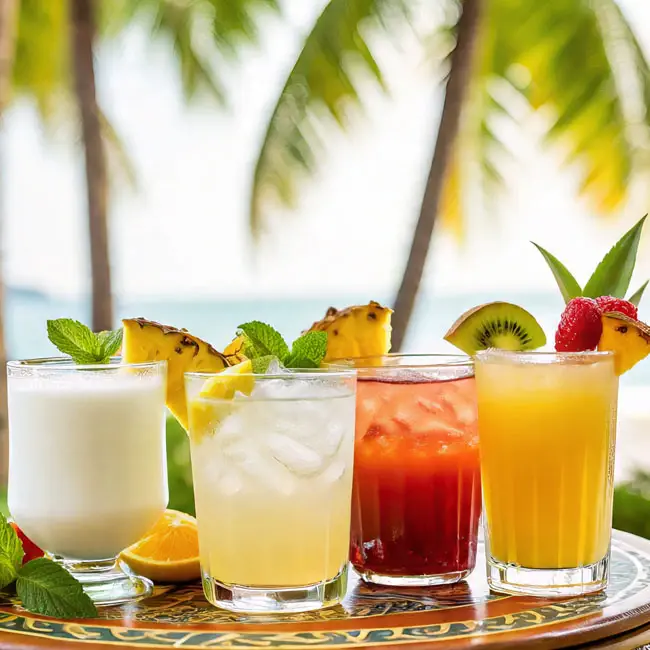
Thailand drinks are a refreshing part of the nation’s culinary identity, offering vibrant colors, cooling flavors, and natural ingredients. Unlike ordinary beverages, Thai drinks often balance sweetness with herbal notes, creating a refreshing experience that pairs perfectly with spicy Thai meals. They are enjoyed everywhere — from street stalls to fine dining restaurants.
The unique character of Thai drinks stems directly from the tropical climate. When the temperature soars, these beverages are designed to provide instant and profound relief. They achieve this not just through ice, but through a calculated interplay of primary tastes. A good Thai drink will often start with a punch of flavor—be it the strong black tea base, the sharp citrus, or the deep herbal notes—and then balance it out with a generous sweetness or creamy richness. This balance is crucial; it’s what allows the drinks to cut through the heat of the weather and the spice of the food, leaving you feeling revitalized, not just quenched.
🌿 Signature Ingredients in Thai Beverages
Some of the most popular Thai drinks include Thai Iced Tea, Thai Iced Coffee, and Nam Dok Anchan (butterfly pea flower tea). Other traditional beverages, such as lemongrass tea, pandan juice, and coconut water, highlight Thailand’s rich agricultural resources. With ingredients like palm sugar, coconut milk, pandan leaves, and herbal infusions, these drinks are both flavorful and deeply rooted in culture.
The Thai pantry for drinks is a testament to the country’s natural abundance. Pandan leaves (Bai Toey), with their vanilla-like, grassy aroma, are frequently used to scent water or flavor dessert drinks. Lemongrass (Takrai) offers a bright, citrusy zing that is excellent served hot or iced. And of course, coconut water (Nam Ma-Phrao), straight from the young coconut, is the ultimate natural electrolyte boost. These ingredients are often locally sourced, incredibly fresh, and packed with volatile oils that deliver genuine, intense flavors.
Beyond taste, Thai drinks often carry cultural meaning. Many herbal beverages are linked to wellness traditions, while colorful iced drinks are popular in festivals and celebrations. This combination of refreshment, health benefits, and cultural symbolism makes Thai drinks beloved worldwide, offering both nourishment and enjoyment in every sip.
🥤 Street Side Sips: The Culture of Thai Drinks
🛍️ The King of Convenience: Thai Street Stalls
In Thailand, a drink is never far away. The streets are lined with colorful carts and small stalls known as Raan Nam, dedicated solely to beverages. These stalls are a bustling, vital part of the urban landscape, offering incredible convenience and variety. You can grab anything from a sweet, milky iced tea to a fresh fruit smoothie in seconds.
The key characteristic here is the plastic bag and straw setup. Many street drinks are served not in cups, but tied up tightly in a small plastic bag with ice, making them portable and easy to carry on the go—a truly authentic Thai street experience! This street-side culture emphasizes speed, affordability, and accessibility, making refreshing drinks an integrated part of daily life, whether you're commuting, shopping, or grabbing a quick lunch.
☀️ The Perfect Pairing for Spicy Food
It's no accident that Thai drinks are often sweet and served ice-cold. This is a conscious culinary choice designed to work hand-in-hand with the national love for spicy, flavorful food.
When you take a bite of a fiery Pad Krapow or a hot Tom Yum, the fat and sweetness in a Thai Iced Tea (Cha Yen) or a milky coffee helps cool down and coat the mouth, providing instant relief from the chili heat. Water can sometimes spread the capsaicin, but the sugars and fats in these specialized drinks act as a buffer. Therefore, a delicious Thai drink is not just a thirst quencher; it is an essential counterpoint that completes the authentic Thai meal experience.
🧊 Ice, Ice, Baby: The Thai Love for Cold Drinks
Due to the persistent tropical heat, Thai people overwhelmingly prefer their drinks served iced. Ice is ubiquitous, and it’s often provided in abundance. Traditional iced drinks are made strong (often double strength) so that when the ice melts, the flavor is diluted perfectly to the right concentration.
This preference for intensely cold drinks has shaped the entire beverage industry, from the preparation methods (brewing strong tea/coffee concentrate) to the ingredients (using thicker syrups to stand up to dilution). When you order a drink in Thailand, be prepared for a generous helping of ice!
✨ Must-Try Iconic Thai Beverages
🍊 The Unforgettable Thai Iced Tea (Cha Yen)
Cha Yen is arguably Thailand’s most famous liquid export. Its characteristic deep orange color and signature creamy sweetness make it instantly recognizable. The magic lies in the tea blend, often containing Ceylon tea leaves mixed with spices like star anise, tamarind seeds, and sometimes food coloring to enhance the color.
The tea is brewed strongly, sweetened with sugar and/or condensed milk, and then topped with evaporated milk or sometimes coconut milk for a rich, creamy finish. The resulting flavor is a complex mix of floral, earthy tea notes and decadent sweetness. It’s an indulgence, a ritual, and the ultimate pick-me-up on a hot day. Trying to make it at home? Remember to brew your tea extra strong to replicate the authentic street stall intensity!
☕ The Creamy Cousin: Thai Iced Coffee (Oliang/Kafae Yen)
Just as beloved as the iced tea is its coffee counterpart. Oliang is a traditional Thai iced coffee that is also brewed strong and often flavored with ingredients like roasted rice, soybeans, or corn to give it a unique, earthy, and nutty profile distinct from plain coffee.
When you order Kafae Yen (Iced Coffee), you often get a strong, concentrated brew mixed with condensed milk and sometimes evaporated milk. It’s a powerful, sweet, and highly caffeinated drink that kicks the system awake. Just like Cha Yen, the flavor is bold enough to handle the generous amount of ice and still deliver a satisfying, rich taste.
🌸 Nature’s Color Changer: Butterfly Pea Tea (Nam Dok Anchan)
For those looking for something vibrant and naturally stunning, Nam Dok Anchan is a beautiful option. This tea is brewed from the dried petals of the butterfly pea flower, which gives the drink an intense, striking blue color.
What makes this drink so special is its natural ability to change color! When a highly acidic ingredient, like fresh lime juice, is added, the tea magically transforms from blue to a beautiful, deep purple or violet color. It’s traditionally enjoyed cold, sometimes sweetened with honey or sugar, offering a mild, earthy flavor and a feast for the eyes. It is also highly regarded in traditional Thai wellness for its potential health benefits.
🌴 The Tropical Essential: Coconut Water and Juice
No discussion of Thai drinks is complete without the Coconut. Drinking water directly from a young, chilled coconut (Nam Ma-Phrao) is a quintessential tropical experience. It’s clean, mildly sweet, and incredibly refreshing, packed with natural electrolytes.
Additionally, many vendors make Coconut Milk Shakes (Nam Ma-Phrao Pun) where the coconut meat is blended with coconut water, ice, and sometimes a little sugar. This creates a thick, creamy, and decadent beverage that is miles away from the simple water—it’s a dessert in a cup and a fantastic way to enjoy the rich texture of the fruit.
🍵 Traditional & Herbal Wellness Drinks
🌿 The Simple Refreshers: Lemongrass and Pandan
In Thai culture, many simple herbal infusions are consumed for their soothing and medicinal qualities.
• Nam Takrai (Lemongrass Drink): Made by boiling bruised lemongrass stalks, this drink is served hot or cold. It offers a bright, citral aroma and is traditionally consumed as a light digestive aid and for its cooling properties. It’s clean, crisp, and much less intense than the sweetened street drinks.
• Nam Bai Toey (Pandan Drink): A beautifully fragrant drink made by boiling pandan leaves. It imparts a delicate, sweet, and nutty aroma to the water. It’s wonderfully hydrating and often used in homes as a gentle, non-caffeinated alternative to tea.
🍎 The Fruity Favorites: Roselle and Bael Fruit
Thai people have mastered the art of turning local produce into deeply flavorful beverages:
• Nam Krajeab (Roselle Drink): Roselle, or Flor de Jamaica, is a type of hibiscus. The drink is a vibrant, deep crimson red with a tart, cranberry-like flavor. It is often sweetened significantly to balance the natural acidity. Served iced, it’s a brilliant, tangy thirst-quencher.
• Nam Ma-Tum (Bael Fruit Drink): Bael fruit is known for its woody, citrusy, and slightly tannic flavor. The fruit slices are dried, boiled, and sweetened to create a distinctively earthy and aromatic amber-colored drink. It is highly valued in Ayurvedic and traditional Thai medicine, making it a popular choice for wellness.
💡 Making Your Own Thai Drinks at Home
🌡️ Concentrate is Key for Iced Perfection
When recreating Thai street drinks like Cha Yen or Kafae Yen at home, remember the golden rule: concentrate. You must brew the tea or coffee much stronger than you would for a regular hot drink. Use twice the amount of leaves or grounds, but the same amount of water. This strong base is what allows the flavor to survive being poured over a generous cup of ice without tasting weak or watery.
🥥 Choosing Your Creamer Wisely
The authentic flavor profile comes from the creamy elements:
• Condensed Milk: This is where the bulk of the sweetness and richness comes from. Use it to sweeten the concentrate.
• Evaporated Milk: Often added after the drink is poured over ice, this lighter creamer floats on top, giving the characteristic two-toned look and adding a final touch of creamy flavor complexity.
• Coconut Milk/Cream: For a dairy-free, but equally rich, authentic taste, especially in herbal or fruit shakes, coconut milk or coconut cream is the perfect substitute.
🥄 Adjust Sweetness to Your Preference
Street Thai drinks are traditionally quite sweet. Feel free to adjust the palm sugar or syrup levels to suit your palate. Start with half the recommended sugar, taste, and then slowly add more. You can easily substitute white sugar with palm sugar (which offers a slightly richer, caramel note) or even honey for a natural alternative, ensuring you maintain that perfect Thai flavor balance.
❓ FAQ
Q1: What are the most popular Thai drinks?
A1: Thai Iced Tea (Cha Yen), Thai Iced Coffee (Kafae Yen), Butterfly Pea Tea (Nam Dok Anchan), Lemongrass Tea, and Coconut Water are among the most well-known Thai drinks.
Q2: Are Thai drinks hard to make at home?
A2: Not at all. Most recipes are simple, requiring strong concentrates of tea or coffee, and key ingredients like coconut milk, pandan, or fresh herbs, making them easy for beginners.
Q3: Can Thai drinks be made healthier?
A3: Yes. You can easily reduce sugar, use natural sweeteners like honey or palm sugar sparingly, and opt for natural herbal infusions (like lemongrass or bael fruit) and fresh fruit shakes without added syrups for a healthier alternative.
🍷 Authentic Thai Drinks You’ll Love Making at Home
| 🌐 🍷 < Back | 🇹🇭 🍨 < Previous | Next > 🍲 🇹🇭 |