
🏠 Home > 🗺️ Recipes > 🍲 Soups > 🇹🇭 Thailand Soups
🇹🇭 🍲 Thailand Soups Recipes
Published by Supakorn | Updated: February 2026
🍃 What Makes Thai Soups Special?
Thai soups are more than just warm bowls of broth—they’re vibrant reflections of Thailand’s culinary identity. They balance spicy heat, refreshing sourness, aromatic herbs, soothing creaminess, and deep umami in a way that feels bold yet comforting. Whether served at street stalls, family gatherings, or festival feasts, Thai soups bring people together through shared flavors, traditions, and aromas that linger long after the meal.
Their unique character comes from Thailand’s geography and history: abundant tropical herbs, bustling markets, and a cooking philosophy that values harmony in taste. A bowl of Thai soup isn’t just food—it’s a cultural moment wrapped in steam and fragrance.
🌿 The Role of Herbs and Spices in Thai Soups
Herbs are the heart and soul of Thai soups. Lemongrass, galangal, kaffir lime leaves, coriander roots, Thai chilies, shallots, garlic, and fresh lime give these dishes a signature fragrance you can recognize from across a street market. The combination of these ingredients creates a refreshing aroma that awakens your senses instantly.
Unlike Western soups that rely heavily on stock, Thai soups build their flavor layers through fresh herbs boiled directly in the pot. This technique infuses the broth with bright, citrusy, earthy, and peppery notes that define Thai cuisine.
These herbs don’t just add flavor—they also reflect traditional wellness practices. For centuries, Thai people have used lemongrass for digestion, galangal for inflammation, lime for detoxification, and chilies for circulation. So when you enjoy a bowl of Tom Yum or Tom Kha, you’re experiencing the intersection of cuisine and natural healing.
🍜 Famous Thai Soup Varieties
Thai soups are wonderfully diverse, and each dish reflects local environments, regional taste preferences, and cultural history.
• Tom Yum
The most iconic Thai soup, known for its hot and sour flavor. Its clear broth highlights lemongrass, chilies, galangal, and lime. It’s refreshing, bold, and perfectly balanced—one of the world’s most recognizable Thai dishes.
• Tom Kha
Tom Kha brings together Thai herbs with creamy coconut milk to create a comforting, aromatic soup. It’s soothing, slightly tangy, and naturally rich from coconut. Many people love Tom Kha because it delivers Thai flavors with a gentler spicy edge.
• Gaeng Jued (Clear Soup)
This mild, clear vegetable and tofu soup is common in home cooking. It’s calming, easy to digest, and enjoyed by families of all ages. Gaeng Jued reflects the lighter side of Thai cuisine, proving that not all Thai dishes are spicy.
• Northern Thai Soups
Northern Thailand has unique soups like “Kaeng Om” and “Kaeng Hoh,” which use fragrant herbs, fermented ingredients, and earthy spices. These soups tend to have complex flavors reflecting Lanna traditions and mountain-grown herbs.
• Southern Thai Soups
Soups in the south are bolder and spicier, sometimes incorporating coconut milk or fresh turmeric. The heat level tends to be higher due to the region’s love of chilies and intense herbs.
Together, these soups showcase Thailand’s culinary diversity—from refreshing and mild to deeply aromatic and fiery.
🥥 The Culture Behind Thai Soups
Thai soups aren’t just about taste—they’re tied to lifestyle, beliefs, and daily habits. They play a central role in family meals, social gatherings, and traditional celebrations.
🍚 Soups as Part of the Thai Meal Structure
In Thailand, soups aren’t usually eaten as standalone dishes. They are part of a shared spread eaten with rice, vegetables, stir-fries, and dips. This sharing culture reflects Thai values: community, togetherness, and balance.
A typical Thai meal includes:
• A soup
• A curry
• A stir-fry
• A spicy salad
• Fresh vegetables and herbs
• Rice (usually jasmine rice)
Soup acts as a balancing element, cutting through the richness of curries and the spiciness of salads. It brings harmony to the meal, both in temperature and flavor.
🛕 Soups in Traditional Thai Wellness
Thai culture places strong emphasis on “food as medicine.” Soups with lemongrass, kaffir lime leaves, garlic, ginger, galangal, and fresh chilies are often seen as comforting remedies during cold weather, fatigue, or sickness.
Even today, many families prepare warm herbal soups when someone feels tired or under the weather. These dishes are believed to soothe the body, calm the stomach, and restore energy naturally.
👪 Family Traditions and Home Cooking
Soup is one of the first dishes many Thai children learn to cook. Recipes are simple yet deeply meaningful, often passed down through grandparents and parents.
For example:
• Gaeng Jued is a go-to soup for children or elders
• Tom Yum is reserved for family feasts and gatherings
• Tom Kha symbolizes warmth and hospitality
Making soup at home is often an act of love, since it takes time and care to balance flavors correctly.
🌏 Regional Influences in Thai Soups
Each part of Thailand adds its own spin to soups, shaped by climate, local herbs, and cultural exchanges.
🏞️ Northern Thailand
Northern soups tend to be herb-forward and earthy. They often use ingredients from mountain forests, such as dill, kaffir lime leaves, northern-style chili pastes, and fermented seasonings. Flavors lean toward subtle spice and herbal complexity rather than intense sourness.
🌅 Northeastern Thailand (Isaan)
Isaan soups often have bold, rustic flavors. Many dishes incorporate roasted rice powder, fresh herbs, and fermented fish or seasonings. Soups here are lively, aromatic, and often paired with sticky rice in traditional meals.
🐘 Central Thailand
Central Thailand—home to Bangkok—features the most well-known Thai soups. Tom Yum and Tom Kha originated here and evolved with influences from Chinese cooking and royal cuisine. Soups here typically balance herbs, sourness, and a lightly sweet finish.
🌴 Southern Thailand
Expect intensity and spice. Southern soups often include turmeric, fresh coconut milk, and spicy pastes. The flavor profile is bolder, saltier, and more herb-forward than in other regions, making southern soups unforgettable.
🍲 Ingredients That Define Thai Soups
🌶️ The Essential Aromatics
These ingredients define the core of Thai soup flavor:
• Lemongrass
• Galangal
• Kaffir lime leaves
• Thai chilies
• Straw mushrooms
• Garlic
• Shallots
• Fresh lime
These aromatics create the sharp, citrusy, earthy, and spicy notes that give Thai soups their unmistakable identity.
🍃 Broths and Bases
Thai soups usually begin with:
• Clear herb-infused broth
• Coconut milk base
• Light stock from vegetables, chicken, or seafood
The magic lies in simmering herbs directly in the broth rather than making a heavy stock. This keeps soups light, bright, and packed with aroma.
🥦 Vegetables, Proteins, and Add-ins
Common soup add-ins include mushrooms, tomatoes, tofu, chicken, shrimp, fish, morning glory, cabbage, bean sprouts, and Thai herbs like culantro and coriander.
The flexibility of ingredients makes Thai soups adaptable to all kinds of diets and preferences.
🌤️ Thai Soups in Daily Life
🥢 Street Food and Everyday Eating
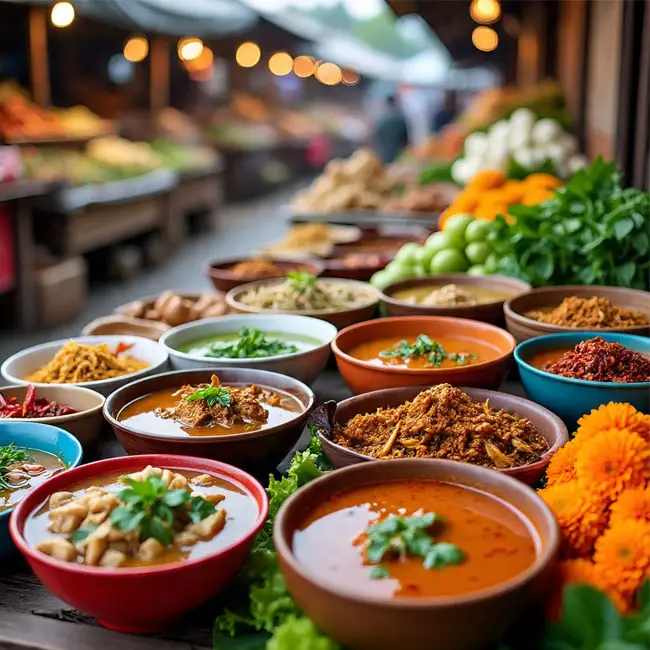
Walk through any Thai market, and you’ll see bubbling pots of soup, aromatic steam rising into the air. Soup vendors create bowls that are fast, affordable, and bursting with flavor. Many locals enjoy soup for breakfast, lunch, dinner, or even late-night meals.
Street food soups symbolize Thailand’s culinary heritage—simple, bold, nourishing, and accessible to everyone.
💛 Hospitality and Sharing
Offering soup to guests at home is a sign of warmth and hospitality. A well-prepared soup shows care and attention to detail. Thai families often say that soup “opens the meal” by awakening the taste buds and creating a comforting start to any dining experience.
❓ FAQ
Q1: What is the most popular Thai soup?
A1: Tom Yum is the most famous, beloved worldwide for its hot and sour flavors infused with Thai herbs.
Q2: Can Thai soups be made vegetarian or vegan?
A2: Absolutely. Many recipes can use tofu, mushrooms, vegetable broth, and plant-based seasonings.
Q3: Are Thai soups spicy?
A3: Many are naturally spicy, but heat can be adjusted by reducing chilies or adding coconut milk to mellow the flavor.
🍲 Authentic Thai Soup Recipes: Easy & Flavorful Dishes to Try at Home
| 🌐 🍲 < Back | 🇹🇭 🍷 < Previous | Next > 🥗 🇹🇭 |